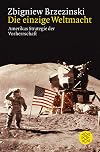
The Grand Chessboard: American Primacy And Its Geostrategic Imperatives
by Zbigniew Brzezinski
On This Page
Description
"Brzezinski delivers a vision for American preeminence in the twenty-first century. The task facing the United States, he argues, is to become the sole political arbiter in Eurasian lands and to prevent the emergence of any rival power threatening our material and diplomatic interests. The Eurasian landmass, home to the greatest part of the globe's population, natural resources, and economic activity, is the "grand chessboard" on which America's supremacy will be ratified and challenged in show more the years to come. In this landmark work of public policy and political science, Brzezinski outlines a groundbreaking and powerful blueprint for America's vital interests in the modern world. In a revised edition with a new epilogue, Brzezinski brings his seminal work up to date with commentary on the latest global developments, including the war in Ukraine, the re-emergence of Russia, and the rise of China."-- show lessTags
Recommendations






















Member Reviews
Húszéves geopolitikai szakkönyvek esetében fennáll a veszély, hogy olyanok lesznek, mint holmi fura múzeumi tárgyak, amiknek már a funkcióját sem tudjuk pontosan – mint egy kurbli, teszem azt. Vagy egy vonalas telefon. Brzezinski könyve szerencsére nem ilyen – egyfelől mert könnyen olvasható, és látszik, írója nem volt rest elmerülni az Amerikán kívüli világ külpolitikai irataiban. (Külön értéke, hogy bővebben beszél az ún „eurázsiai Balkánról”, az Oroszország, Törökország, Kína és Irán által körbezárt közép-ázsiai régióról, amit a legtöbb elemző hanyagolni szokott – ő viszont ebben látja egész Eurázsia stabilitásának kulcsát.) Másfelől meg (mint minden valamire show more való geopolitikai munka) nem esik abba a hibába, hogy puszta jóslatgyűjteményként funkcionál, hanem stratégiai célokat vázol fel, amiket jól körvonalazott stratégiai érdekek köré épít – a stratégiai érdek pedig időtálló dolog… az megint más kérdés, hogy egyes államvezetők összetévesztik-e a saját személyes érdekükkel, vagy sem.
Én magam Brzezinskit nem tartom olyan egyértelműen Amerika-központúnak. Igaz ugyan, hogy az USA monopolisztikus hatalmi státuszából indul ki, amit mindenképpen üdvözítőbbnek tart, mint sok egyéb lehetőséget – ugyanakkor ez a hatalmi státusz tényszerűen VAN, ebből kell kiindulni. Tegyük még hozzá, hogy A nagy sakktábla egyik világosan kimondott célja, hogy Amerikát kvázi felkészítse arra az időszakra, amikor már kénytelen lesz megosztani hatalmát a felemelkedő államokkal – mert pontosan látja, hogy az USA hegemóniája a jövőben már korántsem lesz egyértelmű, és okos dolog volna ezt a bizonytalan jövőbe való átmenetet minél zökkenőmentesebben levezetni, hogy puhára essünk. Arról nem is beszélve, hogy Brzezinski egész elméletének kulcsa, hogy az USA-nak dolga van Eurázsiában: neki kell okos politikával segíteni az egyensúly létrehozásában és megőrzésében a számtalan szemben álló érdek között – ez teljesen elüt a gyakran izolációra törekvő amerikai irányvonalaktól.
Hasznos kis könyv – nem pusztán felidézi a húsz évvel ezelőtti politikai frontvonalakat, hanem a mai napig érvényes, vállalható célokat határoz meg. Talán lesz még olyan épeszű elnök Amerikában, aki leporolja kicsit ezeket. show less
Én magam Brzezinskit nem tartom olyan egyértelműen Amerika-központúnak. Igaz ugyan, hogy az USA monopolisztikus hatalmi státuszából indul ki, amit mindenképpen üdvözítőbbnek tart, mint sok egyéb lehetőséget – ugyanakkor ez a hatalmi státusz tényszerűen VAN, ebből kell kiindulni. Tegyük még hozzá, hogy A nagy sakktábla egyik világosan kimondott célja, hogy Amerikát kvázi felkészítse arra az időszakra, amikor már kénytelen lesz megosztani hatalmát a felemelkedő államokkal – mert pontosan látja, hogy az USA hegemóniája a jövőben már korántsem lesz egyértelmű, és okos dolog volna ezt a bizonytalan jövőbe való átmenetet minél zökkenőmentesebben levezetni, hogy puhára essünk. Arról nem is beszélve, hogy Brzezinski egész elméletének kulcsa, hogy az USA-nak dolga van Eurázsiában: neki kell okos politikával segíteni az egyensúly létrehozásában és megőrzésében a számtalan szemben álló érdek között – ez teljesen elüt a gyakran izolációra törekvő amerikai irányvonalaktól.
Hasznos kis könyv – nem pusztán felidézi a húsz évvel ezelőtti politikai frontvonalakat, hanem a mai napig érvényes, vállalható célokat határoz meg. Talán lesz még olyan épeszű elnök Amerikában, aki leporolja kicsit ezeket. show less
Very interesting but at the same time fundamentally flawed. It was interesting and valuable in the way it synthesizes realism with liberal internationalism, i.e. a sort of cleverly presented pragmatic idealism that could appeal to both realists and idealists alike. It was flawed insofar as the shares the traditional presupposition of the state-centric Westphalian order as a necessary condition of international relations, rather than a historical contingent one. This leads to an almost inevitable blindness to the role and impact of non-state actors. Brzezinski does the best he can under the constraint of those assumptions, and the breadth of his long term thinking on the subject will probably be the best way to transition beyond them.
“The Grand Chessboard” by Zbigniew Brzezinski may well be dated by now, as America’s last few governments have not been able to sustain American primacy.
The book, however, is an excellent – if ruthless and cold-blooded – primer on geopolitical strategy.
In essence, however, the author (whose name’s spelling is impossible) derives much of his strategic approach from Mackinder, and his dictum that whoever controls the Eurasian landmass controls the world. Zbigniew Brzezinski divides the region into several theaters – Western, Eastern, Southern, and middle-mass - with a separate strategy for each. He further states that when you control the Eurasian landmass, you will inevitably control Africa.
The book is fascinating because show more it reveals the hegemonic nature of American strategy just after the end of the Cold War, when America rode the world like a colossus. He makes the somewhat ambitious claim that there has never been, nor will there be, a superpower like America.
The zero-sum game he describes displays a tendency to fall into cliché’s and like all hegemons, he does not deign to even care about understanding the cultures that he proposes America dominates. However, while we may criticize this approach, I give Zbigniew Brzezinski full credit for not beating about the bush.
He is prescient in predicting the rise of Ukraine and China. Zbigniew Brzezinski does not give space to India, except to state that India’s ambitions outweigh its capabilities: a sobering thought for Indian policy makers. Zbigniew Brzezinski is clear-sighted: he is aware that America’s dominance will not last forever. However, I doubt that he could have predicted that the slide would happen so soon after the book’s publication. show less
The book, however, is an excellent – if ruthless and cold-blooded – primer on geopolitical strategy.
In essence, however, the author (whose name’s spelling is impossible) derives much of his strategic approach from Mackinder, and his dictum that whoever controls the Eurasian landmass controls the world. Zbigniew Brzezinski divides the region into several theaters – Western, Eastern, Southern, and middle-mass - with a separate strategy for each. He further states that when you control the Eurasian landmass, you will inevitably control Africa.
The book is fascinating because show more it reveals the hegemonic nature of American strategy just after the end of the Cold War, when America rode the world like a colossus. He makes the somewhat ambitious claim that there has never been, nor will there be, a superpower like America.
The zero-sum game he describes displays a tendency to fall into cliché’s and like all hegemons, he does not deign to even care about understanding the cultures that he proposes America dominates. However, while we may criticize this approach, I give Zbigniew Brzezinski full credit for not beating about the bush.
He is prescient in predicting the rise of Ukraine and China. Zbigniew Brzezinski does not give space to India, except to state that India’s ambitions outweigh its capabilities: a sobering thought for Indian policy makers. Zbigniew Brzezinski is clear-sighted: he is aware that America’s dominance will not last forever. However, I doubt that he could have predicted that the slide would happen so soon after the book’s publication. show less
This writer is a heavyweight security policy advisor for Carter. As a US-sceptic, it's a challenge to read someone who actually believes US hegemonic power is a force for good, and that the world would be more chaotic and violent without it. It predates neo-con excesses, and it shows, but is still relevant as a read. Tragically, he will probably be best known now as the father of the US news presenter who ripped up her script of the Paris Hilton story.
This is very interesting book. Some would say some of the predictions are off but we need to account for complete miss on international terrorism at the time of writing the book. And not only that but catastrophic events caused by terrorists that would take place not only [somewhere] in the world but in the America. That taken into account predictions from the book - some at least - are maybe off by decade or so. What makes you think is level of antagonism towards Russia - only confederate (split in three republics), stable but not strong [quote], cut off from control of any significant resources and unable to project its power anywhere, Russia seems to be appropriate to the author [while everywhere else unification is the goal]. Sounds show more like a position for Germany at the end of WW1.
Interesting book, very interesting for anyone studying the inter-state and international relationships. show less
Interesting book, very interesting for anyone studying the inter-state and international relationships. show less
Geburtstagsgeschenk von Mama 2016
Nov 20, 2016German
Members
- Recently Added By
Published Reviews
Geopolitičku dimenziju "novog strateškog koncepta" Severnoatlantskog pakta razradio je Zbignjev Bžežinski. U nizu govora i članaka i, naročito, u knjizi "Velika šahovska tabla: američki primat i njegovi geopolitički ciljevi", objavljenoj 1997. godine, on je evoluirao od doktrine ljudskih prava koju je zagovarao krajem sedamdesetih godina kada se nalazio na mestu savetnika za show more nacionalnu bezbednost predsednika Kartera, ka klasičnoj realpolitici. Prilikom promocije svoje knjige u Parizu, on je ovaj prividni paradoks lakonski protumačio rečima: "Ja sam razradio doktrinu kao najbolji način da se destabilizuje Sovjetski Savez. I to je uspelo." Njegovi kritičari dodaju da Bžežinski u to vreme nije bio angažovan samo na ideološkom frontu borbe protiv SSSR već i u praktičnoj politici koja je za cilj imala da diskredituje i destabilizuje Sovjetski Savez. U intervjuu francuskom nedeljniku Le Nouvel Observateur to je potvrdio i sam Bžežinski izjavom da su SAD podrškom mudžahedinima spretno gurale Moskvu u vojnu avanturu u Avganistanu koja će odvesti Sovjetski Savez na put bez povratka: "Mi nismo gurali Ruse da intervenišu, ali smo svesno povećavali mogućnost da oni to učine. Ta tajna operacija bila je odlična ideja. Njen cilj je bio da se Rusi navedu u avganistansku zamku." Nije isključeno da je u sličnu zamku upala i postdejtonska Jugoslavija na Kosovu. show less
added by Sensei-CRS
Author Information

59+ Works 2,119 Members
Zbigniew Kazimierz Brzezinski was born in Warsaw, Poland on March 28, 1928. He received a bachelor's degree in 1949 and a master's degree in 1950 from McGill University in Montreal and a doctorate in political science in 1953 from Harvard University. He was the national security adviser to President Jimmy Carter during the years of the Iran show more hostage crisis and the Soviet invasion of Afghanistan in the late 1970s. He wrote numerous books during his lifetime including Ideology and Power in Soviet Politics, Power and Principle, Second Chance: Three Presidents and the Crisis of American Superpower, and Strategic Vision: America and the Crisis of Global Power. He was also a professor of foreign policy at Johns Hopkins University's School of Advanced International Studies, a scholar at the Center for Strategic and International Studies, and a frequent expert commentator on PBS and ABC News. He died on May 26, 2017 at the age of 89. (Bowker Author Biography) show less
Common Knowledge
- Canonical title
- The Grand Chessboard: American Primacy And Its Geostrategic Imperatives
- Original publication date
- 1997
- Original language
- English
Classifications
- Genres
- Nonfiction, Politics and Government, General Nonfiction, History
- DDC/MDS
- 327.73 — Society, government, & culture Political science International Relations: Spies North America United States
- LCC
- E840 .B785 — History of the United States United States Later twentieth century, 1961-2000 Biography (General)
- BISAC
Statistics
- Members
- 534
- Popularity
- 55,697
- Reviews
- 7
- Rating
- (3.69)
- Languages
- 12 — Czech, English, Estonian, French, German, Greek, Japanese, Polish, Romanian, Russian, Serbian, Spanish
- Media
- Paper, Ebook
- ISBNs
- 23
- ASINs
- 3