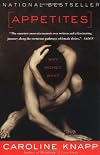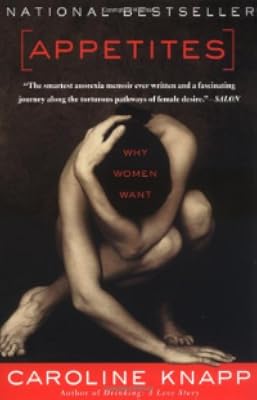
Appetites: Why Women Want
by Caroline Knapp
On This Page
Description
Biography & Autobiography. Self-Improvement. Nonfiction. HTML:In Appetites, Caroline Knapp confronts Freud's famous question, "What do women want?" and boldly reframes it, asking instead: How does a woman know, and then honor, what it is she wants in a culture bent on shaping, defining, and controlling her desires? Knapp, bestselling author of Drinking: A Love Story and Pack of Two: The Intricate Bond Between People and Dogs, has turned her brilliant eye towards how a woman's appetite—for show more food, love, work, and pleasure—has become a battlefield. She uses her own experiences with anorexia as a powerful exploration of what can happen when we are divorced from our most basic hungers—and offers her own success as testament to the joy of saying "I want."Provocative, important, and deeply familiar, Appetites beautifully—and urgently—challenges all women to learn what it is to feed both the body and the soul. show less
Tags
Recommendations
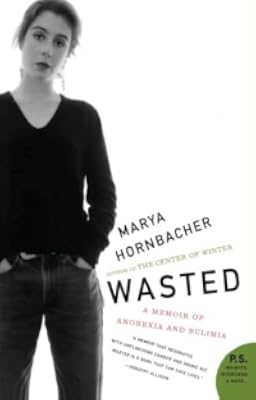
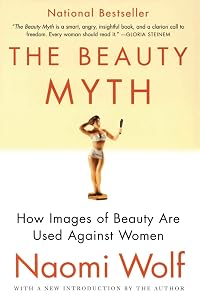
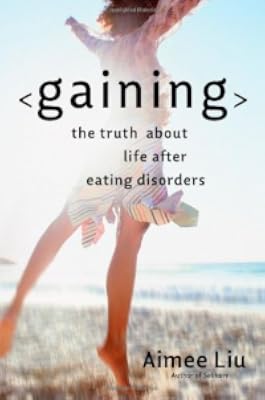
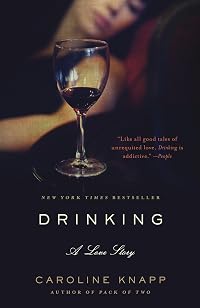
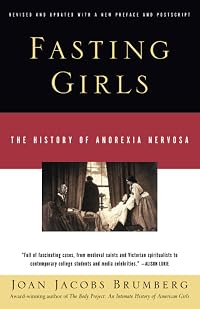
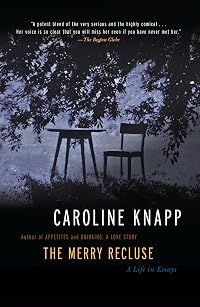
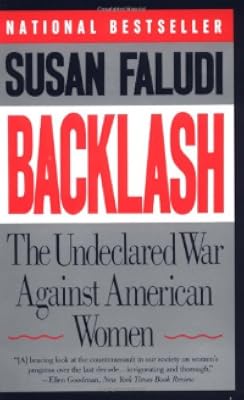
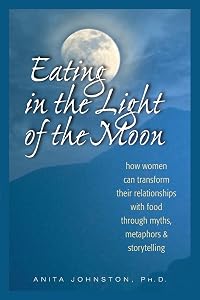
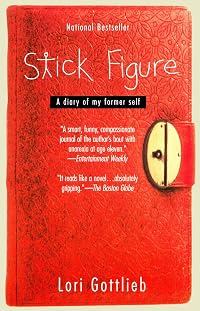
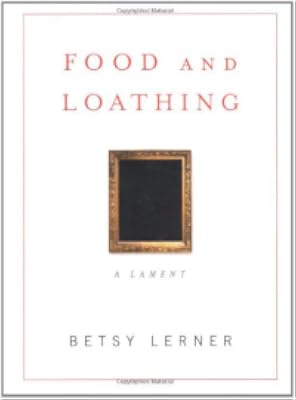
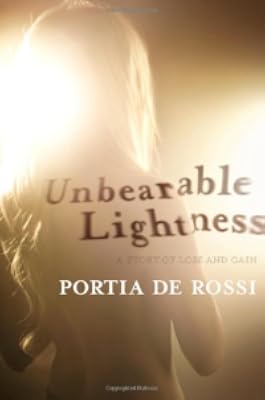
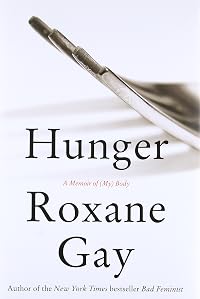
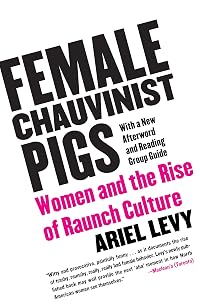
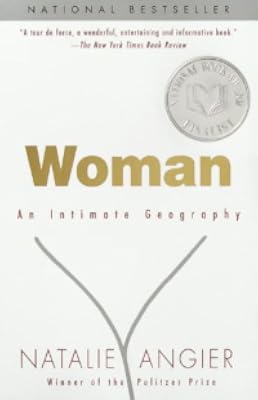
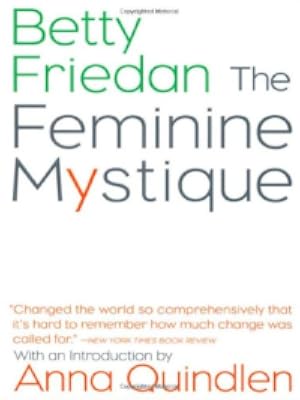

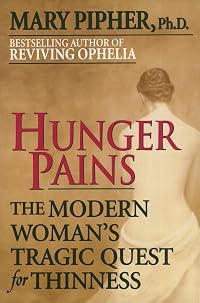
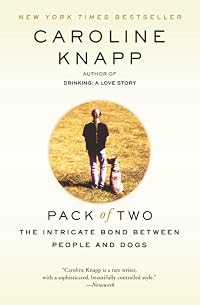
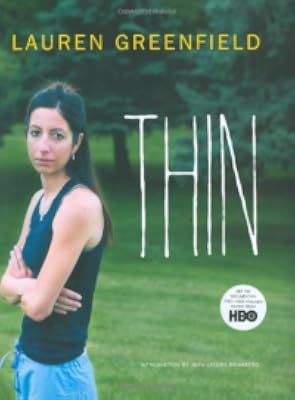
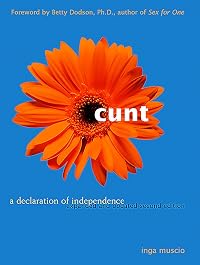
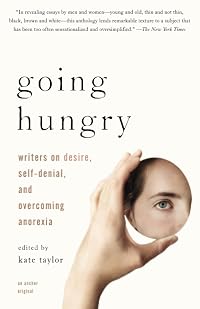
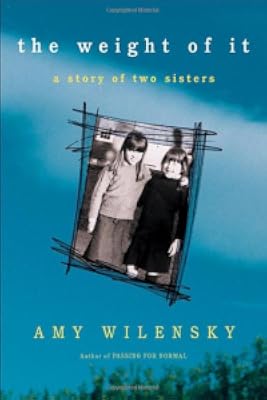


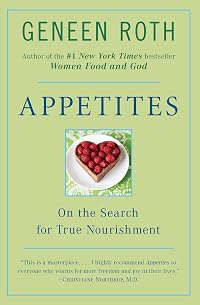
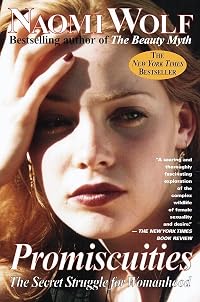
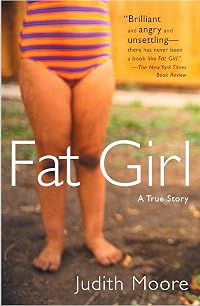

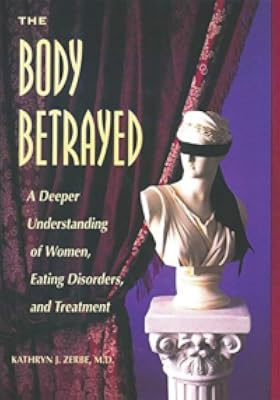
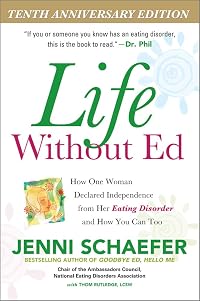
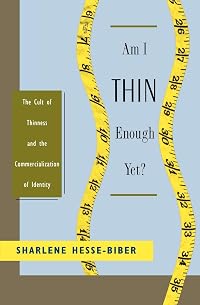
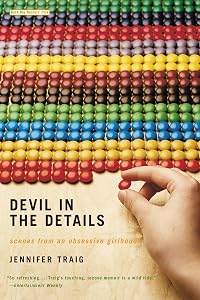
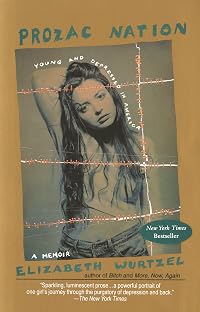
Member Recommendations
Member Reviews
This is a well-written study of the drivers behind women’s anorexia. The author explores her own and other’s history of anorexia. Caroline Knapp delves into the societal pressures and foiled desires behind the need for control that drives one without autonomy to seize control of the one thing they can manage—what food enters their own bodies. It’s a shame that Knapp died at 42, she had a lot more to contribute.
Much food for thought, going quite a bit beyond just eating disorders to hunger and desire -- of all types -- and why women feel compelled to deny them. Appetites includes numerous interviews with women, excerpts from classic feminist texts, and sociological statistics blended together in such a way to present a work that could be categorized as a cultural study. This title would, I believe, serve as a wonderful pick for a women’s book club that enjoys a more cerebral selection. For those with young daughters I believe it is particularly compelling as you are forced to realize the various gender characteristics you may unintentionally promote, even while, at the same time, each day you hate having to live under them and suffer their show more ill effects (‘promotion’ by virtue of the example we set as we accept them in our own lives). A reviewer on Amazon (“LCC”) adeptly summed up the general thrust of the book: “[it] focuses on the psychology of women and how society impacts women’s desires and sense of entitlement.” Appetites looks at what it means to feed, truly, the body and soul… and why so many women instead believe they deserve to starve. show less
I was a bit confused with the book's structure at first, zooming in to Knapp's personal experience and then out to all the numerous forms of appetites, both at the physical and emotional level. It seemed formless and daunting, neither personal nor scientific. Little by little all the threads pulled together and from that emerged a cohesive whole, showing all the ways women sabotage themselves to feed a deeper hunger often unnamed.
It's a compelling and thought-provoking read; the topic and themes are not particularly novel, but its approach is unique.
It's a compelling and thought-provoking read; the topic and themes are not particularly novel, but its approach is unique.
I really like Knapp's writing and it's terribly sad that this was published not long after her death in 2002. A lot of this book is about eating disorders, including Knapp's own experiences, and it's important to realize that this was written around 2002. Some of the ways she discusses eating disorders feel dated and for someone who still struggles, they may want to avoid this book until they are better prepared. She mentions weight in numbers a lot and amounts of food. There is also a part where she talks about meeting Lesley Kinzel (though she spells it Leslie) who at the time was 24 (and is now known as a writer on fat-acceptance). After meeting her, she considers whether it's better to basically yo-yo diet your whole life or just be show more okay being fat (she uses an actual weight number) even though it will "cut decades off your life" which is just not an accurate statement. She does acknowledge that she is "fuzzy on medical questions, physical and psychological" in this same paragraph. So I recommend this book with a strong caution about some of the language used to discuss eating disorders, weight, and health specifically. And I want to point out that this book is not just about eating disorders, she also explores hunger and desires of women, physical and emotional (food, love, work, pleasure) and how hard it is for women to honor their appetites in our culture. It's sad that it doesn't feel like women have actually made much progress since she wrote this book. She also talks a bit about her problems with alcohol but for a full exploration, I highly recommend her book Drinking: A Love Story. show less
Knapp is an extremely talented writer who is not afraid to use her own life to discuss issues that are important to her (just as she has done in her previous writing). With this book she discusses how women today are made to feel divorced from their own appetites, or made to feel they are not worthy of them. Subsequently, women end up 'acting out' by enforcing rules upon themselves that don't make sense when it comes to being happy, and indulging in behaviours that are harmful.
One thing I had a problem with in this book is Knapp's continual reference to the mother-daughter relationship and how that relates to how women see themselves. I think here she was extrapolating just a little too far from her own perceived experience and making show more it a universal condition. While the mother-daughter relationship can be an highly formative influence on women and how they see themselves and act as they grow up, I just don't buy that it is always so important for every woman as Knapp seems to imply. But this is not really a huge part of her hypothesis and does not really diminish greatly the overall argument she has to make.
I read this book just after finishing a book on Zen Buddhism, and while Knapp never mentions Buddhism once in her book, it is amazing that what she says - that happiness is to be found within not with external 'things' including items and relationships, that we need to accept who we are as we are if there is ever to be any mental peace in our lives - could easily fit within a Buddhist philosophy.
It is a sad fact that Caroline Knapp died in 2002, the year before this book was published. She was only 42 years old. show less
One thing I had a problem with in this book is Knapp's continual reference to the mother-daughter relationship and how that relates to how women see themselves. I think here she was extrapolating just a little too far from her own perceived experience and making show more it a universal condition. While the mother-daughter relationship can be an highly formative influence on women and how they see themselves and act as they grow up, I just don't buy that it is always so important for every woman as Knapp seems to imply. But this is not really a huge part of her hypothesis and does not really diminish greatly the overall argument she has to make.
I read this book just after finishing a book on Zen Buddhism, and while Knapp never mentions Buddhism once in her book, it is amazing that what she says - that happiness is to be found within not with external 'things' including items and relationships, that we need to accept who we are as we are if there is ever to be any mental peace in our lives - could easily fit within a Buddhist philosophy.
It is a sad fact that Caroline Knapp died in 2002, the year before this book was published. She was only 42 years old. show less
One of the most thoughtful and beautifully written memoirs concerning anorexia I have read. Columnist Knapp examines her own journey through anorexia and recovery, and also ruminates on the many ways women thwart their own desires. I would recommend this to just about anyone.
I would have liked this book a lot better had it been a full-on memoir, but then again, I have already read Drinking: A Love Story. It was just kind of like a rehash of The Beauty Myth and a lot of anecdotes about how women are socialized to hate ourselves. Maybe I would have been more open to it if I hadn't already read a ton of feminist books on the same topic.
Members
- Recently Added By
Author Information

7+ Works 2,661 Members
Caroline Knapp was the author of Alice K's Guide to Life as well as the best-selling books, Drinking: A Love Story and Pack of Two: The Intricate Bond Between People and Dogs. She died in June 2002 at the age of 42, and lived in Cambridge, Massachusetts
Awards and Honors
Distinctions
Classifications
- Genres
- Nonfiction, General Nonfiction, Sexuality and Gender Studies, Biography & Memoir
- DDC/MDS
- 616.85 — Applied science & technology Medicine & health Diseases, Allergies, Skin Conditions Nervous Disorders: Autism, Anorexia, OCD Miscellaneous
- LCC
- RC552 .A5 .K636 — Medicine Internal medicine Internal medicine Neurosciences. Biological psychiatry. Neuropsychiatry Psychiatry Psychopathology Neuroses
- BISAC
Statistics
- Members
- 509
- Popularity
- 59,165
- Reviews
- 10
- Rating
- (3.95)
- Languages
- English, German, Spanish, Swedish
- Media
- Paper, Audiobook, Ebook
- ISBNs
- 12
- ASINs
- 6