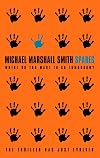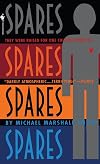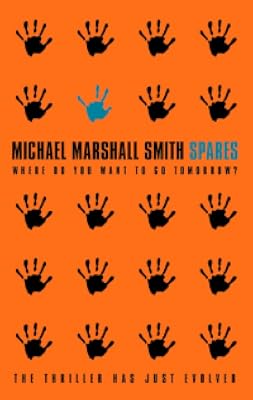
Spares
by Michael Marshall Smith
On This Page
Description
Talking fridges, human clone farms, flying shopping malls - we must be in the Michael Marshall Smith zone. A world all too close to our own... Spares - human clones, the ultimate health insurance. An eye for an eye - but some people are doing all the taking. Spares - the story of Jack Randall: burnt-out, dropped out, and way overdrawn at the luck bank. But as caretaker on a Spares Farm, he still has a choice, and it might make a difference...if he can run fast enough. Spares - a breathless show more race through strange, disturbing territories in a world all too close to our own. Spares - it's fiction. But only just... show lessTags
Recommendations





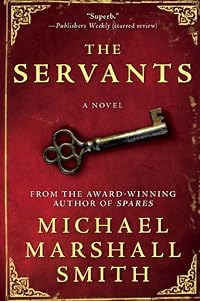
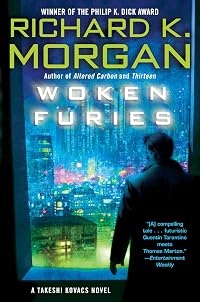
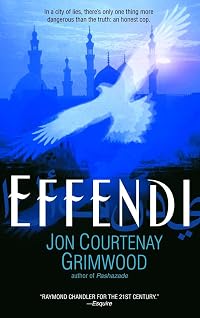


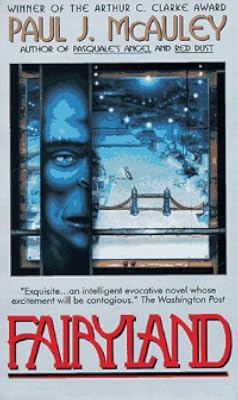
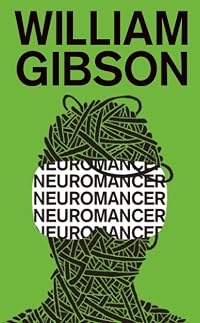

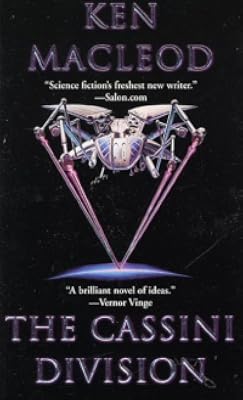
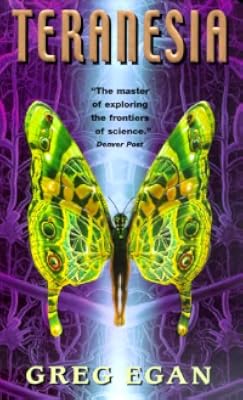
Member Recommendations
Member Reviews
Calling Spares a ‘hard-boiled detective’ story is like calling Ben&Jerry’s Wavy Gravy ‘chocolate swirl ice cream.’
Sure. I guess--if you ignore philosophy, organics, ingredients, and taste.
I mean, the lead is an ex-cop/ex-soldier. It's pretty standard detective; just replace the bottle of Scotch with a foil-wrapped pouch of Rapt. Usually.
“Then on an afterthought I reached behind me and took down a bottle of Jack Daniels. Actually, it wasn’t an afterthought. It had been a first thought and an in-between thought. I’d been trying to make it an ex-thought, but something inside me gave up.”
The typical 'damsel-in-distress' are actually six-and-a-half clones escaped from a body Farm, but they’re as innocent and beautiful as show more the day is long. And the 'corrupt, dirty, big city' setting is a former two-hundred story flying MegaMall that landed in New Richmond, Virginia. Instead of districts or boroughs, we have floors–above 100 is the most rarified air. But the mob scene is pretty standard, as is the drug trade and the street whores, so who knows? Maybe it is really just like Sam Spade.
Practically the same thing.
Except I just never know where Marshall Smith is going to take his stories, and that’s a thing of beauty. As a side note, though Marshall Smith often seems to fall into ‘sci-fi,’ he’s about as sci-fi as Philip K. Dick. He’s more interested in dreaming up concepts for plotting and social commentary, not for actual future-civilization possibility. I admit, I myself stuttered at the clone farm, but you know, it is a bit like a drug trip. You just surrender control and see where the conductor takes you.
The lead, Jack Randall, is a deeply troubled character, a classic Failed Knight. He’s a complex character, often stumbling when you wish he would rise, and often making the choices that keep him running in place. He shows an awareness of his flaws. Some readers may not find him a likable character. But I found him deeply human, albeit a damaged one, with a sense of humor that appealed. I laughed as he questioned a hipster artist.
“Socializing,” I said. “Who did she hang out with?”
“Her friends, of course,” Golson said, clearly baffled. I checked my mental question gun, and found I only had about two patience bullets left. After that, it was going to be live ammunition.
“Okay. You, who the fuck else?” I asked.
“Well, Mandy and Val and Zaz and Ness and Del and Jo and Kate.”
My last patience bullet. “Remember any guys’ names?”
It gets a little strange when the situation requires going into The Gap, a surreal place and the site of the conflict/war that so damaged Randall when he was younger. I felt strongly the echoes of Platoon here, and all the ‘realistic’ Vietnam movies of the 1980s (the book was written in 1996). I won’t say anything more, but that reading requires a tolerance for getting weird. Think Annihilation, with more plot and better self-analysis.
“I believe The Gap is made up of all of the places where no one is, of all the sights no one sees. It comes from silence, and lack, and the deleted and unread; it is the gap between what you want and what you have, between love and affection, between hope and truth. It’s the place where crooked cues come from, and it’s the answer to a question: Does a tree exist when there’s no one there to perceive it?”
This was his second published novel, and you can see the genesis of some of the ideas he likes to play with. A talking refrigerator and the abilities of cats both make an appearance, albeit peripheral. Optioned by Dreamworks, this seems to be languishing in development, which is probably fine. I’m old-fashioned that way.
Overall, very good. I even had a tear in my eye when I finished, which may or may not have been hormones, but is more likely for an intriguing story that went from a noir mystery to a journey of redemption. There’s certainly problems, and as a reader, I’m left thinking about different aspects that were perhaps resolved in untidy ways, but that’s life, isn’t it? show less
Sure. I guess--if you ignore philosophy, organics, ingredients, and taste.
I mean, the lead is an ex-cop/ex-soldier. It's pretty standard detective; just replace the bottle of Scotch with a foil-wrapped pouch of Rapt. Usually.
“Then on an afterthought I reached behind me and took down a bottle of Jack Daniels. Actually, it wasn’t an afterthought. It had been a first thought and an in-between thought. I’d been trying to make it an ex-thought, but something inside me gave up.”
The typical 'damsel-in-distress' are actually six-and-a-half clones escaped from a body Farm, but they’re as innocent and beautiful as show more the day is long. And the 'corrupt, dirty, big city' setting is a former two-hundred story flying MegaMall that landed in New Richmond, Virginia. Instead of districts or boroughs, we have floors–above 100 is the most rarified air. But the mob scene is pretty standard, as is the drug trade and the street whores, so who knows? Maybe it is really just like Sam Spade.
Practically the same thing.
Except I just never know where Marshall Smith is going to take his stories, and that’s a thing of beauty. As a side note, though Marshall Smith often seems to fall into ‘sci-fi,’ he’s about as sci-fi as Philip K. Dick. He’s more interested in dreaming up concepts for plotting and social commentary, not for actual future-civilization possibility. I admit, I myself stuttered at the clone farm, but you know, it is a bit like a drug trip. You just surrender control and see where the conductor takes you.
The lead, Jack Randall, is a deeply troubled character, a classic Failed Knight. He’s a complex character, often stumbling when you wish he would rise, and often making the choices that keep him running in place. He shows an awareness of his flaws. Some readers may not find him a likable character. But I found him deeply human, albeit a damaged one, with a sense of humor that appealed. I laughed as he questioned a hipster artist.
“Socializing,” I said. “Who did she hang out with?”
“Her friends, of course,” Golson said, clearly baffled. I checked my mental question gun, and found I only had about two patience bullets left. After that, it was going to be live ammunition.
“Okay. You, who the fuck else?” I asked.
“Well, Mandy and Val and Zaz and Ness and Del and Jo and Kate.”
My last patience bullet. “Remember any guys’ names?”
It gets a little strange when the situation requires going into The Gap, a surreal place and the site of the conflict/war that so damaged Randall when he was younger. I felt strongly the echoes of Platoon here, and all the ‘realistic’ Vietnam movies of the 1980s (the book was written in 1996). I won’t say anything more, but that reading requires a tolerance for getting weird. Think Annihilation, with more plot and better self-analysis.
“I believe The Gap is made up of all of the places where no one is, of all the sights no one sees. It comes from silence, and lack, and the deleted and unread; it is the gap between what you want and what you have, between love and affection, between hope and truth. It’s the place where crooked cues come from, and it’s the answer to a question: Does a tree exist when there’s no one there to perceive it?”
This was his second published novel, and you can see the genesis of some of the ideas he likes to play with. A talking refrigerator and the abilities of cats both make an appearance, albeit peripheral. Optioned by Dreamworks, this seems to be languishing in development, which is probably fine. I’m old-fashioned that way.
Overall, very good. I even had a tear in my eye when I finished, which may or may not have been hormones, but is more likely for an intriguing story that went from a noir mystery to a journey of redemption. There’s certainly problems, and as a reader, I’m left thinking about different aspects that were perhaps resolved in untidy ways, but that’s life, isn’t it? show less
Michael Marshall Smith certainly isn't the first science-fiction writer to tell a story about clones. There are -- go figure! -- dozens of science fiction books out there that deal with the topic. What's interesting about "Spares" is that it doesn't deal with the topic in the way that most other clone stories do: it's less about the clones' humanity than the main character's commitment to them. Like "Only Forward", his excellent first novel,"Spares" is a science-fiction novel about memory and the importance of human connection.
It has other similarities with "Only Forward," too. It's set in Virginia, but the prose and the dialogue is still snappy, funny, and very British. It's full of cartoonish ultra-violence and appliances and show more computers that sass back at their users. There's a lot of artificial intelligence and human cruelty on display here. And it's got some top-notch, blockbuster-worthy chase scenes. The author really knows how to build up to a climax. "Spares" also takes a bit of a left turn when it incorporates a sort of Vietnam War narrative: the book's main character is a veteran of a conflict fought in a sort of digital netherworld called the Gap. It's a place that recalls the author's interest in video games and digital environments that we also saw in "Only Forward," but the slippery nature of reality in the Gap and the genuinely eerie and beautiful imagery that Mashall Smith uses to describe it makes it much more memorable than the average parallel universe.
In a various ways, though, "Spares" is a bit less successful than "Only Forward." The main character is, from a certain perspective, likeable: he's a hard man with a heart, a way with words, and a tragic past. But that's sort of the problem, too: I felt that I'd met this character before, perhaps in a James Ellroy novel. You know the type: a committed, steely-eyed cop whose tough exterior hides a troubled, tragic past and quietly hysterical inner life. "Only Forward" got around this problem by essentially splitting up this detective novel type up into two characters, but no such luck here. How much you like "Spares" might depend on how much patience you have for this sort of character. Does his inner pain justify the body count he racks up by the end of the novel? Well, that's a good question.
In short: is "Spares" as good as Michael Marshall Smith's spectacular debut novel. No. But then, not much is. This one is still recommended to people who enjoy inventive, well-written, literary, and quick-witted science fiction, or any combination thereof. show less
It has other similarities with "Only Forward," too. It's set in Virginia, but the prose and the dialogue is still snappy, funny, and very British. It's full of cartoonish ultra-violence and appliances and show more computers that sass back at their users. There's a lot of artificial intelligence and human cruelty on display here. And it's got some top-notch, blockbuster-worthy chase scenes. The author really knows how to build up to a climax. "Spares" also takes a bit of a left turn when it incorporates a sort of Vietnam War narrative: the book's main character is a veteran of a conflict fought in a sort of digital netherworld called the Gap. It's a place that recalls the author's interest in video games and digital environments that we also saw in "Only Forward," but the slippery nature of reality in the Gap and the genuinely eerie and beautiful imagery that Mashall Smith uses to describe it makes it much more memorable than the average parallel universe.
In a various ways, though, "Spares" is a bit less successful than "Only Forward." The main character is, from a certain perspective, likeable: he's a hard man with a heart, a way with words, and a tragic past. But that's sort of the problem, too: I felt that I'd met this character before, perhaps in a James Ellroy novel. You know the type: a committed, steely-eyed cop whose tough exterior hides a troubled, tragic past and quietly hysterical inner life. "Only Forward" got around this problem by essentially splitting up this detective novel type up into two characters, but no such luck here. How much you like "Spares" might depend on how much patience you have for this sort of character. Does his inner pain justify the body count he racks up by the end of the novel? Well, that's a good question.
In short: is "Spares" as good as Michael Marshall Smith's spectacular debut novel. No. But then, not much is. This one is still recommended to people who enjoy inventive, well-written, literary, and quick-witted science fiction, or any combination thereof. show less
Reseña de Fantasía Mágica
Leí Clones hace 11 años y tenía pendiente releerlo. Me imaginaba que lo iba a entender/disfrutar más ahora, y efectivamente así fue.
Por si no queda claro con el nombre del libro, es una distopía de ciencia ficción, y por momentos, una de las más crudas que he que he leído hasta ahora (ríanse de Los Juegos del Hambre).
Mientras lo leía pensaba que si uno hiciera una línea de tiempo de los hechos, lo que ocurre en "tiempo presente" es la mitad de la historia o menos. Hay una enorme cantidad de flashbacks a lo largo del libro que nos ayudan a entender mejor muchas cosas, incluidos ciertos hábitos del protagonista.
Como dice la sinopsis, Jack Randall vuelve a Nueva Richmond -una monstruosidad mecánica show more que nadie parece molestarse en hacer funcionar- con un grupo de clones humanos que liberó de su horroroso destino como repuestos para sus originales. Y ahora huyen. Es por eso que recurre a viejos conocidos y amigos para que lo ayuden a ocultarlos... a pesar de que haya una (no demasiado alta) recompensa sobre su cabeza.
Pero cuando todos los clones -menos uno- son secuestrados, la historia se complica considerablemente.
Jack es un ex-policía con una gran adicción a una extraña droga conocida como rapto, en apariencia controlada gracias a Ratchett, un androide (que asumo que tiene aspecto humano, o al menos yo lo imaginé como a Michael Fassbender en Prometheus) que lo ayudó. Él trabajaba como guardia en un lugar llamado la Granja, cuya función era tener a los clones -llamados despectivamente 'recambios'- almacenados en unas habitaciones como cuevas, con el único propósito de esperar a que llegaran los médicos para quitarles partes y volver a arrojarlos donde los encontraron.
Jack nos narra en primera persona y gracias a su acidez y sarcasmo el libro no carece en absoluto de humor, sino todo lo contrario. Es un personaje muy defectuoso, lleno de fallas y remordimientos, pero que por alguna razón se hace querer igual. Quizás se deba precisamente al constante arrepentimiento que siente, o porque nos enteramos de lo que hizo una vez que ya se le tomó cariño.
También tendrá sus momentos de reflexión intercalados con la historia, y esos a me parecieron muy buenos e interesantes. Es la visión desde adentro de una sociedad podrida y sin esperanza, vista a través los ojos de un personaje por demás imperfecto.
Es una historia extremadamente cruda cuando se trata de los clones, el concepto de gente desmembrada y desnuda que no tiene verdadera consciencia de nada ni capacidad de nada, es aterrador. Además de la forma en que son tratados por los celadores y médicos, como si fueran menos que objetos.
El futuro creado por Michael Marshall Smith en esta novela es sinceramente terrorífico. Está excelentemente bien logrado como transmite el horror y la aberración de lo que les hacen, así como la forma en que la mente de Jack barrunta, muta y se decide a ayudarlos. Randall se encariña y se vuelve como un padre protector para aquellos que tienen mas consciencia de lo que les ocurre. Más adelante nos enteraremos de lo que lo mueve a hacerlo, a pesar de que no se diga abiertamente.
Pero no es sólo esto el argumento de Clones. De hecho, la historia de los 'recambios' es la menor (si bien la principal), porque el protagonista deberá además sumergirse en la investigación de una ola de extraños asesinatos que están sucediendo en Nueva Richmond, y que todos parecen apuntar a una misma persona de su pasado.
Hacia la mitad del libro conoceremos y entenderemos mejor una buena parte de la psicología del protagonista, adentrándonos en un lugar extraño y bizarro donde el terror es el único sentimiento que experimentarán los personajes. Excelente.
Es una novela extremadamente dinámica, con unas escenas de acción que se devoran y una gran cantidad de historias y sub-historias que se ven en los ya mencionados flashbacks. Cuando crean que todo está tranquilo, habrá caos.
Además, si vamos a la ciencia ficción en sí, el autor tiene una imaginación enorme y ha sido muy detallista y creativo. Respecto a las dimensiones de Nueva Richmond, realmente no tomé conciencia de la monstruosa enormidad que es esa nave hasta que Jack comienza a recorrerla y hablarnos de los estratos sociales que se dividen entre los más de 100 pisos que la componen.
Probablemente la historia les recuerde en algo a cierta película con Ewan McGregor, y es porque se inspiraron muy libremente en este libro para hacerla.
No quiero decir 'plagio' pero...
No dejen de leerla si les gusta la ciencia ficción, y recuerden que fue escrita en la década del '90 así que encontrarán como vigentes ciertas cosas que ya no lo son (como los diskettes), pero si toman esos detalles con humor, encontrarán una distopía escalofriante, muy bien creada... y que no suena completamente imposible. show less
Leí Clones hace 11 años y tenía pendiente releerlo. Me imaginaba que lo iba a entender/disfrutar más ahora, y efectivamente así fue.
Por si no queda claro con el nombre del libro, es una distopía de ciencia ficción, y por momentos, una de las más crudas que he que he leído hasta ahora (ríanse de Los Juegos del Hambre).
Mientras lo leía pensaba que si uno hiciera una línea de tiempo de los hechos, lo que ocurre en "tiempo presente" es la mitad de la historia o menos. Hay una enorme cantidad de flashbacks a lo largo del libro que nos ayudan a entender mejor muchas cosas, incluidos ciertos hábitos del protagonista.
Como dice la sinopsis, Jack Randall vuelve a Nueva Richmond -una monstruosidad mecánica show more que nadie parece molestarse en hacer funcionar- con un grupo de clones humanos que liberó de su horroroso destino como repuestos para sus originales. Y ahora huyen. Es por eso que recurre a viejos conocidos y amigos para que lo ayuden a ocultarlos... a pesar de que haya una (no demasiado alta) recompensa sobre su cabeza.
Pero cuando todos los clones -menos uno- son secuestrados, la historia se complica considerablemente.
Jack es un ex-policía con una gran adicción a una extraña droga conocida como rapto, en apariencia controlada gracias a Ratchett, un androide (que asumo que tiene aspecto humano, o al menos yo lo imaginé como a Michael Fassbender en Prometheus) que lo ayudó. Él trabajaba como guardia en un lugar llamado la Granja, cuya función era tener a los clones -llamados despectivamente 'recambios'- almacenados en unas habitaciones como cuevas, con el único propósito de esperar a que llegaran los médicos para quitarles partes y volver a arrojarlos donde los encontraron.
Jack nos narra en primera persona y gracias a su acidez y sarcasmo el libro no carece en absoluto de humor, sino todo lo contrario. Es un personaje muy defectuoso, lleno de fallas y remordimientos, pero que por alguna razón se hace querer igual. Quizás se deba precisamente al constante arrepentimiento que siente, o porque nos enteramos de lo que hizo una vez que ya se le tomó cariño.
También tendrá sus momentos de reflexión intercalados con la historia, y esos a me parecieron muy buenos e interesantes. Es la visión desde adentro de una sociedad podrida y sin esperanza, vista a través los ojos de un personaje por demás imperfecto.
Es una historia extremadamente cruda cuando se trata de los clones, el concepto de gente desmembrada y desnuda que no tiene verdadera consciencia de nada ni capacidad de nada, es aterrador. Además de la forma en que son tratados por los celadores y médicos, como si fueran menos que objetos.
El futuro creado por Michael Marshall Smith en esta novela es sinceramente terrorífico. Está excelentemente bien logrado como transmite el horror y la aberración de lo que les hacen, así como la forma en que la mente de Jack barrunta, muta y se decide a ayudarlos. Randall se encariña y se vuelve como un padre protector para aquellos que tienen mas consciencia de lo que les ocurre. Más adelante nos enteraremos de lo que lo mueve a hacerlo, a pesar de que no se diga abiertamente.
Pero no es sólo esto el argumento de Clones. De hecho, la historia de los 'recambios' es la menor (si bien la principal), porque el protagonista deberá además sumergirse en la investigación de una ola de extraños asesinatos que están sucediendo en Nueva Richmond, y que todos parecen apuntar a una misma persona de su pasado.
Hacia la mitad del libro conoceremos y entenderemos mejor una buena parte de la psicología del protagonista, adentrándonos en un lugar extraño y bizarro donde el terror es el único sentimiento que experimentarán los personajes. Excelente.
Es una novela extremadamente dinámica, con unas escenas de acción que se devoran y una gran cantidad de historias y sub-historias que se ven en los ya mencionados flashbacks. Cuando crean que todo está tranquilo, habrá caos.
Además, si vamos a la ciencia ficción en sí, el autor tiene una imaginación enorme y ha sido muy detallista y creativo. Respecto a las dimensiones de Nueva Richmond, realmente no tomé conciencia de la monstruosa enormidad que es esa nave hasta que Jack comienza a recorrerla y hablarnos de los estratos sociales que se dividen entre los más de 100 pisos que la componen.
Probablemente la historia les recuerde en algo a cierta película con Ewan McGregor, y es porque se inspiraron muy libremente en este libro para hacerla.
No quiero decir 'plagio' pero...
No dejen de leerla si les gusta la ciencia ficción, y recuerden que fue escrita en la década del '90 así que encontrarán como vigentes ciertas cosas que ya no lo son (como los diskettes), pero si toman esos detalles con humor, encontrarán una distopía escalofriante, muy bien creada... y que no suena completamente imposible. show less
Not for the squeamish, this is nevertheless brilliant. And for some modern SF in 1996 it's aged pretty well. Hard to put down you find yourself wanting to know not just what happens next, but what happened in the past to get to this point. Jack Randall is deeply flawed, yet somehow still a hopeless idealist. The concepts in the book are still fresh and engaging, and the thriller plot keeps you turning the pages. I think it's one I'd recommend, but not if you find some of Iain Banks a bit too gory/unpleasant for example. Loved it.
Quite a bit Stainless Steel Rat, some Neuromancer and dim shades of Never Let Me Go. Having seen the film The Island which is sort-of-not-really based on it, I was initially surprised how far they'd departed from the story and it took me a while to adjust to the fact that this wasn't really any relation to it.
The hard-boiled protagonist is creaky as a main character, the other leads don't get much beyond cardboard cut-outs (the most 'real' of them is a robot), the spares themselves barely feature apart from as a plot device and the world is an unconvincing BladeRunner/Brave New World/Gibson mashup with an alternate reality plane thrown in for good measure (or at least to provide somewhere for the characters to go when the mall gets show more boring) .. but
... by the halfway mark I didn't really care - it's a pacy, funny, action thriller that does a good job at dragging you pell mell along to the end.
Speed minus Dennis Hopper. show less
The hard-boiled protagonist is creaky as a main character, the other leads don't get much beyond cardboard cut-outs (the most 'real' of them is a robot), the spares themselves barely feature apart from as a plot device and the world is an unconvincing BladeRunner/Brave New World/Gibson mashup with an alternate reality plane thrown in for good measure (or at least to provide somewhere for the characters to go when the mall gets show more boring) .. but
... by the halfway mark I didn't really care - it's a pacy, funny, action thriller that does a good job at dragging you pell mell along to the end.
Speed minus Dennis Hopper. show less
This is an excellent and strange book. It's a sci-fi noir detective thriller with some serious excursions into surrealist territory, and liberal helpings of humour thrown in between all the drugs and violence. Despite this confusion, the author has managed to pull off a cohesive story with fully fleshed-out characters in a vividly described world.
A cop goes off the rails after a mob hit on his family takes away all he had left in life. He wasn't exactly on the rails to begin with, so this leaves him a complete wreck. A friend helps get him into a job as caretaker of a "Spares Farm", a medical facility designed to house human clones intended to act as live organ donors, basically as a macabre insurance policy for the clone "owners". The show more day-to-day activities of the farm are handled by robots, which is just as well as our protagonist is in no state to look after himself when he arrives.
After some time in the farm he gets the opportunity to see just how bad this situation is for the clones who, despite being human, are treated worse than most livestock. He cleans up and begins trying to teach some of the more responsive clones, to give them an opportunity to become "human". This all comes to a head one day when one of his clones is selected for a procedure which would end up killing them, so he helps a group of clones make their escape out into real world.
That when things really start to go down hill for all involved.
The story jumps back and forth, with flashbacks gradually filling in the background and not too infrequently putting events in a new light in the process. The narrator and protagonist is a very flawed individual indeed, and constantly struggling with addiction and other vices. Despite this, he's a likable enough character burdened by remorse for past actions, and for failing to have appreciated his family properly while he had them.
I bought this on the recommendation of one of the staff at my bookstore - my own dealer who can always get me the fix I need. It's unlikely I'd have bought this book otherwise, but I enjoyed this enough that I'm now going to have to go find more from this author - and thank Richard for putting me on to him while I'm in the store. ;) show less
A cop goes off the rails after a mob hit on his family takes away all he had left in life. He wasn't exactly on the rails to begin with, so this leaves him a complete wreck. A friend helps get him into a job as caretaker of a "Spares Farm", a medical facility designed to house human clones intended to act as live organ donors, basically as a macabre insurance policy for the clone "owners". The show more day-to-day activities of the farm are handled by robots, which is just as well as our protagonist is in no state to look after himself when he arrives.
After some time in the farm he gets the opportunity to see just how bad this situation is for the clones who, despite being human, are treated worse than most livestock. He cleans up and begins trying to teach some of the more responsive clones, to give them an opportunity to become "human". This all comes to a head one day when one of his clones is selected for a procedure which would end up killing them, so he helps a group of clones make their escape out into real world.
That when things really start to go down hill for all involved.
The story jumps back and forth, with flashbacks gradually filling in the background and not too infrequently putting events in a new light in the process. The narrator and protagonist is a very flawed individual indeed, and constantly struggling with addiction and other vices. Despite this, he's a likable enough character burdened by remorse for past actions, and for failing to have appreciated his family properly while he had them.
I bought this on the recommendation of one of the staff at my bookstore - my own dealer who can always get me the fix I need. It's unlikely I'd have bought this book otherwise, but I enjoyed this enough that I'm now going to have to go find more from this author - and thank Richard for putting me on to him while I'm in the store. ;) show less
Not his best work, or maybe just a touch to dark for my taste. Another future world with a megaCity in true cyberpunk style where anything is for sale, but those born to be genetic replacements for the truly rich have feelings too, and world isn't ever as it seems in Smith's work.
Members
- Recently Added By
Lists

Books Tagged Clones
14 works; 6 members
Author Information

88+ Works 8,402 Members
Some Editions
Awards and Honors
Work Relationships
Has as a supplement
Common Knowledge
- Canonical title*
- Geklont
- Original title
- Spares
- Original publication date
- 1996-10
- Epigraph
- Our kind. Us people. All of us that
started the game with a crooked cue
that wanted so much and got so little,
that meant so good and did so bad.
JIM THOMPSON
'The Killer Inside Me' - Dedication
- For Paula,
who lights up the forest. - First words
- Wide shot.
- Last words
- (Click to show. Warning: May contain spoilers.)When I do, I name them: for Henna, for Nearly, and for me.
- Original language*
- Englisch
*Some information comes from Common Knowledge in other languages. Click "Edit" for more information.
Classifications
Statistics
- Members
- 886
- Popularity
- 30,401
- Reviews
- 23
- Rating
- (3.84)
- Languages
- 9 — Czech, Dutch, English, French, German, Italian, Japanese, Portuguese, Spanish
- Media
- Paper, Ebook
- ISBNs
- 25
- ASINs
- 3