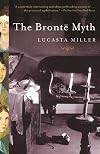
The Brontë Myth
by Lucasta Miller
On This Page
Description
"Lucasta Miller, in The Bronte Myth, shows us how the Brontes become cultural symbols almost as soon as their novels were published; how they became notorious even before the veil dropped from their carefully chosen pseudonyms, as Charlotte's Jane Eyre and Emily's Wuthering Heights, appearing out of nowhere, instantly fascinated, inspired, and scandalized English readers." "The subsequent discovery that Currer, Ellis, and Acton Bell were three youngish spinsters - parson's daughters - living show more rural lives of utmost propriety made interest in the sisters obsessive. Add a supposedly ferocious father and untimely death, to say nothing of the Victorian penchant for seeing noble sacrifice in every possible situation, and the production of legends multiplied." "Lucasta Miller provides fascinating insight into the manufacture of cultural myth and how it can distort our memory of the artist even as it obscures the art. She traces the reinterpretations, indeed recreations, of the Brontes, from Charlotte's own efforts to soften her dead sisters' reputations and Mrs. Gaskell's classic portrait of the artists as exemplary Christian ladies to the fashionably Freudian psychobiographies of the 1920s and '30s, from counterfeit memorabilia and the promotion of literary tourism to Hollywood representations of gloomy heroines on savage windswept moors. She rescues the Brontes from their admirers and attackers, giving us back three vivid women who were writing in the days when few women dared to try: geniuses and sisters who, in the words of a household witness in the late 1850s, were "as cheerful and full of spirits as possible ... full of fun and merriment.""--BOOK JACKET. show lessTags
Recommendations
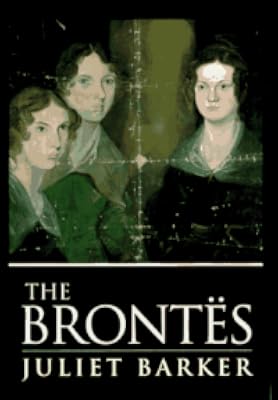
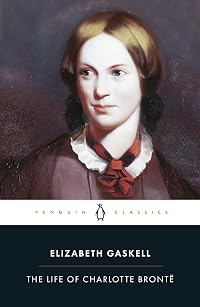





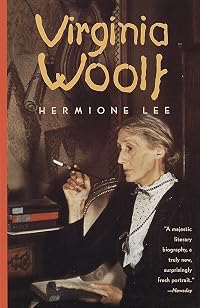
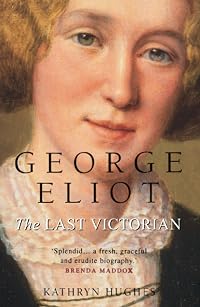
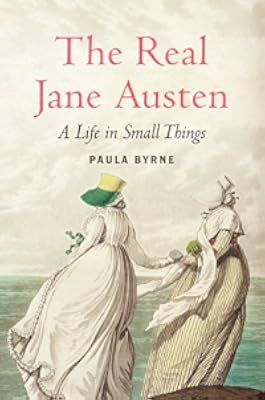

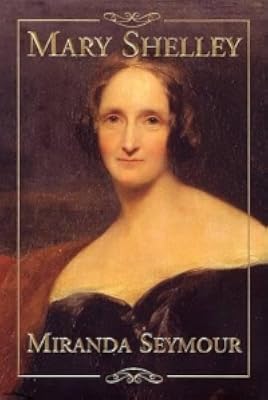







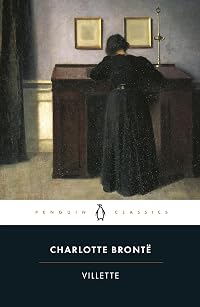

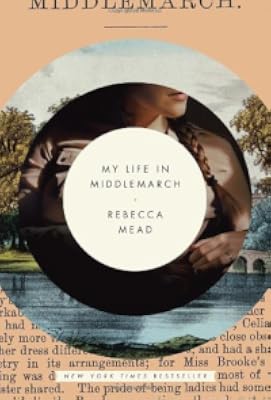
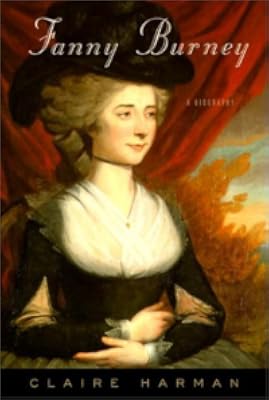

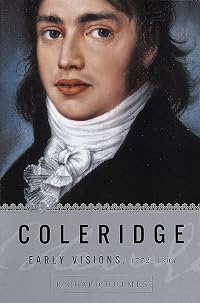

Member Recommendations
Member Reviews
The blurb on the back cover praises [The Bronte Myth] as "a brilliant combination of biography, literary criticism, and history." I suppose, but I was expecting it to be a bit more engaging. Most of the book is about Charlotte Bronte, and I studied her at uni, so a lot of it was a repeat for me. Also, there was almost nothing about Ann. Overall though, throughout the book there was enough of interest to keep me reading.
One thing that stood out for me was that Miller never presents her thesis on what she thinks the "Bronte Myth" actually is . . . there is just this sentence in the "Preface & Acknowledgements" section that says "...the two most famous Bronte novels have become established not just as literary classics but as what might show more be called modern myths . . . " and then rambles off in several directions. (Someone needs to tell the author that the preface & acknowledgement section is often skipped.) So it's up to the reader to identify the Bronte Myth, or as the book progressed, many different myths.
This book is a must-read for Bronte scholars and anyone studying the Brontes at school. For mere Bronte fans, there's a lot of academic minutia to wade through to get to the interesting bits. At this point in my life I give this 3 stars. If I was using it for university, especially if I was interested in the cultural repercussions of the Brontes, I would rate it higher. show less
One thing that stood out for me was that Miller never presents her thesis on what she thinks the "Bronte Myth" actually is . . . there is just this sentence in the "Preface & Acknowledgements" section that says "...the two most famous Bronte novels have become established not just as literary classics but as what might show more be called modern myths . . . " and then rambles off in several directions. (Someone needs to tell the author that the preface & acknowledgement section is often skipped.) So it's up to the reader to identify the Bronte Myth, or as the book progressed, many different myths.
This book is a must-read for Bronte scholars and anyone studying the Brontes at school. For mere Bronte fans, there's a lot of academic minutia to wade through to get to the interesting bits. At this point in my life I give this 3 stars. If I was using it for university, especially if I was interested in the cultural repercussions of the Brontes, I would rate it higher. show less
It is very hard to find new information about the Bronte sisters, everything that can already be said about them has. For years they have been labeled as feminists, or sad lonely spinsters, and there works have been deconstructed and over analyzed until you just become sick of hearing about them. I never do, of course, ever since I read Jane Eyre as a girl I have been intrigued by the brilliant voice that could create such interesting and lovable characters like Jane and Mr. Rochester. I personally love reading books about the Brontes, I think it is facinating reading how others interpret them, their work, and their relationships with each other and their father and brother. They do create the perfect gothic picture of a tragic family, show more alone on the moors, the mother dead, two older sisters also gone, and eccentric father and tragic older brother. It isn't hard to imagine why they have become such a myth and a force of fiction. Lucasta Miller does an excellent job trying to piece together their lives and deconstruct the forces behind their works. I enjoyed reading her theories and I loved how she mixed a bit of biography, myth and intrepretation of their novels all into one very enjoyable read. She did spend most of the novel discussing Charlotte, but I thought that she did the best job she could trying to include Emily and Anne with what little information is available on them. Emily will always be such a recluse, unobtaniable figure in literary history. I would recommend this book to anyone looking for a little more information about the Brontes and how they affected writers and other novels since. show less
This is a fascinating book that dispels myths about the Bronte sisters spread primarily by Charlotte's biographer Elizabeth Gaskell. Attempts to fill in the blanks of Emily's life led to her representation as the "spiritual" Bronte, also a myth. Charlotte herself, sadly, was complicit in creating myths about her sisters, mainly to defend them against their critics. Both Emily and Anne's books were considered "coarse" and "immoral," and Charlotte represented her sisters as being ignorant of what they were doing.
The only disappointment of this book is that sister Anne remains in the shadows. Miller covers Charlotte extensively, mainly because much more information is available about her. Emily gets a few of her own chapters, but we still show more know nothing about Anne except from what we can glean from her writing. show less
The only disappointment of this book is that sister Anne remains in the shadows. Miller covers Charlotte extensively, mainly because much more information is available about her. Emily gets a few of her own chapters, but we still show more know nothing about Anne except from what we can glean from her writing. show less
This is a fascinating book that dispels myths about the Bronte sisters spread primarily by Charlotte's biographer Elizabeth Gaskell. Attempts to fill in the blanks of Emily's life led to her representation as the "spiritual" Bronte, also a myth. Charlotte herself, sadly, was complicit in creating myths about her sisters, mainly to defend them against their critics. Both Emily and Anne's books were considered "coarse" and "immoral," and Charlotte represented her sisters as being ignorant of what they were doing.
The only disappointment of this book is that sister Anne remains in the shadows. Miller covers Charlotte extensively, mainly because much more information is available about her. Emily gets a few of her own chapters, but we still show more know nothing about Anne except from what we can glean from her writing. show less
The only disappointment of this book is that sister Anne remains in the shadows. Miller covers Charlotte extensively, mainly because much more information is available about her. Emily gets a few of her own chapters, but we still show more know nothing about Anne except from what we can glean from her writing. show less
From the very beginning I was intrigued about this book; Much like how the Bronte sisters themselves invited an aura of intrigue from the moment they emerged on the literary scene. When they first began writing they, like any other authors out there, wanted desperately to be taken seriously. In an era where women couldn't so much as travel alone the three sisters took on androgynous pseudonymsto in an attempt to hide their gender. Only these pseudonyms attracted too much attention once the sisters started to publish. The more they tried to hide their identities the more reviewers, critics, and the general public started to speculate on who they really were, not as authors, but as members of their society. Following the speculation came show more accusations and wild rumors -created to fill in the gaps of each sister's true personality. Lucasta Miller attempts to unravel the mystery and kill the myths that surrounds the Bronte women. While Miller does an extremely thorough job I found the reading to be both dense and dry as a result. show less
A rather dry feminist-historical account of the lives and "afterlives" of the Brontes. Miller recounts the siblings' break into publication under male pseudonyms and the public's flurry to learn more about the authors of these passionate novels. Once their gender and reclusive lives were revealed, even more speculation followed. Was Bramwell the inspiration for Heathcliffe, and what was his relationship with Emily really like? Was Charlotte a sainted daughter for devoting so many years to caring for ill siblings and a demanding father? Was she really like Jane Eyre, and if so, who was the great love that inspired Rochester? Was Emily a "mystic" of sorts--one with a death wish? A lot of familiar territory and a bit of the unfamiliar are show more covered here, and it may be of interest to Bronte fans who want to know more about the reception of the novels and perceptions of their authors. show less
Members
- Recently Added By
Lists

Bibliography for How to be a Heroine
148 works; 12 members

In Our Time books
4,934 works; 2 members
Author Information

6+ Works 688 Members
Common Knowledge
- Canonical title
- The Brontë Myth; The Brontë Myth
- Original publication date
- 2004-01-13
- People/Characters
- Anne Brontë; Branwell Brontë; Charlotte Brontë; Emily Brontë; Patrick Brontë
- Important places
- Haworth, Yorkshire, England, UK; Yorkshire, England, UK
- First words
- If the twenty-year-old Charlotte Bronte had been told that she would one day be a household name, that her picture hang in a future National Portrait Gallery, and that pilgrims would travel to Haworth on her account from as f... (show all)ar away as Japan, she would have been delighted but not altogether surprised. -Chapter 1, To Be For Ever Known
- Original language
- English
- Canonical DDC/MDS
- 823.809
- Canonical LCC
- PR4168
Classifications
Statistics
- Members
- 427
- Popularity
- 72,015
- Reviews
- 7
- Rating
- (3.95)
- Languages
- English
- Media
- Paper, Ebook
- ISBNs
- 6
- ASINs
- 4