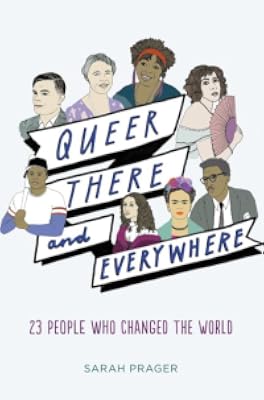
Queer, There, and Everywhere: 23 People Who Changed the World
by Sarah Prager
On This Page
Description
A New York Public Library Best Book of 2017 * A Chicago Public Library Best of the Best Book for Teens 2017This first-ever LGBTQ history book of its kind for young adults will appeal to fans of fun, empowering pop-culture books like Rad American Women A-Z and Notorious RBG. Three starred reviews!
World history has been made by countless lesbian, gay, bisexual, transgender, and queer individuals—and you've never heard of many of them.
Queer author and activist Sarah Prager delves deep into show more the lives of 23 people who fought, created, and loved on their own terms. From high-profile figures like Abraham Lincoln and Eleanor Roosevelt to the trailblazing gender-ambiguous Queen of Sweden and a bisexual blues singer who didn't make it into your history books, these astonishing true stories uncover a rich queer heritage that encompasses every culture, in every era.
By turns hilarious and inspiring, the beautifully illustrated Queer, There, and Everywhere is for anyone who wants the real story of the queer rights movement.
A Junior Library Guild Selection
. show less
Tags
Recommendations


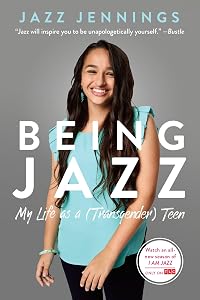
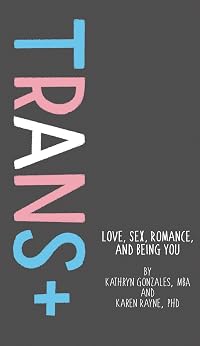
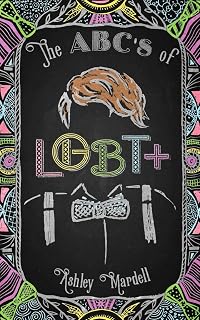
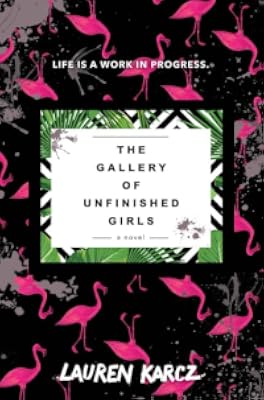
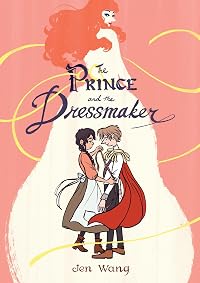
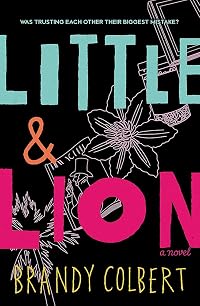
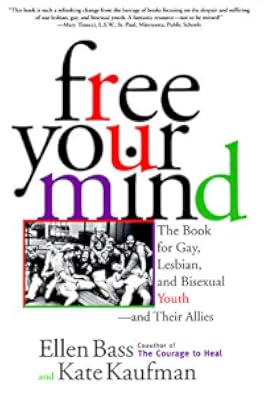
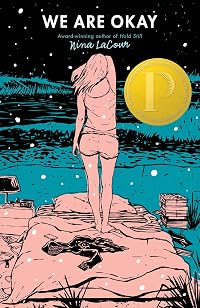
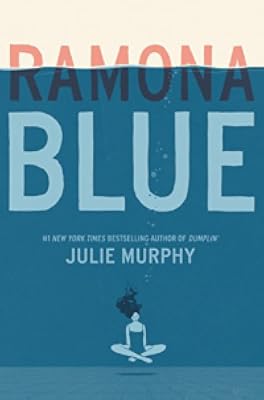
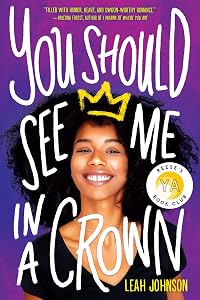
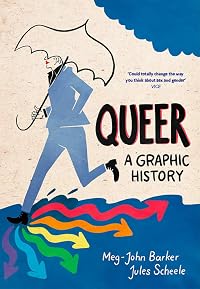
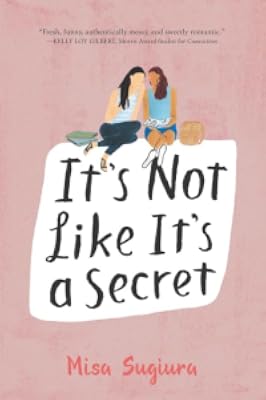


Member Reviews
Perhaps the greatest value of Sarah Prager's book "Queer There and Everywhere: 23 People Who Changed the World" is that a reader should come away with the idea that a person of accomplishment can be a member of the LGBTQ community without diminishing that person's accomplishments. If for no other reason than this, I recommend the book.
This book first came to my attention when my state senator addressed my county's board of supervisors, claiming the book to be "blatant revisionist history" and calling for the book to be removed from our county public library. (Fewer things move a book onto the top of my "to be read" pile faster than a call for the book to be removed from the library or banned.) The senator pointed out that inclusion of show more Joan of Arc, Abraham Lincoln, and Eleanor Roosevelt. Something that the senator did not point out is that Prager cites multiple references that support her points for everyone she included in the book. I suggest that if there was any revising of history by this book, it was only to expand the limited view of history by those who would call for the book's removal.
For each person included in the book, Prager cites something about them that highlights their contribution to the world, in addition to providing information which indicates or substantiates their also being in the LGBTQ community. The author does this without getting bogged down in unnecessary details and keeps the section on each person to a few pages. This makes the book an easy read, and Prager's occasional snarky interjections add a bit of comic relief along the way, show less
This book first came to my attention when my state senator addressed my county's board of supervisors, claiming the book to be "blatant revisionist history" and calling for the book to be removed from our county public library. (Fewer things move a book onto the top of my "to be read" pile faster than a call for the book to be removed from the library or banned.) The senator pointed out that inclusion of show more Joan of Arc, Abraham Lincoln, and Eleanor Roosevelt. Something that the senator did not point out is that Prager cites multiple references that support her points for everyone she included in the book. I suggest that if there was any revising of history by this book, it was only to expand the limited view of history by those who would call for the book's removal.
For each person included in the book, Prager cites something about them that highlights their contribution to the world, in addition to providing information which indicates or substantiates their also being in the LGBTQ community. The author does this without getting bogged down in unnecessary details and keeps the section on each person to a few pages. This makes the book an easy read, and Prager's occasional snarky interjections add a bit of comic relief along the way, show less
I am a fan of reading the inside front flaps of books. Sometimes I'll be enticed to read a book after perusing the back cover, but I have found that the back covers usually presents a synopsis rather than a selling point, a hook, if you will. Sarah Prager's final line of her inside flap write-up reads, "not only have queer people always existed, they have thrived." After reading this and immediately thinking, "right?!," I knew this would be a book worth reading.
I will admit that the "23 People Who Changed the World" portion of the title perturbed me for a moment. Why couldn't Prager slim it down to an even 20, or find two more extraordinary figures (who I know exist/existed) to make it a nice 25?. And then I got it...23...the 23rd pair show more of chromosomes...that's what determines a person's gender. I mean, talk about clever! The juxtaposition of the biological determination of our gender intertwined with the same number of people's amazing stories about how they would or would not conform with their "assigned" 23rd chromosome, this was surely a sign of some good writing to come!
Prager compiled a set of collective biographies of 23 people who, in their own unique ways like their own unique selves, paved the way for queer people from all perspectives. The book tells the queer stories of so many different kinds of people, like a Roman emperor, a Mexican nun, our own President Lincoln, pioneers in gender reassignment surgeries, athletes, artists, a Holocaust survivor, and even a NYC friar and victim of 9/11. The possibility that anyone could ever try to label these astonishing activists into one category baffles me. They are/were their own individual personalities with their own individual identities and have each played a significant role in the long-overdue justice to all people who may not fit into societal "norms."
Prager's writing style is simple, deliberate, heart-wrenching at times, and sometimes even a little quirky. She throws in her own modern nuances now and again, which I assume helps to gear this towards a young adult level book. When I first began reading, I thought it would be suitable for middle and high school level readers, but as I continued, I decided that middle school readers may not be ready for this. Not because of the subject matter, but simply because of the sometimes disturbing incidents that some of these people had to endure. I would still highly recommend this book to live on bookshelves everywhere. It is not a difficult read because each person's story is so different and each chapter is only a few pages long. Wonderfully-written book by an author who knows how to give the reader just enough details to inform, and then maybe even want join in the next march! show less
I will admit that the "23 People Who Changed the World" portion of the title perturbed me for a moment. Why couldn't Prager slim it down to an even 20, or find two more extraordinary figures (who I know exist/existed) to make it a nice 25?. And then I got it...23...the 23rd pair show more of chromosomes...that's what determines a person's gender. I mean, talk about clever! The juxtaposition of the biological determination of our gender intertwined with the same number of people's amazing stories about how they would or would not conform with their "assigned" 23rd chromosome, this was surely a sign of some good writing to come!
Prager compiled a set of collective biographies of 23 people who, in their own unique ways like their own unique selves, paved the way for queer people from all perspectives. The book tells the queer stories of so many different kinds of people, like a Roman emperor, a Mexican nun, our own President Lincoln, pioneers in gender reassignment surgeries, athletes, artists, a Holocaust survivor, and even a NYC friar and victim of 9/11. The possibility that anyone could ever try to label these astonishing activists into one category baffles me. They are/were their own individual personalities with their own individual identities and have each played a significant role in the long-overdue justice to all people who may not fit into societal "norms."
Prager's writing style is simple, deliberate, heart-wrenching at times, and sometimes even a little quirky. She throws in her own modern nuances now and again, which I assume helps to gear this towards a young adult level book. When I first began reading, I thought it would be suitable for middle and high school level readers, but as I continued, I decided that middle school readers may not be ready for this. Not because of the subject matter, but simply because of the sometimes disturbing incidents that some of these people had to endure. I would still highly recommend this book to live on bookshelves everywhere. It is not a difficult read because each person's story is so different and each chapter is only a few pages long. Wonderfully-written book by an author who knows how to give the reader just enough details to inform, and then maybe even want join in the next march! show less
I wanted to like this a whole lot more than I did. I freely admit that I am not the target audience for this book, and I probably would have liked this better when I was a queer teen desperately searching for People Like Me, but some of the problems I have with the book would have bugged teen me, too.
First, the tone of the narrative is — bizarre. It’s like someone who is used to writing for children decided to write a YA book without changing their narrative style at all. Teen me hated being talked down to even more than adult me does, so I think that wouldn’t have worked for me. (There’s also a lot of cultural references that already feel forced and are going to be very “how do you do, fellow kids?” in about two years. This show more would probablly be fine in a blog or a magazine or an app, but it’s not great in a book.)
Second, this book is not exactly as advertised. It isn’t about queers of the world throughout history, as the introduction seems to suggest; it’s about mostly American queers, with some Europeans thrown in (plus Frida Kahlo). There’s not a single person from Africa, Asia, or Oceania discussed here, and that is an awful lot of the world to leave out. This book might have benefited from a narrower focus (just the US, since that is kind of where it ended up) or an expanded list of people. I don’t know if teen me would have noticed that, but adult me sure did.
All in all, this is a book that I’m giving three stars to because it’s something I desperately wanted once. But it left me wanting a far better book on queer history. show less
First, the tone of the narrative is — bizarre. It’s like someone who is used to writing for children decided to write a YA book without changing their narrative style at all. Teen me hated being talked down to even more than adult me does, so I think that wouldn’t have worked for me. (There’s also a lot of cultural references that already feel forced and are going to be very “how do you do, fellow kids?” in about two years. This show more would probablly be fine in a blog or a magazine or an app, but it’s not great in a book.)
Second, this book is not exactly as advertised. It isn’t about queers of the world throughout history, as the introduction seems to suggest; it’s about mostly American queers, with some Europeans thrown in (plus Frida Kahlo). There’s not a single person from Africa, Asia, or Oceania discussed here, and that is an awful lot of the world to leave out. This book might have benefited from a narrower focus (just the US, since that is kind of where it ended up) or an expanded list of people. I don’t know if teen me would have noticed that, but adult me sure did.
All in all, this is a book that I’m giving three stars to because it’s something I desperately wanted once. But it left me wanting a far better book on queer history. show less
ETA 3/20/17: After hearing from the author, I decided to give the book another go. And, having read it, I still think, in spite of some occasional adult language, this book feels more suited to an upper Middle Grade audience, rather than Young Adult. That being said, though, I think the information it presents is important, especially now. A couple of the entries felt, to me, like a bit of a reach, but the information presented could support the subjects' "queerness". I'm not the intended audience for this book and most of the information presented was already familiar to me, but I think this would be an excellent addition to the shelves of classroom and school library shelves everywhere.
I like the idea of this book and read a couple of show more the entries before I settled in to start reading from the start. Aaannnd...I couldn't get past the introduction and the author's use of "American Indians". Admittedly, this is an ARC, so this may be corrected in the finished product, but the use of it at all was disappointing. Also disappointing? The deliberate us of GLBT rather than the more common LGBTQ(IA). The author's preferred usage, whether intentional or not, prioritizes men and erases the Queer individuals the book purports to be celebrating. Others may not be bothered by these things and may think I'm overreacting and that's legitimate. I'm only saying that these possibly minor things bothered me enough to keep me from finishing.
As for the parts I actually read, for a book being marketed as Young Adult, it definitely read as more Middle Grade. A book like this marketed to the Middle Grade audience would be a great thing, so I'd love to see the marketing for this re-directed. show less
I like the idea of this book and read a couple of show more the entries before I settled in to start reading from the start. Aaannnd...I couldn't get past the introduction and the author's use of "American Indians". Admittedly, this is an ARC, so this may be corrected in the finished product, but the use of it at all was disappointing. Also disappointing? The deliberate us of GLBT rather than the more common LGBTQ(IA). The author's preferred usage, whether intentional or not, prioritizes men and erases the Queer individuals the book purports to be celebrating. Others may not be bothered by these things and may think I'm overreacting and that's legitimate. I'm only saying that these possibly minor things bothered me enough to keep me from finishing.
As for the parts I actually read, for a book being marketed as Young Adult, it definitely read as more Middle Grade. A book like this marketed to the Middle Grade audience would be a great thing, so I'd love to see the marketing for this re-directed. show less
Solid for a children's/young adult book, but given the title, I would have loved to see more "world", as in more countries and regions represented.
Almost didn't make it through this book. The intention (to show that "queer"—lesbian, gay, bisexual, transgender, etc.—people have always been an important part of our history) is admirable. Yet the author (this is Prager's first book) tries too hard to make her point. If a rumor helps her case, she shares it (confirmation bias). Further, the conversational tone may appeal to teens, which is fine, but it was too informal for me to take the book as seriously as I might have otherwise. (Certain words, phrases, and cultural references will also make it feel outdated in a few years.) And while I champion people identifying with whatever gender they feel is right for them, I do not see the benefit, for example, in making it seem like show more orgies and sleeping around are good things. The biggest problem I faced is that the book is not backed by solid research. Based on that alone, I would not add this to a high school collection. (There is a bibliography in the back, but I didn't feel the sources were balanced enough to present an objective view.) Sadly, this felt more like a book condoning sex with anyone and everyone rather than showcasing the lasting legacy and real accomplishments of some of her subjects.
However, the section on Josef Kohout, sentenced to a Nazi concentration camp for the crime of homosexuality, was enlightening. I wish there had been more eye-opening stories such as his. I would also have liked to have read more about lesser-known heroes such as Jose Sarria, who worked nonviolently (and often in humorous ways) to change the system. And giving pep talks after his drag queen performances to let people know it was okay to be gay? That's a "small," behind-the-scenes look at real people making a real difference. For me, inspirational stories like that rang much truer than speculations about the sexual or gender identity of famous people.
Notes I jotted as I read: 1) Every chapter began with "tl;dr." Turns out that means "too long; didn't read," so the author sums up each person with sentences such as "magnetic writer sleeps her way through Old Hollywood's A-list." First, why is sleeping your way through a career a good thing? Second, from what I've been able to find out, "tl;dr" is a derogatory term either about someone who posts something too long to read or not worth reading. It can also mean "too lazy; didn't read." For this reader at least, the author's gimmick backfired. 2) Joan of Arc is described as "a cross-dressing teenager." Seriously? A dress would be impractical in battle. (Please read Mark Twain's masterful Joan of Arc instead.) 3) I understand using "they" (gender-neutral) but it was a bumpy read with sentences like "Kristina slowed their horse . . . as they approached the Swedish border." 4) Where is the RESEARCH? (e.g., "History doesn't reveal what may have happened"—so the author simply guesses or assumes?) 5) Please do not imply that Abraham Lincoln was gay just because he had a close relationship with a man or because his marriage to Mary Todd was rocky. There is no evidence supporting this claim and most scholars agree that it was highly unlikely. Prager cites "sources" such as the wife of the assistant secretary of the Navy who "kept a diary of all the hot DC gossip and confided in one entry: 'There is a Bucktail solider here devoted to the president, drives with him, and when Mrs. L. is not home, sleeps with him.'" Speculation based on gossip undermines the credibility of the entire book. 6) Aside from the recent and well-done movie about Einar Wegener, this story sounds more like he/she could have been diagnosed as suffering from schizophrenia. It could have been a powerful piece in the book if written differently. 7) Frida Kahlo's distinguishing characteristic is having "the world's most famous unibrow." What? 8) Do we need to refer to male genitalia as a boy exposing himself and "holding his junk"? 9) The "international daisy chain" tries "to connect one person to another through everyone they've slept with." This is a message we want to send young adults? Why? 10) "Mercedes thought it was ridiculous to end a marriage over something as silly as sleeping with other people." Again, what message are we sending our children? 11) It's difficult to take the author's words about Eleanor Roosevelt at face value when she takes such liberties as reading the former first lady's mind and stating that during her husband's inauguration, "she sat numbly behind her husband as he droned on, captivating all one hundred thousand people in the audience—everyone except her." 11) It's "fewer than" three weeks, not "less than"—nitpicking, but incorrect grammar drives me crazy. 12) Explain the acronym STEM for those not in the field of education—nitpicking again, but I am in the field of education.
For all its faults, this is not a bad first attempt at giving voice to those who have made significant historical contributions, but have been overlooked due to their sexual or gender identity. When the truth of some passages is in question, though, it's difficult to come back from that. show less
However, the section on Josef Kohout, sentenced to a Nazi concentration camp for the crime of homosexuality, was enlightening. I wish there had been more eye-opening stories such as his. I would also have liked to have read more about lesser-known heroes such as Jose Sarria, who worked nonviolently (and often in humorous ways) to change the system. And giving pep talks after his drag queen performances to let people know it was okay to be gay? That's a "small," behind-the-scenes look at real people making a real difference. For me, inspirational stories like that rang much truer than speculations about the sexual or gender identity of famous people.
Notes I jotted as I read: 1) Every chapter began with "tl;dr." Turns out that means "too long; didn't read," so the author sums up each person with sentences such as "magnetic writer sleeps her way through Old Hollywood's A-list." First, why is sleeping your way through a career a good thing? Second, from what I've been able to find out, "tl;dr" is a derogatory term either about someone who posts something too long to read or not worth reading. It can also mean "too lazy; didn't read." For this reader at least, the author's gimmick backfired. 2) Joan of Arc is described as "a cross-dressing teenager." Seriously? A dress would be impractical in battle. (Please read Mark Twain's masterful Joan of Arc instead.) 3) I understand using "they" (gender-neutral) but it was a bumpy read with sentences like "Kristina slowed their horse . . . as they approached the Swedish border." 4) Where is the RESEARCH? (e.g., "History doesn't reveal what may have happened"—so the author simply guesses or assumes?) 5) Please do not imply that Abraham Lincoln was gay just because he had a close relationship with a man or because his marriage to Mary Todd was rocky. There is no evidence supporting this claim and most scholars agree that it was highly unlikely. Prager cites "sources" such as the wife of the assistant secretary of the Navy who "kept a diary of all the hot DC gossip and confided in one entry: 'There is a Bucktail solider here devoted to the president, drives with him, and when Mrs. L. is not home, sleeps with him.'" Speculation based on gossip undermines the credibility of the entire book. 6) Aside from the recent and well-done movie about Einar Wegener, this story sounds more like he/she could have been diagnosed as suffering from schizophrenia. It could have been a powerful piece in the book if written differently. 7) Frida Kahlo's distinguishing characteristic is having "the world's most famous unibrow." What? 8) Do we need to refer to male genitalia as a boy exposing himself and "holding his junk"? 9) The "international daisy chain" tries "to connect one person to another through everyone they've slept with." This is a message we want to send young adults? Why? 10) "Mercedes thought it was ridiculous to end a marriage over something as silly as sleeping with other people." Again, what message are we sending our children? 11) It's difficult to take the author's words about Eleanor Roosevelt at face value when she takes such liberties as reading the former first lady's mind and stating that during her husband's inauguration, "she sat numbly behind her husband as he droned on, captivating all one hundred thousand people in the audience—everyone except her." 11) It's "fewer than" three weeks, not "less than"—nitpicking, but incorrect grammar drives me crazy. 12) Explain the acronym STEM for those not in the field of education—nitpicking again, but I am in the field of education.
For all its faults, this is not a bad first attempt at giving voice to those who have made significant historical contributions, but have been overlooked due to their sexual or gender identity. When the truth of some passages is in question, though, it's difficult to come back from that. show less
Loved the content of this book. I thought the writing was a little juvenile and I wanted to know more about the people she profiled, but overall I enjoyed it. 3.5 stars.
Members
- Recently Added By
Lists

Sexuality & Gender
160 works; 3 members

Youth: Sexuality & Gender
119 works; 1 member

Books recommended by Calgary Public Library staff
1,588 works; 4 members
Author Information

7 Works 574 Members
Awards and Honors
Awards
Distinctions
Classifications
- Genres
- LGBTQ+, Nonfiction, Teen
- DDC/MDS
- 306.766 — Society, government, & culture Social sciences, sociology & anthropology Social Behavior - Dating, Marriage, Divorce Sexual relations Sexual orientation, transgender identity, intersexuality Homosexuality
- LCC
- HQ73 .P73 — Social sciences The family. Marriage, Women and Sexuality The Family. Marriage. Women Sexual life
- BISAC
Statistics
- Members
- 358
- Popularity
- 88,225
- Reviews
- 11
- Rating
- (3.94)
- Languages
- English
- Media
- Paper, Ebook
- ISBNs
- 3
- ASINs
- 1