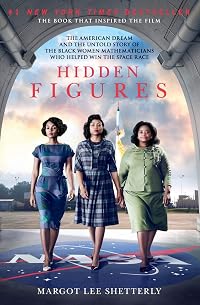
Hidden Figures: The American Dream and the Untold Story of the Black Women Mathematicians Who Helped Win the Space Race
by Margot Lee Shetterly
On This Page
Description
The phenomenal true story of the black female mathematicians at NASA whose calculations helped fuel some of America's greatest achievements in space. Soon to be a major motion picture starring Taraji P. Henson, Octavia Spencer, Janelle Monae, Kirsten Dunst, and Kevin Costner.Before John Glenn orbited the earth, or Neil Armstrong walked on the moon, a group of dedicated female mathematicians known as "human computers" used pencils, slide rules and adding machines to calculate the numbers show more that would launch rockets, and astronauts, into space.
Among these problem-solvers were a group of exceptionally talented African American women, some of the brightest minds of their generation. Originally relegated to teaching math in the South's segregated public schools, they were called into service during the labor shortages of World War II, when America's aeronautics industry was in dire need of anyone who had the right stuff. Suddenly, these overlooked math whizzes had a shot at jobs worthy of their skills, and they answered Uncle Sam's call, moving to Hampton, Virginia and the fascinating, high-energy world of the Langley Memorial Aeronautical Laboratory.
Even as Virginia's Jim Crow laws required them to be segregated from their white counterparts, the women of Langley's all-black "West Computing" group helped America achieve one of the things it desired most: a decisive victory over the Soviet Union in the Cold War, and complete domination of the heavens.
Starting in World War II and moving through to the Cold War, the Civil Rights Movement and the Space Race, Hidden Figures follows the interwoven accounts of Dorothy Vaughan, Mary Jackson, Katherine Johnson and Christine Darden, four African American women who participated in some of NASA's greatest successes. It chronicles their careers over nearly three decades they faced challenges, forged alliances and used their intellect to change their own lives, and their country's future.
. show less
Tags
Recommendations


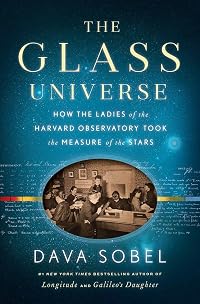
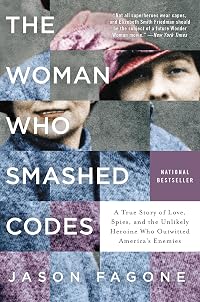
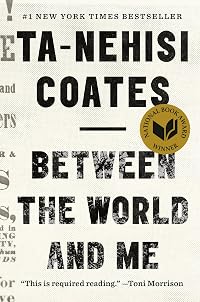

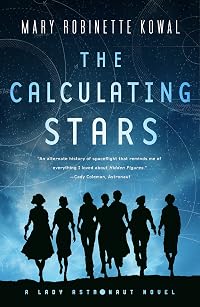


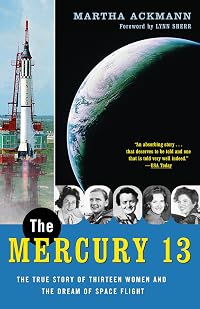
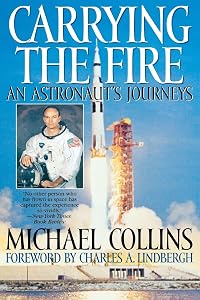
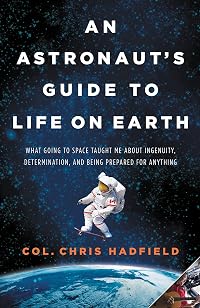
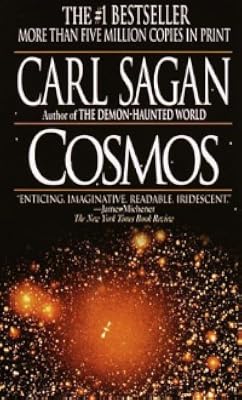


Member Recommendations
themulhern Similar stories about overlooked and discriminated against mathematicians and computers.
20
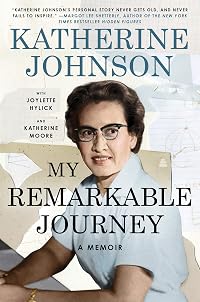
JenniferRobb My Remarkable Journey is Katherine Johnson's story in her own words while Hidden Figures tells the story from the perspective of several women including Katherine Johnson.
20
Member Reviews
Hidden Figures: The American Dream and the Untold Story of the Black Women Mathematicians Who Helped Win the Space Race by Margot Lee Shetterly is a glimpse into a history that never made it into the history books taught in any of my history classes. I kept thinking about how the victors write history and how that history always makes those victors the heroes while ignoring all other contributions. Shetterly examines the role of the "human computers" and particularly the black women "human computers" who were instrumental in the advancement of the United States's development of planes and eventually the space program. Shetterly writes about these mathematicians, their work, and and their lives with finesse and insight. Hidden Figures is show more an intense and beautifully written story that shatters multiple stereotypes while demonstrating the obstacles overcome as well as the opportunities embraced. Maybe someday history will truly reflect the contributions of those who are hidden behind the scenes doing the work that changes lives. Until then we need books like Hidden Figures to bring those stories to life and remind us all that our efforts have the power to contribute to the future we wish to build and that we achieve more when we work together. Hidden Figures is an inspiring, realistic portrayal of a history that is complicated and diverse but needs to be celebrated. show less
HIDDEN FIGURES was a compelling listen. I was swept into the early days of NASA and the lives of some of the Black women who labored diligently and mostly in the background to bring the United States into the space age.
Starting with World War II and the labor shortage that provided openings for bright Black women to work in the aerospace industry in Hampton, Virginia, and ending some forty years later, the accounts of the Black mathematicians who dealt with all the issues of segregation when they weren't at work was a story woven between the developments of flight and spaceflight and the gradual social changes of Black-White interactions.
I enjoyed the author's thoughts in both the Prologue and Epilogue that illuminates her journey to show more learn about the times and these extraordinary women who accomplishments were mainly hidden in the background of a burgeoning industry.
I was reminded over and over again that the adage of having to work twice as hard to get half as far was a reality for women of the time and even more so for Black women. show less
Starting with World War II and the labor shortage that provided openings for bright Black women to work in the aerospace industry in Hampton, Virginia, and ending some forty years later, the accounts of the Black mathematicians who dealt with all the issues of segregation when they weren't at work was a story woven between the developments of flight and spaceflight and the gradual social changes of Black-White interactions.
I enjoyed the author's thoughts in both the Prologue and Epilogue that illuminates her journey to show more learn about the times and these extraordinary women who accomplishments were mainly hidden in the background of a burgeoning industry.
I was reminded over and over again that the adage of having to work twice as hard to get half as far was a reality for women of the time and even more so for Black women. show less
HIDDEN FIGURES was a compelling listen. I was swept into the early days of NASA and the lives of some of the Black women who labored diligently and mostly in the background to bring the United States into the space age.
Starting with World War II and the labor shortage that provided openings for bright Black women to work in the aerospace industry in Hampton, Virginia, and ending some forty years later, the accounts of the Black mathematicians who dealt with all the issues of segregation when they weren't at work was a story woven between the developments of flight and spaceflight and the gradual social changes of Black-White interactions.
I enjoyed the author's thoughts in both the Prologue and Epilogue that illuminates her journey to show more learn about the times and these extraordinary women who accomplishments were mainly hidden in the background of a burgeoning industry.
I was reminded over and over again that the adage of having to work twice as hard to get half as far was a reality for women of the time and even more so for Black women. show less
Starting with World War II and the labor shortage that provided openings for bright Black women to work in the aerospace industry in Hampton, Virginia, and ending some forty years later, the accounts of the Black mathematicians who dealt with all the issues of segregation when they weren't at work was a story woven between the developments of flight and spaceflight and the gradual social changes of Black-White interactions.
I enjoyed the author's thoughts in both the Prologue and Epilogue that illuminates her journey to show more learn about the times and these extraordinary women who accomplishments were mainly hidden in the background of a burgeoning industry.
I was reminded over and over again that the adage of having to work twice as hard to get half as far was a reality for women of the time and even more so for Black women. show less
Margot Lee Shetterly’s Hidden Figures: The American Dream and the Untold Story of the Black Women Mathematicians Who Helped Win the Space Race traces the women who worked first at NACA, the National Advisory Committee for Aeronautics, that later became NASA. Their work helped develop the planes that won World War II and the rockets that won the Space Race. In addition to tracing their scientific work, Shetterly examines the women’s lives in detail, discussing the educational opportunities they pursued in order to become mathematicians and engineers. Shetterly uses her subjects’ education and work as a case-study for desegregation in education and federal offices.
Shetterly writes of postwar changes to federal offices, “Truman show more issued Executive Order 9980, sharpening the teeth of the wartime mandate that had helped bring West Area Computing into existence. The new law went further than the measure brought to life by A. Philip Randolph and President Roosevelt by making the heads of each federal department ‘personally responsible’ for maintaining a work environment free of discrimination on the basis of race, color, religion, or national origin” (pg. 104). Discussing the lines of segregation, Shetterly writes, “At Langley, the boundaries were fuzzier. Blacks were ghettoed into separate bathrooms, but they had also been given an unprecedented entrée into the professional world. Some of Goble’s colleagues were Yankees or foreigners who’d never so much as met a black person before arriving at Langley. Others were folks from the Deep South with calcified attitudes about racial mixing. It was all a part of the racial relations laboratory that was Langley, and it meant that both blacks and whites were treading new ground together” (pg. 123). Shetterly points out that Southern segregation limited options for both poor whites and African-Americans. She writes, “Throughout the South, municipalities maintained two parallel inefficient school systems, which gave the short end of the stick to the poorest whites as well as blacks. The cruelty of racial prejudice was so often accompanied by absurdity, a tangle of arbitrary rules and distinctions that subverted the shared interests of people who had been taught to see themselves as irreconcilably different” (pg. 145). Further, “As fantastical as America’s space ambitions might have seemed, sending a man into space was starting to feel like a straightforward task compared to putting black and white students together in the same Virginia classrooms” (pg. 185). In this way, “Virginia, a state with one of the highest concentrations of scientific talent in the world, led the nation in denying education to its youth” (pg. 204).
Shetterly brilliantly juxtaposes both the promise of American ingenuity and the cultural place of the space race against the reality of Jim Crow and racial violence. All those looking to reconcile the paradox of America must read this book. This Easton Press edition is gorgeously leather-bound with gilt page edges and signed by the author. It makes a lovely gift for recent college or university graduates studying history. show less
Shetterly writes of postwar changes to federal offices, “Truman show more issued Executive Order 9980, sharpening the teeth of the wartime mandate that had helped bring West Area Computing into existence. The new law went further than the measure brought to life by A. Philip Randolph and President Roosevelt by making the heads of each federal department ‘personally responsible’ for maintaining a work environment free of discrimination on the basis of race, color, religion, or national origin” (pg. 104). Discussing the lines of segregation, Shetterly writes, “At Langley, the boundaries were fuzzier. Blacks were ghettoed into separate bathrooms, but they had also been given an unprecedented entrée into the professional world. Some of Goble’s colleagues were Yankees or foreigners who’d never so much as met a black person before arriving at Langley. Others were folks from the Deep South with calcified attitudes about racial mixing. It was all a part of the racial relations laboratory that was Langley, and it meant that both blacks and whites were treading new ground together” (pg. 123). Shetterly points out that Southern segregation limited options for both poor whites and African-Americans. She writes, “Throughout the South, municipalities maintained two parallel inefficient school systems, which gave the short end of the stick to the poorest whites as well as blacks. The cruelty of racial prejudice was so often accompanied by absurdity, a tangle of arbitrary rules and distinctions that subverted the shared interests of people who had been taught to see themselves as irreconcilably different” (pg. 145). Further, “As fantastical as America’s space ambitions might have seemed, sending a man into space was starting to feel like a straightforward task compared to putting black and white students together in the same Virginia classrooms” (pg. 185). In this way, “Virginia, a state with one of the highest concentrations of scientific talent in the world, led the nation in denying education to its youth” (pg. 204).
Shetterly brilliantly juxtaposes both the promise of American ingenuity and the cultural place of the space race against the reality of Jim Crow and racial violence. All those looking to reconcile the paradox of America must read this book. This Easton Press edition is gorgeously leather-bound with gilt page edges and signed by the author. It makes a lovely gift for recent college or university graduates studying history. show less
Although the story of the black women mathematicians who helped win the space race has been left untold for far too long, the fact of it being told at all is a heartening one. Shettlerly is the ideal author to tell their story, too, having grown up in the town where it all happened. Her passion for the story leapt off the page and filled this reader with admiration as well. I am in awe of their strength and determination in the face of deeply entrenched, systemic discrimination. The only thing that could have made this book better was photos, particularly the group photo that Shetterly refers to in either the epilogue or one of the final chapters. Nevertheless, this is a very good read that is recommended for those who like to read show more about awesome women or the space program. show less
There's a cottage industry for books about female trailblazers. Although, now that white dudes have started to infiltrate it (Fly Girls), it probably has run its course. Hidden Figures was one of the first, and it's one of the best. Shetterly's emphasis on the intersections of racism and sexism especially resonates because we still have many of the same deep inequalities embedded in our society.
 This review was written for LibraryThing Early Reviewers.
4.5 stars
Years ago, while staying with friends, we were discussing a movie to watch one night, and they suggested we watch Hidden Figures, since that was a new one for me. I enjoyed the story and determined that I’d pick up the book whenever I had a chance to do so. That took a while, but I found the audiobook recently, and took the time to listen to it. What a good story!
As someone who was born at the tail-end of the 20th century, my knowledge from the 1950s on was rather scanty. I learned a few broad brush strokes of history while in school, but there’s nothing like learning the stories of people who lived through those times to really help it sink in. This book is the perfect combination of history and biography. I loved learning show more about these three women’s lives, and through their experiences, the broader story of the Civil Rights Movement, the Cold War, and the Space Race were given much more nuanced meanings.
I admit; there were parts of the book that I struggled with, to some extent. It is quite feministic, and there’s a certain amount of critical race theory mixed into the message. That took down the rating for me, which otherwise would easily have been a five-star read.
Overall, I enjoyed this story. Shetterly does an incredible job bringing us into these women’s lives. Though I may not agree with all their decisions, it’s easy to understand why they chose the paths they did. This book is an easy, gripping read—I had a hard time putting it down most of the time! That impressed me, especially because I often find nonfiction to be slower-going than fiction. If you enjoy history and are interested in learning more about some of the historical events I mentioned above, or just enjoy reading about space and the people who helped to get a man on the moon, I’d highly recommend you check this book out. show less
Years ago, while staying with friends, we were discussing a movie to watch one night, and they suggested we watch Hidden Figures, since that was a new one for me. I enjoyed the story and determined that I’d pick up the book whenever I had a chance to do so. That took a while, but I found the audiobook recently, and took the time to listen to it. What a good story!
As someone who was born at the tail-end of the 20th century, my knowledge from the 1950s on was rather scanty. I learned a few broad brush strokes of history while in school, but there’s nothing like learning the stories of people who lived through those times to really help it sink in. This book is the perfect combination of history and biography. I loved learning show more about these three women’s lives, and through their experiences, the broader story of the Civil Rights Movement, the Cold War, and the Space Race were given much more nuanced meanings.
I admit; there were parts of the book that I struggled with, to some extent. It is quite feministic, and there’s a certain amount of critical race theory mixed into the message. That took down the rating for me, which otherwise would easily have been a five-star read.
Overall, I enjoyed this story. Shetterly does an incredible job bringing us into these women’s lives. Though I may not agree with all their decisions, it’s easy to understand why they chose the paths they did. This book is an easy, gripping read—I had a hard time putting it down most of the time! That impressed me, especially because I often find nonfiction to be slower-going than fiction. If you enjoy history and are interested in learning more about some of the historical events I mentioned above, or just enjoy reading about space and the people who helped to get a man on the moon, I’d highly recommend you check this book out. show less
Members
- Recently Added By
Published Reviews
ThingScore 75
Ms. Shetterly happened upon the idea for the book six years ago, when she and her husband, Aran Shetterly, then living in Mexico, were visiting her parents here. The couple and Ms. Shetterly’s father were driving around in his minivan when he mentioned, very casually, that one of Ms. Shetterly’s former Sunday school teachers had worked as a mathematician at NASA, and that another woman she show more knew calculated rocket trajectories for famous astronauts.
Ms. Shetterly remembers her husband perking up and asking why he had never heard this tale before. “I knew women who worked at NASA as mathematicians and engineers,” Ms. Shetterly said, “but it took someone from the outside saying, ‘Wait a minute’ for me to see the story there.” show less
Ms. Shetterly remembers her husband perking up and asking why he had never heard this tale before. “I knew women who worked at NASA as mathematicians and engineers,” Ms. Shetterly said, “but it took someone from the outside saying, ‘Wait a minute’ for me to see the story there.” show less
added by rybie2
Lists

Black Authors
384 works; 32 members

Top Five Books of 2016
795 works; 228 members

2017 Notable Books for Adults
26 works; 5 members
Books Read in 2017
4,249 works; 130 members

HarperCollins Publishers
144 works; 3 members

Carole's List
445 works; 13 members

To Read
617 works; 7 members

HS Mathematics class library
79 works; 6 members

Books Read in 2018
4,360 works; 110 members

Female Author
1,235 works; 65 members

Books Read in 2023
5,547 works; 145 members

To be read
7 works; 1 member

Great Films Based on Books
319 works; 140 members

Club Read's Recommended Nonfiction Written by Women
618 works; 30 members

Books Read in 2024
4,623 works; 126 members

Biographies: Women
112 works; 1 member

el
1,139 works; 1 member
Author Information

10 Works 10,457 Members
Margot Lee Shetterly was born in Hampton, Virginia in 1969. She is a graduate of the University of Virginia's McIntire School of Commerce. After college she worked in investment banking for several years. Her other career moves have included working in the media industry for the website Volume .com, publishing an English language magazine, Inside show more Mexico; marketing consultant in the Mexican tourism industry; and writing. Hidden Figures is her first book, a New York Times Bestseller and was optioned for a feature film. (Bowker Author Biography) show less
Some Editions
Awards and Honors
Awards
Distinctions
Notable Lists
Work Relationships
Common Knowledge
- Original publication date
- 2016-09
- People/Characters
- Dorothy Vaughan; Mary Jackson; Katherine Johnson; Christine Darden; Miriam Mann
- Important places
- Hampton, Virginia, USA
- Important events
- Space Race; African-American Civil Rights Movement; World War II
- Related movies
- Hidden Figures (2017 | IMDb)
- Dedication
- To my parents, Margaret G. Lee and Robert B. Lee III, and to all of the women at the NACA and NASA who offered their shoulders to stand on.
- First words
- "Mrs. Land worked as a computer out at Langley," my father said, taking a right turn out of the parking lot of First Baptist Church in Hampton, Virginia.
- Quotations
- The astronauts, by background and by nature, resisted the computers and their ghostly intellects. In a test flight, a pilot staked his reputation and his life on his ability to exercise total, direct, and constant control ove... (show all)r the plane. A tiny error of judgment or a spec of delay in deciding on a course of action might mean the difference between safety and calamity. In a plane, at least, it was the pilot’s call; the “fly-by-wire” setup of the Mercury missions, here the craft and its controls were tethered via radio communications to the whirring electronic computers on the ground, pushed the hands-on astronauts out of their comfort zone. Every engineer and mathematician has a story of double-checking the machines’ data only to find errors. What if the computer lost power or seized up and stopped working during the flight? That too was something that happened often enough to give the entire team pause. The human computers crunching all of those numbers—now that the astronauts understood. The women mathematicians dominated there mechanical planes. The numbers went into the machines one at a time, came out one at a time, and were stored on a piece of paper for anyone to see. Most importantly, the figures flowed in and out of the mind of a real person, someone who could be reasoned with, questioned, challenged, looked in the eye if necessary. The process of arriving at a final result was tried and true, and completely transparent. Spaceship-flying computers might be the future, but it didn’t mean John Glenn had to trust them. He did, however, trust the brainy fellas who controlled the computers. And the brainy fellas who controlled the computers trusted their computer, Katherine Johnson. It was as simple as eighth-grade math: by the transitive property of equality, therefore John Glenn trusted Katherine Johnson. The message got through to John Mayer or Ted Skopinski, who relayed it to Al Hamer or Alton Mayo, who delivered it to the person it was intended for. Get the girl to check the numbers,” said the astronaut. If she says the numbers are good, he told them, I’m ready to go.
The results were what mattered, she told classrooms of students. Math was either right or wrong, and if you got it right, it didn’t matter what color you were. - Last words
- (Click to show. Warning: May contain spoilers.)The greatest part of her legacy—Christine Darden and the generation of younger women who were standing on the shoulders of the West Computers—was still in the office.
- Publisher's editor
- Daly, Trish; Kahan, Rachel
- Original language
- English US
Classifications
Statistics
- Members
- 5,747
- Popularity
- 2,269
- Reviews
- 227
- Rating
- (3.91)
- Languages
- 11 — Danish, Dutch, English, French, German, Hungarian, Italian, Polish, Spanish, Swedish, Portuguese (Portugal)
- Media
- Paper, Audiobook, Ebook
- ISBNs
- 56
- UPCs
- 2
- ASINs
- 15
