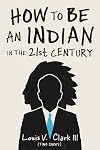
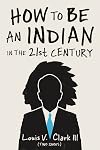
How to Be an Indian in the 21st Century
by Louis V. Clark (Two Shoes)
On This Page
Description
In deceptively simple prose and verse, Louis V."Two Shoes" Clark III shares his life story, from childhood on the Rez, through school and into the working world, and ultimately as an elder, grandfather, and published poet.Tags
Recommendations



Member Reviews
I did not realize this was a book of predominantly poetry so this was a reading experience outside my usual preference. But what a compelling book this is. This autobiography is told in poetry and prose, selecting some events but covering all the main hits of one's life. We see him go through school, love and marry, face racism in his job, become a published poet, and always grapple with his identity as a Native man.
The only part I didn't care for was the epilogue, essentially a list of platitudes substituting for philosophy. The book would have been so much stronger without it.
The only part I didn't care for was the epilogue, essentially a list of platitudes substituting for philosophy. The book would have been so much stronger without it.
 This review was written for LibraryThing Early Reviewers.
I'll be honest. I got this book as a review book, and if I had read closely enough and seen that this book contained poetry, I would not have chosen it. I am glad that I didn't read closely because I thoroughly enjoyed this book of poetry and prose, telling the story of being Native American in our modern world. While I enjoyed learning about the life of the author, this book made me do something that all good books do - think. I had not considered what it would be like in Clark's situation. There are no reservations near me and very few Indians, so my knowledge is scant. I now have much to think about and consider. An added bonus is that Clark's poetry really made me smile more than once. This book is thoroughly enjoyable, whether you show more like poetry or not. show less
This review was written for LibraryThing Early Reviewers.How to Be an Indian in the 21st Century is a poetry memoir written by Louis V. Clark III. Clark, who also goes by the name Two Shoes (as in Goody), is an Oneida Indian from Wisconsin. His book tells the story of his life and the poetry he wrote as he lived it. He began writing poetry when he was in sixth grade and he is quick to point out that a young Indian who writes poetry in elementary school is just naturally going to get beat up a lot.
Clark is a warmhearted storyteller, full of kindness and human understanding. As a child of an Oneida woman and a Polish man, he got it from both sides as a child. He was often in trouble either as a victim of bullies or for defending himself from bullies. There was violence at home, too. He wishes show more he knew his mother before she married, when she was hopeful and full of life. He knows his father wants to show how much love he has for him, but describes being held by his father and “counting your fingers / like a convict / Counts the bars / of his cell / Waiting for the time / my sentence would end.”
He falls in love and marries his childhood sweetheart and writes love poems. He writes about work, about the casual racism and thoughtless bigotry he encounters. When he scores highest in the civil service test, he’s told promotions are based on seniority. When he’s worked so long he has the most seniority and the top score, they decided to promote based on an interview, one that leaves him behind again. A coworker tells him if there were an accident, he would be “one dead Indian” and a supposed friend explains that he can’t be as friendly with him when they’re around white people. As he expressed it in a poem, “I seem to do all right they say when I know my place.” The majority of his poems are about his life, story poems for children, poems about his wife putting him on a diet, and poems about chasing his grandchildren around.
He wrote several poems about mascots, giving him a bit of renown and notoriety, depending on the audience. He also wrote poems about appropriation, of white women in braids, dancing “the boogaloo with feathers on my head. Your ancestors would say I’m honoring you, if only they weren’t dead.”
Clark’s story telling is interesting and full of humor and human empathy. The poems are varied, as though written by two different people. The more personal, familiar poems seem old-fashioned. They rhyme, they have a cadence Clark says comes from the drums that are part of his heritage. They are casual poems of ordinary things and have a naturalism that makes them feel simple, though rhyming is not as easy as he makes it look. They are not the most interesting poems.
He acknowledges that poems that don’t rhyme are more respected, but there’s not his thing. However, he does write poems that do not rhyme. Consider the lines about his father’s fingers. The thing is, when he’s not worried about rhyming, his imagery is so rich and alive. Think about that comparison of his father’s fingers to prison bars, a comparison with both visual and emotional truth. Or consider this, when he writes about a racist comment someone made at work, “There’s an aloneness, a feeling / of despair that creeps over me / like a shroud being sewn over / a corpse.”
I would have liked more of the latter poems and fewer of the familial poems. I also wish the editors would have persuaded Clark to drop the epilogue which is a collection of second-hand aphorisms and advice, stuff like “To get respect, give respect.” It’s the advice someone writes for their children, not for readers. It’s prosaic, unnecessary and banal. It drags down a good collection of poetry and enjoyable stories. Coming at the end compounds the error, leaving readers with writing that is unoriginal and banal compared to the rest of the book.
I received a copy of How to Be an Indian in the 21st Century from the publisher through Edelweiss.
https://tonstantweaderreviews.wordpress.com/2017/03/05/9780870208157/ show less
Clark is a warmhearted storyteller, full of kindness and human understanding. As a child of an Oneida woman and a Polish man, he got it from both sides as a child. He was often in trouble either as a victim of bullies or for defending himself from bullies. There was violence at home, too. He wishes show more he knew his mother before she married, when she was hopeful and full of life. He knows his father wants to show how much love he has for him, but describes being held by his father and “counting your fingers / like a convict / Counts the bars / of his cell / Waiting for the time / my sentence would end.”
He falls in love and marries his childhood sweetheart and writes love poems. He writes about work, about the casual racism and thoughtless bigotry he encounters. When he scores highest in the civil service test, he’s told promotions are based on seniority. When he’s worked so long he has the most seniority and the top score, they decided to promote based on an interview, one that leaves him behind again. A coworker tells him if there were an accident, he would be “one dead Indian” and a supposed friend explains that he can’t be as friendly with him when they’re around white people. As he expressed it in a poem, “I seem to do all right they say when I know my place.” The majority of his poems are about his life, story poems for children, poems about his wife putting him on a diet, and poems about chasing his grandchildren around.
He wrote several poems about mascots, giving him a bit of renown and notoriety, depending on the audience. He also wrote poems about appropriation, of white women in braids, dancing “the boogaloo with feathers on my head. Your ancestors would say I’m honoring you, if only they weren’t dead.”
Clark’s story telling is interesting and full of humor and human empathy. The poems are varied, as though written by two different people. The more personal, familiar poems seem old-fashioned. They rhyme, they have a cadence Clark says comes from the drums that are part of his heritage. They are casual poems of ordinary things and have a naturalism that makes them feel simple, though rhyming is not as easy as he makes it look. They are not the most interesting poems.
He acknowledges that poems that don’t rhyme are more respected, but there’s not his thing. However, he does write poems that do not rhyme. Consider the lines about his father’s fingers. The thing is, when he’s not worried about rhyming, his imagery is so rich and alive. Think about that comparison of his father’s fingers to prison bars, a comparison with both visual and emotional truth. Or consider this, when he writes about a racist comment someone made at work, “There’s an aloneness, a feeling / of despair that creeps over me / like a shroud being sewn over / a corpse.”
I would have liked more of the latter poems and fewer of the familial poems. I also wish the editors would have persuaded Clark to drop the epilogue which is a collection of second-hand aphorisms and advice, stuff like “To get respect, give respect.” It’s the advice someone writes for their children, not for readers. It’s prosaic, unnecessary and banal. It drags down a good collection of poetry and enjoyable stories. Coming at the end compounds the error, leaving readers with writing that is unoriginal and banal compared to the rest of the book.
I received a copy of How to Be an Indian in the 21st Century from the publisher through Edelweiss.
https://tonstantweaderreviews.wordpress.com/2017/03/05/9780870208157/ show less
This book is critical for outsiders looking to understand the Native American culture. Two Shoes (I will not use his White Man's name) talks not only of the cultural genocide committed against his people but, of the historical trauma, and the problems related to growing up with a Native American mother and a White father. Two Shoes has the soul of a poet and this shows not only in the narrative poems he writes but in his prose. A recommended read both for lovers of Native American history and lovers of poetry
This review was written for LibraryThing Early Reviewers.The book opens with an Oneida Thanksgiving Prayer, traditionally used before starting anything and modified as the occasion inspires, but with the same repetitive response.
Clark runs thru events in his life in this memoir via poems. His poems are more or less introduced with comments on what was happening in his life. From learning he was an Indian, to beatings received in grade school, meeting his wife, on-the-job racism, US history through a Native American's eyes, confronting stereotypes, teaching Little League Baseball, parenting, and getting recognized as a poet. Just about the point when I was thinking "why is he writing with such a puerile rhythm/rhyme when I'm so used to free verse" he explains how his poems develop through his show more heartbeat (p.54 referring to p.9, p.66). I wonder how my perception would change if I could hear him read these.
While most of the poems are not Great Literature, nor are many very introspective, this is a unique way of presenting your life which overall seems to work. We don't have many details but we do feel the pain of the child being teased, harassed, beaten again and again yet learning to get up & look forward. In "Paranoid" we can feel abashed as a supposed friend makes racist comments & tries to absolve himself with "but I don't mean you".
Some poems I especially liked were "One Dead Indian", perhaps the most introspective and without Clark's usually rhythm/rhyme, "Ain't That Something" which lists how Clark tried to live his values, "A Day With Grandpa", breaking all the rules of 'good' poetry but effective with its phrasing like a kid's beginning reader.
I received an Early Reviewers copy. show less
Clark runs thru events in his life in this memoir via poems. His poems are more or less introduced with comments on what was happening in his life. From learning he was an Indian, to beatings received in grade school, meeting his wife, on-the-job racism, US history through a Native American's eyes, confronting stereotypes, teaching Little League Baseball, parenting, and getting recognized as a poet. Just about the point when I was thinking "why is he writing with such a puerile rhythm/rhyme when I'm so used to free verse" he explains how his poems develop through his show more heartbeat (p.54 referring to p.9, p.66). I wonder how my perception would change if I could hear him read these.
While most of the poems are not Great Literature, nor are many very introspective, this is a unique way of presenting your life which overall seems to work. We don't have many details but we do feel the pain of the child being teased, harassed, beaten again and again yet learning to get up & look forward. In "Paranoid" we can feel abashed as a supposed friend makes racist comments & tries to absolve himself with "but I don't mean you".
Some poems I especially liked were "One Dead Indian", perhaps the most introspective and without Clark's usually rhythm/rhyme, "Ain't That Something" which lists how Clark tried to live his values, "A Day With Grandpa", breaking all the rules of 'good' poetry but effective with its phrasing like a kid's beginning reader.
I received an Early Reviewers copy. show less
This review was written for LibraryThing Early Reviewers.This book is the viewpoint of a contemporary Indian expressed through his poetry. Author Louis V. Clark III, aka Two Shoes, is a half-white, half Oneida who grew up on the reservation near Green Bay, Wisconsin and still lives in the area.
Seemingly a state highway worker by day, Clark advanced his education and developed his poetry at night. The soul of poetry is not rhymes and measure, but art of transmitting the poet’s thoughts and feelings through the written word. “How To Be An Indian In The 21st Century” possess that soul. The reader comes to appreciate Clark’s world view, his memories of his Catholic school, his resentment of his treatment by white society and his identity as an Indian of the 21st Century, but not the show more Indian of popular culure. Though “I didn’t have a pony, I only had a cat, My father didn’t wear a loincloth…I never smoked pipe, Or Burned someone at the stake” he was beaten up in first grade, discriminated on the job and would always be treated differently because of his race.
Introductions set the context for the poems. While some of them are a cry from a different culture, others are just plain entertaining stories that could arise in any neighborhood. I recommend the little boy’s fantasies depicted in “There’s a Dinosaur in My Room” and the comic mayhem of “There’s a Mouse in the House.”
This work may in turn pick at our conscience, broaden our mind, spark some irritation and get a few laughs. It is can be read quickly or savored slowly. Read it, set it aside and, when it calls to you, return to the poems that keep resurfacing in your mind.
I did receive a free copy of this book without the obligation to post a review. show less
Seemingly a state highway worker by day, Clark advanced his education and developed his poetry at night. The soul of poetry is not rhymes and measure, but art of transmitting the poet’s thoughts and feelings through the written word. “How To Be An Indian In The 21st Century” possess that soul. The reader comes to appreciate Clark’s world view, his memories of his Catholic school, his resentment of his treatment by white society and his identity as an Indian of the 21st Century, but not the show more Indian of popular culure. Though “I didn’t have a pony, I only had a cat, My father didn’t wear a loincloth…I never smoked pipe, Or Burned someone at the stake” he was beaten up in first grade, discriminated on the job and would always be treated differently because of his race.
Introductions set the context for the poems. While some of them are a cry from a different culture, others are just plain entertaining stories that could arise in any neighborhood. I recommend the little boy’s fantasies depicted in “There’s a Dinosaur in My Room” and the comic mayhem of “There’s a Mouse in the House.”
This work may in turn pick at our conscience, broaden our mind, spark some irritation and get a few laughs. It is can be read quickly or savored slowly. Read it, set it aside and, when it calls to you, return to the poems that keep resurfacing in your mind.
I did receive a free copy of this book without the obligation to post a review. show less
How to be an Indian in the 21st Century is a captivating combination of poetry and prose, joined together as the memoirs of Louis V. Clark. Clark is a Native American from northeastern Wisconsin, who, through his poems and short connecting parts of prose, tells of some of the significant parts of his life story, making astute cultural observations along the way, all of which are shaped from a life that sits on the crossroads of the white American and Native American worldviews. As a white American who has lived on a reservation for four years I both greatly enjoyed Clark's writing and appreciate the insights that he gives into the racial/cultural conflict in the United States.
This review was written for LibraryThing Early Reviewers.Members
- Recently Added By
Lists

Native American / Indigenous Literature
172 works; 100 members
Author Information
2 Works 63 Members
Common Knowledge
- Original publication date
- 2017
- Important places
- Oneida Reservation, Wisconsin, USA; Berlin, Wisconsin, USA
- Important events
- Battle of Wounded Knee
- Dedication
- to Debra Lee Grace (VanEnkevort) Clark
- First words
- My name is Louis Clark.
- Last words
- (Click to show. Warning: May contain spoilers.)It is all right to be alone.
Classifications
Statistics
- Members
- 49
- Popularity
- 614,820
- Reviews
- 15
- Rating
- (3.94)
- Languages
- English
- Media
- Paper, Ebook
- ISBNs
- 2
- ASINs
- 1