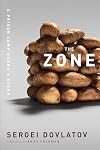
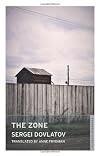
The Zone: A Prison Camp Guard's Story
by Sergei Dovlatov
On This Page
Description
"Written in Sergei Dovlatov's unique voice and unmatched style, The Zone is a satirical novelization of Dovlatov's time as a prison guard for the Soviet Army in the early 1960s. Snapshots of the prison are juxtaposed with the narrator's letters to Igor Markovich of Hermitage Press in which he urges Igor to publish the very book we're reading. As Igor receives portions of the prison camp manuscript, so too does the reader. Arguably Dovlatov's most significant work, The Zone illuminates the show more twisted absurdity of the life of a prison guard: "Almost any prisoner would have been suited to the role of a guard. Almost any guard deserved a prison term." Full of Dovlatov's trademark dark humor and dry wit, The Zone's narrator is an extension of his author, and the book fittingly begins with the following disclaimer: "The names, events, and dates given here are all real. I invented only those details that were not essential. Therefore, any resemblance between the characters in this book and living people is intentional and malicious. And all fictionalizing was unexpected and accidental." What follows is a complex novel that captures two sides of Dovlatov: the writer and the man"-- show lessTags
Recommendations
















Member Reviews
Instead of the usual disclaimer, Dovlatov wrote:
"The names, events, and dates given here are all real. I invented only those details that were not essential.
Therefore, any resemblance between the characters in this book and living people is intentional and malicious. And all the fictionalizing was unexpected and accidental."
In the sixties Dovlatov had dropped out of university and been drafted into the Soviet Internal Troops to work as a prison guard in high security camps. Unlike the camps for political prisoners that Aleksandr Solzhenitsyn wrote about, these camps are for criminals. They are so isolated and remote that the guards, as well as the criminals, are effectively serving a sentence. Distinctions between guards and prisoners show more break down.
The book is a series of first-person narrations by various guards, who appear in each other's stories from different perspectives. What they all have in common is a bleak and sardonic humour. Interspersed with the guard's narrations are letters written by the author to his New York publisher. The book is coming along in fits and starts as random sections are smuggled out from the USSR. The author's works have never been published there and have circulated in samizdat. Parts have been lost, and the author discusses with the publisher how he will manage the gaps. He talks about what he will include and what he will leave out, and his writing philosophy.
It took me a while to get into The Zone, but once I did I found it well worth the trouble. It's Dovlatov's world view that makes it fascinating. show less
"The names, events, and dates given here are all real. I invented only those details that were not essential.
Therefore, any resemblance between the characters in this book and living people is intentional and malicious. And all the fictionalizing was unexpected and accidental."
In the sixties Dovlatov had dropped out of university and been drafted into the Soviet Internal Troops to work as a prison guard in high security camps. Unlike the camps for political prisoners that Aleksandr Solzhenitsyn wrote about, these camps are for criminals. They are so isolated and remote that the guards, as well as the criminals, are effectively serving a sentence. Distinctions between guards and prisoners show more break down.
The book is a series of first-person narrations by various guards, who appear in each other's stories from different perspectives. What they all have in common is a bleak and sardonic humour. Interspersed with the guard's narrations are letters written by the author to his New York publisher. The book is coming along in fits and starts as random sections are smuggled out from the USSR. The author's works have never been published there and have circulated in samizdat. Parts have been lost, and the author discusses with the publisher how he will manage the gaps. He talks about what he will include and what he will leave out, and his writing philosophy.
It took me a while to get into The Zone, but once I did I found it well worth the trouble. It's Dovlatov's world view that makes it fascinating. show less
En total, se n’han perdut una dotzena de pàgines. I tot perquè la nostra literatura s’equipara a la dinamita. A mi em sembla que això és un gran honor per a nosaltres.
Curiós el cas de “La Zona” de Sergei Dovlatov. Curiós que un autor inèdit a l’estat espanyol s’estreni precisament en català (gràcies a labreu edicions). Curiós també el ressò que ha tingut aquest llibre dins de la catosfera. No sé si aquest ressò es correspondrà amb el nombre d’exemplars venuts o ha estat només un fenomen de culte, però el cert és que durant uns mesos tots els blocs literaris n’han parlat. Així que, fins i tot aquest bloc no estrictament literari, ha caigut en la temptació de llegir-lo.
Sergei Dovlatov, nascut a Ufa el show more 1941 i mort a l’exili novaiorquès (o més estrictament brooklinita) el 1990, descriu a “La Zona” les seves experiències com a vigilant d’un camp penitenciari durant el seu servei militar. El món de les presons i els camps de treball té una extensa tradició en la literatura russa i tanmateix el punt de vista de Dovlatov és del tot original. Malgrat que l’autor escriu des del costat dels carcellers, no fa distincions entre aquests i els reclusos: tots es troben sota el mateix àmbit d’influència, la presó com un microcosmos que reflecteix el mateix món que hi ha fora de les seves parets.
Tots els noms, els esdeveniments i les dates són autèntics. Només m’he inventat els detalls que no són rellevants. És per això que qualsevol semblança entre personatges d’aquest llibre i persones reals és malintencionada. I que tota invenció artística és imprevista i casual.
Aquest advertiment preliminar sembla indicar que el que segueix és poc més que el testimoni d’unes experiències viscudes sense cap elaboració per part de l’autor. Res més lluny de la realitat. El llibre s’estructura com una sèrie de fragments més o menys autònoms i desordenats, escrits amb frases curtes i descarnades, com fuetades (o glops de vodka, per utilitzar una metàfora cantada). Abunden les el·lipsis i els non sequitur, la brutalitat i els instints més elementals. No hi ha lloc pels sentiments elevats o les observacions morals: el narrador explica els fets nus, no interpreta. Però la selecció dels materials, el que es diu i el que no, no és de cap manera innocent.
Això queda clar amb les suposades cartes a l’editor que s’intercalen entre els fragments narratius. Aquí sí que l’autor discuteix perquè exposa uns fets i no uns altres i es permet treure algunes conclusions del seu pas per “la zona”. Les cartes donen la idea que el llibre està en plena gestació i es va conformant a mesura que l’anem llegint.
Hi ha encara un tercer nivell en el text. Se’ns explica que l’original del llibre quedà a la Unió Soviètica quan l’autor s’exilià l’any 1979. De forma esporàdica li van arribant fragments microfilmats que s’inclouen o no, es completen o no. Tot plegat estableix una mena de joc metaliterari que posa en entredit l’absoluta veracitat del que se’ns explica.
No estic segur d’haver quedat del tot convençut. Malgrat la seva perversa elaboració, predomina un to descurat (la traducció crec que hi afegeix un matís encara més estrany) i tot plegat fa pensar en una borratxera sense fi. Apropiat pels amics de la desesperació i d’aquest tot o res que és tan familiar a l’ànima russa. show less
Curiós el cas de “La Zona” de Sergei Dovlatov. Curiós que un autor inèdit a l’estat espanyol s’estreni precisament en català (gràcies a labreu edicions). Curiós també el ressò que ha tingut aquest llibre dins de la catosfera. No sé si aquest ressò es correspondrà amb el nombre d’exemplars venuts o ha estat només un fenomen de culte, però el cert és que durant uns mesos tots els blocs literaris n’han parlat. Així que, fins i tot aquest bloc no estrictament literari, ha caigut en la temptació de llegir-lo.
Sergei Dovlatov, nascut a Ufa el show more 1941 i mort a l’exili novaiorquès (o més estrictament brooklinita) el 1990, descriu a “La Zona” les seves experiències com a vigilant d’un camp penitenciari durant el seu servei militar. El món de les presons i els camps de treball té una extensa tradició en la literatura russa i tanmateix el punt de vista de Dovlatov és del tot original. Malgrat que l’autor escriu des del costat dels carcellers, no fa distincions entre aquests i els reclusos: tots es troben sota el mateix àmbit d’influència, la presó com un microcosmos que reflecteix el mateix món que hi ha fora de les seves parets.
Tots els noms, els esdeveniments i les dates són autèntics. Només m’he inventat els detalls que no són rellevants. És per això que qualsevol semblança entre personatges d’aquest llibre i persones reals és malintencionada. I que tota invenció artística és imprevista i casual.
Aquest advertiment preliminar sembla indicar que el que segueix és poc més que el testimoni d’unes experiències viscudes sense cap elaboració per part de l’autor. Res més lluny de la realitat. El llibre s’estructura com una sèrie de fragments més o menys autònoms i desordenats, escrits amb frases curtes i descarnades, com fuetades (o glops de vodka, per utilitzar una metàfora cantada). Abunden les el·lipsis i els non sequitur, la brutalitat i els instints més elementals. No hi ha lloc pels sentiments elevats o les observacions morals: el narrador explica els fets nus, no interpreta. Però la selecció dels materials, el que es diu i el que no, no és de cap manera innocent.
Això queda clar amb les suposades cartes a l’editor que s’intercalen entre els fragments narratius. Aquí sí que l’autor discuteix perquè exposa uns fets i no uns altres i es permet treure algunes conclusions del seu pas per “la zona”. Les cartes donen la idea que el llibre està en plena gestació i es va conformant a mesura que l’anem llegint.
Hi ha encara un tercer nivell en el text. Se’ns explica que l’original del llibre quedà a la Unió Soviètica quan l’autor s’exilià l’any 1979. De forma esporàdica li van arribant fragments microfilmats que s’inclouen o no, es completen o no. Tot plegat estableix una mena de joc metaliterari que posa en entredit l’absoluta veracitat del que se’ns explica.
No estic segur d’haver quedat del tot convençut. Malgrat la seva perversa elaboració, predomina un to descurat (la traducció crec que hi afegeix un matís encara més estrany) i tot plegat fa pensar en una borratxera sense fi. Apropiat pels amics de la desesperació i d’aquest tot o res que és tan familiar a l’ànima russa. show less
Sep 19, 2009Catalan
Ratings
Members
- Recently Added By
Author Information

145+ Works 1,483 Members
Dovlatov, who studied at Leningrad University, worked for a while as a journalist in Tallinn, Estonia. His fiction was unpublished in the Soviet Union, but he was active in unofficial literary life and was forced to leave in 1978 for publishing satirical fiction in Samizdat. After settling in the United States, he co-founded a Russian-language show more newspaper, worked as a broadcaster for Radio Liberty in New York City, and published both in major Russian emigre publications and in the U.S. press (he wrote short stories for The New Yorker). Among his books, known for their irreverent views of Soviet reality, are the autobiographical The Compromise (1981) and Ours (1983). When Dovlatov died, his works were being reissued and favorably received in Russia. (Bowker Author Biography) show less
Some Editions
Awards and Honors
Series
Belongs to Publisher Series
La intrusa (1)
Common Knowledge
Classifications
- Genres
- Fiction and Literature, General Fiction
- DDC/MDS
- 891.73 — Literature & rhetoric Asian Literature East Indo-European and Celtic literatures Russian and East Slavic languages Russian fiction
- LCC
- PG3479.6 .O85 .Z3913 — Language and Literature Slavic languages and literatures. Baltic languages. Albanian language Slavic. Baltic. Albanian Russian literature Individual authors and works 1961-2000
- BISAC
Statistics
- Members
- 155
- Popularity
- 210,624
- Reviews
- 3
- Rating
- (3.67)
- Languages
- 9 — Catalan, Dutch, English, Estonian, French, Hungarian, Italian, Russian, Spanish
- Media
- Paper, Ebook
- ISBNs
- 22
- ASINs
- 2