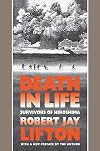
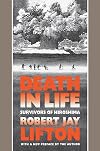
Death in Life: Survivors of Hiroshima
by Robert Jay Lifton
On This Page
Description
In Japan, ""hibakusha"" means ""the people affected by the explosion""--specifically, the explosion of the atomic bomb in Hiroshima in 1941. In this classic study, winner of the 1969 National Book Award in Science, Lifton studies the psychological effects of the bomb on 90,000 survivors. He sees this analysis as providing a last chance to understand--and be motivated to avoid--nuclear war. This compassionate treatment is a significant contribution to the atomic age.Tags
Recommendations








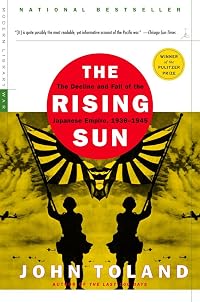

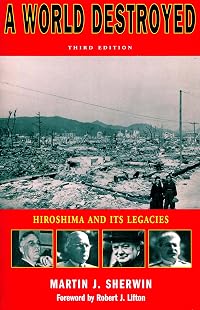










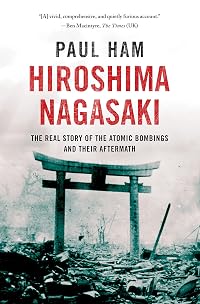

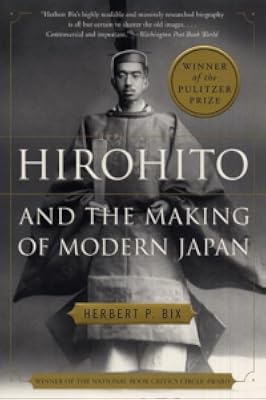





















Member Recommendations

bluepiano Jungk also writes of the Hiroshima survivors, as well as of the city's renewal, and he too conducted extensive research and many interviews. But whilst he like Lifton turns his attention to shifting attitudes to the hibakusha, the bureaucratic Japanese responses and the dangerously suppressive ones of the occupiers, the bulk of his book is about a few of the survivors: the mayor, the murderer, the self-sacrificing labourer.
Member Reviews
Members
- Recently Added By
Author Information

37+ Works 2,807 Members
A distinguished professor of psychology & psychiatry at John Jay College & the Graduate Center of the City University of New York, Robert Jay Lifton is the author of many important works, including "The Nazis Doctors," winner of the "Los Angeles Times" Book Prize, & "Death in Life," winner of a National Book Award. (Bowker Author Biography)
Awards and Honors
Awards
Distinctions
Common Knowledge
- Important places
- Hiroshima, Japan
- First words
- The Name of a City One heards the word and wants to know more, but one also wants to forget it. One has heard both too much and not enough about Hiroshima. For the city evokes our entire nuclear nightmare, and any stud... (show all)y of it must behind with this symbolic evocation.
Its literal meaning, "broad island," suggests little more than the city's relationship to rivers and to the sea. Does one care about the literal meaning of Carthage, Troy, Sparta, Ch'ang An, Lidice, or Coventry? What Hiroshima does convey to us - indeed press upon us - is the realization that it actually happened and the implication that it could happen again. The mythological metaphors usually employed to suggest this idea - then genie let out of the bottle or Pandora's box opened - do not seem adequate for the phenomenon. That of man threatened by his Frankenstein comes closer, but this more recent myth, though technologically based, humanizes and keeps finite its monster. We need new myths to grasp our relationship to the cool ahuman, completely technological deity which began its destruction reign with Hiroshima. -Chapter One - Canonical DDC/MDS
- 940.54
- Canonical LCC
- D767.H6
Classifications
Statistics
- Members
- 121
- Popularity
- 270,167
- Rating
- (4.00)
- Languages
- English
- Media
- Paper, Ebook
- ISBNs
- 9
- ASINs
- 7