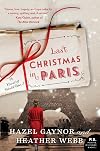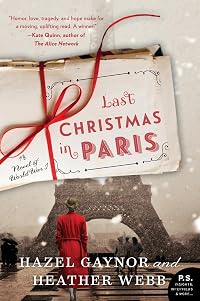
Last Christmas in Paris
by Hazel Gaynor, Heather Webb
On This Page
Description
"August 1914. England is at war. As Evie Elliott watches her brother, Will, and his best friend, Thomas Harding, depart for the front, she believes--as everyone does--that it will be over by Christmas, when the trio plan to celebrate the holiday among the romantic cafes of Paris. But as history tells us, it all happened so differently... Evie and Thomas experience a very different war. Frustrated by life as a privileged young lady, Evie longs to play a greater part in the conflict--but show more how?--and as Thomas struggles with the unimaginable realities of war he also faces personal battles back home where War Office regulations on press reporting cause trouble at his father's newspaper business. Through their letters, Evie and Thomas share their greatest hopes and fears--and grow ever fonder from afar. Can love flourish amid the horror of the First World War, or will fate intervene? Christmas 1968. With failing health, Thomas returns to Paris--a cherished packet of letters in hand--determined to lay to rest the ghosts of his past. But one final letter is waiting for him..."--Amazon.com. show lessTags
Recommendations

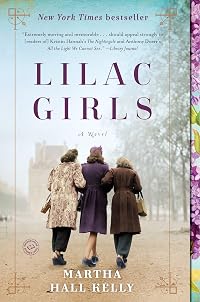
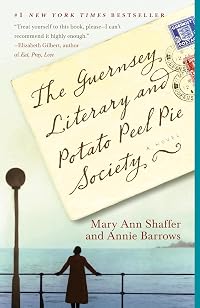
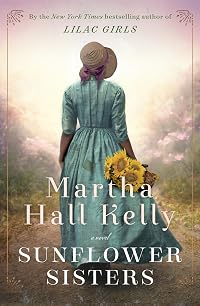
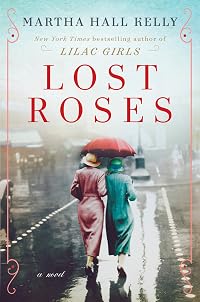
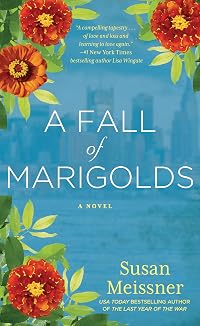
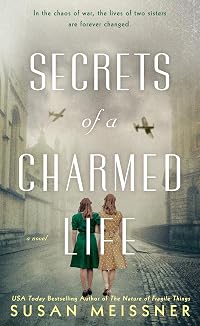
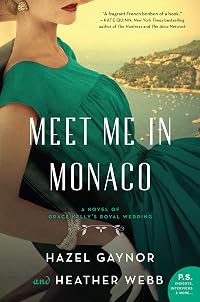
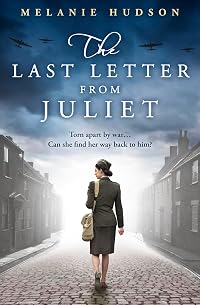

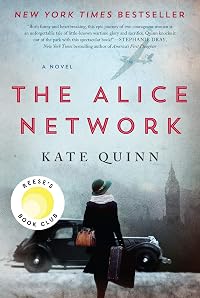
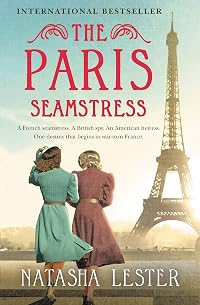
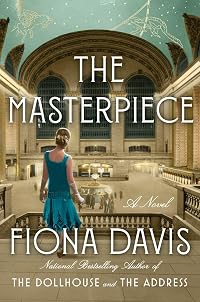

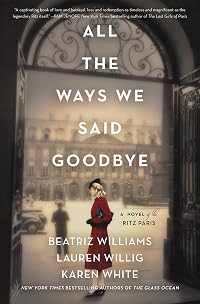
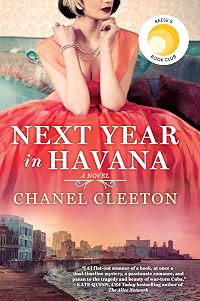
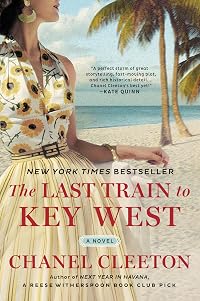
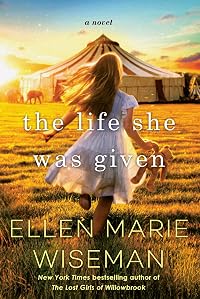


Member Recommendations
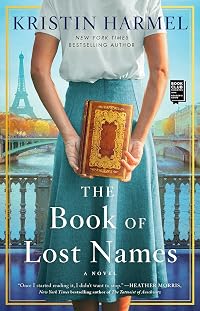
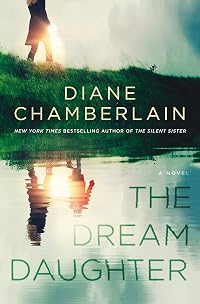
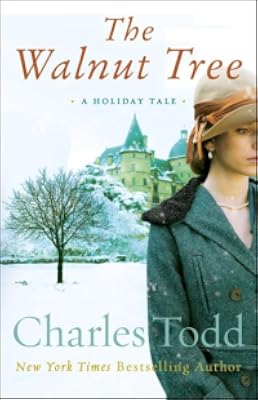
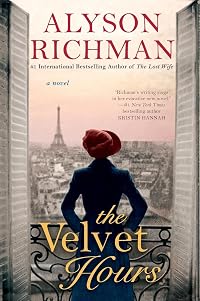
LISandKL Both are epistolary novels set during a world war, and both feature blossoming romances.
Member Reviews
I used to write and receive a lot of letters. I am sad to say that I have let that go by the wayside for the most part, only writing a Christmas letter anymore. Early on in my letter writing career though, I used to keep every letter I ever received. I think I had some sense that if any of my long distance friends became famous, it would be good to have their words for posterity. Yes, I was a weird kid, honestly thinking about this before I even hit double digits! So far none of the friends I spent years writing to have become famous though, which is probably a good thing since their letters have long since found their way to the recycle bin. When you move a million times, unfortunately there's just no good justification for holding show more onto all of these sentimental things. It actually does make me a little sad thinking about all those lost words sent specifically to me though. Although epistolary novels aren't written to me specifically, I do still love reading through the letters in them and appreciating the idea of all those words tied up in ribbon for posterity so I was delighted to read Hazel Gaynor and Heather Webb's new WWI novel, Last Christmas in Paris.
Opening in 1968 with an ill and elderly Tom Harding making plans to go to Paris for his last Christmas where he plans to open one last letter, the bulk of the novel is a collection of letters and telegrams from WWI arranged, with one notable exception, in chronological order. When WWI is declared, Evie Elliott promises to write to her beloved older brother Will and his best friend, also a friend of hers, Tom Harding. Tom writes back consistently while Will is a less reliable pen pal. The 1914 letters are buoyant and certain of a quick finish to the war with Evie reminding Tom that the two of them, Will, and Evie's close friend Alice will reunite in Paris for Christmas. As the war continues on, the letters take a darker turn, showing the melancholy and despair that crept in but also showing as Evie and Tom opened up their very souls to each other. Evie not only reminds Tom of the good about the home front, but she also details the frustrations of not being able to do anything substantial (she's an appalling knitter) and the way that small but important opportunities start to open up to the women left behind in order to free more men to fight. Tom's letters tell of his anguish at losing his men and his friends as well as some of the truths that the government is suppressing in order to keep support and morale high at home. Other letters, beyond Evie and Tom's, add substantially to the plot as well. Evie writes to her friend Alice, a woman who enlists as an ambulance driver and nurse near the front, adding to Evie's feeling of being trapped and useless at her family's home but offering another perspective of "the war to end all wars." Tom's father's accountant, who is trying to help Tom keep the family newspaper, The London Daily Times, afloat while Tom is mired in mud at the front and Harding Sr. is ill writes to him about various issues with war time reporting, conflicts with Tom's cousin over the running of the paper, and his father's decline. More letters, to or from others, are sprinkled throughout the novel as well.
The epistolary nature of the novel makes for a limited view and few side plots but the letters outside of the bounds of Evie and Tom's correspondence allow the reader to see beyond their own cautious, carefully considered words to each other and see them falling in love through words even if they remain uncertain of each others' depth of feeling. The early letters are naive and hopeful while the later letters show the progress of the war in their aching and uncertainty, freighted with so much that cannot be said. The novel is emotionally full despite the restraint in the letters themselves. Students of history will anticipate some of the events and will cringe as they read certain place names in Evie's letters, making the tale both personal and global. The novel shows the importance and power of words and represents the "un-silencing" of women at home through Evie's newspaper column. It touches on the emotional cost of war, for soldiers and civilians, beyond the obvious loss through death. Jumping back to 1968 and Tom's need to be in Paris at Christmas to read the last letter following each succeeding year of war time letters reminds the reader that life, full of all its attendant love and sorrow, has gone on after the atrocities that played out in France, not once but twice. Evie and Tom are characters with whom the reader will find it easy to become invested and the history is well researched and included organically. Frustratingly, Tom's rancor and lack of trust towards his cousin John is mentioned obliquely many times but the history of these feelings is never quite revealed, a newer incident being the stand-in for why he's not all he appears. And a final surprise toward the end of the novel isn't really much of a surprise for astute readers. The novel is well-written and engaging and will definitely suit epistolary novel fans, those who enjoy reading about WWI, and general historical fiction buffs. show less
Opening in 1968 with an ill and elderly Tom Harding making plans to go to Paris for his last Christmas where he plans to open one last letter, the bulk of the novel is a collection of letters and telegrams from WWI arranged, with one notable exception, in chronological order. When WWI is declared, Evie Elliott promises to write to her beloved older brother Will and his best friend, also a friend of hers, Tom Harding. Tom writes back consistently while Will is a less reliable pen pal. The 1914 letters are buoyant and certain of a quick finish to the war with Evie reminding Tom that the two of them, Will, and Evie's close friend Alice will reunite in Paris for Christmas. As the war continues on, the letters take a darker turn, showing the melancholy and despair that crept in but also showing as Evie and Tom opened up their very souls to each other. Evie not only reminds Tom of the good about the home front, but she also details the frustrations of not being able to do anything substantial (she's an appalling knitter) and the way that small but important opportunities start to open up to the women left behind in order to free more men to fight. Tom's letters tell of his anguish at losing his men and his friends as well as some of the truths that the government is suppressing in order to keep support and morale high at home. Other letters, beyond Evie and Tom's, add substantially to the plot as well. Evie writes to her friend Alice, a woman who enlists as an ambulance driver and nurse near the front, adding to Evie's feeling of being trapped and useless at her family's home but offering another perspective of "the war to end all wars." Tom's father's accountant, who is trying to help Tom keep the family newspaper, The London Daily Times, afloat while Tom is mired in mud at the front and Harding Sr. is ill writes to him about various issues with war time reporting, conflicts with Tom's cousin over the running of the paper, and his father's decline. More letters, to or from others, are sprinkled throughout the novel as well.
The epistolary nature of the novel makes for a limited view and few side plots but the letters outside of the bounds of Evie and Tom's correspondence allow the reader to see beyond their own cautious, carefully considered words to each other and see them falling in love through words even if they remain uncertain of each others' depth of feeling. The early letters are naive and hopeful while the later letters show the progress of the war in their aching and uncertainty, freighted with so much that cannot be said. The novel is emotionally full despite the restraint in the letters themselves. Students of history will anticipate some of the events and will cringe as they read certain place names in Evie's letters, making the tale both personal and global. The novel shows the importance and power of words and represents the "un-silencing" of women at home through Evie's newspaper column. It touches on the emotional cost of war, for soldiers and civilians, beyond the obvious loss through death. Jumping back to 1968 and Tom's need to be in Paris at Christmas to read the last letter following each succeeding year of war time letters reminds the reader that life, full of all its attendant love and sorrow, has gone on after the atrocities that played out in France, not once but twice. Evie and Tom are characters with whom the reader will find it easy to become invested and the history is well researched and included organically. Frustratingly, Tom's rancor and lack of trust towards his cousin John is mentioned obliquely many times but the history of these feelings is never quite revealed, a newer incident being the stand-in for why he's not all he appears. And a final surprise toward the end of the novel isn't really much of a surprise for astute readers. The novel is well-written and engaging and will definitely suit epistolary novel fans, those who enjoy reading about WWI, and general historical fiction buffs. show less
What a beautiful book "Last Christmas in Paris" turned out to be. I was hesitant at first about picking it up as it was written in letter format, but I listened to the audio version of it and the narrators brought it alive.
The letters follow the lives of Tom, a young soldier and Evie, a budding journalist through the years of WWI with other letters to and from friends, acquaintances and loved ones. From the light-hearted letters at the start of the war to the heartbreaking ones as the war dragged on unheeding of the people it took, and the emotional and physical upheaval of the ones it left behind.
I adored Evie, Tom, Alice and Will, although I hated John Hopper and his arrogance. Evie was such a wonderful character, and I admired her show more spunk and determination to be more than the lady of leisure her mother wanted her to be. Her newspaper articles were absolutely touching and showed the importance of women and their role in fighting the war. They brought me to tears every time.
My heart bled for Tom as the fun, happy-go-lucky boy looking for adventure and determined to play his part in the war effort, gradually morphed into the emotionally damaged, disillusioned young man he became as the war relentlessly continued throughout the years. The atrocities he and his fellow soldiers had to face while in the trenches were brought home through his letters to Evie.
Evie and Tom's romance was perfect. Their growing love was evident in the telegrams and letters that passed between them, and their correspondence provided a shining light to the other in a dark, dark time as innocence, hope, dreams and plans were destroyed. As for the ending, just beautiful!
"Last Christmas in Paris" brought out a gamut of emotions as I followed Evie and Tom's journey. Heart-warming, heart-breaking, captivating and poignant, this was a wonderful story of love, loss, despair, courage and tragedy. For me, this book was a winner. show less
The letters follow the lives of Tom, a young soldier and Evie, a budding journalist through the years of WWI with other letters to and from friends, acquaintances and loved ones. From the light-hearted letters at the start of the war to the heartbreaking ones as the war dragged on unheeding of the people it took, and the emotional and physical upheaval of the ones it left behind.
I adored Evie, Tom, Alice and Will, although I hated John Hopper and his arrogance. Evie was such a wonderful character, and I admired her show more spunk and determination to be more than the lady of leisure her mother wanted her to be. Her newspaper articles were absolutely touching and showed the importance of women and their role in fighting the war. They brought me to tears every time.
My heart bled for Tom as the fun, happy-go-lucky boy looking for adventure and determined to play his part in the war effort, gradually morphed into the emotionally damaged, disillusioned young man he became as the war relentlessly continued throughout the years. The atrocities he and his fellow soldiers had to face while in the trenches were brought home through his letters to Evie.
Evie and Tom's romance was perfect. Their growing love was evident in the telegrams and letters that passed between them, and their correspondence provided a shining light to the other in a dark, dark time as innocence, hope, dreams and plans were destroyed. As for the ending, just beautiful!
"Last Christmas in Paris" brought out a gamut of emotions as I followed Evie and Tom's journey. Heart-warming, heart-breaking, captivating and poignant, this was a wonderful story of love, loss, despair, courage and tragedy. For me, this book was a winner. show less
In 1968, fifty years after the end of the “war to end all wars”, terminally ill Thomas Harding is travelling to Paris, determined to fulfil a last promise and to lay to rest the ghosts of the past. He is taking with him a collection of cherished letters which were written during the years of 1914-1918. Most of these letters were exchanged between Tom and Evie Elliot, the younger sister of Tom’s best friend Will, with whom he had idealistically volunteered in August 1914. They also include correspondence between Evie and her brother, letters to her best friend Alice, and exchanges of letters between Tom and his father, owner of a London newspaper and various people employed by his father.
With only occasional, brief switches to the show more 1968 timeline, it is through this four-year exchange of letters that the reader is shown how this long-lasting, brutal war affected each of the characters. It demonstrated the many ways in which people are changed by their experiences throughout life, but how this natural process is accelerated and exaggerated during a war, when everything becomes more urgent, more fragile and more precious. As well as evoking the truly dreadful horrors of trench-combat during World War I, it captured how the enthusiastic idealism and patriotism of the early months of the war was gradually eroded when the realities of such a brutal, long-lasting war became apparent.
The massive social changes which took place during those four years, especially for women, were interwoven into the story-telling in a convincing way, without ever becoming polemically overwhelming. The explorations of family loyalties and expectations, and how these can shift very rapidly during times of crisis, were all authentically conveyed. However, I don’t want to reveal anything specific about what happens during the shared correspondence between Tom and Evie because the power of the story lies in the gradual revelation of the many ways in which they, and other characters, change during the long years of that dreadful war. The use of the characters to demonstrate how people learnt to cope with loss, in all its forms, whilst still trying to retain hope, not only felt credible, but also felt almost unbearably heart-breaking at times.
I loved the epistolary format of this moving and memorable story, mainly because it offered a real sense of intimacy with the characters, making them, and all their hopes and fears, come alive in ways which felt totally convincing. As a result, when I had finished the story I felt a real sense of loss at having to let them go. It also made me reflect on the fact that the real letters which were exchanged between servicemen and their families during the war provided such a rich resource for the authors to explore how the war affected ordinary people. I’m sure this made a huge contribution to the fact that each of the characters, and their individual experiences, felt so authentic and credible. I find myself wondering whether, with the more ephemeral nature of correspondence using modern technology, the minutiae of people’s everyday experiences will survive for future generations to look back on and learn from?
It seems astonishing to me that these two authors didn’t meet face to face until half way through their shared writing project; knowing that it was a joint authorship I had wondered whether I would be able spot any differences in style, but I didn’t. I don’t know exactly how they decided to share out the writing of the story, but what I do know is that together they achieved a remarkable, cohesive and seamless whole. show less
With only occasional, brief switches to the show more 1968 timeline, it is through this four-year exchange of letters that the reader is shown how this long-lasting, brutal war affected each of the characters. It demonstrated the many ways in which people are changed by their experiences throughout life, but how this natural process is accelerated and exaggerated during a war, when everything becomes more urgent, more fragile and more precious. As well as evoking the truly dreadful horrors of trench-combat during World War I, it captured how the enthusiastic idealism and patriotism of the early months of the war was gradually eroded when the realities of such a brutal, long-lasting war became apparent.
The massive social changes which took place during those four years, especially for women, were interwoven into the story-telling in a convincing way, without ever becoming polemically overwhelming. The explorations of family loyalties and expectations, and how these can shift very rapidly during times of crisis, were all authentically conveyed. However, I don’t want to reveal anything specific about what happens during the shared correspondence between Tom and Evie because the power of the story lies in the gradual revelation of the many ways in which they, and other characters, change during the long years of that dreadful war. The use of the characters to demonstrate how people learnt to cope with loss, in all its forms, whilst still trying to retain hope, not only felt credible, but also felt almost unbearably heart-breaking at times.
I loved the epistolary format of this moving and memorable story, mainly because it offered a real sense of intimacy with the characters, making them, and all their hopes and fears, come alive in ways which felt totally convincing. As a result, when I had finished the story I felt a real sense of loss at having to let them go. It also made me reflect on the fact that the real letters which were exchanged between servicemen and their families during the war provided such a rich resource for the authors to explore how the war affected ordinary people. I’m sure this made a huge contribution to the fact that each of the characters, and their individual experiences, felt so authentic and credible. I find myself wondering whether, with the more ephemeral nature of correspondence using modern technology, the minutiae of people’s everyday experiences will survive for future generations to look back on and learn from?
It seems astonishing to me that these two authors didn’t meet face to face until half way through their shared writing project; knowing that it was a joint authorship I had wondered whether I would be able spot any differences in style, but I didn’t. I don’t know exactly how they decided to share out the writing of the story, but what I do know is that together they achieved a remarkable, cohesive and seamless whole. show less
"The Last Christmas in Paris: A Novel of World War I" by Hazel Gaynor and Heather Webb is a beautifully written story of love, loss and hope during wartime. It's written mostly in letters and has a Downton Abbey feel to it.
Ms. Webb and Ms. Gaynor give such a beautiful and moving portrayal of how war affects every aspect of one's life. They show this through the letters of a few young people. In the beginning of the war, the letters are full of excitement, a sense of adventure, pride and thoughts that the war won't last long. As one can imagine, the letters and the people in the letters change as the war gets more serious, moves closer to home and becomes a lot longer than everyone had anticipated. The characters have to share and show more communicate everything through these letters (and sometimes telegrams)--they didn't have our modern technology. Parts of the letters in the book are blacked out--showing how even the letters are censored. The large newspapers will show only the happy side of war and newspapers get in trouble and are censored for showing the truth. This fact made me really angry, as it does to Evie (one of our main characters), who takes up writing for one of the newspapers. There is such a contrast between the women's lives at home and what is actually happening on the front (as told by Evie's brother, Will, and his best friend, Thomas). We see the war through the eyes of this trio. Their emotions go from enthusiasm, to denial, to despair, and eventually to hope (and love makes its way in there too).
I fell in love with the characters in this story, especially Evie and Thomas. I went through all the emotions they went through. At times, it was so heavy that I had to take a break from the book. But it's such a great story, that I still really wanted to know what happened to these characters and couldn't stop thinking about them, even when I wasn't reading. I love how Evie and Thomas become closer through letter writing and are able to say things that they wouldn't be able to say in person. Letters and the written word are so powerful. This is also shown through Evie's column that she writes for the war effort and the amazing response she gets.
There are so many great themes in this books and important topics that are covered. This is not a light read, but it is so moving and beautiful. At times it is heart wrenching and I almost started crying (which I don’t often do with books). My heart was on my sleeve as I approached the ending–and it did not disappoint! I will certainly look at Christmas differently this year and will be thankful for peace, family and the opportunity to celebrate in freedom!
Content: I give this novel a PG-13 rating. There is the use of minor swear words. The Lord's name is taken in vain. There is the mention of how women are treated on the war front and talk of prostitutes. There is a man with PTSD. A child is born out of wedlock.
Rating: I give this book 4 stars.
I want to thank Heather Webb, Hazel Gaynor, Historical Fiction Virtual Book Tours, William Morrow Publishers and Harper Collins Publishers for the complimentary copies of this book for review. I was not required to write a positive review. The opinions I express in this review are my own. This is in accordance with the Federal Trade Commission’s CFR 16, Part 255. show less
Ms. Webb and Ms. Gaynor give such a beautiful and moving portrayal of how war affects every aspect of one's life. They show this through the letters of a few young people. In the beginning of the war, the letters are full of excitement, a sense of adventure, pride and thoughts that the war won't last long. As one can imagine, the letters and the people in the letters change as the war gets more serious, moves closer to home and becomes a lot longer than everyone had anticipated. The characters have to share and show more communicate everything through these letters (and sometimes telegrams)--they didn't have our modern technology. Parts of the letters in the book are blacked out--showing how even the letters are censored. The large newspapers will show only the happy side of war and newspapers get in trouble and are censored for showing the truth. This fact made me really angry, as it does to Evie (one of our main characters), who takes up writing for one of the newspapers. There is such a contrast between the women's lives at home and what is actually happening on the front (as told by Evie's brother, Will, and his best friend, Thomas). We see the war through the eyes of this trio. Their emotions go from enthusiasm, to denial, to despair, and eventually to hope (and love makes its way in there too).
I fell in love with the characters in this story, especially Evie and Thomas. I went through all the emotions they went through. At times, it was so heavy that I had to take a break from the book. But it's such a great story, that I still really wanted to know what happened to these characters and couldn't stop thinking about them, even when I wasn't reading. I love how Evie and Thomas become closer through letter writing and are able to say things that they wouldn't be able to say in person. Letters and the written word are so powerful. This is also shown through Evie's column that she writes for the war effort and the amazing response she gets.
There are so many great themes in this books and important topics that are covered. This is not a light read, but it is so moving and beautiful. At times it is heart wrenching and I almost started crying (which I don’t often do with books). My heart was on my sleeve as I approached the ending–and it did not disappoint! I will certainly look at Christmas differently this year and will be thankful for peace, family and the opportunity to celebrate in freedom!
Content: I give this novel a PG-13 rating. There is the use of minor swear words. The Lord's name is taken in vain. There is the mention of how women are treated on the war front and talk of prostitutes. There is a man with PTSD. A child is born out of wedlock.
Rating: I give this book 4 stars.
I want to thank Heather Webb, Hazel Gaynor, Historical Fiction Virtual Book Tours, William Morrow Publishers and Harper Collins Publishers for the complimentary copies of this book for review. I was not required to write a positive review. The opinions I express in this review are my own. This is in accordance with the Federal Trade Commission’s CFR 16, Part 255. show less
A WWI novel written in letters between childhood friends. A young woman stuck at home in England, writes letters to her best friend, and her brother and his best friend who are at the front. A sweet story and a great road trip read since it’s so easy to stop between letters if needed. Technically a Christmas read, but much more somber than most. I felt like the depiction of a soldier’s time in the trenches was realistic.
"One must always have adventure in life, or the promise of it, at least."
"One must always have adventure in life, or the promise of it, at least."
In 1969 Tom Harding makes a final trip to Paris for Christmas. While he is there he re-reads all the letters sent between 1914 and 1918. In 1914, Evie Elliot's brother, Will and best friend, Tom leave for the Front. Evie diligently writes to both of them. In their letters, the three divulge their greatest wishes, fears, and emotions. Most of all, they all wish for the war to be over by Christmas so they may celebrate the holiday in Paris. Little do they know how much the War will change all of them.
An all at once heartwarming and heartbreaking story of love and loss during World War I. Told almost entirely in letter exchanges between Evie and her loved ones, this book completely enveloped me as I devoured every word. There was so much show more passion in the writing, especially the letters between Thomas and Evie, I felt as if these could be two real people. I felt like I was immersed into their most intimate moments and my heart raced for when they would finally declare their love for one another. Through the letters, I was able to see the impact of the war from all sides. Through Evie, I got a sense of how it felt to be left behind, the worry, dread and depression of fearing that your loved ones may not come home and the overwhelming urge to do something about it. Through Tom, the gruesome depictions of the Front that the media wouldn't let anyone know of as well as the mental toll that war takes on the soldiers. Also, through Evie's exchanges with her friend Alice, we learn of the many ways that women jumped in to help from delivering the mail, to nursing and driving ambulances to the Auxillary Corps and even writing newspaper articles. What affected me most was Tom's re-reading of the letters and his opening of the final letter at the end. Overall, a wonderfully written historical novel reminding me of the sacrifices made by our veterans.
This book was received for free in return for an honest review. show less
An all at once heartwarming and heartbreaking story of love and loss during World War I. Told almost entirely in letter exchanges between Evie and her loved ones, this book completely enveloped me as I devoured every word. There was so much show more passion in the writing, especially the letters between Thomas and Evie, I felt as if these could be two real people. I felt like I was immersed into their most intimate moments and my heart raced for when they would finally declare their love for one another. Through the letters, I was able to see the impact of the war from all sides. Through Evie, I got a sense of how it felt to be left behind, the worry, dread and depression of fearing that your loved ones may not come home and the overwhelming urge to do something about it. Through Tom, the gruesome depictions of the Front that the media wouldn't let anyone know of as well as the mental toll that war takes on the soldiers. Also, through Evie's exchanges with her friend Alice, we learn of the many ways that women jumped in to help from delivering the mail, to nursing and driving ambulances to the Auxillary Corps and even writing newspaper articles. What affected me most was Tom's re-reading of the letters and his opening of the final letter at the end. Overall, a wonderfully written historical novel reminding me of the sacrifices made by our veterans.
This book was received for free in return for an honest review. show less
In spite of the cheesy cover, this novel grabbed me from the opening pages — and why not? It’s written in my favorite epistolary style, set during WWI, and somewhat about Christmas.
From the blurb:
August 1914. England is at war. As Evie Elliott watches her brother, Will, and his best friend, Thomas Harding, depart for the front, she believes—as everyone does—that it will be over by Christmas, when the trio plan to celebrate the holiday among the romantic cafes of Paris. But as history tells us, it all happened so differently…
Evie, is a British society girl who yearns to do more for the war effort than rolling bandages and knitting socks. Her best friend Alice, her brother, and her brother’s best friend Thomas are all on the show more front line and having seemingly exciting adventures.
Last Christmas in Paris was co-written by two authors Ms. Gaynor wrote as Evie, and Ms. Webb wrote as Thomas, Evie’s brother’s best friend, a scholar who sees the war as a chance to escape from running the family newspaper. This results in two distinct voices, which through their letters reveal their personalities, hopes, and ultimately their fears during this ‘war to end all wars’.
Initially the letters are full of lighthearted banter as this young group is carried along by the excitement of war, but as the battlefields of France become a nightmare, the letters become start to contain raw emotions, fear and wistfulness for a lost youth.
This is a correspondence of friends evolving- learning war is no great adventure after all, falling in love, and the uncertainly of the future. Ultimately this is a romance, but set against the backdrop of a brutal war. The psychological shell shock that beset many soldiers and how they were treated. The ravages of the Spanish Flu epidemic and the hardships for woman — both involved in the war and at home in Britain.
I devoured Last Christmas in Paris and was drawn in by the fascinating and sometimes haunting letters. There are telegrams interspersed which give the reader the urgency of communicating life-changing words and feelings all during the brutality of war.
There is a timelessness about these letters back and forth — because the expressions of friendship, misgivings, fear, and ultimately, love are indeed timeless. Our mode of communication may have changed in the modern day – but not the heart-felt human emotions.
Because Last Christmas in Paris is not really about Christmas, I recommend this fascinating novel any time of the year.
A digital advanced readers copy was provided by HarperCollins via Edelweiss.
See all my reviews at http://www.bookbarmy.com show less
From the blurb:
August 1914. England is at war. As Evie Elliott watches her brother, Will, and his best friend, Thomas Harding, depart for the front, she believes—as everyone does—that it will be over by Christmas, when the trio plan to celebrate the holiday among the romantic cafes of Paris. But as history tells us, it all happened so differently…
Evie, is a British society girl who yearns to do more for the war effort than rolling bandages and knitting socks. Her best friend Alice, her brother, and her brother’s best friend Thomas are all on the show more front line and having seemingly exciting adventures.
Last Christmas in Paris was co-written by two authors Ms. Gaynor wrote as Evie, and Ms. Webb wrote as Thomas, Evie’s brother’s best friend, a scholar who sees the war as a chance to escape from running the family newspaper. This results in two distinct voices, which through their letters reveal their personalities, hopes, and ultimately their fears during this ‘war to end all wars’.
Initially the letters are full of lighthearted banter as this young group is carried along by the excitement of war, but as the battlefields of France become a nightmare, the letters become start to contain raw emotions, fear and wistfulness for a lost youth.
This is a correspondence of friends evolving- learning war is no great adventure after all, falling in love, and the uncertainly of the future. Ultimately this is a romance, but set against the backdrop of a brutal war. The psychological shell shock that beset many soldiers and how they were treated. The ravages of the Spanish Flu epidemic and the hardships for woman — both involved in the war and at home in Britain.
I devoured Last Christmas in Paris and was drawn in by the fascinating and sometimes haunting letters. There are telegrams interspersed which give the reader the urgency of communicating life-changing words and feelings all during the brutality of war.
There is a timelessness about these letters back and forth — because the expressions of friendship, misgivings, fear, and ultimately, love are indeed timeless. Our mode of communication may have changed in the modern day – but not the heart-felt human emotions.
Because Last Christmas in Paris is not really about Christmas, I recommend this fascinating novel any time of the year.
A digital advanced readers copy was provided by HarperCollins via Edelweiss.
See all my reviews at http://www.bookbarmy.com show less
Members
- Recently Added By
Lists

Favorite Epistolary Fiction
143 works; 144 members
Author Information

16+ Works 4,452 Members
Hazel Gaynor's debut novel, The Girl Who Came Home: A Novel of the Titanic, was a New York Times and USA Today bestseller. A Memory of Violets is her second novel. In addition to historical fiction, she writes a popular guest blog, Carry on Writing, for national Irish writing website writing.ie. She shares thoughts and experiences of the writing show more process and has interviewed a number of popular authors, including; Philippa Gregory, Sebastian Faulks, John Boyne and Cheryl Strayed. Hazel received the 2012 Cecil Day Lewis award for Emerging Writers and was selected by Library Journal as one of Ten Big Breakout Authors for 2015. (Bowker Author Biography) show less

12+ Works 2,069 Members
Common Knowledge
- Canonical title
- Last Christmas in Paris
- Alternate titles
- Last Christmas in Paris: A Novel of World War I
- Original publication date
- 2017-10-03
Classifications
Statistics
- Members
- 564
- Popularity
- 52,565
- Reviews
- 44
- Rating
- (4.10)
- Languages
- English, German
- Media
- Paper, Audiobook, Ebook
- ISBNs
- 11
- ASINs
- 4