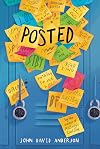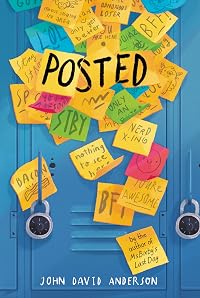
Posted
by John David Anderson
On This Page
Description
In middle school, words aren't just words. They can be weapons. They can be gifts. The right words can win you friends or make you enemies. They can come back to haunt you. Sometimes they can change things forever. When cell phones are banned at Branton Middle School, Frost and his friends Deedee, Wolf, and Bench come up with a new way to communicate: leaving sticky notes for each other all around the school. It catches on, and soon all the kids in school are leaving notes -- though for show more every kind and friendly one, there is a cutting and cruel one as well. In the middle of this, a new girl named Rose arrives at school and sits at Frost's lunch table. Rose is not like anyone else at Branton Middle School, and it's clear that the close circle of friends Frost has made for himself won't easily hold another. As the sticky-note war escalates, and the pressure to choose sides mounts, Frost soon realizes that after this year, nothing will ever be the same. show lessTags
Recommendations
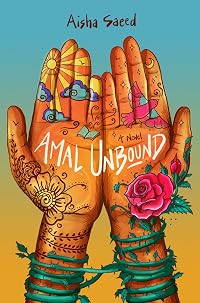
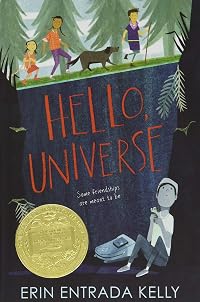
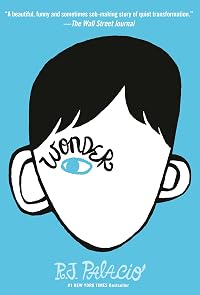
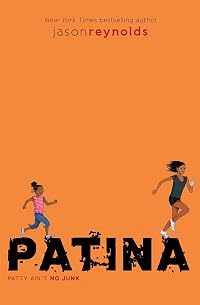
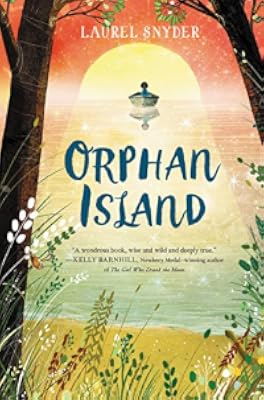
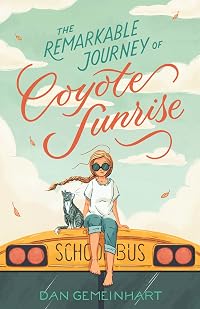
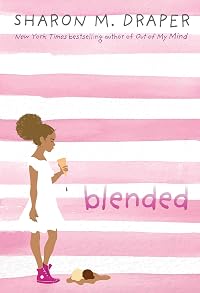
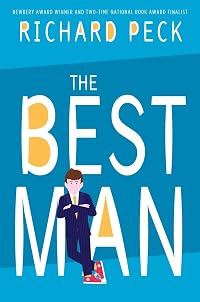


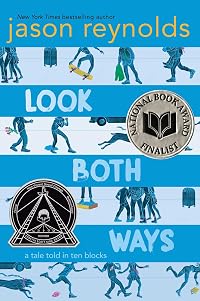
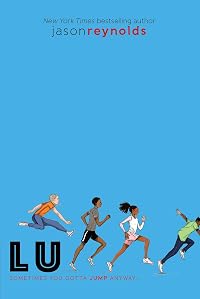
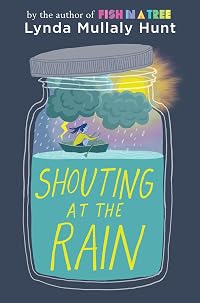
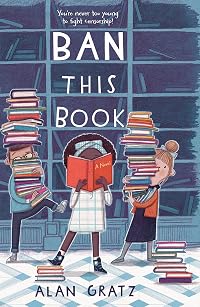
Member Recommendations
BookshelfMonstrosity The painful social dynamics of middle school cliques, friendship, and bullying are front and center in these realistic, issue-oriented books.
Member Reviews
For all the kids who loved [b:Wonder|11387515|Wonder|R.J. Palacio|https://images.gr-assets.com/books/1309285027s/11387515.jpg|16319487], this is Wonder with a lot more meat on its bones. I think this is the best bullying novel I've ever read. I wish it were a little shorter, because it's a perfect all-school read but I worry it'll intimidate some kids. My first 6th grade reviewer said it took her awhile to get into it (also a concern for all-school-reads), but by the end she was copying quotes down and asked to keep it so she could re-read it before she returned it to the library.
In middle school, words aren't just words. They can be weapons. They can be gifts. The right words can win you friends or make you enemies. They can come back to haunt you. Sometimes they can change things forever.
When cell phones are banned at Branton Middle School, Frost and his friends Deedee, Wolf, and Bench come up with a new way to communicate: leaving sticky notes for each other all around the school. It catches on, and soon all the kids in school are leaving notes—though for every kind and friendly one, there is a cutting and cruel one as well.
In the middle of this, a new girl named Rose arrives at school and sits at Frost's lunch table. Rose is not like anyone else at Branton Middle School, and it's clear that the close show more circle of friends Frost has made for himself won't easily hold another. As the sticky-note war escalates, and the pressure to choose sides mounts, Frost soon realizes that after this year, nothing will ever be the same. show less
When cell phones are banned at Branton Middle School, Frost and his friends Deedee, Wolf, and Bench come up with a new way to communicate: leaving sticky notes for each other all around the school. It catches on, and soon all the kids in school are leaving notes—though for every kind and friendly one, there is a cutting and cruel one as well.
In the middle of this, a new girl named Rose arrives at school and sits at Frost's lunch table. Rose is not like anyone else at Branton Middle School, and it's clear that the close show more circle of friends Frost has made for himself won't easily hold another. As the sticky-note war escalates, and the pressure to choose sides mounts, Frost soon realizes that after this year, nothing will ever be the same. show less
STORY:
Posted by John David Anderson (380 pages) is about how the removal of cell phones inadvertently causes the rise of sticky notes everywhere. The only thing is everything on the sticky notes aren't always nice.
This book seemed to be a run-of-mill middle school cliche hierarchy story (much like those overdone high school stories), but it turned out to be a lot more clever. It covered how divorces affect kids differently, being an outcast, bullies, and popularity too. I was expecting cookies but got a cookie pizza instead. You know what I'm saying? Posted is a pleasant surprise.
CHARACTERS:
A great cast of characters. I thoroughly enjoyed Frost's narrative though he wasn't my favorite character. This book captures show more teenage-boy-awkwardness well. I actually liked Bench or Wolf the most.
I found Rose to be a little too good to be true, but not to a point it was grating. Sometimes, she just had a flutter of mary-sue-ness, but she managed to also have kid relatability. Honestly, she reminded me of a girl I knew once.
Wolf was very cool! I loved his entire arc (if you can call it that). At first glance, he seems so quiet and sure of himself like nothing gets to him.
I love how realistic Bench was he just seemed like a real person from his character and the way he acted.
Deedee was such a sweet, gross, and nerdy character. Adorkable.
OVERALL:
I give it about 3 stars! This will definitely remind you of your school days, or anytime you felt pressure to fit or outcast someone.
You can read more of my book reviews on my Wordpress: here show less
"Words are ghosts."
Posted by John David Anderson (380 pages) is about how the removal of cell phones inadvertently causes the rise of sticky notes everywhere. The only thing is everything on the sticky notes aren't always nice.
This book seemed to be a run-of-mill middle school cliche hierarchy story (much like those overdone high school stories), but it turned out to be a lot more clever. It covered how divorces affect kids differently, being an outcast, bullies, and popularity too. I was expecting cookies but got a cookie pizza instead. You know what I'm saying? Posted is a pleasant surprise.
CHARACTERS:
A great cast of characters. I thoroughly enjoyed Frost's narrative though he wasn't my favorite character. This book captures show more teenage-boy-awkwardness well. I actually liked Bench or Wolf the most.
I found Rose to be a little too good to be true, but not to a point it was grating. Sometimes, she just had a flutter of mary-sue-ness, but she managed to also have kid relatability. Honestly, she reminded me of a girl I knew once.
Wolf was very cool! I loved his entire arc (if you can call it that). At first glance, he seems so quiet and sure of himself like nothing gets to him.
I love how realistic Bench was he just seemed like a real person from his character and the way he acted.
Deedee was such a sweet, gross, and nerdy character. Adorkable.
OVERALL:
I give it about 3 stars! This will definitely remind you of your school days, or anytime you felt pressure to fit or outcast someone.
You can read more of my book reviews on my Wordpress: here show less
I rarely give a book 5 stars…but this one is a 5 star! The only issue that I have with this book is the length. It’s 365 pages, and that may turn many of my students away. Amazon lists this as a book for 8-12 year olds, and I originally bought it for my elementary. After reading it, I’m going to move it up to my Jr.-Sr. High as I think it would be more appropriate for ages 12 and up.
When the principal and teachers of Branton Middle School have had enough of the constant cell phone use amongst the students (and the inappropriate texts and social media posts), they decide that cell phones are outlawed in school. However, soon a new form of communication takes over the school. Students begin leaving messages on post-it notes on each show more other’s lockers and bookbags as well as in textbooks and in the bathrooms. Although the messages start out innocuous, just like the texts and social media posts, some of the post-it messages turn hurtful, but with the anonymous paper messages, no one knows who is writing the cruel messages.
Eric’s mother has told him that everyone has “their people”…they just have to find them. Eric (or, “Frost” as he is known to the rest of the middle schoolers) has three best friends, DeeDee, Wolf, and Bench. Although they are all different, they stick together and have maneuvered the perils of middle school together, at least up until a new girl moves to town.
Rose is a girl who stands out in a crowd…mostly because she is taller and broader than any of the other kids in school. When Wolf invites Rose to sit with them at their table for lunch, not all of the group is happy…how will the boys handle the addition of another person into their group? Will they cave in to peer pressure when the other students in school tease them and talk about them behind their backs? What happens with a group of friends when they realize that they have different interests?
This book is a wonderful story of the power of words. (Not only in the school…but also in situations with Eric’s parents, who are going through a divorce). And, although the book has a satisfying ending, it’s not really an “everyone lived happily ever after” ending either. Mean kids are still mean, friends change, and just saying “I’m sorry” doesn’t always mean that everything will go back to “normal”.
The author really understands middle school-aged kids, their problems and their humor; however, as another reviewer on Amazon commented, if he would shave about 100 pages off of the book it would have more appeal for his target audience. There is middle school humor – like comparing Cheese Puffs to “turds”, and Wolf is teased for being gay (although there are a few insinuations, like Rose telling Frost that “he doesn’t like me because I’m not his type” the author never comes out and reveals whether Wolf is or isn’t gay – I presumed that he was, but it was handled more as a message that we label people and make presumptions about people based on the things they do, the way they dress, etc.)
I could see this book becoming a movie someday! show less
When the principal and teachers of Branton Middle School have had enough of the constant cell phone use amongst the students (and the inappropriate texts and social media posts), they decide that cell phones are outlawed in school. However, soon a new form of communication takes over the school. Students begin leaving messages on post-it notes on each show more other’s lockers and bookbags as well as in textbooks and in the bathrooms. Although the messages start out innocuous, just like the texts and social media posts, some of the post-it messages turn hurtful, but with the anonymous paper messages, no one knows who is writing the cruel messages.
Eric’s mother has told him that everyone has “their people”…they just have to find them. Eric (or, “Frost” as he is known to the rest of the middle schoolers) has three best friends, DeeDee, Wolf, and Bench. Although they are all different, they stick together and have maneuvered the perils of middle school together, at least up until a new girl moves to town.
Rose is a girl who stands out in a crowd…mostly because she is taller and broader than any of the other kids in school. When Wolf invites Rose to sit with them at their table for lunch, not all of the group is happy…how will the boys handle the addition of another person into their group? Will they cave in to peer pressure when the other students in school tease them and talk about them behind their backs? What happens with a group of friends when they realize that they have different interests?
This book is a wonderful story of the power of words. (Not only in the school…but also in situations with Eric’s parents, who are going through a divorce). And, although the book has a satisfying ending, it’s not really an “everyone lived happily ever after” ending either. Mean kids are still mean, friends change, and just saying “I’m sorry” doesn’t always mean that everything will go back to “normal”.
The author really understands middle school-aged kids, their problems and their humor; however, as another reviewer on Amazon commented, if he would shave about 100 pages off of the book it would have more appeal for his target audience. There is middle school humor – like comparing Cheese Puffs to “turds”, and Wolf is teased for being gay (although there are a few insinuations, like Rose telling Frost that “he doesn’t like me because I’m not his type” the author never comes out and reveals whether Wolf is or isn’t gay – I presumed that he was, but it was handled more as a message that we label people and make presumptions about people based on the things they do, the way they dress, etc.)
I could see this book becoming a movie someday! show less
It'll be so refreshing if the kids are actually encouraged to use their words. Too many MG characters only confide in diaries or best friends.
------------
Um, no. What it is, is that the kids use post-it notes to substitute for texts when their phones are taken away. And they use them to bully each other. Preachy book, not entertaining. I thought I would persist, but at p. 98 I was struggling with all the cliches, and so I skipped to the end and found out that people still consider calling someone gay to be offensive, even the kid who is. I thought we were past that. My son's school was when he was there several years ago. What I mean is, if you still don't get it, still like the author, it should be like calling a girl a girl, or at show more least like calling a tall person 'beanpole' or 'shorty.' Nbd, shrug it off, cuz after all it's true and it's who you are. And even if your community is still stuck in the dark ages, shouldn't a preachy book be a model of a better way? show less
------------
Um, no. What it is, is that the kids use post-it notes to substitute for texts when their phones are taken away. And they use them to bully each other. Preachy book, not entertaining. I thought I would persist, but at p. 98 I was struggling with all the cliches, and so I skipped to the end and found out that people still consider calling someone gay to be offensive, even the kid who is. I thought we were past that. My son's school was when he was there several years ago. What I mean is, if you still don't get it, still like the author, it should be like calling a girl a girl, or at show more least like calling a tall person 'beanpole' or 'shorty.' Nbd, shrug it off, cuz after all it's true and it's who you are. And even if your community is still stuck in the dark ages, shouldn't a preachy book be a model of a better way? show less
Putting post-it-notes on, and in each other’s lockers seemed like a good way for Frost and his friends Deedee, Wolf, and Bench to communicate with each other after cell phones were banned at Branton Middle School, until suddenly it escalates into a whole school war, and some of the notes get nasty. In the middle of this mess, Rose, an odd, new girl at school joins this all male group of friends at their lunch table, not just once, but on a regular basis, uninvited, upsetting the already upset balance of their once seemingly predictable relationships. The only thing seemingly certain in their world becomes uncomfortable uncertainty. With its cast of well developed characters, this tween novel rang true to me. It is a realistic show more portrayal of middle school kids struggling to fit in, dealing with bullying and change, and finding the courage to speak their truth.
show less
Sharyn H. / Marathon County Public Library
Find this book in our library catalog.
When cell phones get banned at school, people find other ways to communicate with each other, sometimes with unforeseen consequences. The lives of four friends will be changed forever after the "post it war", with one withdrawing from the group, one withdrawing from school, and a new person coming in to take up the slack.
To be honest though, I'm not sure what the point of this story was, nor do I think the kids really learned much beyond the fact that words have consequences and just because you can, doesn't necessarily mean you should. Which isn't a bad lesson to learn - one of the things about free speech is that you should take responsibility for your words.
The lesson is kind of diffuse and I don't think the narrator, Frost (Eric), show more was the best pick for the author. The nicknames are annoying, to be honest, but this is middle school, so ...
Musings:
Middle school, it seems, is a dangerous place these days. And I thought high school was bad.
When did the word "tribe" replace "clique"? Both mean, functionally, the same thing in this book: a group of people you hang out with and share a common interest (though clique does have some major negative connotations and has for a long time.) show less
To be honest though, I'm not sure what the point of this story was, nor do I think the kids really learned much beyond the fact that words have consequences and just because you can, doesn't necessarily mean you should. Which isn't a bad lesson to learn - one of the things about free speech is that you should take responsibility for your words.
The lesson is kind of diffuse and I don't think the narrator, Frost (Eric), show more was the best pick for the author. The nicknames are annoying, to be honest, but this is middle school, so ...
Musings:
Middle school, it seems, is a dangerous place these days. And I thought high school was bad.
When did the word "tribe" replace "clique"? Both mean, functionally, the same thing in this book: a group of people you hang out with and share a common interest (though clique does have some major negative connotations and has for a long time.) show less
Members
- Recently Added By
Lists

BBA Potential: Junior Readers
32 works; 1 member

2010s
241 works; 3 members

Books Read in 2017
4,249 works; 129 members

Bullies
44 works; 2 members

Youth: Social Values
194 works; 1 member

Main Character is aged 10-19
361 works; 6 members
Author Information

16 Works 2,334 Members
Awards and Honors
Awards
Distinctions
Classifications
Statistics
- Members
- 566
- Popularity
- 52,213
- Reviews
- 15
- Rating
- (4.03)
- Languages
- English
- Media
- Paper, Audiobook, Ebook
- ISBNs
- 16
- ASINs
- 2