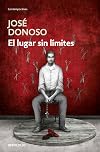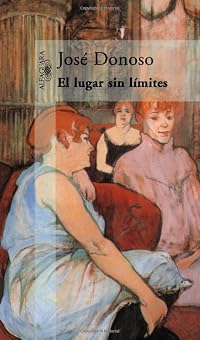
Hell Has No Limits
by José Donoso
On This Page
Description
A reprint of the powerful novel by Chilean writers, José Donoso.Tags
Recommendations






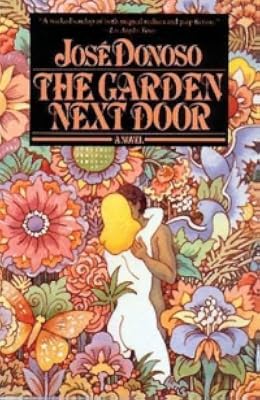
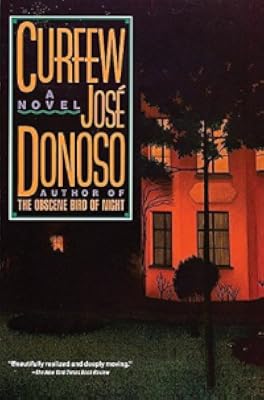
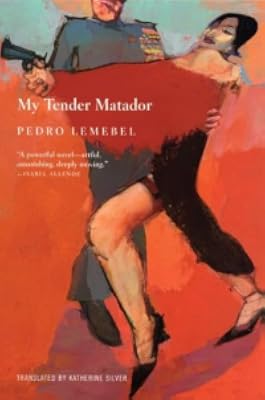
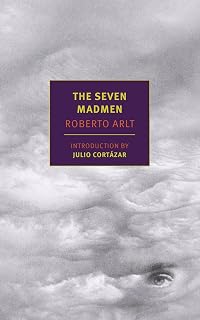













Member Recommendations

by Romerillo
Member Reviews
En 1964, el escritor, periodista y profesor chileno José Donoso, llegó a México como invitado al Tercer Simposio de la Fundación Interamericana para las Artes. Fascinado con la cultura del país, decidió quedarse un tiempo, viviendo incluso en la casa de Carlos Fuentes. Dos años más tarde, publicaría la que sigue siendo su obra más celebrada, el libro que lo colocaría como uno de los principales exponentes del boom latinoamericano: El lugar sin límites (1966). Ambientada en un pequeño y olvidado pueblo de la zona central de Chile de nombre Estación El Olivo, la trama sigue a La manuela, un homosexual/travesti que administra un burdel junto a su hija La japonesita; ambas, esperan que la modernidad se presente en el lugar por show more medio de luz eléctrica, alegoría de una esperanza que nunca llegará. En esta novela corta, sin embargo, la tensión constante que se presenta desde el inicio es por un motivo mucho más oscuro: la llegada al pueblo de Pancho Vega, el sórdido macho que gusta de ir al prostíbulo para perturbar la paz física y emocional de La manuela. Las largas descripciones del entorno que hace Donoso (un polvoso infierno con olor a licor), junto con los cargados diálogos de las prostitutas que transmiten su hastío y rencor hacia los hombres, engullen a un lector que descubre una pasión encerrada entre Pancho y La manuela; un deseo que, al no encontrar posibilidad de existir ante la desaprobación y burla de la sociedad, detonará en una violencia descomunal con la negra noche como testigo. El lugar sin límites es una bellísima tragedia rural, un homenaje a todos los parajes y personajes olvidados de cualquier rincón de Latinoamérica; seres que viven con caretas, deseando que el siguiente día, sea menos duro que el anterior. A pesar de la decadencia humana que brota de sus páginas, cualquier persona que se acerque al libro deseará sentarse un momento en el tugurio, y observar a detalle las acciones de los personajes descritos; gente que aun y con todo, ama y vive, sueña y respira, mientras se pasea entre botellas vacías, pisos mugrientos y música deprimente. show less
El Lugar Sin Límites is the second book by José Donoso that I´ve read, and I have liked them both, despite some negative feelings that I have toward the author. There are parts of his life story that lower my esteem for him: not so much his self-imposed exile from Chile during some of the most important years of Chilean history, but that he tied his exile to the regime of Pinochet and used it to protest the military dictatorship. It seems that if a person left Chile in 1967, before Allende and before Pinochet, then there had to be non-political reasons for leaving. To me, it seems opportunistic for an author to be living in Spain in the 70´s and claim to be exiled from Chile when in fact he left of his own free will, when so many show more people were persecuted, tortured, and forced to leave the country that they were born in and where they fought against what they considered an unjust and unlawful regime. I can´t help feeling that Donoso is a bit of a phony for claiming connection to the events that took place in Chile in the early 70´s, and I don´t think he has a right to do so because he wasn´t there when they took place. Maybe my negative feelings aren´t entirely justifiable, because I still find myself reading his books from time to time, and enjoying them. I often wonder where I should draw the line between an artist and their creations, and how much I should detach the author as a person from his or her creations.
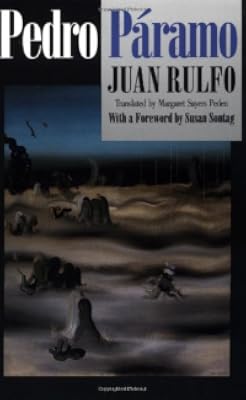
The book is the story of a town dying a slow death in the middle of Chile, passed over in the construction of a highway that would have perhaps brought it growth and prosperity and consigned to wither away and be converted into an extension of the vineyards of Don Alejo, the wealthy landowner, senator and controller of the town and its inhabitants. The story illustrates the complex relationships between the different members of the community, and centers on the town brothel, owned by the father and daughter duo of La Manuela, a homosexual transvestite, and la Japonesita, his daughter conceived in a strange bet between her mother, la Japonesa, and Don Alejo. The other character that drives the book is Pancho, a man desperately trying to break away from the control that Don Alejo exerts over all of the people in town. I see this book as a Chilean riff on Pedro Páramo, examining the relationships of power between the wealthy landowner and the people that fall within his sphere of influence. All of the characters are subjugated to Don Alejo, their lives and futures in the town are controlled by his decisions, and they know it and rebel against it in their own ways.
I found the character of Manuela to be fascinating, and liked how the author slowly uncovered her sexuality as the book unfolded: in the beginning I believed that she was a woman, and only as the story unfolds did her true status become apparent. The ways that she is shamed, mistreated and brutalized in her role as an odd sideshow act in the whorehouse relate to the ways that the town itself is treated by its patron, and the portrayal of marginal homosexuality in rural Chile was a very compelling reason to keep reading this book. Homosexuality is such a complex issue in Latin America, and I really enjoyed reading a book from the 60´s where the main character is openly gay. It was very sad, and I thought the author used Manuela effectively and channeled the plights of all the characters through her own personal struggles to survive in a world that treats her so terribly. Their treatment of her in a way mirrors the treatment that they´ve all received, as they exercise their sexual and social power over her while at the same time they are controlled economically by the powerful Don Alejo.
This was a good book, and I´m happy to say that I enjoyed it more than I thought I would. While my prejudices against Donoso may hold me back from fully embracing him as an author, I think I´ll try another one of his books in a year or so. show less
The book is the story of a town dying a slow death in the middle of Chile, passed over in the construction of a highway that would have perhaps brought it growth and prosperity and consigned to wither away and be converted into an extension of the vineyards of Don Alejo, the wealthy landowner, senator and controller of the town and its inhabitants. The story illustrates the complex relationships between the different members of the community, and centers on the town brothel, owned by the father and daughter duo of La Manuela, a homosexual transvestite, and la Japonesita, his daughter conceived in a strange bet between her mother, la Japonesa, and Don Alejo. The other character that drives the book is Pancho, a man desperately trying to break away from the control that Don Alejo exerts over all of the people in town. I see this book as a Chilean riff on Pedro Páramo, examining the relationships of power between the wealthy landowner and the people that fall within his sphere of influence. All of the characters are subjugated to Don Alejo, their lives and futures in the town are controlled by his decisions, and they know it and rebel against it in their own ways.
I found the character of Manuela to be fascinating, and liked how the author slowly uncovered her sexuality as the book unfolded: in the beginning I believed that she was a woman, and only as the story unfolds did her true status become apparent. The ways that she is shamed, mistreated and brutalized in her role as an odd sideshow act in the whorehouse relate to the ways that the town itself is treated by its patron, and the portrayal of marginal homosexuality in rural Chile was a very compelling reason to keep reading this book. Homosexuality is such a complex issue in Latin America, and I really enjoyed reading a book from the 60´s where the main character is openly gay. It was very sad, and I thought the author used Manuela effectively and channeled the plights of all the characters through her own personal struggles to survive in a world that treats her so terribly. Their treatment of her in a way mirrors the treatment that they´ve all received, as they exercise their sexual and social power over her while at the same time they are controlled economically by the powerful Don Alejo.
This was a good book, and I´m happy to say that I enjoyed it more than I thought I would. While my prejudices against Donoso may hold me back from fully embracing him as an author, I think I´ll try another one of his books in a year or so. show less
Una magnífica historia que retrata con una incisiva y singular visión, la sociedad en la que nace - el Chile de los 60's del siglo XX - y sus ideosincracias. Una lectura deliciosa.
Recordarás que en los pueblos siempre hay injusticias y abusos por parte de los ricos; que la ley puede romperse sin consecuencias; y que la homofobia provoca crueldad, incluso asesinatos.
This book is considered by many (including by the author himself) as the best work of the late chilean writer José Donoso, and this edition, with a one hundred pages long essay about the author and his oeuvre by Selena Millares, is probably the best place to embark upon the reading of this strange and kind of phantasmagorical novel.
Un pueblo perdido en medio de la nada, y una casa de putas perdida en el pueblo, regentada por la Japonesita, con la que vive su "padre", Manolita, una maricona que, por una apuesta, se tiró a la antigua dueña, la Japonesa, y de ahí salió la Japonesita. Gracias a esa apuesta, la casa fue entregada por el cacique local a la puta, casi un milagro en el pueblo. El cacique había previsto y prometido que una nueva carretera y la electricidad transformaría el pueblo en un lugar próspero, pero andando los años su único proyecto era irse quedando con todas las casas para arrasar el lugar y convertirlo en terrenos de cultivo. De por medio un antiguo peón del cacique, Pancho, que se siente turbiamente atraído por la Manolita que, por show more su parte, le teme y le espera a la vez. La acción se condensa en un solo día, con las retroproyecciones pertinentes, y acaba, como cabía esperar, de forma violenta y casi inverosímil.
Una historia descarnada, casi cruel, y terriblemente triste. Aunque el estilo recuerda al famoso realismo mágico, en realidad es un relato muy pegado a la tierra. No son necesarios sucesos extraños para que las personas se pongan al límite. Los cruces de sentimientos, de intereses y de pasiones llegan hasta las fronteras de lo humano en la figura de Manolita, que oscila entre lo compasible, lo ridículo, lo grandioso y lo tierno; paradójicamente, en estos límites (los que no tiene el lugar, pero sí la condición humana), se nos revela lo verdaderamente humano. Manolita es un ser humano con todas sus consecuencias, desde la cobardía hasta el amor. Y, sobre todo, el miedo. Hasta el cacique, don Alejo, tiene miedo de su muerte, y por eso se rodea siempre de cuatro fieros perros negros. Sólo la Japonesita parece mantener la cabeza fría, aunque se siente demasiado atada a su tierra para abandonarla sin más. En fin, una estupenda novela.
La leí en Semana Santa, en un par de tirones. show less
Una historia descarnada, casi cruel, y terriblemente triste. Aunque el estilo recuerda al famoso realismo mágico, en realidad es un relato muy pegado a la tierra. No son necesarios sucesos extraños para que las personas se pongan al límite. Los cruces de sentimientos, de intereses y de pasiones llegan hasta las fronteras de lo humano en la figura de Manolita, que oscila entre lo compasible, lo ridículo, lo grandioso y lo tierno; paradójicamente, en estos límites (los que no tiene el lugar, pero sí la condición humana), se nos revela lo verdaderamente humano. Manolita es un ser humano con todas sus consecuencias, desde la cobardía hasta el amor. Y, sobre todo, el miedo. Hasta el cacique, don Alejo, tiene miedo de su muerte, y por eso se rodea siempre de cuatro fieros perros negros. Sólo la Japonesita parece mantener la cabeza fría, aunque se siente demasiado atada a su tierra para abandonarla sin más. En fin, una estupenda novela.
La leí en Semana Santa, en un par de tirones. show less
Apr 8, 2011 (Edited)Spanish
Un mundo que es el infierno, donde se ponen al descubierto las falsas apariencias, la sordidez, la violencia y la miseria que lo agobia. Todo sucede alrededor del burdel de la Japonesita. Y de la Manuela, ese ambiguo y genial personaje, crisol de las pasiones y revelador de una falsa moral; cuestionador de la masculinidad y sus valores.
Mar 8, 2023Spanish
Members
- Recently Added By
Lists

Publishing Triangle 100 Best Lesbian and Gay Novels
97 works; 6 members

Blue Pyramid 1,276 Best Books of All Time
1,248 works; 32 members

Las mejores obras literarias leídas en 2020 -- Notables (R. D.)
24 works; 1 member
Author Information

71+ Works 2,857 Members
Donoso obsessive subject is the decay of the Chilean bourgeoisie, but he vigorously rejects anything reminiscent of traditional realism or the portrayal of regional customs. In This Sunday (1966), he focuses on a family's activities on Sundays in order to view the boredom, passions, and misery of Chilean bourgeois society and its servants. The show more Obscene Bird of Night (1970) deals with the decline of feudal society through the story of a landholding family in a kaleidoscopic vision of decay and outrageous behavior. (Bowker Author Biography) show less
Awards and Honors
Notable Lists
Series
Belongs to Publisher Series
Work Relationships
Common Knowledge
- Canonical title
- Hell Has No Limits
- Original title
- El Lugar sin Límites
- Alternate titles*
- Il posto che non ha confini
- Original publication date
- 1967
- Related movies
- Hell Without Limits (1978 | IMDb)
- Dedication*
- a Rita e Carlos Fuentes
- First words*
- La Manuela socchiuse a fatica gli occhi cisposi, si stiracchiò appena e, voltandosi dal lato opposto a quello dove dormiva la Giapponesina, allungò la mano per prendere l'orologio.
- Last words*
- (Click to show. Warning: May contain spoilers.)Entrò nella sua camera e si mise a letto senza neanche accendere una candela.
*Some information comes from Common Knowledge in other languages. Click "Edit" for more information.
Classifications
Statistics
- Members
- 309
- Popularity
- 103,600
- Reviews
- 9
- Rating
- (3.80)
- Languages
- 9 — Danish, Dutch, English, French, German, Italian, Polish, Portuguese, Spanish
- Media
- Paper, Audiobook, Ebook
- ISBNs
- 36
- ASINs
- 5