On This Page
Description
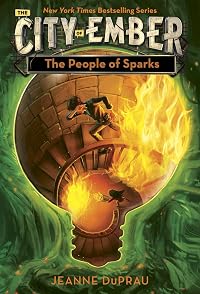
Having escaped to the Unknown Regions, Lina and the others seek help from the village people of Sparks.Tags
Recommendations
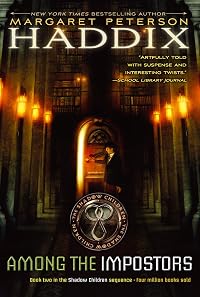
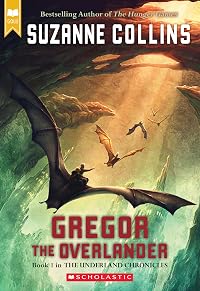
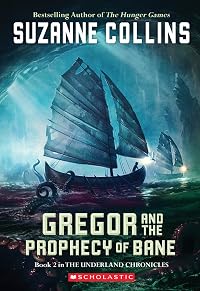
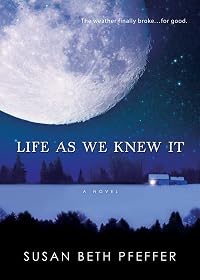
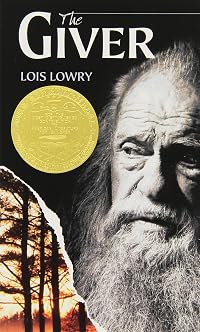
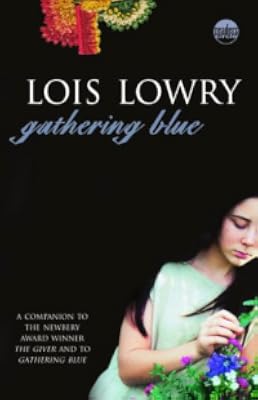
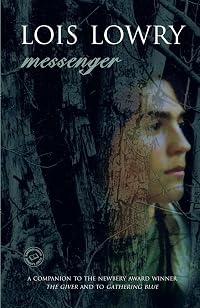
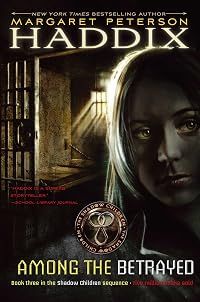


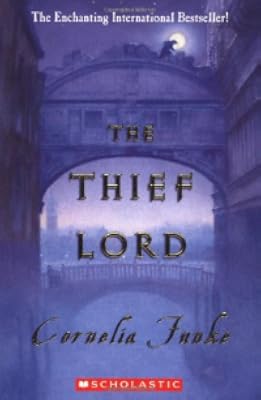
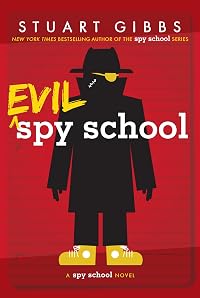
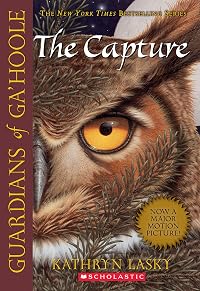
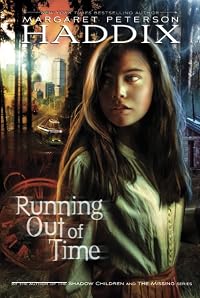

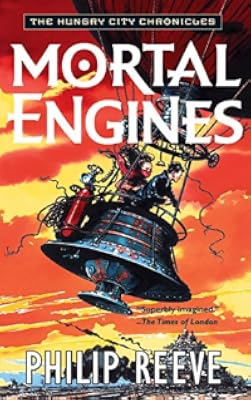
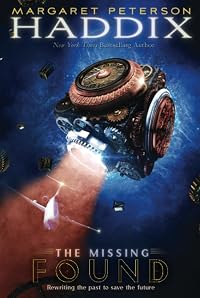
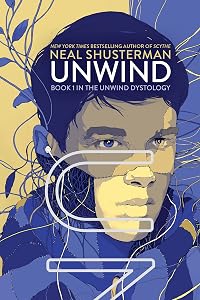
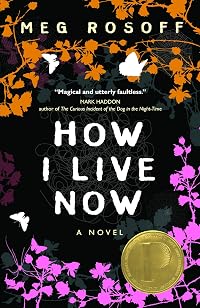


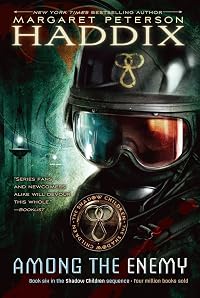
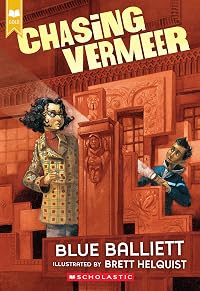
Member Recommendations
Wova4 Both are speculative fiction dealing with communities struggling to survive in environments that require them to be self-sufficient. Island deals with adult themes, so caution is warranted.
Tom15Rose3 Both are dystopian books and both are amazing (in my opinion)
Member Reviews
4.5 stars. This review is also available on my blog, Read Till Dawn.
This is the sequel to the New York Times bestselling dystopian The City of Ember, which I reviewed here (link goes to my blog). There are some inevitable spoilers from the first book, so read ahead at your own risk!
Where Ember was a story of setting and plot, this was a story of characters and relationships. The people of Sparks are reluctant to care for four hundred extra people out of their own reserves, and the people of Ember quickly become embittered about the "stinginess" of their unwilling hosts. The book is one long look at conflict: the small things that can spark big wars, and the devastating effects of human anger.
A few times in the book characters talk about show more the idea that the only way to stop bad events from escalating, is to return good for bad and convince your opponent to stop the cycle of retaliation. This was the idea that stuck with me most strongly when I first read the book many years ago, and it's the idea that once again hits me with the most force. It's a very important message, and one that everyone could take a moment to consider.
Lina and Doon play prominent roles in this book, which makes me happy because I love them. What I particularly love about them is that they don't let their relationship drama consume the story: in fact, I wouldn't even call it "drama." They go through a small rough patch in their friendship, but it doesn't consume the story. They've each got much bigger issues to deal with as Doon struggles to decide what to do/where his loyalties lie during the revolution, and Lina worries about her sick sister and finding a place to live away from Sparks. They spend most of the book apart from each other, both physically and emotionally, but there's none of that "oh no, we'll never be friends again" garbage that authors often throw in to add some tension.
On another note, it's fascinating to see the world a couple centuries after the cataclysmic events ended. People survive by scavenging goods from old deserted cities, the science of electricity long forgotten. It's like a primitive time period from our own past in many respects (the water pumps, the farming for survival, etc.), but it's also futuristic in the most fascinating and kind of depressing way. Roamers, who pick through ruins to find goods to trade for, drive trucks - that's right, trucks - pulled by horses or mules. One woman buys (via trading) an old sink top with hot and cold faucets, because she likes the looks of it and wants to use it as a candleholder.
It's hard to put this book into words, but it really is a gripping, fascinating, throught-provoking read about the future, the past, the nature of conflict, and the road to peace. If this sounds interesting to you, read The People of Sparks - I promise you won't be disappointed! show less
This is the sequel to the New York Times bestselling dystopian The City of Ember, which I reviewed here (link goes to my blog). There are some inevitable spoilers from the first book, so read ahead at your own risk!
Where Ember was a story of setting and plot, this was a story of characters and relationships. The people of Sparks are reluctant to care for four hundred extra people out of their own reserves, and the people of Ember quickly become embittered about the "stinginess" of their unwilling hosts. The book is one long look at conflict: the small things that can spark big wars, and the devastating effects of human anger.
A few times in the book characters talk about show more the idea that the only way to stop bad events from escalating, is to return good for bad and convince your opponent to stop the cycle of retaliation. This was the idea that stuck with me most strongly when I first read the book many years ago, and it's the idea that once again hits me with the most force. It's a very important message, and one that everyone could take a moment to consider.
Lina and Doon play prominent roles in this book, which makes me happy because I love them. What I particularly love about them is that they don't let their relationship drama consume the story: in fact, I wouldn't even call it "drama." They go through a small rough patch in their friendship, but it doesn't consume the story. They've each got much bigger issues to deal with as Doon struggles to decide what to do/where his loyalties lie during the revolution, and Lina worries about her sick sister and finding a place to live away from Sparks. They spend most of the book apart from each other, both physically and emotionally, but there's none of that "oh no, we'll never be friends again" garbage that authors often throw in to add some tension.
On another note, it's fascinating to see the world a couple centuries after the cataclysmic events ended. People survive by scavenging goods from old deserted cities, the science of electricity long forgotten. It's like a primitive time period from our own past in many respects (the water pumps, the farming for survival, etc.), but it's also futuristic in the most fascinating and kind of depressing way. Roamers, who pick through ruins to find goods to trade for, drive trucks - that's right, trucks - pulled by horses or mules. One woman buys (via trading) an old sink top with hot and cold faucets, because she likes the looks of it and wants to use it as a candleholder.
It's hard to put this book into words, but it really is a gripping, fascinating, throught-provoking read about the future, the past, the nature of conflict, and the road to peace. If this sounds interesting to you, read The People of Sparks - I promise you won't be disappointed! show less
I loved this even more than City of Ember. Most of the people of Ember have now escaped, and joined Doon and Lina in the outside world. But they have no skills needed to survive, and winter is coming...
One of the things I loved most about this book is how much empathy you feel for everyone. The people of Sparks have really worked so hard to scratch a home in the barren post apocalyptic wilderness, you can just feel how amazingly unfair it is to suddenly have twice as many people to feed, and the new people as inexperienced as children. But you also feel the blazing unfairness of the treatment of the Emberites, given small rations, forced to sleep on the floor in a ruined hotel while the people of Sparks have houses, given all the worst show more jobs and unfairly blamed for things they didn't do. It's a situation with no easy answers. Even the Bad Folk TM are well motivated - Torren ignored with little love from anyone, even the brother he cares most about, and even Tick, who comes closest to being an Evil Caricature, is trying to work out how to make things better for his people (idiot!)
It is also a book full of hope, but gritty realistic hope. Yes, it might be all doomed, but you work together, against the cold and the hunger and the fire. You tell the truth, because it heals, and you listen to each other. And in the darkest night, the light shines a promise. show less
One of the things I loved most about this book is how much empathy you feel for everyone. The people of Sparks have really worked so hard to scratch a home in the barren post apocalyptic wilderness, you can just feel how amazingly unfair it is to suddenly have twice as many people to feed, and the new people as inexperienced as children. But you also feel the blazing unfairness of the treatment of the Emberites, given small rations, forced to sleep on the floor in a ruined hotel while the people of Sparks have houses, given all the worst show more jobs and unfairly blamed for things they didn't do. It's a situation with no easy answers. Even the Bad Folk TM are well motivated -
It is also a book full of hope, but gritty realistic hope. Yes, it might be all doomed, but you work together, against the cold and the hunger and the fire. You tell the truth, because it heals, and you listen to each other. And in the darkest night, the light shines a promise. show less
Great exploration of the positive and negative roles of community and leadership, and how quickly the pendulum can swing. Simple enough for the age range, but complicated enough to actually have something to say. If you're reading more than one book in the series, this is worth it. I think it's really a two book series though, the rest have less to recommend.
The People of Sparks is the second book in this series, after The City of Ember. Once Doon and Lina and their fellow Emberites emerge from their underground city and encounter the world above, they immediately encounter problems. The people of Sparks reluctantly agree to help the Emberites for six months, after which they will need to move on and build their own settlement, but the two groups grate against each other until conflict erupts. Once again, Lina and Doon have leading roles, but their paths diverge: Lina goes off to find the city she has dreamed about, and Doon follows Tick, who encourages the Emberites to fight back against the people of Sparks. Lina and Doon come together at the end to save both peoples, resolve show more misunderstandings, and work out a compromise.
This is probably a great series for a younger age group, late grade school or early middle school. Though The People of Sparks has a few unexpected twists/reveals, I wasn't engaged the way I was with The City of Ember. I didn't dislike The People of Sparks, but I won't be continuing with the series. show less
This is probably a great series for a younger age group, late grade school or early middle school. Though The People of Sparks has a few unexpected twists/reveals, I wasn't engaged the way I was with The City of Ember. I didn't dislike The People of Sparks, but I won't be continuing with the series. show less
After escaping from the underground city of Ember, Lina and Doon are joined by 400 of their fellow Emberites. With little food and no knowledge of life above ground, they stumble upon the city of Sparks, a town with a rocky past of their own. Though the people of Sparks are generous, the Emberites more than double the strain on their own limited resources. When tension mounts and anger begins to flare on both sides, can Lina and Doon help the people of Sparks and the people of Ember avoid war?
I think what I’m seeing in this book is that the author’s desire to insert a theme and to teach kids something she believes in made the story a lot less interesting than it could have been. Exploring the idea that these people have lived their show more entire lives underground, in a city that was built for them, with technology they never understood, and literally don’t even know what the sun is, much less how seasons work, did take up some of the book, but it fell by the wayside when the “War is bad” motif took over. Yes, war is bad, and yes, in the context of this story, war is what drove the Emberites’ ancestors underground. And it’s what left the people of Sparks in a primitive lifestyle, only now finally able to store excess food for an emergency. However, I’m not sure I buy that the people of Ember, who have just barely survived the death of their city and the stumbling around in a foreign land to find shelter, could produce someone who wanted power for himself and would be willing to incite others to violence to get it. It seemed like the ramping up to a conflict happened really fast.
Following Lina as she tried to understand her vision/memory/whatever about the gleaming city almost seemed like an afterthought. She took a lot of risk and a lot of the story was taken up by her adventure, just for a really minor pay-off.
I do like what ultimately transpired in the climax and the aftermath of that, and frankly, it went better than I expected it to. I anticipated a really simple, heavy-handed resolution, and though what actually happened wasn’t necessarily unique and unexpected, it was nice. And the book ended well, leaving me still interested in the next in the series. While I think this book could have been MUCH better, it’s not a bad follow-up for those who enjoyed the first in the series, and might be more enjoyable for the age group that it’s meant for than it was for me. show less
I think what I’m seeing in this book is that the author’s desire to insert a theme and to teach kids something she believes in made the story a lot less interesting than it could have been. Exploring the idea that these people have lived their show more entire lives underground, in a city that was built for them, with technology they never understood, and literally don’t even know what the sun is, much less how seasons work, did take up some of the book, but it fell by the wayside when the “War is bad” motif took over. Yes, war is bad, and yes, in the context of this story, war is what drove the Emberites’ ancestors underground. And it’s what left the people of Sparks in a primitive lifestyle, only now finally able to store excess food for an emergency. However, I’m not sure I buy that the people of Ember, who have just barely survived the death of their city and the stumbling around in a foreign land to find shelter, could produce someone who wanted power for himself and would be willing to incite others to violence to get it. It seemed like the ramping up to a conflict happened really fast.
Following Lina as she tried to understand her vision/memory/whatever about the gleaming city almost seemed like an afterthought. She took a lot of risk and a lot of the story was taken up by her adventure, just for a really minor pay-off.
I do like what ultimately transpired in the climax and the aftermath of that, and frankly, it went better than I expected it to. I anticipated a really simple, heavy-handed resolution, and though what actually happened wasn’t necessarily unique and unexpected, it was nice. And the book ended well, leaving me still interested in the next in the series. While I think this book could have been MUCH better, it’s not a bad follow-up for those who enjoyed the first in the series, and might be more enjoyable for the age group that it’s meant for than it was for me. show less
Last fall I raced through City of Ember and really enjoyed the world and the characters. The ending wasn't a cliffhanger per se, but it really left me wondering what would happen next...so much so that I raced out and bought the next book. Sadly, life got busy and it took me another 4 months to finally read the continuation.
In Sparks there are some rather significant changes to the plot dynamics which allow for some intriguing new commentary on humanity and social interactions. We're given a post-apocalyptic world in which humanity is trying to recover and rebuild. This high level genre is compounded by being seen primarily through the eyes of children and also by making the Emberites ignorant of the disasters that befell humanity or show more even of human history at all. In fact, through the entire first book, they had no knowledge of any other human culture at all and thought their microcosm to be the extent of humanity.
The main new dynamic in the book acted as a commentary on the interactions between people in strained situations and the passions which lead to prejudice, anger, and eventually to war. The plot separated for a time the two main characters from Ember, Lina and Doon.
Lina acts as the reader's guide to understanding the history of this new world and how humanity fell into war as well as understanding the current geography and social structure. She undertakes a journey to one of the old cities in the hopes of finding something akin to the drawing she made in the first book. Instead, she finds disaster and learns about war, disease and destruction.
Doon serves as the reader's guide to watching two struggling groups of people dealing with hardships and sacrifices as the Emberites are taught about life in the new world and how to survive above ground. He feels the sting of hostility as the people of Sparks grow resentful of the Emberites consuming their food and other resources. That resentment grows into mistrust and eventually sparks begin to fly (pardon the pun).
As tensions grow between the people, one of the Emberites named Tick Hassler (an antagonistic name if ever I saw one *grin*) grows hungry for a fight and begins riling up the people of Ember to prepare for battle. Doon feels conflicted throughout and Lina (once she returns) has new found knowledge into the near-destruction of humanity. Unfortunately, by then, things are spiraling out of control and it's difficult to see a viable resolution.
I really enjoyed the character dynamics DuPrau set up in this novel. With very few exceptions, all of the players were honestly trying to do good. She set up some great conflicts which resulted in each group of people trying to do what was good, and yet that "good" was conflicting and causing tension. It's the old adage "you can't please everyone all the time." There are always self-interests of individuals and even of groups which will collide with other individuals and groups. This book presented great examples of how people interact and shows motivation for making compromises and looking at the situation from the point of view of the other person.
It's difficult to compare to Ember and say which I liked better. I think I preferred Sparks because the plot and dynamic was more interesting to think about. Still, they are each presenting such different concepts, that it's hard to pit one against the other. They are great stories with a lot of thoughtful concepts to ponder. It's actually quite thought provoking, especially when considering the fact that it's a children's book. Children and youth will enjoy the vivid characters and the action. Adults can still enjoy it with its fluid writing and its deeper themes.
****
4 stars (out of 5) show less
In Sparks there are some rather significant changes to the plot dynamics which allow for some intriguing new commentary on humanity and social interactions. We're given a post-apocalyptic world in which humanity is trying to recover and rebuild. This high level genre is compounded by being seen primarily through the eyes of children and also by making the Emberites ignorant of the disasters that befell humanity or show more even of human history at all. In fact, through the entire first book, they had no knowledge of any other human culture at all and thought their microcosm to be the extent of humanity.
The main new dynamic in the book acted as a commentary on the interactions between people in strained situations and the passions which lead to prejudice, anger, and eventually to war. The plot separated for a time the two main characters from Ember, Lina and Doon.
Lina acts as the reader's guide to understanding the history of this new world and how humanity fell into war as well as understanding the current geography and social structure. She undertakes a journey to one of the old cities in the hopes of finding something akin to the drawing she made in the first book. Instead, she finds disaster and learns about war, disease and destruction.
Doon serves as the reader's guide to watching two struggling groups of people dealing with hardships and sacrifices as the Emberites are taught about life in the new world and how to survive above ground. He feels the sting of hostility as the people of Sparks grow resentful of the Emberites consuming their food and other resources. That resentment grows into mistrust and eventually sparks begin to fly (pardon the pun).
As tensions grow between the people, one of the Emberites named Tick Hassler (an antagonistic name if ever I saw one *grin*) grows hungry for a fight and begins riling up the people of Ember to prepare for battle. Doon feels conflicted throughout and Lina (once she returns) has new found knowledge into the near-destruction of humanity. Unfortunately, by then, things are spiraling out of control and it's difficult to see a viable resolution.
I really enjoyed the character dynamics DuPrau set up in this novel. With very few exceptions, all of the players were honestly trying to do good. She set up some great conflicts which resulted in each group of people trying to do what was good, and yet that "good" was conflicting and causing tension. It's the old adage "you can't please everyone all the time." There are always self-interests of individuals and even of groups which will collide with other individuals and groups. This book presented great examples of how people interact and shows motivation for making compromises and looking at the situation from the point of view of the other person.
It's difficult to compare to Ember and say which I liked better. I think I preferred Sparks because the plot and dynamic was more interesting to think about. Still, they are each presenting such different concepts, that it's hard to pit one against the other. They are great stories with a lot of thoughtful concepts to ponder. It's actually quite thought provoking, especially when considering the fact that it's a children's book. Children and youth will enjoy the vivid characters and the action. Adults can still enjoy it with its fluid writing and its deeper themes.
****
4 stars (out of 5) show less
The People of Sparks continues the story of Lina and Doon as they lead the people of Ember to the surface world. They discover a small village called Sparks, whose residents reluctantly agree to share their limited resources. As tensions grow between the newcomers and the villagers, misunderstandings and fear threaten to turn into conflict. Jeanne DuPrau delivers a thought-provoking tale about cooperation, prejudice, and the choices that shape communities. A compelling follow-up to The City of Ember that blends adventure with important lessons about empathy and peace.
Members
- Recently Added By
Lists

Children's and YA Dystopias
123 works; 11 members

Female Protagonist
1,056 works; 57 members

An End of the World Reading List
63 works; 4 members

Books Read in 2009
464 works; 11 members
Author Information

20+ Works 26,159 Members
Some Editions
Awards and Honors
Series

Work Relationships
Is contained in
Common Knowledge
- Canonical title
- The People of Sparks
- Original publication date
- 2004-04-25
- People/Characters
- Lina Mayfleet; Doon Harrow
- Important places
- Sparks
- Epigraph
- Darkness cannot drive out darkness;
only light can do that.
Hate cannot drive out hate;
only love can do that.
Hate multiplies hate, violence multiplies violence,
and toughness multiplies toughness
in a ... (show all)descending spiral of destruction.
- Martin Luther King, Jr., "Strength to Love," 1963 - First words
- Torren was out at the edge of the cabbage field that day, the day the people came.
- Last words
- (Click to show. Warning: May contain spoilers.)Full to the brim with hope and love and joy, she watched the little light bulb shining like a promise in the night.
Classifications
Statistics
- Members
- 5,879
- Popularity
- 2,203
- Reviews
- 125
- Rating
- (3.62)
- Languages
- 8 — Czech, Dutch, English, French, German, Indonesian, Italian, Spanish
- Media
- Paper, Audiobook, Ebook
- ISBNs
- 32
- UPCs
- 1
- ASINs
- 16