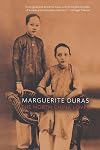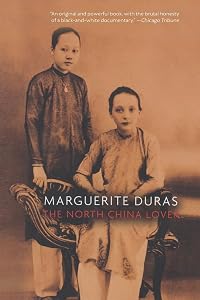
The North China Lover
by Marguerite Duras
On This Page
Description
Hailed in France as "an incomparable pleasure", Marguerite Duras's newest novel is a fascinating retelling of the dramatic experiences of her adolescence that have shaped her work. Far more daring and truthful than any book she has written before, it emphasizes the tough realities of her youth in Indochina and reveals much that her earlier works concealed. An instant number-one bestseller in France, The North China Lover both shocks and entrances its readers. Initially written as notes show more toward a filmscript for The Lover, the book has the grainy, filmic qualities of a documentary. Gone are the romantic and nostalgic readings of the past. Here are the humiliations and passions of the poverty-ridden world in which Duras grew up: the intense sexuality of the young women who were her friends and classmates, a group of adolescents impatient for the experiences of adulthood while still caught up in the conflicts of childhood. For all who have admired Duras's previous work, here is an exciting and unexpected reading of her past - a work the French critics called a return to "the Duras of the great books and the great days." show lessTags
Recommendations
































Member Recommendations


JuliaMaria dieselbe Geschichte noch einmal erzählt
Member Reviews
“Very early in my life it was too late.”
and
“Death came before the end of his story. When he was still alive it had already happened.”
The first, very striking quote, is on the opening page. Like the second quote, it teases about horrors not yet explained - that may never be.
Marguerite Duras wrote this autobiographical novella over a few months around her 70th birthday. The narrative is dreamy and disjointed. Her family is damaged and disjointed. She slips between first and third persons, tenses, and sheets. The main characters are nameless, and pronouns sometimes ambiguous.
I collected the shiny tesserae, gradually constructing patches of story. Some fit tightly, others less so, There’s an erotic diversion to describe the show more innocently irresistible body of a schoolmate, Hélène Lagonelle. You could almost read the snippets in any order (like JG Ballard’s The Atrocity Exhibition, which I reviewed HERE).
Image: Scene on the ferry, from the 1992 film, which I’ve not seen (Source.)
The pages exude the heat and humidity of French Indochina (now Vietnam) in 1929. Soporific fever drives lust and hormones. Desperation changes standards. Taboos are breached.
The writing is beautiful, but there are constant allusions to fear, madness, and murder. A powerful dissonance.
The crux of the story is a relationship she had as a 15-year old with a 27-year old “man from Cholon” after an encounter on a ferry. She is white (French) but from an impoverished, dysfunctional, fatherless family. He is rich, but Chinese. Race, class, and wealth should keep them apart. And age.
I was captivated by the mysterious undercurrents of a broken family, and the lifelong ripples from a chance encounter on a mundane river crossing. A metaphor for the whole story. A child becomes an adult in an instant.
Red Flags
“He breathes her in, the child…
It’s not like other bodies, it’s not finished…
It launches itself wholly into pleasure as if it were grown up…
I became his child.”
It seems unfair to compare this very personal piece to Lolita (see my review HERE), but I think one must. Although Duras' story takes place long before Nabokov's, she wrote it long after, and must have known of it. Like Lolita, the strange beauty of Duras' language lures one into a distasteful story of an abused child.
This teenager is also a vulnerable, immature, tomboy - albeit not as knowing as Lolita is portrayed. But we only see Lolita through Humbert’s deluded self-justifying eyes, whereas in The Lover, the author is describing herself, making peace with her past.
The more shocking aspect here, is that her mother and older brothers are fully aware of what’s going on. They permit, enable, and defend it.
“How can innocence be disgraced?”
So asks her mother, when her daughter’s relationship is challenged.
Everyone (the girl, the man from Cholon, her family) acknowledges that she doesn’t - and won’t ever - love him, though he claims to love her. Her family enjoy lavish meals and financial benefits, though won’t even talk to the man himself. This is child prostitution!
Image: Woman waving a red flag (Source.)
In 18 months, they don’t talk about themselves, let alone their future. She likes the idea of his having other women, which raises questions about her own self-esteem.
The man is a victim of sorts, ruled by fear, especially of his father, and looked down on by colonials because of his skin. But he is an adult, wanting to avoid, or at least delay, a suitable marriage, so that he can prolong “Love... in its first violence”!
Ambiguous Morality
Duras’ interpretation of the relationship is cloudy and contradictory:
• When writing of her most vulnerable times, she sometimes switches to third person, as if distancing her adult self from her younger self.
• She makes the point that the inequality of age and wealth were counterbalanced by inequality of race.
• She writes (with hindsight) that she immediately realised her power over him, and that the choice was hers alone.
• But she also writes that she’s “where she has to be, placed here”, which sounds like less of a choice.
• Most unsettlingly, of losing her virginity to this man, she says - in the third person:
“She doesn’t feel anything in particular, no hate, no repugnance either, so probably it’s already desire.”
Ambiguous Truth
“The story of my life does not exist.”
Duras provokes the reader on this point. Photos are a small, recurring, and significant trope. In particular, she muses on a non-existent one: a photo of herself, aged 15 “that might have been taken”, but wasn’t. In it, her clothes were chosen for “crucial ambiguity”. The reader wonders what would (not) have happened if she’d caught a different ferry that day. If perhaps she actually did?
However, long before she wrote this, Duras wrote another, semi-autobiographical novel, The Sea Wall, in 1950. It presents a similar picture, but notably different in other ways. See Jim's excellent review here.
It would be easier to think this story is fiction, but evidently the general narrative is true. Tragedy.
Quotes
• “The light of the sun blurred and annihilated all colour” and at night “the light fell from the sky in cataracts of pure transparency, in torrents of silence and immobility.”
• “It’s not that you have to achieve anything, it’s that you have to get away from where you are.”
• “When I was a child my mother’s unhappiness took the place of dreams.”
• “Their disgrace is a matter of course. Both are doomed to discredit because of the kind of body they have, caressed by lovers, kissed by their lips, consigned to the infamy of a pleasure unto death… the mysterious death of lovers without love.”
Conclusion
This is a brilliant piece of writing, but not at all what I expected. There are far more mentions of fear, madness, and death than of love or even passion.
It is more disturbing - or should be - than expected. I have friends, and have read of others, who’ve had under-age age-gap relationships like this and sworn they were positive milestones. One couple are still together after 35+ years. What sets this apart for me, is the family’s acceptance of the financial aspect.
The writing is 5*, the subject is awful. Averaging to 3*.
Given the very fragmentary, non-chronological telling, and the fact it’s barely 100 pages, it’s best read in one or two sittings. show less
and
“Death came before the end of his story. When he was still alive it had already happened.”
The first, very striking quote, is on the opening page. Like the second quote, it teases about horrors not yet explained - that may never be.
Marguerite Duras wrote this autobiographical novella over a few months around her 70th birthday. The narrative is dreamy and disjointed. Her family is damaged and disjointed. She slips between first and third persons, tenses, and sheets. The main characters are nameless, and pronouns sometimes ambiguous.
I collected the shiny tesserae, gradually constructing patches of story. Some fit tightly, others less so, There’s an erotic diversion to describe the show more innocently irresistible body of a schoolmate, Hélène Lagonelle. You could almost read the snippets in any order (like JG Ballard’s The Atrocity Exhibition, which I reviewed HERE).
Image: Scene on the ferry, from the 1992 film, which I’ve not seen (Source.)
The pages exude the heat and humidity of French Indochina (now Vietnam) in 1929. Soporific fever drives lust and hormones. Desperation changes standards. Taboos are breached.
The writing is beautiful, but there are constant allusions to fear, madness, and murder. A powerful dissonance.
The crux of the story is a relationship she had as a 15-year old with a 27-year old “man from Cholon” after an encounter on a ferry. She is white (French) but from an impoverished, dysfunctional, fatherless family. He is rich, but Chinese. Race, class, and wealth should keep them apart. And age.
I was captivated by the mysterious undercurrents of a broken family, and the lifelong ripples from a chance encounter on a mundane river crossing. A metaphor for the whole story. A child becomes an adult in an instant.
Red Flags
“He breathes her in, the child…
It’s not like other bodies, it’s not finished…
It launches itself wholly into pleasure as if it were grown up…
I became his child.”
It seems unfair to compare this very personal piece to Lolita (see my review HERE), but I think one must. Although Duras' story takes place long before Nabokov's, she wrote it long after, and must have known of it. Like Lolita, the strange beauty of Duras' language lures one into a distasteful story of an abused child.
This teenager is also a vulnerable, immature, tomboy - albeit not as knowing as Lolita is portrayed. But we only see Lolita through Humbert’s deluded self-justifying eyes, whereas in The Lover, the author is describing herself, making peace with her past.
The more shocking aspect here, is that her mother and older brothers are fully aware of what’s going on. They permit, enable, and defend it.
“How can innocence be disgraced?”
So asks her mother, when her daughter’s relationship is challenged.
Everyone (the girl, the man from Cholon, her family) acknowledges that she doesn’t - and won’t ever - love him, though he claims to love her. Her family enjoy lavish meals and financial benefits, though won’t even talk to the man himself. This is child prostitution!
Image: Woman waving a red flag (Source.)
In 18 months, they don’t talk about themselves, let alone their future. She likes the idea of his having other women, which raises questions about her own self-esteem.
The man is a victim of sorts, ruled by fear, especially of his father, and looked down on by colonials because of his skin. But he is an adult, wanting to avoid, or at least delay, a suitable marriage, so that he can prolong “Love... in its first violence”!
Ambiguous Morality
Duras’ interpretation of the relationship is cloudy and contradictory:
• When writing of her most vulnerable times, she sometimes switches to third person, as if distancing her adult self from her younger self.
• She makes the point that the inequality of age and wealth were counterbalanced by inequality of race.
• She writes (with hindsight) that she immediately realised her power over him, and that the choice was hers alone.
• But she also writes that she’s “where she has to be, placed here”, which sounds like less of a choice.
• Most unsettlingly, of losing her virginity to this man, she says - in the third person:
“She doesn’t feel anything in particular, no hate, no repugnance either, so probably it’s already desire.”
Ambiguous Truth
“The story of my life does not exist.”
Duras provokes the reader on this point. Photos are a small, recurring, and significant trope. In particular, she muses on a non-existent one: a photo of herself, aged 15 “that might have been taken”, but wasn’t. In it, her clothes were chosen for “crucial ambiguity”. The reader wonders what would (not) have happened if she’d caught a different ferry that day. If perhaps she actually did?
However, long before she wrote this, Duras wrote another, semi-autobiographical novel, The Sea Wall, in 1950. It presents a similar picture, but notably different in other ways. See Jim's excellent review here.
It would be easier to think this story is fiction, but evidently the general narrative is true. Tragedy.
Quotes
• “The light of the sun blurred and annihilated all colour” and at night “the light fell from the sky in cataracts of pure transparency, in torrents of silence and immobility.”
• “It’s not that you have to achieve anything, it’s that you have to get away from where you are.”
• “When I was a child my mother’s unhappiness took the place of dreams.”
• “Their disgrace is a matter of course. Both are doomed to discredit because of the kind of body they have, caressed by lovers, kissed by their lips, consigned to the infamy of a pleasure unto death… the mysterious death of lovers without love.”
Conclusion
This is a brilliant piece of writing, but not at all what I expected. There are far more mentions of fear, madness, and death than of love or even passion.
It is more disturbing - or should be - than expected. I have friends, and have read of others, who’ve had under-age age-gap relationships like this and sworn they were positive milestones. One couple are still together after 35+ years. What sets this apart for me, is the family’s acceptance of the financial aspect.
The writing is 5*, the subject is awful. Averaging to 3*.
Given the very fragmentary, non-chronological telling, and the fact it’s barely 100 pages, it’s best read in one or two sittings. show less
Inspired by Richard's commitment to multi-lingual reading and blogging, I've decided to try to work on my languages as well, and read more novels in the original French. How many is "more"? Well, last year I read a grand total of one. So, in order to top that, this year I'll need to read...two. Maybe the year after that I'll read three. As you can tell, I'm practically signing up for À la recherche du temps perdu already.
Considering that last year's pick, J.M.G. Le Clézio's Ourania, was something of a struggle for me and took several months to complete, I'm startled to find that I've already finished my first French book of 2010: Marguerite Duras's L'amant de la chine du nord (available in English translation as The North China show more Lover). Duras's book is actually a re-working of her earlier novel L'amant; it re-envisions the story as a film, and retells it from a more complete, possibly mature angle. Both L'amant and L'amant de la chine du nord are fictionalized memoirs dealing with Duras's sexual coming-of-age as a young - very young - Frenchwoman in 1920s Vietnam (then French Indochina). Well, let me be blunter: it tells the story of her first consummated affair, with a wealthy 28-year-old Chinese man, when she was fourteen.
Given that plot there's obviously a lot to talk about here vis-a-vis sexual and gender dynamics, but let's get some formalist stuff out of the way first: Duras's prose is vivid and lush, and the fact that she wrote this novel as if giving screen directions (including camera pans, fade-ins and fade-outs, etc.), makes the reading experience overwhelmingly visual. This kind of narration is often a turn-off for me; I tend to find it choppy or overly mannered. But in Duras's case I think it works perfectly for two reasons. In the first place, this is one of those books in which the setting is almost as much of a character as the characters themselves. The hot monsoon nights, the flooded rice fields, the night sounds of the young Vietnamese night guards singing outside the gates of the main character's colonial boarding school - presenting all this to the audience front-and-center brings it to the foreground, and persuades the reader to concentrate on it, to see it. And secondly, in a film all the viewer knows about a character's motivations is how she sees them acting - she has no direct access to their interior monologue. A cinematic approach, then, plays perfectly into one of Duras's main themes in this novel: the ambiguity of human actions.
Because L'amant de la chine du nord does not leave the reader with any clear answers about why the characters act as they do, or how we ought to feel about it. Compared to, say, Lolita, which argues pretty plainly for Humbert as a delusional, dirty old man and Delores Haze as his victim, Duras's moral universe is extremely murky. The main character, known only as "l'enfant" ("the child"), comes from a desperately poor family of French settlers in Indochina; we later learn that she has already had several offers of marriage/concubinage from men in their thirties, which her mother has pressed her to accept in order to alleviate the family's poverty, but which she has refused. In her boarding school, certain teachers and even students choose to prostitute themselves in the streets. In this light, her meeting with and choice to pursue her wealthy lover (known in the novel as le Chinois or The Chinaman) seems a clear economic decision, the best she can do in a bad situation.
But things are not so simple. There's no question that l'enfant lusts after le Chinois - that her psyche is, in fact, super-saturated with lust. She has incestuous thoughts about her younger brother, with whom she is extremely close. She is already involved in a semi-sexual relationship with one of her female school friends, and the two of them fantasize about taking the place of their prostitute teacher - the idea of forbidden sex being thrilling to them. From practically the moment she meets le Chinois, she is fascinated by his physicality - she is the aggressor in their relationship, and it seems as though she is acting from real feeling, not just aping the actions of adults in order to produce a desired effect.
At the same time, it's not completely positive for her, or comfortable to read; her experiences of actually having sex, especially at first, involve a lot more pain and suffering than pleasure, and she seems perplexed by the strength of Le Chinois's emotions when he falls in love with her. He is weeping about how his magnate father will disinherit him if he marries her, and she is teasing him and wanting him to tell her more about life in China. Duras does a creepily effectual job at blending L'enfant's precocious sensuality and sexuality with certain other, very kid-like, qualities in her. She kind of just wants to experiment and learn about the world, and also to have sex. Would she want to have sex if it weren't for her family's poverty, and the possibility of getting her hands on some of Le Chinois's money? Would she want to have sex if she hadn't been prematurely sexualized by the men who want to buy her from her mother, and by her feelings for her brother, and by the boarding school atmosphere? One can't help asking these questions, but at the same time they're a bit pointless: if those things had been different, she would have been a completely different person.
And here's another thing that's unusual in this type of story: L'enfant and Le Chinois enjoy each others' company. You never get the sense that Lolita and Humbert ever have fun together, but L'enfant and Le Chinois go out late at night to restaurants in the Chinese section of town, tell each other stories, laugh at each others' frankness. To be fair, there is also a lot of crying in the book, and overall it's somewhat melancholic, but unlike Kristin Lavransdatter it also has its fair share of mutual enjoyment of the present moment. And although the affair (inevitably) ends, and everyone feels sad about that for a while, L'enfant doesn't really suffer as a punishment for having sex, in the way that Lolita, Tess Durbyfield, and other literary sexual victims do (dying in childbirth, no less! Talk about sexual punishment). Duras's protagonist goes through a mixed emotional experience and then gets on with her life, but one never gets the sense that she is suffering, or enjoying herself, as a vehicle for the author to make a point about who is right and who is wrong. Duras's book is the most non-judgmental treatment - in either a positive or negative way - of sex between a very young person and an older person, I've ever come across. I wouldn't call it primarily a love story, but neither would I say it's primarily a tale of oppression. (And speaking of oppression: the racial dynamics among the transplanted white French, colonized Vietnamese, and wealthy landowning Chinese are another whole fascinating subject.)
The whole tale brings up interesting questions about the triangulation of love, lust, liking, and money. If L'enfant is more or less engaging in sex work, does that mean she doesn't love Le Chinois? Does it mean she doesn't like him? If her first feeling upon seeing him is one of lust, does that invalidate the money motive? To what extent are the desires for money and sex interwoven? And what should we, as readers, be hoping for as we read this story? Duras allows all of these elements to coexist in uneasy harmony, which in itself is an admirable feat. show less
Considering that last year's pick, J.M.G. Le Clézio's Ourania, was something of a struggle for me and took several months to complete, I'm startled to find that I've already finished my first French book of 2010: Marguerite Duras's L'amant de la chine du nord (available in English translation as The North China show more Lover). Duras's book is actually a re-working of her earlier novel L'amant; it re-envisions the story as a film, and retells it from a more complete, possibly mature angle. Both L'amant and L'amant de la chine du nord are fictionalized memoirs dealing with Duras's sexual coming-of-age as a young - very young - Frenchwoman in 1920s Vietnam (then French Indochina). Well, let me be blunter: it tells the story of her first consummated affair, with a wealthy 28-year-old Chinese man, when she was fourteen.
Given that plot there's obviously a lot to talk about here vis-a-vis sexual and gender dynamics, but let's get some formalist stuff out of the way first: Duras's prose is vivid and lush, and the fact that she wrote this novel as if giving screen directions (including camera pans, fade-ins and fade-outs, etc.), makes the reading experience overwhelmingly visual. This kind of narration is often a turn-off for me; I tend to find it choppy or overly mannered. But in Duras's case I think it works perfectly for two reasons. In the first place, this is one of those books in which the setting is almost as much of a character as the characters themselves. The hot monsoon nights, the flooded rice fields, the night sounds of the young Vietnamese night guards singing outside the gates of the main character's colonial boarding school - presenting all this to the audience front-and-center brings it to the foreground, and persuades the reader to concentrate on it, to see it. And secondly, in a film all the viewer knows about a character's motivations is how she sees them acting - she has no direct access to their interior monologue. A cinematic approach, then, plays perfectly into one of Duras's main themes in this novel: the ambiguity of human actions.
Because L'amant de la chine du nord does not leave the reader with any clear answers about why the characters act as they do, or how we ought to feel about it. Compared to, say, Lolita, which argues pretty plainly for Humbert as a delusional, dirty old man and Delores Haze as his victim, Duras's moral universe is extremely murky. The main character, known only as "l'enfant" ("the child"), comes from a desperately poor family of French settlers in Indochina; we later learn that she has already had several offers of marriage/concubinage from men in their thirties, which her mother has pressed her to accept in order to alleviate the family's poverty, but which she has refused. In her boarding school, certain teachers and even students choose to prostitute themselves in the streets. In this light, her meeting with and choice to pursue her wealthy lover (known in the novel as le Chinois or The Chinaman) seems a clear economic decision, the best she can do in a bad situation.
But things are not so simple. There's no question that l'enfant lusts after le Chinois - that her psyche is, in fact, super-saturated with lust. She has incestuous thoughts about her younger brother, with whom she is extremely close. She is already involved in a semi-sexual relationship with one of her female school friends, and the two of them fantasize about taking the place of their prostitute teacher - the idea of forbidden sex being thrilling to them. From practically the moment she meets le Chinois, she is fascinated by his physicality - she is the aggressor in their relationship, and it seems as though she is acting from real feeling, not just aping the actions of adults in order to produce a desired effect.
At the same time, it's not completely positive for her, or comfortable to read; her experiences of actually having sex, especially at first, involve a lot more pain and suffering than pleasure, and she seems perplexed by the strength of Le Chinois's emotions when he falls in love with her. He is weeping about how his magnate father will disinherit him if he marries her, and she is teasing him and wanting him to tell her more about life in China. Duras does a creepily effectual job at blending L'enfant's precocious sensuality and sexuality with certain other, very kid-like, qualities in her. She kind of just wants to experiment and learn about the world, and also to have sex. Would she want to have sex if it weren't for her family's poverty, and the possibility of getting her hands on some of Le Chinois's money? Would she want to have sex if she hadn't been prematurely sexualized by the men who want to buy her from her mother, and by her feelings for her brother, and by the boarding school atmosphere? One can't help asking these questions, but at the same time they're a bit pointless: if those things had been different, she would have been a completely different person.
And here's another thing that's unusual in this type of story: L'enfant and Le Chinois enjoy each others' company. You never get the sense that Lolita and Humbert ever have fun together, but L'enfant and Le Chinois go out late at night to restaurants in the Chinese section of town, tell each other stories, laugh at each others' frankness. To be fair, there is also a lot of crying in the book, and overall it's somewhat melancholic, but unlike Kristin Lavransdatter it also has its fair share of mutual enjoyment of the present moment. And although the affair (inevitably) ends, and everyone feels sad about that for a while, L'enfant doesn't really suffer as a punishment for having sex, in the way that Lolita, Tess Durbyfield, and other literary sexual victims do (dying in childbirth, no less! Talk about sexual punishment). Duras's protagonist goes through a mixed emotional experience and then gets on with her life, but one never gets the sense that she is suffering, or enjoying herself, as a vehicle for the author to make a point about who is right and who is wrong. Duras's book is the most non-judgmental treatment - in either a positive or negative way - of sex between a very young person and an older person, I've ever come across. I wouldn't call it primarily a love story, but neither would I say it's primarily a tale of oppression. (And speaking of oppression: the racial dynamics among the transplanted white French, colonized Vietnamese, and wealthy landowning Chinese are another whole fascinating subject.)
The whole tale brings up interesting questions about the triangulation of love, lust, liking, and money. If L'enfant is more or less engaging in sex work, does that mean she doesn't love Le Chinois? Does it mean she doesn't like him? If her first feeling upon seeing him is one of lust, does that invalidate the money motive? To what extent are the desires for money and sex interwoven? And what should we, as readers, be hoping for as we read this story? Duras allows all of these elements to coexist in uneasy harmony, which in itself is an admirable feat. show less
The titular lover is almost besides the point. The narrator's interior is elsewhere: her mother, her older brother, her younger brother, her schoolfriend Hélène Lagonelle. The girl is being loved at, while thinking about other things, while desiring other people.
I read The Lover and The Sea Wall a few years ago, and like them, this book goes over the childhood of a French girl living in French Indochina. As in The Lover, the book covers the affair of the young boarding school girl who meets an older Chinese man.
As ever, Marguerite Duras draws you in, and leaves the reader to judge the rather ambiguous, flawed, and ultimately human, characters. The child, as she is known in the book, is less innocent, but more vulnerable than in the Lover. Beaten by her brother and mother, she takes her chance to be loved, despite the taboo relationship. Her lover seems just as caught by his fate, the heir to a rich man, he has been betrothed for many years to a girl he does not know or love. In some ways, the show more child is stronger, she seems to control more of the relationship, whereas the lover, ultimately, is not strong enough to go against his father's wishes.
Written more in the style of a film script with filming suggestions added in by the author, the book seems to be darker, with a heavy sense of fatality hanging over the lovers. show less
As ever, Marguerite Duras draws you in, and leaves the reader to judge the rather ambiguous, flawed, and ultimately human, characters. The child, as she is known in the book, is less innocent, but more vulnerable than in the Lover. Beaten by her brother and mother, she takes her chance to be loved, despite the taboo relationship. Her lover seems just as caught by his fate, the heir to a rich man, he has been betrothed for many years to a girl he does not know or love. In some ways, the show more child is stronger, she seems to control more of the relationship, whereas the lover, ultimately, is not strong enough to go against his father's wishes.
Written more in the style of a film script with filming suggestions added in by the author, the book seems to be darker, with a heavy sense of fatality hanging over the lovers. show less
There are those who say that The Lover is a much better telling of this affair. Not having read it, I cannot agree or disagree. I did see the movie many years ago and it was what made me pick up this book, which was written after Duras was elderly and her lover had died. Whatever its other failings might be, this book was beautifully written and evocative. Duras made me see, hear, and smell the street that the bachelor's quarters were on. She made me see and feel the love between these two young people, which the film did not. However, I found the cinematic direction in the novel intrusive. It took me out of the immediacy of the story and annoyed me. Mostly, the book made me realize what a very disfunctional childhood Duras had, and I show more felt a great deal of sympathy for her as well as respect for the fact that she survived it so very well. show less
Duras’ intent to reverse societal norms with regards to the social status of men and women is evident in her novel, The Lover. She plays off stereotypical roles through the main character’s personal journey and those she encounters. Duras strongly emphasizes the romantic relationship of the main character to provide a contrast between male and female characters, allowing the reader to understand the purpose of the role reversal she uses throughout the story.
The reader first sees Duras’ emphasis of feminism in the description of the main character, the young, French girl. A significant symbol is the men’s hat the young girl wears in the beginning of the story, along with the gold lame shoes. Even before the reader gets to know show more the character, we understand that she is not being depicted as an average, young girl her age. She is now associated with a sense of masculinity, and although, in the beginning of the novel, we only see it in her physical appearance, the reader can predict that this quality will affect the girl’s personality later on the story.
When the Chinese Lover enters the story, the reader’s understanding of the young girl’s masculinity is further confirmed through her interactions with the man and their sexual relationship. From the very start of his presence in the novel, the Chinese Lover comes across as a very soft, emotional man. His hesitance to sleep with the young girl is the first sign that his personality is not that of a typical male character in literature, and this realization is even more evident when the man is compared along side the girl, who is only looking for a physical relationship. To further the contrast their relationship, we learn that the Chinese Lover is “in love” with the girl, who does not love him back. In a typical romance novel, we read about girls who fall hopelessly in love with the male character and yearn to be loved back. Duras emphasizes an alternate perspective and turns against the social standards that are expected in literature.
Another aspect that reflects a role reversal is the descriptive sexual relationship of the main character and her perspective about the physical relationship she has with the Chinese Lover. Her detailed description of this aspect of their relationship is important because of the societal expectation that women do not experience pleasure from sex. Clearly, the reader can understand through her point of view that this is not the case, which is Duras’ purpose behind the visual details of their intimate relationship. Although this doesn’t necessarily further the argument about the masculine side of the narrator, it provides the perspective of the main character’s contrast to societal norms.
A character that provides a feminist perspective to the story is Helene. When Helene is introduced into the story, we see a strange behavior from the main character and we get the impression that she is attracted to Helene. The narrator is very descriptive in describing sexual feelings she has towards Helene and how she views her physical appearance. In all honesty, I found this relationship bizarre and at first I didn’t understand Duras’ purpose behind it. After reflecting on other aspects in the story, I would guess that Duras uses this character to emphasize the masculinity of the main character more so than any other aspect of the story. The feelings the main character has towards Helene are so obvious that it is as if the main character were actually a man. It could be seen as a lesbian relationship, but regardless of how literal the romantic feelings are in this part of the story, I don’t think the main character is gay. I simply think the intent is to make it obvious to the reader that the main character is a foil of what society expects of a girl her age, which can be argued to be a focal intention throughout Duras’ entire novel. show less
The reader first sees Duras’ emphasis of feminism in the description of the main character, the young, French girl. A significant symbol is the men’s hat the young girl wears in the beginning of the story, along with the gold lame shoes. Even before the reader gets to know show more the character, we understand that she is not being depicted as an average, young girl her age. She is now associated with a sense of masculinity, and although, in the beginning of the novel, we only see it in her physical appearance, the reader can predict that this quality will affect the girl’s personality later on the story.
When the Chinese Lover enters the story, the reader’s understanding of the young girl’s masculinity is further confirmed through her interactions with the man and their sexual relationship. From the very start of his presence in the novel, the Chinese Lover comes across as a very soft, emotional man. His hesitance to sleep with the young girl is the first sign that his personality is not that of a typical male character in literature, and this realization is even more evident when the man is compared along side the girl, who is only looking for a physical relationship. To further the contrast their relationship, we learn that the Chinese Lover is “in love” with the girl, who does not love him back. In a typical romance novel, we read about girls who fall hopelessly in love with the male character and yearn to be loved back. Duras emphasizes an alternate perspective and turns against the social standards that are expected in literature.
Another aspect that reflects a role reversal is the descriptive sexual relationship of the main character and her perspective about the physical relationship she has with the Chinese Lover. Her detailed description of this aspect of their relationship is important because of the societal expectation that women do not experience pleasure from sex. Clearly, the reader can understand through her point of view that this is not the case, which is Duras’ purpose behind the visual details of their intimate relationship. Although this doesn’t necessarily further the argument about the masculine side of the narrator, it provides the perspective of the main character’s contrast to societal norms.
A character that provides a feminist perspective to the story is Helene. When Helene is introduced into the story, we see a strange behavior from the main character and we get the impression that she is attracted to Helene. The narrator is very descriptive in describing sexual feelings she has towards Helene and how she views her physical appearance. In all honesty, I found this relationship bizarre and at first I didn’t understand Duras’ purpose behind it. After reflecting on other aspects in the story, I would guess that Duras uses this character to emphasize the masculinity of the main character more so than any other aspect of the story. The feelings the main character has towards Helene are so obvious that it is as if the main character were actually a man. It could be seen as a lesbian relationship, but regardless of how literal the romantic feelings are in this part of the story, I don’t think the main character is gay. I simply think the intent is to make it obvious to the reader that the main character is a foil of what society expects of a girl her age, which can be argued to be a focal intention throughout Duras’ entire novel. show less
Members
- Recently Added By
Lists

Books I've Read More Than Once
602 works; 49 members
Talk Discussions
Past Discussions
Duras: The North China Lover in Author Theme Reads (July 2013)
Author Information

226+ Works 18,826 Members
Marguerite Duras was born in Gia-Dinh, Indochina on April 4, 1914. After attending school in Saigon, she moved to Paris, France to study law and political science. After graduation, she worked as a secretary in the French Ministry of the Colonies until 1941. During World War II, she joined the Resistance and published her first books. After the show more liberation, she became a member of the French Communist Party, and though she later resigned, she always described herself as a Marxist. Her first book, Les Impudents, was published in 1943. During her lifetime, she wrote more than 70 novels, plays, screenplays and adaptations. Her novels include The Sea Wall, The Lover, The Lover from Northern China, The War, and That's All. In 1959, she wrote her first film scenario, Hiroshima, Mon Amour, and has since been involved in a number of other films, including India Song, Baxter, Vera Baxter, Le Camion (The Truck), and The Lover. She died on March 4, 1996 at the age of 81. (Bowker Author Biography) show less
Series
Belongs to Publisher Series
Work Relationships
Is a retelling of
Common Knowledge
- Canonical title
- The North China Lover
- Original title
- L'Amant de la Chine du Nord
- Original publication date
- 1991
- Related movies
- L'amant (1992 | IMDb)
- Dedication
- For Thanh
- First words
- A house in the middle of a schoolyard.
- Last words
- (Click to show. Warning: May contain spoilers.)And he had cried. Very hard. With all the strength that was in him.
- Original language*
- Français
*Some information comes from Common Knowledge in other languages. Click "Edit" for more information.
Classifications
Statistics
- Members
- 876
- Popularity
- 30,898
- Reviews
- 15
- Rating
- (3.75)
- Languages
- 13 — Bulgarian, Danish, Dutch, English, Finnish, French, German, Italian, Japanese, Norwegian (Bokmål), Portuguese (Portugal), Spanish, Swedish
- Media
- Paper, Audiobook, Ebook
- ISBNs
- 35
- ASINs
- 11