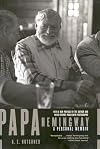
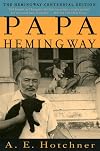
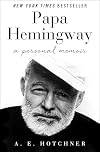
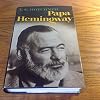
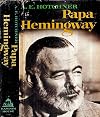
Papa Hemingway
by A. E. Hotchner
On This Page
Description
An intimate, joy-filled portrait and New York Times bestseller, written by one of Hemingway's closest friends: "It is hard to imagine a better biography" (Life). In 1948, A. E. Hotchner went to Cuba to ask Ernest Hemingway to write an article on "The Future of Literature" for Cosmopolitan magazine. The article never materialized, but from that first meeting at the El Floridita bar in Havana until Hemingway's death in 1961, Hotchner and the Nobel and Pulitzer Prize–winning author developed show more a deep and abiding friendship. They caroused in New York City and Rome, ran with the bulls in Pamplona, hunted in Idaho, and fished the waters off Cuba. Every time they got together, Hemingway held forth on an astonishing variety of subjects, from the art of the perfect daiquiri to Paris in the 1920s to his boyhood in Oak Park, Illinois. Thankfully, Hotchner took it all down. Papa Hemingway provides fascinating details about Hemingway's daily routine, including the German army belt he wore and his habit of writing descriptive passages in longhand and dialogue on a typewriter, and documents his memories of Gertrude Stein, F. Scott Fitzgerald, Martha Gellhorn, Marlene Dietrich, and many of the twentieth century's most notable artists and celebrities. In the literary icon's final years, as his poor health began to affect his work, Hotchner tenderly and honestly portrays Hemingway's valiant attempts to beat back the depression that would lead him to take his own life. Deeply compassionate and highly entertaining, this "remarkable" New York Times bestseller "makes Hemingway live for us as nothing else has done" (The Wall Street Journal). Biography & Autobiography. Language Arts. Nonfiction. show lessTags
Recommendations









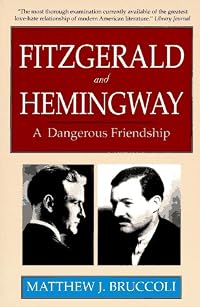

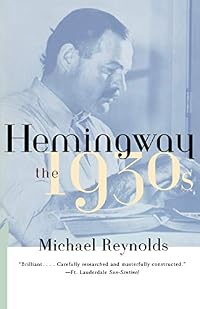
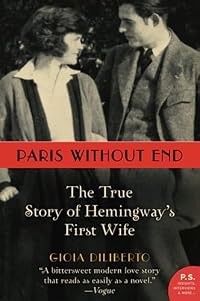

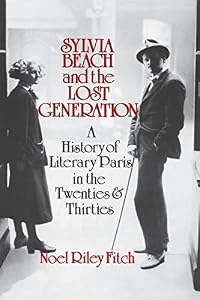






Member Reviews
I grew up in Idaho, approximately three hours’ drive from where Hemingway met his sad end. As it happens, I didn’t know that he had died in my home state until after it was no longer my home state, as my family moved to Tennessee before my Grade 11 year. To be fair, Hemingway isn’t a writer that children should really be exposed to, but still I am surprised that the fact was not not more widespread in the general cultural consciousness.
I happened to finish this book on the 62nd anniversary of Papa’s death, 2 July 2023. In fact, I stayed up to 23:30 at night to make sure I finished the last chapter on that day. This is perhaps the most significant anniversary of Papa’s death, since he would have turned 62 on 21 July 1961, show more Hotchner’s book, correctly called a memoir rather than a biography, chronicled a significant amount of the author’s experiences along the fringes of Hemingway’s entourage. Hemingway maintains his reputation as a larger-than-life literary master, maintaining relationships with many of the leading lights from literature and other forms of entertainment from the 1920s to the 1950s.
The pacing of the book is somewhat uneven, and there are many portions in which Hotchner describes Hemingway from afar, through letters, phone calls, or even press accounts. I think it would be a bit better had the book stayed within the times when Hotchner was in Hemingway’s presence. Then, the tone could have shifted markedly once Hemingway’s mental illnesses became impossible to suppress any longer. Their suppression, principally by Papa himself, is unsurprising, since, as Hotchner reports, he was ever fearful of losing his “equipment,” his mind and his talent, This fear is typically the case with public figures who rely on the power of their minds. Two other prominent examples come to mind: the only American to officially be recognized as world chess champion; and the great comedian Robin Williams, whose manic behavior, in retrospect, kept the “demons” at bay.
I enjoyed this book and it has inspired me to restart my own writing, which became stalled due to everyone’s favorite pandemic and the pressures that came with it. show less
I happened to finish this book on the 62nd anniversary of Papa’s death, 2 July 2023. In fact, I stayed up to 23:30 at night to make sure I finished the last chapter on that day. This is perhaps the most significant anniversary of Papa’s death, since he would have turned 62 on 21 July 1961, show more Hotchner’s book, correctly called a memoir rather than a biography, chronicled a significant amount of the author’s experiences along the fringes of Hemingway’s entourage. Hemingway maintains his reputation as a larger-than-life literary master, maintaining relationships with many of the leading lights from literature and other forms of entertainment from the 1920s to the 1950s.
The pacing of the book is somewhat uneven, and there are many portions in which Hotchner describes Hemingway from afar, through letters, phone calls, or even press accounts. I think it would be a bit better had the book stayed within the times when Hotchner was in Hemingway’s presence. Then, the tone could have shifted markedly once Hemingway’s mental illnesses became impossible to suppress any longer. Their suppression, principally by Papa himself, is unsurprising, since, as Hotchner reports, he was ever fearful of losing his “equipment,” his mind and his talent, This fear is typically the case with public figures who rely on the power of their minds. Two other prominent examples come to mind: the only American to officially be recognized as world chess champion; and the great comedian Robin Williams, whose manic behavior, in retrospect, kept the “demons” at bay.
I enjoyed this book and it has inspired me to restart my own writing, which became stalled due to everyone’s favorite pandemic and the pressures that came with it. show less
This covers 1948 and 1961 during which time Ernest Hemingway drew in fellow author, editor and playwright A.E. Hotchner into his inner circle. They traveled together, including raucous and risky forays into the bull-fighting ferias of Spain (once Hotchner even was goaded into acting as a matador in an actual bullfight), fishing the waters off Cuba Papa had prowled seeking U-boats, hunted in Idaho, ran with the bulls in Pamplona, and more. For fourteen years, Hotchner and Hemingway shared their thoughts and careers with Hotch acting as agent and representative. As Hemingway reminisced about his childhood, recalled the Paris literary scene of the twenties, and recounted the many real events that lay behind his fiction, including The Sun show more Also Rises, The Old Man and the Sea, and For Whom the Bell Tolls, Hotchner took it all down.
What may have made this book controversial at the time is the final act. This part seeks to unravel why Ernest Hemingway took his own life, shooting himself at his Idaho home while his wife Mary slept. Hotch blames growing depression over the realisation that the best days of his writing career had come to an end and bolsters this with noted conversations and a couple of previous suicide attempts. Signs such a personality disorder of undetermined cause and the toil of hospitalization on the independent, free spirit. Dismissed as part of the end of life delusions is FBi surveillance, which apparently was true, after all. show less
What may have made this book controversial at the time is the final act. This part seeks to unravel why Ernest Hemingway took his own life, shooting himself at his Idaho home while his wife Mary slept. Hotch blames growing depression over the realisation that the best days of his writing career had come to an end and bolsters this with noted conversations and a couple of previous suicide attempts. Signs such a personality disorder of undetermined cause and the toil of hospitalization on the independent, free spirit. Dismissed as part of the end of life delusions is FBi surveillance, which apparently was true, after all. show less
A very personal look at Ernest Hemingway.
Many insights into Hemingway. Clearly he was very bright and clearly he was severely emotionally ill at the time he shot himself.
Interesting vignettes of his time in Cuba and Spain and of his love for bullfighting and matadors. Many things came together at the end of his life to diminish his capabilities and lead to his depression and anxiety.
Given his family history there must be a genetic contribution to his emotional illness and suicide. Clearly the attempts to treat his emotional illness failed dismally.
THe author clearly knew Hemingway well and had a lot of insight into his mind.
Some of the information about Hemingway’s work habits were very interesting.
Many insights into Hemingway. Clearly he was very bright and clearly he was severely emotionally ill at the time he shot himself.
Interesting vignettes of his time in Cuba and Spain and of his love for bullfighting and matadors. Many things came together at the end of his life to diminish his capabilities and lead to his depression and anxiety.
Given his family history there must be a genetic contribution to his emotional illness and suicide. Clearly the attempts to treat his emotional illness failed dismally.
THe author clearly knew Hemingway well and had a lot of insight into his mind.
Some of the information about Hemingway’s work habits were very interesting.
A memoir of A.E. Hotchner a journalist who spent years with Hemingway in his later years as a friend and confidant. The book is insightful in getting a feel for the twilight of Hemingway's life and the struggles he encountered at the end. It was curious to me that Hotchner was taken in to Hemingway's confidences from an encounter as a journalist covering a story on him. Regardless Hotchner does become this and the book highlights the times they spent together around the world and at Hemingway's residences. It was a sad ending as Hemingway sinks into his depression and paranoia that led to his suicide. Not particularly pleasant material as he struggles to recapture his past and lifestyle that as in most such cases is not doable. show more Hemingway will always hold as a legend but in reality much of his life had to do with his struggles to maintain the life of adventure and experience. show less
This was a fascinating look by his son. I would have loved more details and more insight, yet it shows hemingways life through the eyes of his son.
This is a personal memoir by Hotchner, who was a close friend of Hemingway's throughout the last 14 years of his life. Many of the stories told here are not surprising. Most who are familiar with Hemingway and his work will not be surprised to learn that he liked to fish, drink, make love, and go to bull fights. On the other hand, the Hemingway fan will get a better insight into what made Papa tick and just what led to his ultimate destruction.
The biggest drawback that I found to the memoir was that Hotchner sometimes introduces people without explaining who they are to the reader. That is fine with more famous people, like Ava Gardner and Gary Cooper, but there are other people who have a close relationship with Hemingway who just show more appear in the book without any introduction. I found this to be off-putting and frustrating.
Despite this major flaw, I found the book to be helpful in allowing me to know who Hemingway really was as his friends saw him, and I found Hotchner's ending to be poignant, touching, and even a tad motivational. I was also impressed with the obvious influence Papa had on Hotchner's writing style. He used the same short sentences as Hemingway, and he got right to the action and wasted little time beating around the bush. The best accolade that I can give this book is that it made me want to read more Hemingway. I really liked it. show less
The biggest drawback that I found to the memoir was that Hotchner sometimes introduces people without explaining who they are to the reader. That is fine with more famous people, like Ava Gardner and Gary Cooper, but there are other people who have a close relationship with Hemingway who just show more appear in the book without any introduction. I found this to be off-putting and frustrating.
Despite this major flaw, I found the book to be helpful in allowing me to know who Hemingway really was as his friends saw him, and I found Hotchner's ending to be poignant, touching, and even a tad motivational. I was also impressed with the obvious influence Papa had on Hotchner's writing style. He used the same short sentences as Hemingway, and he got right to the action and wasted little time beating around the bush. The best accolade that I can give this book is that it made me want to read more Hemingway. I really liked it. show less
Hemingway, Ernest, 1899-1961/Hotchner, A. E. > Friends and associates/Authors, American > 20th century > Biography/Journalists > United States > Biography
Members
- Recently Added By
Published Reviews
ThingScore 50
Hotchner is not a great writer, of course, but his style is enough to move you through without too much roughness or too much involuteness. Hotchner adapted some of Hem’s work for television and the movies. In other words, Hotch made it off of Ernie and Ernie made it too. Hotchner often acted as middle-man in dickering for rights. Hem had an aptitude for picking the proper friends; he show more learned it early and stayed with it late...
The tragedy is the American situation where a man has to be a winner. Nothing else is acceptable. And when the winner comes down he saves nothing. Winner take nothing. Hotchner finishes the book: “Ernest had had it right: Man is not made for defeat. Man can be destroyed but not defeated.” show less
The tragedy is the American situation where a man has to be a winner. Nothing else is acceptable. And when the winner comes down he saves nothing. Winner take nothing. Hotchner finishes the book: “Ernest had had it right: Man is not made for defeat. Man can be destroyed but not defeated.” show less
added by SnootyBaronet
Lists

Best Biographies
216 works; 26 members
Author Information

A. E. Hotchner is a dramatist, novelist, screenwriter, and biographer
Some Editions
Awards and Honors
Distinctions
Notable Lists
Common Knowledge
- Canonical title
- Papa Hemingway
- Original title
- Papa Hemingway
- Original publication date
- 1966
- People/Characters
- Ernest Hemingway; A. E. Hotchner; Mary Hemingway; Count Federico Kechler; Adriana Ivancich; "Haŕry" Cipriani (show all 18); Ingrid Bergman; Roberto Rossolini; Jigee Viertel; Ava Gardner; Luis Miguel Dominguín; Gary Cooper; Antonio Ordoñez; Teddy Jo Paulsen; Bill Davis; Honor Johns; Duke McMullen; Chuck Atkinson
- Important places
- Havana, Cuba; San Francisco de Paula, Cuba; New York, New York, USA; Paris, France; Venice, Veneto, Italy; Cuneo, Piedmont, Italy (show all 16); Nice, Alpes-Maritimes, Provence-Alpes-Côte d'Azur, France; Carcassonne, Aude, Occitanie, France; Madrid, Spain; Key West, Florida, USA; Zaragoza, Aragon, Spain; Ketchum, Idaho, USA; Pamplona, Navarre, Spain; Churriana, Spain; St.-Jean-de-Luz, Spain; Rochester, Minnesota, USA
- Epigraph
- There are some things which connot be learned quickly, and time, which is all we have, mst be paid heavily for their acquiring. They are the very simplest things, and because it takes a man's life to know them the little new... (show all) that each man gets from life is very costly and the only heritage he has to leave. Death in the Afternoon
- Dedication
- For Sally Hotchner
- First words
- In the spring of 1948 I was dispatched to Cube to make a horse's ass out of myself by asking Ernest Hemingway to write an article on "The Future of Literature."
- Last words
- (Click to show. Warning: May contain spoilers.)Ernest had had it right: Man is not made for defeat. Man can be destroyed but not defeated.
- Original language*
- Anglais (Etats-Unis) (Etats-Unis)
*Some information comes from Common Knowledge in other languages. Click "Edit" for more information.
Classifications
Statistics
- Members
- 858
- Popularity
- 31,647
- Reviews
- 7
- Rating
- (4.03)
- Languages
- 14 — Chinese, Czech, Danish, English, Estonian, Finnish, French, German, Italian, Norwegian (Bokmål), Norwegian, Polish, Slovenian, Swedish
- Media
- Paper, Audiobook, Ebook
- ISBNs
- 27
- ASINs
- 40