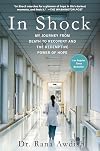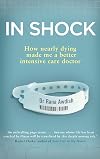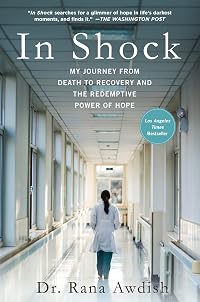
In Shock: My Journey from Death to Recovery and the Redemptive Power of Hope
by Rana Awdish
On This Page
Description
"The gripping story of a physician who suddenly became a dying patient, and a riveting exploration into the worlds of personal loss and faltering medical care. Dr. Rana Awdish never imagined that an emergency trip to the hospital would result in hemorrhaging nearly all of her blood volume and losing her unborn child. Awdish spent months fighting for her life, enduring consecutive major surgeries and multiple overlapping organ failures. At each step of the way, Awdish faced something even show more more unexpected: her fellow doctors' inability to truly see or acknowledge the pain of loss and human suffering. This exacting emotional distance was completely at odds with the vision of medicine she had aspired to. Yet, heartbreakingly, she recognized herself in every failure--the product of a culture that had normalized clinical distance and hardwired self-protective barriers into medical training. As she finds herself on the other side of the same partitions she was trained to construct, Awdish artfully illuminates the dysfunction of disconnection for everyone involved. It is through her unflinching examination of the fatal flaws in a well-intentioned but often-misguided standard of care that Awdish achieves a crystalline vision of a different and better possibility for us all. Shatteringly personal yet wholly universal, In Shock offers a brave road map for anyone navigating illness and presents physicians with a new paradigm and rationale for cultivating emotional bonds with their patients."--Jacket. show lessTags
Recommendations
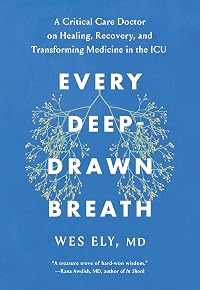
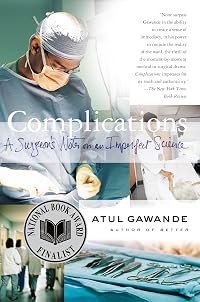
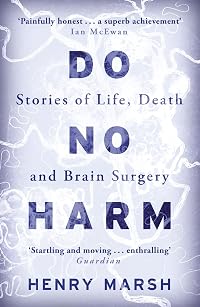
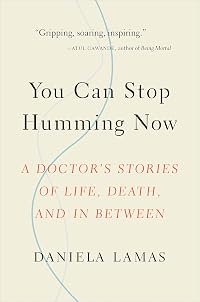
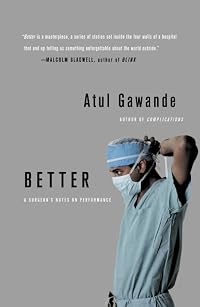
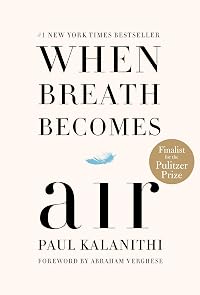

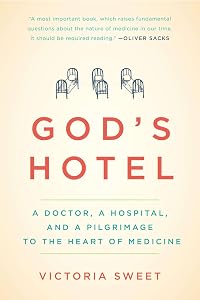
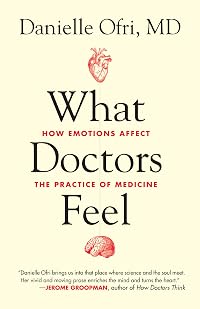


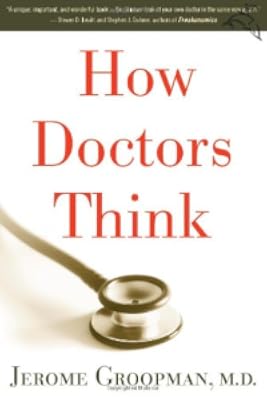

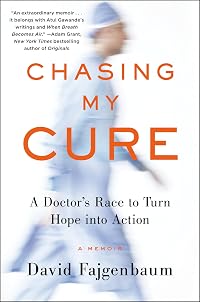


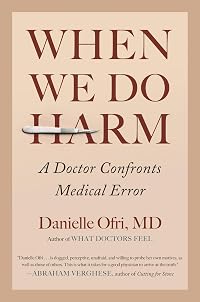

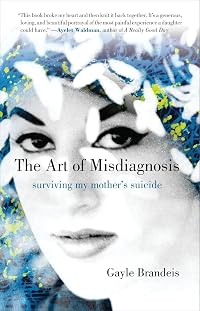
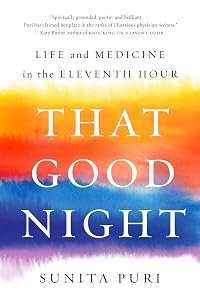
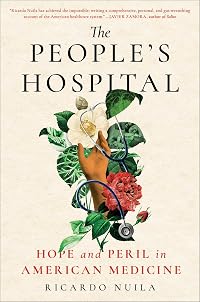
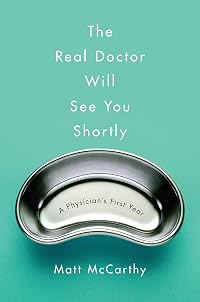
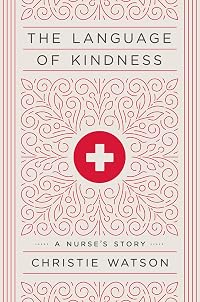

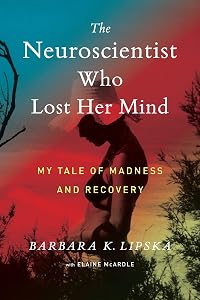
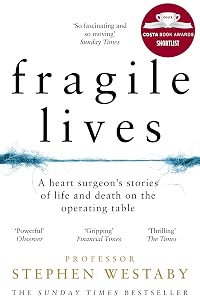
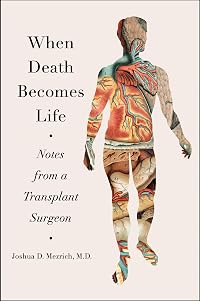
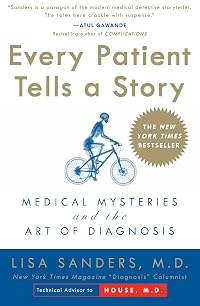




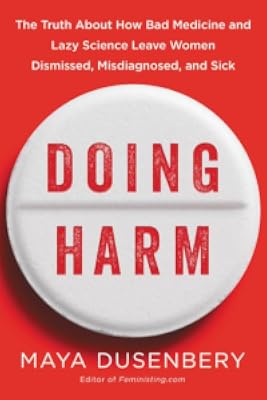
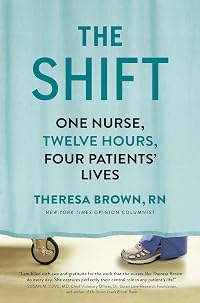
Member Recommendations
Member Reviews
A truly gripping account of a pregnancy gone heartbreakingly wrong at seven months, filled with precise explanations in 'medicalese,' IN SHOCK: MY JOURNEY FROM DEATH TO RECOVERY AND THE REDEMPTIVE POWER OF HOPE (2018), by Dr Rana Awdish, will draw you in a page at a time, making you an unseen but wholly empathetic character in her story of going suddenly from doctor to patient in her own hospital (Henry Ford Hospital in Detroit). Awdish's emergency with internal bleeding was initially diagnosed as HELLP, a rare condition associated with preeclampsia. It caused her to lose her baby in a C-section delivery and completely bleed out, as she received massive transfusions. Indeed, the doctors treating her expected her to die. Barely show more conscious, she could hear them saying, "We're losing her ... She's circling the drain!"
But Awdish survived, and underwent months into years of additional treatment and surgeries as they found two tumors in her liver which had probably caused the initial emergency. During all these later surgeries and treatments, Awdish went back to work, doing rounds and teaching, and also began lecturing on the importance of empathy and really listening to patients and seeing them as people, because she had been shocked by the cavalier attitudes of some of the doctors who had treated her. Awdish also tells of her gradual healing and the steadfast love of her husband and her subsequent pregnancy and preemie baby and her worries that she could still die at a young age.
Awdish is an excellent writer and her story will quickly draw you in. This is a good book. Very highly recommended.
- Tim Bazzett, author of the memoir, BOOKLOVER show less
But Awdish survived, and underwent months into years of additional treatment and surgeries as they found two tumors in her liver which had probably caused the initial emergency. During all these later surgeries and treatments, Awdish went back to work, doing rounds and teaching, and also began lecturing on the importance of empathy and really listening to patients and seeing them as people, because she had been shocked by the cavalier attitudes of some of the doctors who had treated her. Awdish also tells of her gradual healing and the steadfast love of her husband and her subsequent pregnancy and preemie baby and her worries that she could still die at a young age.
Awdish is an excellent writer and her story will quickly draw you in. This is a good book. Very highly recommended.
- Tim Bazzett, author of the memoir, BOOKLOVER show less
It is hard to believe that this incredible and intensely moving story actually happened. When thirty-three year old Dr. Rana Awdish was seven months pregnant, she became critically ill. Her symptoms were excruciating pain, disorientation, vomiting, and profuse bleeding. What followed was a protracted ordeal that would continue on and off for years. Awdish's survival is nothing short of a miracle. Her poignant memoir, "In Shock," tracks her debilitating illness and long road to recovery. She eloquently expresses what it was like to undergo major surgery and face an uncertain future: "When we are sick, we are humbled by our dependency on others, the loss of control, [and] the uncertainty of the ending."
Awdish believes that too many show more physicians have not mastered the art of communicating with their patients. Overworked doctors and nurses are fatigued, under great stress, and are sometimes encouraged to distance themselves emotionally. The author would like health practitioners to actively listen to their patients; convey information clearly and sensitively; remember that people who are very sick tend to feel helpless, isolated, and frightened; avoid alarming patients unnecessarily; and to tell them—at the right time--what they need to know.
Rana Adwish regularly lectures medical professionals about techniques for improving their interactions with patients. She writes from the heart, since she knows from experience how devastating a serious illness can be. The passages that describe Awdish's suffering are harrowing. Adding to her pain were the thoughtless comments that doctors and nurses made in her presence. For example, when she took her first halting steps in the hospital hallway, she met a colleague who blurted out, "I thought you were dead."
Dr. Adwish believes that physicians and nurses would be more effective caregivers if they looked beyond the pathology to the human being in the hospital gown. She would like practitioners to offer the same compassionate healing to their patients that, in similar circumstances, they would want for themselves and their loved ones. show less
Awdish believes that too many show more physicians have not mastered the art of communicating with their patients. Overworked doctors and nurses are fatigued, under great stress, and are sometimes encouraged to distance themselves emotionally. The author would like health practitioners to actively listen to their patients; convey information clearly and sensitively; remember that people who are very sick tend to feel helpless, isolated, and frightened; avoid alarming patients unnecessarily; and to tell them—at the right time--what they need to know.
Rana Adwish regularly lectures medical professionals about techniques for improving their interactions with patients. She writes from the heart, since she knows from experience how devastating a serious illness can be. The passages that describe Awdish's suffering are harrowing. Adding to her pain were the thoughtless comments that doctors and nurses made in her presence. For example, when she took her first halting steps in the hospital hallway, she met a colleague who blurted out, "I thought you were dead."
Dr. Adwish believes that physicians and nurses would be more effective caregivers if they looked beyond the pathology to the human being in the hospital gown. She would like practitioners to offer the same compassionate healing to their patients that, in similar circumstances, they would want for themselves and their loved ones. show less
(48) Wow. The author is a critical care physician who has a devastating sudden diagnosis while pregnant that results in loss of her baby and almost her life. She recounts this experience and the long road to recovery with precision, poetry, and humility. It is powerful. So powerful for a fellow physician like myself who has has been a patient in difficult circumstances. To truly learn how vulnerable it is to be sick and frightened and to learn that our words as physicians matter - really matter -- was one of my life's greatest lessons.
I think the beginning of the book was most powerful. I had to eventually take a star off because it began to get a bit preachy. Her various setbacks and ways in which she was dismissed by her care show more providers started to sound contrived. I did not like the 'communication tips,' part at the end. Tell the story; let it stand. Don't dumb it down. Then use the rest to write a different kind of book another time.
I feel like this is a club - physicians who have been through devastating illnesses and come out the other side with this incredible clarity; almost a superpower.. I like the idea of being stronger at the broken places. The person you become is different than the person you would have been - you can't imagine your life without the suffering. The person you were doesn't exist anymore - on a cellular or an emotion level. a ghost. We bring our ghosts into every encounter - I am left thinking about that. Thank-you for writing this. show less
I think the beginning of the book was most powerful. I had to eventually take a star off because it began to get a bit preachy. Her various setbacks and ways in which she was dismissed by her care show more providers started to sound contrived. I did not like the 'communication tips,' part at the end. Tell the story; let it stand. Don't dumb it down. Then use the rest to write a different kind of book another time.
I feel like this is a club - physicians who have been through devastating illnesses and come out the other side with this incredible clarity; almost a superpower.. I like the idea of being stronger at the broken places. The person you become is different than the person you would have been - you can't imagine your life without the suffering. The person you were doesn't exist anymore - on a cellular or an emotion level. a ghost. We bring our ghosts into every encounter - I am left thinking about that. Thank-you for writing this. show less
I was first attracted to this book because it was written by a doctor. I thought it may have been about a doctor who had had a near death experience (I read a book like this a few years ago), what I was greeted with so much more. This was a slow to start book but well worth persevering with as the story contained within its pages is very powerful and at times gut-wrenching. However, it also showcases Dr Awdish’s own personal development and growth through an extremely harrowing time for her and her family. It also opened her eyes to how, at least at her own hospital (the story is set in America), impersonal the medical profession is. Her discovery of this as a patient herself led to her being a pioneer for change whereby the patients show more were treated as human beings and not an illness or surgery that needed performing.
Dr Awdish being a change pioneer though was only part of the story. A big part of the story was really about learning to make her own voice heard in spite of how much pain she was in. The description of her horrific trauma and the toll that that put on not only herself but also her husband and wider family unit, tugged at the heart strings. More than that though, it showed Awdish deal with the ramifications of a misdiagnosis of her initial symptoms, to eventually finding out what really was the problem and getting that rectified, to having her second child (she lost her first one as a result of the severe trauma suffered through her blood loss). This is a story of triumph, positive change where it was needed most, and finding your voice so that you can be heard instead of depending on others to speak up for you because you’re physically unable to do so. show less
Dr Awdish being a change pioneer though was only part of the story. A big part of the story was really about learning to make her own voice heard in spite of how much pain she was in. The description of her horrific trauma and the toll that that put on not only herself but also her husband and wider family unit, tugged at the heart strings. More than that though, it showed Awdish deal with the ramifications of a misdiagnosis of her initial symptoms, to eventually finding out what really was the problem and getting that rectified, to having her second child (she lost her first one as a result of the severe trauma suffered through her blood loss). This is a story of triumph, positive change where it was needed most, and finding your voice so that you can be heard instead of depending on others to speak up for you because you’re physically unable to do so. show less
This book gave me a lot to think about, and awed me by the willingness of Awdish to take a hard look at how she treated patients, and her willingness to work to train new awareness in her fellow doctors. Also by the amount of pain and suffering she went through during her illness and healing.
I have a nursing background, and thoroughly appreciated the mention of the many procedures, diagnoses, and treatments.
This was heard as an audiobook, beautifully and caringly read. Yet that also means I am unable to copy out any of my favorite passages.
I have a nursing background, and thoroughly appreciated the mention of the many procedures, diagnoses, and treatments.
This was heard as an audiobook, beautifully and caringly read. Yet that also means I am unable to copy out any of my favorite passages.
The quickest way to learn about pain is to experience it.
Dr. Rana Awdish (a medical resident) was rushed through the ER doors under extreme circumstances. She was seven months pregnant and felt nauseated with sudden health symptoms. On this “ordinary day,” she instantly knew she needed to get to the hospital. She later learned that she had a rare pregnancy complication (HELLP syndrome) that affects the blood and liver.
Awdish, a critical care physician, writes about her recovery and how it changed her approach to helping patients. She said in medical school, they studied diseases, not people. Now it was her goal to help doctors understand the importance of both – the medical side and also the significance of being compassionate by show more listening to their patients.
This book is written for the medical professionals focusing on good bedside manner as well as patients who can take away tips on how to heal. It’s engaging from the start and fascinating as it deals with a topic where we can all learn from her personal experiences.
In the last part of the book, she fast forwards to the day when she was able to get pregnant for the second time. Some people were quick to tell her this was not a good idea. Yet, she and her husband ignored their remarks. And guess what?
At the end, she provides some helpful communication tips. show less
Dr. Rana Awdish (a medical resident) was rushed through the ER doors under extreme circumstances. She was seven months pregnant and felt nauseated with sudden health symptoms. On this “ordinary day,” she instantly knew she needed to get to the hospital. She later learned that she had a rare pregnancy complication (HELLP syndrome) that affects the blood and liver.
Awdish, a critical care physician, writes about her recovery and how it changed her approach to helping patients. She said in medical school, they studied diseases, not people. Now it was her goal to help doctors understand the importance of both – the medical side and also the significance of being compassionate by show more listening to their patients.
This book is written for the medical professionals focusing on good bedside manner as well as patients who can take away tips on how to heal. It’s engaging from the start and fascinating as it deals with a topic where we can all learn from her personal experiences.
In the last part of the book, she fast forwards to the day when she was able to get pregnant for the second time. Some people were quick to tell her this was not a good idea. Yet, she and her husband ignored their remarks. And guess what?
At the end, she provides some helpful communication tips. show less
The author has written a powerful book, which provides her story of severe sickness. She is aN ICU doctor and she became a patient in her own hospital. She learned much from this life event. She is trying to improve communication between doctors and patients. She has given lectures explaining how doctors can be psychologically damaging to their patients and themselves. I am glad to have the opportunity to learn from her without having to go through her pain.
Members
- Recently Added By
Author Information
3 Works 231 Members
Common Knowledge
- Original publication date
- 2018-01-25
- People/Characters
- Dr. Rana Awdish
- Dedication
- Dedicated to Randy
- First words
- All pain becomes abstract in retrospect.
- Original language
- English
Classifications
Statistics
- Members
- 222
- Popularity
- 147,297
- Reviews
- 7
- Rating
- (4.26)
- Languages
- English, Italian
- Media
- Paper, Audiobook, Ebook
- ISBNs
- 12
- ASINs
- 2