On This Page
Description
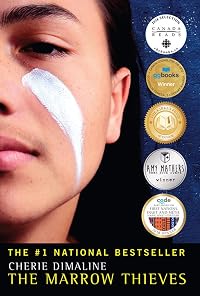
"In a future world ravaged by global warming, people have lost the ability to dream, and the dreamlessness has led to widespread madness. The only people still able to dream are North America's indigenous population - and it is their marrow that holds the cure for the rest of the world. But getting the marrow - and dreams - means death for the unwilling donors. Driven to flight, a 15-year-old and his companions struggle for survival, attempt to reunite with loved ones, and take refuge from show more the "recruiters" who seek them out to bring them to the marrow-stealing 'factories.'"-- show lessTags
Recommendations


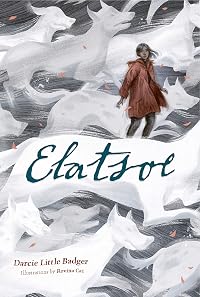
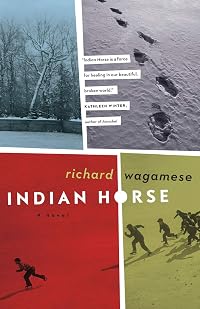
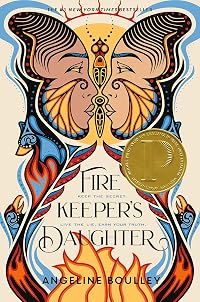
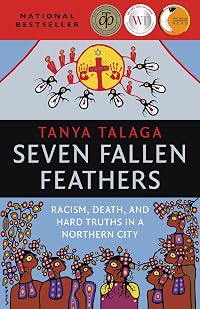
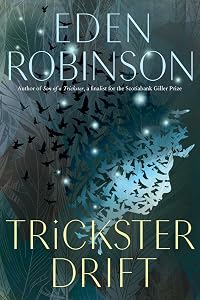
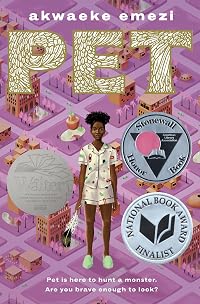
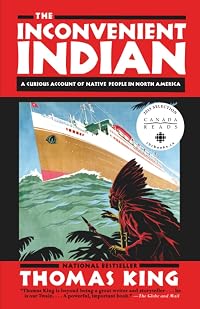
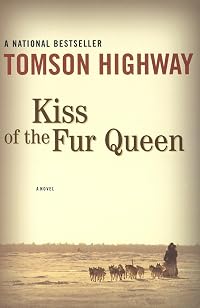
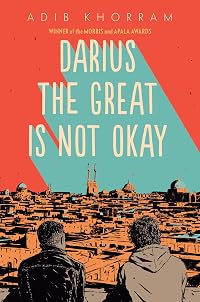

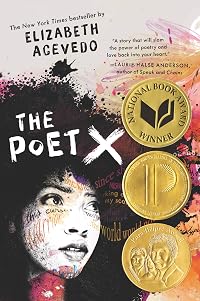


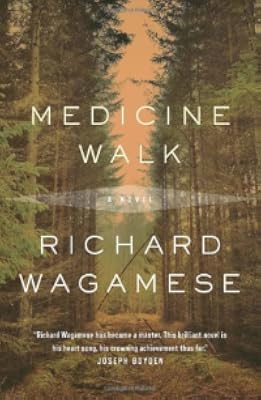
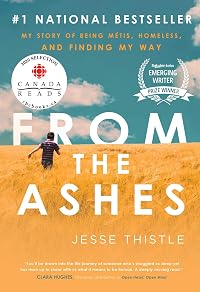
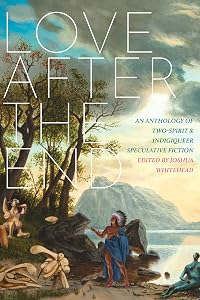
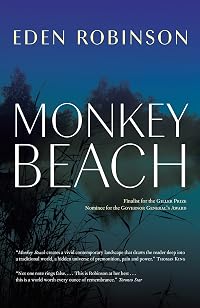
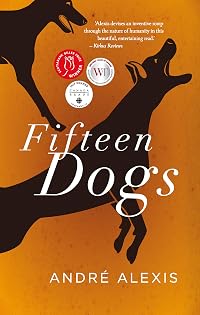

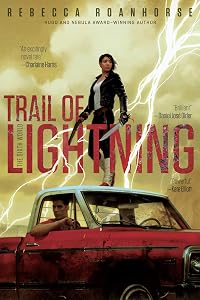
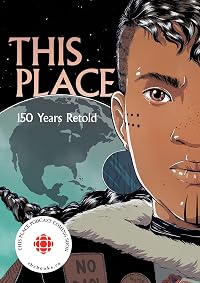
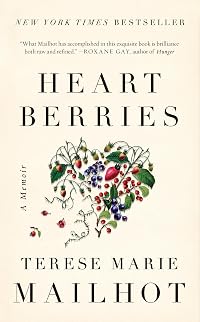
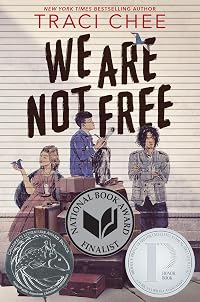
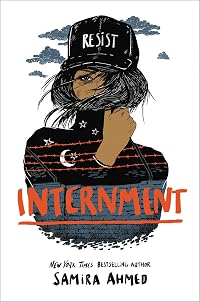


Member Recommendations

Member Reviews
This book is a slow burn of inconsistent pace but a persistent return to themes of loss and mourning. Dystopian on its face, the book is a much more complicated examination of family and loss in an age of crisis. The ending is perhaps too convenient, but I don't care. I still cried. It reminded me in many ways of Louise Erdrich's Future Home of the Living God, although with intentional focus on First Nations cultures and languages.
This award-winning Canadian YA novel depicts a future in which only Native Americans have retained the ability to dream. Consequently they are being hunted and harvested for a quality in their bone marrow which permits others to dream again as well. Dimaline writes this as an allegory for the ruthlessness and disrespect with which Native Americans have been treated in the past and extending into our present. This includes as well her depiction of devotion to and preservation of native culture and language, which emerges here as a kind of superpower. Hers is a harsh world, but one with a promise for those who will survive it: the eventual triumph of nature, and of those who can live in harmony with it.
The starting premise — that the Indigenous people of Canada are being hunted and captured, and their bone marrow stolen — is horrific, but an excellent metaphor for the genocidal policies inflicted on them in past centuries. In spite of this horror, the kindness and solidarity of the small band of Indigenous people running towards the north is what I think really shines about this book. The characters are unforgettable, the stories of each character will etch themselves on your memory. The writing is absolutely outstanding and the book should have taken ALL the prizes it was nominated for. The question I am left with is, how far is too far, how much is too much, before people will stand up and fight for Indigenous Peoples and their show more rights? Their land is still being despoiled and polluted, and their children are still being stolen; Indigenous people are still being murdered. They still only hold 0.2% of Canada (that’s a government statistic). show less
Distopian futuristic books are not something I normally read; in fact, I wouldn't have read this at all had it not been a Canada Reads finalist. That said, I enjoyed the story and found lots of meat for discussion and contemplation within it.
This is the story of Frenchie, who enters the story around age 11 and we follow him for about 5 years. He lives in a world where environmental damage has devastated the earth. White people have lost the ability to dream and this is having serious implications for them. Aboriginal people, though, continue to dream and harvesting their bone marrow cures the white majority. Therefore, the government hires "recruiters" who capture Aboriginals and take them to "schools" where they die as a result of the show more harvesting process.
As the story opens, Frenchie has already lost both his parents and is about to lose his only sibling. He meets up with a group of Aboriginal people who are travelling to the (relative) safety of the North. The story tells of their challenges, the ever-present danger of recruiters, the lack of food, water, clothing, and their back-stories.
The book raises awareness of the evil of racism, both present and historical (i.e., the residential school system). We learn about the importance of Aboriginal traditions and history in keeping people strong. There are serious issues presented such as what would you do to protect your family? What are you capable of doing?
While not my favourite type of book, I think it's a good choice for Canada Reads because of the universal themes and messages set in a context of racism and environmental damage which are relevant today. show less
This is the story of Frenchie, who enters the story around age 11 and we follow him for about 5 years. He lives in a world where environmental damage has devastated the earth. White people have lost the ability to dream and this is having serious implications for them. Aboriginal people, though, continue to dream and harvesting their bone marrow cures the white majority. Therefore, the government hires "recruiters" who capture Aboriginals and take them to "schools" where they die as a result of the show more harvesting process.
As the story opens, Frenchie has already lost both his parents and is about to lose his only sibling. He meets up with a group of Aboriginal people who are travelling to the (relative) safety of the North. The story tells of their challenges, the ever-present danger of recruiters, the lack of food, water, clothing, and their back-stories.
The book raises awareness of the evil of racism, both present and historical (i.e., the residential school system). We learn about the importance of Aboriginal traditions and history in keeping people strong. There are serious issues presented such as what would you do to protect your family? What are you capable of doing?
While not my favourite type of book, I think it's a good choice for Canada Reads because of the universal themes and messages set in a context of racism and environmental damage which are relevant today. show less
So much of this book contains hurt, fear, internal pain, loneliness, but the ending is so rightfully redemptive. A coming-of-age of Frenchy, a young First Nations boy who slowly loses his family as all those working for the dominant society hunt all Native peoples down in their attempt to develop a quick fix for all the destruction their own technology has wreaked on this planet and on their own selves. Frenchy does soon connect up with other Natives as they flee, all holding memories of loss, all working to keep each other alive--even their elder who seems quite senile, all hoping to reach a rumored guerilla resistance.
When I finished this book, I thought of how powerful the Native languages are, and how important it must have been to show more the author to assert this. I also realized that there is no exclusion in this: that any of us who can dream our roots down into the earth are connected, tho it may take the True Words to bring down the web of technology that currently has us snared. show less
When I finished this book, I thought of how powerful the Native languages are, and how important it must have been to show more the author to assert this. I also realized that there is no exclusion in this: that any of us who can dream our roots down into the earth are connected, tho it may take the True Words to bring down the web of technology that currently has us snared. show less
"Sometimes you risk everything for a life worth living, even if you're not the one that'll be alive to live it."
Cherie Dimaline does it again. The Marrow Thieves was a fantastic ride I did not want to end. Dimaline's writing is so captivating that you have no choice but to follow where she's taking you. Her imagery and prose are so vivid you are propelled into the action of the story. Dimaline is becoming one of my favorite authors and I will buy anything she writes going forward.
What I love the most about Dimaline's writing is her love of Indigenous people, the way she spreads the truth about their history and the moments of hope interspersed in between. This was a dystopian tale but she maintained the importance of community, show more traditions and found family. From the very beginning I was invested in their survival. The writing is so mesmerizing I was hanging on every word and detail. I really appreciated their growth and how they weren't all written as a monolith.
The dystopian tale was written as a reminder that the murder and commodification of Indigenous bodies is not new and continues to evolve into different things because of capitalism and settler colonialism. This story highlights the ways that Indigenous people continue to survive and pave a way into the future by holding on to their ancestral ways.
Main themes that resonated were:
💥 Indigenous genocide is not over
💥 Settler colonialism continues to displace Indigenous people from their land and deprive them of resources
💥 Erasure of Indigenous culture continues to be a violent process
💥 Community is the backbone of society
💥 Found family doesn't replace blood family but is still just as valuable
💥 Ancestral knowledge is priceless and offers survival tactics
💥 What is happening to Indigenous people today is dystopia
💥 Love can grow in the darkest of places
💥 To be an ally, you have to be willing to die with those you are trying to save
The Marrow Thieves finished in a way that provided some relief but left a reminder that the journey was just beginning. For Indigenous people, the future is unknown but their will and ability to survive is unmatched. Grab yourself a copy of this one ASAP. show less
Cherie Dimaline does it again. The Marrow Thieves was a fantastic ride I did not want to end. Dimaline's writing is so captivating that you have no choice but to follow where she's taking you. Her imagery and prose are so vivid you are propelled into the action of the story. Dimaline is becoming one of my favorite authors and I will buy anything she writes going forward.
What I love the most about Dimaline's writing is her love of Indigenous people, the way she spreads the truth about their history and the moments of hope interspersed in between. This was a dystopian tale but she maintained the importance of community, show more traditions and found family. From the very beginning I was invested in their survival. The writing is so mesmerizing I was hanging on every word and detail. I really appreciated their growth and how they weren't all written as a monolith.
The dystopian tale was written as a reminder that the murder and commodification of Indigenous bodies is not new and continues to evolve into different things because of capitalism and settler colonialism. This story highlights the ways that Indigenous people continue to survive and pave a way into the future by holding on to their ancestral ways.
Main themes that resonated were:
💥 Indigenous genocide is not over
💥 Settler colonialism continues to displace Indigenous people from their land and deprive them of resources
💥 Erasure of Indigenous culture continues to be a violent process
💥 Community is the backbone of society
💥 Found family doesn't replace blood family but is still just as valuable
💥 Ancestral knowledge is priceless and offers survival tactics
💥 What is happening to Indigenous people today is dystopia
💥 Love can grow in the darkest of places
💥 To be an ally, you have to be willing to die with those you are trying to save
The Marrow Thieves finished in a way that provided some relief but left a reminder that the journey was just beginning. For Indigenous people, the future is unknown but their will and ability to survive is unmatched. Grab yourself a copy of this one ASAP. show less
I kept seeing everyone recommend The Marrow Thieves everywhere, and for so often, that I finally caved and checked it out from the library. Although I find some faults with the concept, I very much enjoyed this highly metaphorical novel.
Content warnings:
- residential schools
- disappointing fatphobia
- rape
- indigenous slurs
Representation:
- all of the main characters are indigenous North Americans (Frenchie and Riri are Metis; Rose is biracial, with a Black and Indian father; Chi-Boy is Cree; etc.)
- one of the main characters has a deep scar across her face that permanently shuts one eye
- one of the main characters is gay/bi, with a husband
In the future, climate change has left most people without the ability to dream. The only people show more still able to dream are the indigenous North Americans (this is what I take issue with ...), and most others will do whatever they can to regain this ability. Including reinstating the old residential schools, newly turned into factories made to extract the cure-filled marrow from indigenous people's bones. Fifteen-year-old Frenchie flees North from the schools and the newly uninhabitable land, trying to reunite with his family and meeting others like him along the way. But they can't keep running forever.
So … the book ended up being both better than I thought and a bit of a disappointment. Better, because I loved the writing right away—it's funny, the quality is excellent, and it's very immersive—and the author's use of dialect to pinpoint the setting (the older generation uses real-world current slang, which usually cringily dates a book, but here it's being used to actually date the book!). Disappointing, because it included extremely unnecessary and almost intolerable fatphobia. This character (named Slopper!) has no real purpose other than being comic relief. Similarly annoying is the author's insistence on writing women and girls who have very little purpose other than being love interests or the receivers of violence. It felt like Rose's personality was stripped away shortly after her arrival in the story, and she's the love interest!
There are a lot of other critiques I have, especially regarding the romance: the insta-love isn't very convincing, which makes the entrance of the love triangle even more awkward and annoying—but I don't want to spend my time nitpicking when I really did enjoy much of this book. The one last comment I need to make is about the concept of having only one race have a cure like this. Especially something as metaphorical as this is; I took "dreaming" to mean something like still having hope for the future in a burning planet. Maybe I'm completely wrong about that, in which case my critique here will be pretty silly. But I still feel like it's a little uncomfortable having only North American indigenous people retain their ability to dream, whether that be literal or not—especially since aboriginal Australian people quite literally have spiritual and cultural beliefs surrounding a concept called, "The Dreaming." But anyway, aren't Black people indigenous, too? After everything they've been through and retained, why wouldn't they keep their own ability to dream? Nitpicking, nitpicking … But concepts like these (similar to "one gender has magic powers, etc.") always throw me.
What I love about this book is the slow unfolding of its central mystery. Whether or not dreaming is literal, how the process even works, etc. It keeps the tension ramped up, and it always wanted to keep reading after a chapter ended. The focus on oral storytelling and history was fantastic, too. Whenever one of the central characters held Story(-time) every night, it was moving and devastating and beautiful. As was the ending! It has possibly the best ending ever.
I would love to see what else this author has written. show less
Content warnings:
- residential schools
- disappointing fatphobia
- rape
- indigenous slurs
Representation:
- all of the main characters are indigenous North Americans (Frenchie and Riri are Metis; Rose is biracial, with a Black and Indian father; Chi-Boy is Cree; etc.)
- one of the main characters has a deep scar across her face that permanently shuts one eye
-
In the future, climate change has left most people without the ability to dream. The only people show more still able to dream are the indigenous North Americans (this is what I take issue with ...), and most others will do whatever they can to regain this ability. Including reinstating the old residential schools, newly turned into factories made to extract the cure-filled marrow from indigenous people's bones. Fifteen-year-old Frenchie flees North from the schools and the newly uninhabitable land, trying to reunite with his family and meeting others like him along the way. But they can't keep running forever.
So … the book ended up being both better than I thought and a bit of a disappointment. Better, because I loved the writing right away—it's funny, the quality is excellent, and it's very immersive—and the author's use of dialect to pinpoint the setting (the older generation uses real-world current slang, which usually cringily dates a book, but here it's being used to actually date the book!). Disappointing, because it included extremely unnecessary and almost intolerable fatphobia. This character (named Slopper!) has no real purpose other than being comic relief. Similarly annoying is the author's insistence on writing women and girls who have very little purpose other than being love interests or the receivers of violence. It felt like Rose's personality was stripped away shortly after her arrival in the story, and she's the love interest!
There are a lot of other critiques I have, especially regarding the romance: the insta-love isn't very convincing, which makes the entrance of the love triangle even more awkward and annoying—but I don't want to spend my time nitpicking when I really did enjoy much of this book. The one last comment I need to make is about the concept of having only one race have a cure like this. Especially something as metaphorical as this is; I took "dreaming" to mean something like still having hope for the future in a burning planet. Maybe I'm completely wrong about that, in which case my critique here will be pretty silly. But I still feel like it's a little uncomfortable having only North American indigenous people retain their ability to dream, whether that be literal or not—especially since aboriginal Australian people quite literally have spiritual and cultural beliefs surrounding a concept called, "The Dreaming." But anyway, aren't Black people indigenous, too? After everything they've been through and retained, why wouldn't they keep their own ability to dream? Nitpicking, nitpicking … But concepts like these (similar to "one gender has magic powers, etc.") always throw me.
What I love about this book is the slow unfolding of its central mystery. Whether or not dreaming is literal, how the process even works, etc. It keeps the tension ramped up, and it always wanted to keep reading after a chapter ended. The focus on oral storytelling and history was fantastic, too. Whenever one of the central characters held Story(-time) every night, it was moving and devastating and beautiful. As was the ending! It has possibly the best ending ever.
I would love to see what else this author has written. show less
Members
- Recently Added By
Lists

Best Dystopias
280 works; 277 members

Favorite Science Fiction by Women Authors
741 works; 203 members

Globe and Mail | Canadian Fiction: Jan. 29, 2022
10 works; 2 members

BBA Potential: Young Adult
22 works; 2 members

Globe and Mail | Canadian Fiction: Nov. 6, 2021
10 works; 1 member

Globe and Mail | Canadian Fiction: September 17, 2022
10 works; 1 member

stories from Canada
10 works; 2 members

Globe and Mail | Canadian Fiction: November 4, 2023
10 works; 1 member

Books recommended by Calgary Public Library staff
1,588 works; 4 members

Native American Heritage Month
17 works; 2 members

Hazel & Katniss & Harry & Starr Podcast
195 works; 1 member
Globe and Mail | Canadian Fiction: October 21, 2023
10 works; 1 member

Autochtonie
14 works; 1 member

Globe and Mail | Canadian Fiction: October 7, 2023
10 works; 1 member

Books Read in 2023
5,638 works; 147 members

Banned/Challenged Books
2 works; 1 member

Globe and Mail | Canadian Fiction: October 15, 2022
10 works; 1 member
Globe and Mail | Canadian Fiction: October 28, 2023
10 works; 1 member

Canada Reads Winners and Nominees
129 works; 9 members
Globe and Mail | Canadian Fiction: October 8, 2022
10 works; 1 member
Globe and Mail | Canadian Fiction: September 24, 2022
10 works; 1 member
Books Read in 2018
4,360 works; 110 members

Globe and Mail | Canadian Fiction: September 10, 2022
10 works; 1 member
Globe and Mail | Canadian Fiction: July 23, 2022
10 works; 1 member
Globe and Mail | Canadian Fiction: July 2, 2022
10 works; 1 member
Globe and Mail | Canadian Fiction: June 25, 2022
10 works; 1 member
Globe and Mail | Canadian Fiction: Jan. 22, 2022
10 works; 2 members
Globe and Mail | Canadian Fiction: Oct. 9, 2021
10 works; 1 member

Native American Heritage
52 works; 2 members
Indigenous America Reader
145 works; 12 members

Favorite Science Fiction
457 works; 223 members
Author Information

14+ Works 3,643 Members
Some Editions
Awards and Honors
Awards
Distinctions
Notable Lists
Series

Common Knowledge
- Original publication date
- 2017-05-22
- People/Characters
- Frenchie; Miigwans; Minerva; Wab; Chi-Boy; Rose (show all 11); RiRi; Tree; Zheegwon; Slopper; Mitch
- Important places
- Georgian Bay, Ontario, Canada; Toronto, Ontario, Canada; Northern Ontario
- Epigraph
- "The way to kill a man or nation is to cut off his dreams, the way the whites are taking care of the Indians: killing their dreams, their magic, their familiar spirits." - William S. Burroughs
"Where you've nothing else, construct ceremonies out of the air and breathe upon them." - Cormac McCarthy, The Road - Dedication
- For the Grandmothers who gave me strength. To the children who give me hope.
- First words
- Mitch was smiling so big his back teeth shone in the soft light of the solar-powered lamp we'd scavenged from someone's shed.
- Last words
- (Click to show. Warning: May contain spoilers.)Anything. Everything.
- Publisher's editor
- Jowett, Barry
- Blurbers
- Rogers, Shelagh; Reese, Debbie
- Original language
- English
- Canonical DDC/MDS
- 813.6
- Canonical LCC
- PZ7.D5954
Classifications
- Genres
- Teen, Fiction and Literature, Young Adult, Science Fiction
- DDC/MDS
- 813.6 — Literature & rhetoric American literature in English American fiction in English 2000-
- LCC
- PZ7 .D5954 — Language and Literature Fiction and juvenile belles lettres Fiction and juvenile belles lettres Juvenile belles lettres
- BISAC
Statistics
- Members
- 1,635
- Popularity
- 13,854
- Reviews
- 53
- Rating
- (4.03)
- Languages
- English, French, German
- Media
- Paper, Audiobook, Ebook
- ISBNs
- 15
- ASINs
- 4