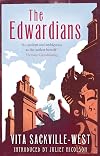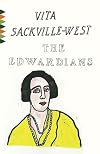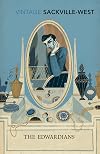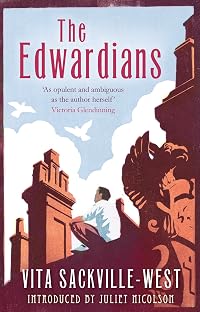
The Edwardians
by Vita Sackville-West
On This Page
Description
"An instant bestseller when it was published in 1930, this glittering satire of Edwardian high society features a privileged brother and sister torn between tradition and a chance at an independent life. Sebastian is young, handsome, moody, and the heir to Chevron, a vast and opulent ducal estate. He feels a deep love for the countryside and for his patrimony, but he loathes the frivolous social world his mother and her shallow friends represent. At one of his mother's decadent house show more parties, Sebastian meets two people who shake his sense of self: Leonard Anquetil, a lowborn arctic explorer, who questions his mode of living; and Lady Roehampton, a married society beauty with a string of lovers, who breaks his heart. When Sebastian reaches the brink of despair, it is his self-possessed younger sister, Viola, who opens for them both a gateway to another world"-- "Classic satirical novel portraying high society in England during the Edwardian period"-- show lessTags
Recommendations



















Member Reviews
The Edwardians treads ground familiar to fans of Downton Abbey or Gosford Park, and is enjoyable in a similar way. Set on a large estate (modeled almost detail-for-detail on Vita Sackville-West's beloved childhood home, Knole), the story revolves aroun, a young duke named Sebastian, his mother Lucy, and sister Viola. It is filled with illicit affairs, upstairs/downstairs interactions, and all of the societal expectations that come with being a member of the privileged class in Edwardian Britain.
Sebastian and Viola represent different sides of the author. Sebastian comes of age through sexual experimentation with different types of women. Vita was herself known for erotic exploits. Viola is smart and independent, which Vita most show more certainly was as well. Other characters in the novel had parallels to family members and friends who would have been known to readers at the time.
This book was a huge commercial success even as it portrayed the end of an era; in fact, the book ends with the coronation of George V following the death of Edward VII. The book was an interesting sort of set piece, but in many ways a "fluff piece" designed for pleasure reading, much like today's beach reads and romances. show less
Sebastian and Viola represent different sides of the author. Sebastian comes of age through sexual experimentation with different types of women. Vita was herself known for erotic exploits. Viola is smart and independent, which Vita most show more certainly was as well. Other characters in the novel had parallels to family members and friends who would have been known to readers at the time.
This book was a huge commercial success even as it portrayed the end of an era; in fact, the book ends with the coronation of George V following the death of Edward VII. The book was an interesting sort of set piece, but in many ways a "fluff piece" designed for pleasure reading, much like today's beach reads and romances. show less
I abandoned this book 120 pages in a couple of weeks ago, but my abandonment was grating on me so I went back to pick up where I left off.
Second time around I was much more in the mood for it. Although not difficult prose to read, I found it needed a certain amount of concentration, and I think background distraction on my commute originally meant I was drifting in and out of the subject matter and not connecting with it enough. I'll stand by my original opinion of the first third of the book, in that it felt like Sackville-West had the characters lined up ready to throw them into the story one after the other, and didn't think too hard about good plot devices for introducing them.
Eventually, once she'd found a flimsy excuse for lining show more up all the characters in front of the reader, a story did at last begin to emerge. In all it was light-hearted, poking fun at the first world problems of the elite class in the early 20th century. It was particularly interesting to be reading this at a time when there's all the furore over Harry and Meghan; I couldn't help but draw parallels between the young duke Sebastian, who feels very sorry for himself in terms of the pressure to fall in line with expectations for his position, and our own young Duke of Sussex.
Sackville-West wasn't afraid to poke at the unwritten rules and hypocrisies that existed amongst her own class, so in this regard there was something very fresh in her approach. However, ultimately she was no Jane Austen in terms of prose.
3.5 stars - I'm glad I went back to finish it as I enjoyed it well enough, but I doubt I'll think about it for too long. show less
Second time around I was much more in the mood for it. Although not difficult prose to read, I found it needed a certain amount of concentration, and I think background distraction on my commute originally meant I was drifting in and out of the subject matter and not connecting with it enough. I'll stand by my original opinion of the first third of the book, in that it felt like Sackville-West had the characters lined up ready to throw them into the story one after the other, and didn't think too hard about good plot devices for introducing them.
Eventually, once she'd found a flimsy excuse for lining show more up all the characters in front of the reader, a story did at last begin to emerge. In all it was light-hearted, poking fun at the first world problems of the elite class in the early 20th century. It was particularly interesting to be reading this at a time when there's all the furore over Harry and Meghan; I couldn't help but draw parallels between the young duke Sebastian, who feels very sorry for himself in terms of the pressure to fall in line with expectations for his position, and our own young Duke of Sussex.
Sackville-West wasn't afraid to poke at the unwritten rules and hypocrisies that existed amongst her own class, so in this regard there was something very fresh in her approach. However, ultimately she was no Jane Austen in terms of prose.
3.5 stars - I'm glad I went back to finish it as I enjoyed it well enough, but I doubt I'll think about it for too long. show less
"It's an awful thing to have been born a duke, a paralysing thing"
By sally tarbox on 29 August 2016
Format: Kindle Edition
Set in Chevron, a Downton Abbey type stately home in the early part of the 20th century, this is both a rollicking good read - and a consideration of a way of life that was on its way out. A world where the aristocracy might engage in illicit love affairs but with the utmost discretion for fear of being excluded from 'society'. As clear-sighted daughter of the house, Viola sums up:
"The society you live in is composed of people who are both dissolute and prudent. They want to have their fun and they want to keep their position. ..They know only a limited number of things about themselves: that they need plenty of money show more and that they must be seen in the right places, associated with the right people....They must indulge in love affairs which sometimes are artificial, and sometimes inconveniently real. Whatever happens, the world must be served first."
The novel opens with a house party at Chevron. Among the guests is a cynical explorer, of humble birth but gaining admittance through his celebrity. In a conversation with the heir to the house, Sebastian, he warns him about the life he faces:
"You are not allowed to be a free agent. Your life has been ordained for you from the beginning... You will venerate ideas and institutions because they have remained for a long time in force...That is real atrophy of the soul."
But Sebastian adores his ancestral home; plus he is gloriously in love with a married woman. How life pans out for him and Viola as the world moves out of the Edwardian conventions into the reign of George V, makes both an entertaining and thought-provoking read. show less
By sally tarbox on 29 August 2016
Format: Kindle Edition
Set in Chevron, a Downton Abbey type stately home in the early part of the 20th century, this is both a rollicking good read - and a consideration of a way of life that was on its way out. A world where the aristocracy might engage in illicit love affairs but with the utmost discretion for fear of being excluded from 'society'. As clear-sighted daughter of the house, Viola sums up:
"The society you live in is composed of people who are both dissolute and prudent. They want to have their fun and they want to keep their position. ..They know only a limited number of things about themselves: that they need plenty of money show more and that they must be seen in the right places, associated with the right people....They must indulge in love affairs which sometimes are artificial, and sometimes inconveniently real. Whatever happens, the world must be served first."
The novel opens with a house party at Chevron. Among the guests is a cynical explorer, of humble birth but gaining admittance through his celebrity. In a conversation with the heir to the house, Sebastian, he warns him about the life he faces:
"You are not allowed to be a free agent. Your life has been ordained for you from the beginning... You will venerate ideas and institutions because they have remained for a long time in force...That is real atrophy of the soul."
But Sebastian adores his ancestral home; plus he is gloriously in love with a married woman. How life pans out for him and Viola as the world moves out of the Edwardian conventions into the reign of George V, makes both an entertaining and thought-provoking read. show less
Vita Sackville-West is, for better or for worse, remembered more for being the sometime paramour of Virginia Woolf than as an author in her own right. That's only fitting, perhaps, as, even though "The Edwardians" contains a few surprises and is certainly enjoyable, it's simply not as good as even mid-grade Woolf: it's the sort of novel where all the characters are a bit too aware of their own feelings and of the motivations of others and are able to express them much more clearly and eloquently than most people ever do. It's also worth noting, though, that it's different from, say, "Mrs. Dalloway" and "To the Lighthouse." While the novel's prose does have a certain modernist freshness about it -- and there's a bit of sublimated show more homosexuality around, too -- it's more concerned with social structure and manners than with the subjective consciousnesses of its characters. At its most entertaining, it hovers somewhere between sharp social satire and juicy exposé. Sackville-West's central preoccupation seems to be whether the social expectations and customs of the highly privileged class to which she belonged could in any sense be called "real," or whether both the sense of duty and exclusion felt by her fellow aristocrats was a pernicious, paralyzing illusion. Sackville-West had, I suppose, the benefit of considerable hindsight when she wrote "The Edwardians," but she takes pains to show how the world she describes seemed like something of an anachronism even in 1906, the year in which most of the novel is set. Even so, "The Edwardians" reads like a painfully conflicted and very personal sort of book. Both the arguments put forth by the novel's characters and the author's farcical dialogues are contrasted with a great deal of genuine feeling here, in the form of our central protagonist's genuine fondness for Chevron, his family's seat, and for his semi-feudal dependents' own identification with his family and the place in which they work. "The Edwardians" is, in a sense, a novel about place and how our identities can become wrapped up in them. Sackville-West also introduces a character drawn from the rising professional class, which Woolf herself seldom did, whose staid, middle-class morality and thrifty, impersonal view of wealth effectively represents the sort of changes that were on the horizon for British society at the time. The character that the author uses to resolve many of these conflicts seemed a bit unbelievable to me: a sort of personified deus ex machina, but I still found "The Edwardians" unexpectedly insightful and revealing. It's a funny, biting, sad, and slightly tortured portrait of a world that was about to go smash. show less
The lush, extravagant lifestyle enjoyed by the upper echelons of society in the Edwardian era was portrayed perfectly in Sackville-West's novel. Hardly surprising that in 1930 it became an overnight success. The setting is Chevron, a parallel for Knole, her family estate presented to Thomas Sackville by Elizabeth I. Sebastian is the character Vita would like to have been: the son who would inherit. Viola, his intelligent, independent sister, more accurately represents Sackville-West, who was desperately disappointed that as a daughter she would not inherit Knole. The Edwardians illustrates the complicated restraints inhibiting choice for Sebastian. His love affairs are thwarted by his status: Sylvia, fun as long as they play by the show more rules; Mrs Spedding, hampered by middle-class values; and Phil, "the little model he picked up in Chelsea", who was unimpressed by his assets and title. The story ends appropriately at the end of the era, with the intimate details of the pomp and ceremony of King George V's coronation. The story paints a fabulous portrait of the elite society at the beginning of the 20th century, before the Great War, before everything changed forever.
This is an absorbing, entertaining story that provides much insight into the lifestyle restrictions of what seems like a time without limitations. Wonderful, from the opening paragraph to the last, I enjoyed every minute. show less
This is an absorbing, entertaining story that provides much insight into the lifestyle restrictions of what seems like a time without limitations. Wonderful, from the opening paragraph to the last, I enjoyed every minute. show less
Flawed, Maybe; Brilliant on Many Levels, Definitely
"Oh that bloody book! I blush to think you read it," wrote Vita to Virginia Woolf, whose press, Hogarth, had published The Edwardians to surprising success. Comparing your work to Woolf's is an ideal way to torture yourself. In Vita's case, double the anguish, because they were lovers and Vita admired Woolf.
Of course, Vita faulted herself too much. In its own right, The Edwardians is quite good. It highlights many of her writing skills, skills that put most modern authors to shame. The weaknesses come in the form of a couple of didactic passages, what some may consider excessive exposition, and a predictable and less an organic ending.
However, these criticisms pale when measured against show more the many strengths and rewards of the novel. These include an insider's observation of high society at the beginning of the 20th Century, the sexual mores of the British aristocratic class, the societal shift in the run up to World War I, and, for those fascinated by VSW, additional insights into her thinking and view of life.
The story is straightforward. Young aristocratic Sebastian is coming of age and is tormented. He feels trapped in the predictable life he sees laid out for him, lord of the manor and all the obligations and constrictions his duke title entails. He is a tightly wound ball of anger and rebellion, though his expressions of rebellion remain confined within his well-off world. He revolts by having liaisons with various women, the two most important of which are Lady Roehampton, Sylvia, best and girlhood friend of his mother (who quietly is "... quite content that Sebastian should become tanned in the ray's of Sylvia's Indian summer"), and, reaching downward, the middle-class wife of a doctor, Teresa. Sybil devastates him by breaking off the affair at the insistence of her husband, for the sake of propriety. Teresa rejects him when he offends her middleclass values of faithfulness and loyalty, which befuddle and antagonize him. Finally, he seems resigned to spending his life fulfilling the role he was born to. Until, that is, he again meets Anquetil, after participating in the coronation of George V, the ceremony rendered in vivid and enlightening detail by Vita.
Anquetil and Sebastian become acquainted early in the novel. Anquetil functions as a critical observer of upper class society, which he disparages with wit and wonder, and as a catalyst to Sebastian's rebellious spirit, as well as that of Viola, Sebastian's sister. It is in this early chapter where Vita dons her lecture robes, as Anquetil launches into a long, though intriguing, disquisition on the choice before Sebastian. Everybody, not the least Sebastian and Viola, esteem the rough and ready explorer Anquetil, who is something on the order of a Shackleton. Vita, who possesses considerable powers of description, paints him as having "A startling face; pocked, moreover, by little blue freckles, where a charge of gunpower had exploded, as though an amateur tattooist had gone mad ..." His association with Anquetil further riles Sebastian. As for meek and mild Viola, by the conclusion of the novel she reveals herself, to Sebastian's astonishment, as the true rebel.
Strict distinctions divided the upper and lower classes in Victorian and Edwardian England. In the sex department, the upper class believed in exhibiting decorous behavior as an example to the lowers who otherwise might cavort in the manner of rutting animals. As for their own sexual conduct, as The Edwardians illustrates, especially Sebastian's mother planning weekend accommodations for guests at the great country house Chevron and dinner seating arrangements, the uppers regularly switched and shared partners, and (a variation on noblesse oblige, perhaps?) extended an appendage down into the lower ranks. (For a peek at the rich pornographic sub rosas activity of the periods, see, for example, the underground Victorian publication, The Pearl.) When found out by a spouse, usually through an indiscretion that created a buzz too loud to ignore, accommodation usually proved the accepted strategy. Thus, Lady Roehampton gives up Sebastian and at the insistence of her husband George leaves with him for a station in the colonies.
Teresa, the morally cinctured doctor's wife, assiduously adheres to the strict code espoused and flaunted by the upper class. Believing he has wooed her and that she has happily succumbed, her rejection of his sexual advances, made at a Chevron weekend with her husband downstairs playing bridge with the biddies, stuns him.
Vita, you may know, rebelled against most every stricture of accepted sexual and spousal behavior. She conducted numerous lesbian and straight affairs, the most famous and most scandalous with Violet Trefusis. She abhorred being addressed as Mrs. Harold Nicolson and she would burn anyone who attempted calling her such to the ground with a look. A bit of knowledge about Vita will increase your delight in reading most of the social passages in The Edwardians.
In the short introduction, Juliet Nicolson, Vita's granddaughter, focuses on the novel as one of societal change. And, indeed, you'll see this theme thread throughout the novel. The privileged, for the most part, ignored it. The class most dependent upon them lamented it. But some, especially Viola, embraced it enthusiastically.
While on the subject of social and societal upheaval and Vita and Harold's unusual life style (delineated artfully in the superb Portrait of a Marriage), Vita's main character names are very telling. Sebastian and Viola, as you probably know, are the brother and sister in Shakespeare's Twelfth Night. In the comedy, Viola assumes the role of lost Sebastian, dressing like him. And it is Viola in the novel ... well, that's for you to find out. Vita herself often during her affair with Violet dressed as a man, a soldier in fact, and sometimes a wounded one at that. In The Edwardians, you will find how the brother and sister deal with rebellious spirits and change fascinating.
Enough of me prattling on about VSW and The Edwardians: now it is time for you to read and enjoy it. show less
"Oh that bloody book! I blush to think you read it," wrote Vita to Virginia Woolf, whose press, Hogarth, had published The Edwardians to surprising success. Comparing your work to Woolf's is an ideal way to torture yourself. In Vita's case, double the anguish, because they were lovers and Vita admired Woolf.
Of course, Vita faulted herself too much. In its own right, The Edwardians is quite good. It highlights many of her writing skills, skills that put most modern authors to shame. The weaknesses come in the form of a couple of didactic passages, what some may consider excessive exposition, and a predictable and less an organic ending.
However, these criticisms pale when measured against show more the many strengths and rewards of the novel. These include an insider's observation of high society at the beginning of the 20th Century, the sexual mores of the British aristocratic class, the societal shift in the run up to World War I, and, for those fascinated by VSW, additional insights into her thinking and view of life.
The story is straightforward. Young aristocratic Sebastian is coming of age and is tormented. He feels trapped in the predictable life he sees laid out for him, lord of the manor and all the obligations and constrictions his duke title entails. He is a tightly wound ball of anger and rebellion, though his expressions of rebellion remain confined within his well-off world. He revolts by having liaisons with various women, the two most important of which are Lady Roehampton, Sylvia, best and girlhood friend of his mother (who quietly is "... quite content that Sebastian should become tanned in the ray's of Sylvia's Indian summer"), and, reaching downward, the middle-class wife of a doctor, Teresa. Sybil devastates him by breaking off the affair at the insistence of her husband, for the sake of propriety. Teresa rejects him when he offends her middleclass values of faithfulness and loyalty, which befuddle and antagonize him. Finally, he seems resigned to spending his life fulfilling the role he was born to. Until, that is, he again meets Anquetil, after participating in the coronation of George V, the ceremony rendered in vivid and enlightening detail by Vita.
Anquetil and Sebastian become acquainted early in the novel. Anquetil functions as a critical observer of upper class society, which he disparages with wit and wonder, and as a catalyst to Sebastian's rebellious spirit, as well as that of Viola, Sebastian's sister. It is in this early chapter where Vita dons her lecture robes, as Anquetil launches into a long, though intriguing, disquisition on the choice before Sebastian. Everybody, not the least Sebastian and Viola, esteem the rough and ready explorer Anquetil, who is something on the order of a Shackleton. Vita, who possesses considerable powers of description, paints him as having "A startling face; pocked, moreover, by little blue freckles, where a charge of gunpower had exploded, as though an amateur tattooist had gone mad ..." His association with Anquetil further riles Sebastian. As for meek and mild Viola, by the conclusion of the novel she reveals herself, to Sebastian's astonishment, as the true rebel.
Strict distinctions divided the upper and lower classes in Victorian and Edwardian England. In the sex department, the upper class believed in exhibiting decorous behavior as an example to the lowers who otherwise might cavort in the manner of rutting animals. As for their own sexual conduct, as The Edwardians illustrates, especially Sebastian's mother planning weekend accommodations for guests at the great country house Chevron and dinner seating arrangements, the uppers regularly switched and shared partners, and (a variation on noblesse oblige, perhaps?) extended an appendage down into the lower ranks. (For a peek at the rich pornographic sub rosas activity of the periods, see, for example, the underground Victorian publication, The Pearl.) When found out by a spouse, usually through an indiscretion that created a buzz too loud to ignore, accommodation usually proved the accepted strategy. Thus, Lady Roehampton gives up Sebastian and at the insistence of her husband George leaves with him for a station in the colonies.
Teresa, the morally cinctured doctor's wife, assiduously adheres to the strict code espoused and flaunted by the upper class. Believing he has wooed her and that she has happily succumbed, her rejection of his sexual advances, made at a Chevron weekend with her husband downstairs playing bridge with the biddies, stuns him.
Vita, you may know, rebelled against most every stricture of accepted sexual and spousal behavior. She conducted numerous lesbian and straight affairs, the most famous and most scandalous with Violet Trefusis. She abhorred being addressed as Mrs. Harold Nicolson and she would burn anyone who attempted calling her such to the ground with a look. A bit of knowledge about Vita will increase your delight in reading most of the social passages in The Edwardians.
In the short introduction, Juliet Nicolson, Vita's granddaughter, focuses on the novel as one of societal change. And, indeed, you'll see this theme thread throughout the novel. The privileged, for the most part, ignored it. The class most dependent upon them lamented it. But some, especially Viola, embraced it enthusiastically.
While on the subject of social and societal upheaval and Vita and Harold's unusual life style (delineated artfully in the superb Portrait of a Marriage), Vita's main character names are very telling. Sebastian and Viola, as you probably know, are the brother and sister in Shakespeare's Twelfth Night. In the comedy, Viola assumes the role of lost Sebastian, dressing like him. And it is Viola in the novel ... well, that's for you to find out. Vita herself often during her affair with Violet dressed as a man, a soldier in fact, and sometimes a wounded one at that. In The Edwardians, you will find how the brother and sister deal with rebellious spirits and change fascinating.
Enough of me prattling on about VSW and The Edwardians: now it is time for you to read and enjoy it. show less
Flawed, Maybe; Brilliant on Many Levels, Definitely
"Oh that bloody book! I blush to think you read it," wrote Vita to Virginia Woolf, whose press, Hogarth, had published The Edwardians to surprising success. Comparing your work to Woolf's is an ideal way to torture yourself. In Vita's case, double the anguish, because they were lovers and Vita admired Woolf.
Of course, Vita faulted herself too much. In its own right, The Edwardians is quite good. It highlights many of her writing skills, skills that put most modern authors to shame. The weaknesses come in the form of a couple of didactic passages, what some may consider excessive exposition, and a predictable and less an organic ending.
However, these criticisms pale when measured against show more the many strengths and rewards of the novel. These include an insider's observation of high society at the beginning of the 20th Century, the sexual mores of the British aristocratic class, the societal shift in the run up to World War I, and, for those fascinated by VSW, additional insights into her thinking and view of life.
The story is straightforward. Young aristocratic Sebastian is coming of age and is tormented. He feels trapped in the predictable life he sees laid out for him, lord of the manor and all the obligations and constrictions his duke title entails. He is a tightly wound ball of anger and rebellion, though his expressions of rebellion remain confined within his well-off world. He revolts by having liaisons with various women, the two most important of which are Lady Roehampton, Sylvia, best and girlhood friend of his mother (who quietly is "... quite content that Sebastian should become tanned in the ray's of Sylvia's Indian summer"), and, reaching downward, the middle-class wife of a doctor, Teresa. Sybil devastates him by breaking off the affair at the insistence of her husband, for the sake of propriety. Teresa rejects him when he offends her middleclass values of faithfulness and loyalty, which befuddle and antagonize him. Finally, he seems resigned to spending his life fulfilling the role he was born to. Until, that is, he again meets Anquetil, after participating in the coronation of George V, the ceremony rendered in vivid and enlightening detail by Vita.
Anquetil and Sebastian become acquainted early in the novel. Anquetil functions as a critical observer of upper class society, which he disparages with wit and wonder, and as a catalyst to Sebastian's rebellious spirit, as well as that of Viola, Sebastian's sister. It is in this early chapter where Vita dons her lecture robes, as Anquetil launches into a long, though intriguing, disquisition on the choice before Sebastian. Everybody, not the least Sebastian and Viola, esteem the rough and ready explorer Anquetil, who is something on the order of a Shackleton. Vita, who possesses considerable powers of description, paints him as having "A startling face; pocked, moreover, by little blue freckles, where a charge of gunpower had exploded, as though an amateur tattooist had gone mad ..." His association with Anquetil further riles Sebastian. As for meek and mild Viola, by the conclusion of the novel she reveals herself, to Sebastian's astonishment, as the true rebel.
Strict distinctions divided the upper and lower classes in Victorian and Edwardian England. In the sex department, the upper class believed in exhibiting decorous behavior as an example to the lowers who otherwise might cavort in the manner of rutting animals. As for their own sexual conduct, as The Edwardians illustrates, especially Sebastian's mother planning weekend accommodations for guests at the great country house Chevron and dinner seating arrangements, the uppers regularly switched and shared partners, and (a variation on noblesse oblige, perhaps?) extended an appendage down into the lower ranks. (For a peek at the rich pornographic sub rosas activity of the periods, see, for example, the underground Victorian publication, The Pearl.) When found out by a spouse, usually through an indiscretion that created a buzz too loud to ignore, accommodation usually proved the accepted strategy. Thus, Lady Roehampton gives up Sebastian and at the insistence of her husband George leaves with him for a station in the colonies.
Teresa, the morally cinctured doctor's wife, assiduously adheres to the strict code espoused and flaunted by the upper class. Believing he has wooed her and that she has happily succumbed, her rejection of his sexual advances, made at a Chevron weekend with her husband downstairs playing bridge with the biddies, stuns him.
Vita, you may know, rebelled against most every stricture of accepted sexual and spousal behavior. She conducted numerous lesbian and straight affairs, the most famous and most scandalous with Violet Trefusis. She abhorred being addressed as Mrs. Harold Nicolson and she would burn anyone who attempted calling her such to the ground with a look. A bit of knowledge about Vita will increase your delight in reading most of the social passages in The Edwardians.
In the short introduction, Juliet Nicolson, Vita's granddaughter, focuses on the novel as one of societal change. And, indeed, you'll see this theme thread throughout the novel. The privileged, for the most part, ignored it. The class most dependent upon them lamented it. But some, especially Viola, embraced it enthusiastically.
While on the subject of social and societal upheaval and Vita and Harold's unusual life style (delineated artfully in the superb Portrait of a Marriage), Vita's main character names are very telling. Sebastian and Viola, as you probably know, are the brother and sister in Shakespeare's Twelfth Night. In the comedy, Viola assumes the role of lost Sebastian, dressing like him. And it is Viola in the novel ... well, that's for you to find out. Vita herself often during her affair with Violet dressed as a man, a soldier in fact, and sometimes a wounded one at that. In The Edwardians, you will find how the brother and sister deal with rebellious spirits and change fascinating.
Enough of me prattling on about VSW and The Edwardians: now it is time for you to read and enjoy it. show less
"Oh that bloody book! I blush to think you read it," wrote Vita to Virginia Woolf, whose press, Hogarth, had published The Edwardians to surprising success. Comparing your work to Woolf's is an ideal way to torture yourself. In Vita's case, double the anguish, because they were lovers and Vita admired Woolf.
Of course, Vita faulted herself too much. In its own right, The Edwardians is quite good. It highlights many of her writing skills, skills that put most modern authors to shame. The weaknesses come in the form of a couple of didactic passages, what some may consider excessive exposition, and a predictable and less an organic ending.
However, these criticisms pale when measured against show more the many strengths and rewards of the novel. These include an insider's observation of high society at the beginning of the 20th Century, the sexual mores of the British aristocratic class, the societal shift in the run up to World War I, and, for those fascinated by VSW, additional insights into her thinking and view of life.
The story is straightforward. Young aristocratic Sebastian is coming of age and is tormented. He feels trapped in the predictable life he sees laid out for him, lord of the manor and all the obligations and constrictions his duke title entails. He is a tightly wound ball of anger and rebellion, though his expressions of rebellion remain confined within his well-off world. He revolts by having liaisons with various women, the two most important of which are Lady Roehampton, Sylvia, best and girlhood friend of his mother (who quietly is "... quite content that Sebastian should become tanned in the ray's of Sylvia's Indian summer"), and, reaching downward, the middle-class wife of a doctor, Teresa. Sybil devastates him by breaking off the affair at the insistence of her husband, for the sake of propriety. Teresa rejects him when he offends her middleclass values of faithfulness and loyalty, which befuddle and antagonize him. Finally, he seems resigned to spending his life fulfilling the role he was born to. Until, that is, he again meets Anquetil, after participating in the coronation of George V, the ceremony rendered in vivid and enlightening detail by Vita.
Anquetil and Sebastian become acquainted early in the novel. Anquetil functions as a critical observer of upper class society, which he disparages with wit and wonder, and as a catalyst to Sebastian's rebellious spirit, as well as that of Viola, Sebastian's sister. It is in this early chapter where Vita dons her lecture robes, as Anquetil launches into a long, though intriguing, disquisition on the choice before Sebastian. Everybody, not the least Sebastian and Viola, esteem the rough and ready explorer Anquetil, who is something on the order of a Shackleton. Vita, who possesses considerable powers of description, paints him as having "A startling face; pocked, moreover, by little blue freckles, where a charge of gunpower had exploded, as though an amateur tattooist had gone mad ..." His association with Anquetil further riles Sebastian. As for meek and mild Viola, by the conclusion of the novel she reveals herself, to Sebastian's astonishment, as the true rebel.
Strict distinctions divided the upper and lower classes in Victorian and Edwardian England. In the sex department, the upper class believed in exhibiting decorous behavior as an example to the lowers who otherwise might cavort in the manner of rutting animals. As for their own sexual conduct, as The Edwardians illustrates, especially Sebastian's mother planning weekend accommodations for guests at the great country house Chevron and dinner seating arrangements, the uppers regularly switched and shared partners, and (a variation on noblesse oblige, perhaps?) extended an appendage down into the lower ranks. (For a peek at the rich pornographic sub rosas activity of the periods, see, for example, the underground Victorian publication, The Pearl.) When found out by a spouse, usually through an indiscretion that created a buzz too loud to ignore, accommodation usually proved the accepted strategy. Thus, Lady Roehampton gives up Sebastian and at the insistence of her husband George leaves with him for a station in the colonies.
Teresa, the morally cinctured doctor's wife, assiduously adheres to the strict code espoused and flaunted by the upper class. Believing he has wooed her and that she has happily succumbed, her rejection of his sexual advances, made at a Chevron weekend with her husband downstairs playing bridge with the biddies, stuns him.
Vita, you may know, rebelled against most every stricture of accepted sexual and spousal behavior. She conducted numerous lesbian and straight affairs, the most famous and most scandalous with Violet Trefusis. She abhorred being addressed as Mrs. Harold Nicolson and she would burn anyone who attempted calling her such to the ground with a look. A bit of knowledge about Vita will increase your delight in reading most of the social passages in The Edwardians.
In the short introduction, Juliet Nicolson, Vita's granddaughter, focuses on the novel as one of societal change. And, indeed, you'll see this theme thread throughout the novel. The privileged, for the most part, ignored it. The class most dependent upon them lamented it. But some, especially Viola, embraced it enthusiastically.
While on the subject of social and societal upheaval and Vita and Harold's unusual life style (delineated artfully in the superb Portrait of a Marriage), Vita's main character names are very telling. Sebastian and Viola, as you probably know, are the brother and sister in Shakespeare's Twelfth Night. In the comedy, Viola assumes the role of lost Sebastian, dressing like him. And it is Viola in the novel ... well, that's for you to find out. Vita herself often during her affair with Violet dressed as a man, a soldier in fact, and sometimes a wounded one at that. In The Edwardians, you will find how the brother and sister deal with rebellious spirits and change fascinating.
Enough of me prattling on about VSW and The Edwardians: now it is time for you to read and enjoy it. show less
Members
- Recently Added By
Lists

Literature About Social Class
134 works; 19 members

Books mentioned in The Diary of a Provincial Lady
59 works; 4 members

Books Read in 2017
4,249 works; 130 members
Books referenced in A Very Great Profession: The Woman's Novel 1914-39
199 works; 6 members

For Further Reading: A List of 160 Novels from 15 Literatures
160 works; 4 members

Best Books of 1926-1935
403 works; 10 members
Author Information

99+ Works 7,284 Members
Poet and novelist Vita Sackville-West began writing as a child. Born at elegant Knole Castle, scene of Virginia Woolf's novel Orlando (1928), Sackville-West was educated in that 365-room dwelling. In 1913 she married Harold Nicolson (see Vol. 3), journalist, diplomat, and biographer. Despite Nicolson's homosexuality and her own lesbian affair with show more Violet Trefusis, this marriage survived. Poems of East and West, her first book, was published in 1917. She remained unknown except by a small group of literary connoisseurs until 1927, when she received the Hawthornden Prize for a second volume of poetry. At this time she lived in London and was part of the Bloomsbury group, which also included Lytton Strachey (see Vol. 3), E. M. Forster, John Maynard Keynes (see Vol. 3), and Woolf. Sackville-West published many novels and volumes of poetry, biography, and family history, and several books on gardening, as well as book reviews and criticism. All of her writings reflect the same unhurried approach, deep reflection, and brilliantly polished style. Her influence on other writers, especially Woolf, was perhaps greater than her own individual achievement. The Edwardians (1930) and All Passion Spent (1931) are her best-known novels. Sackville-West's son, Nigel Nicholson, recounted the close, but unconventional relationship of his parents in the memoir Portrait of a Marriage, published in 1973. (Bowker Author Biography) show less
Some Editions
Series
Belongs to Publisher Series
Common Knowledge
- Canonical title
- The Edwardians
- Original title
- The Edwardians
- Original publication date
- 1930-05
- People/Characters
- Sebastian; Lucy, Duchess of Chevron; Sylvia, Lady Roehampton; Leonard Anquetil; Teresa Spedding; Viola
- Important places
- Chevron, Kent, England, UK (Knole House); England, UK; Kent, England, UK; London, England, UK
- Important events
- Coronation of George V; Edwardian Era
- First words
- Among the many problems which beset the novelist, not the least weighty is the choice of the moment at which to begin his novel.
Vita Sackville-West wrote The Edwardians for fun, and to make money. (Introduction) - Quotations
- No character in this book is wholly fictitious.
- Last words
- (Click to show. Warning: May contain spoilers.)The coach came to a standstill in Grosvenor Square.
(Click to show. Warning: May contain spoilers.)It is fun to read - a vivid and authentic social document, as opulent and ambiguous as the author itself. (Introduction)
Classifications
Statistics
- Members
- 873
- Popularity
- 31,103
- Reviews
- 25
- Rating
- (3.72)
- Languages
- 7 — English, Finnish, French, German, Italian, Portuguese (Brazil), Spanish
- Media
- Paper, Audiobook, Ebook
- ISBNs
- 27
- ASINs
- 26