
Victoria Glendinning
Author of Vita: The Life of V. Sackville-West
About the Author
Image credit: Photo by Nigel Beale / Flickr
Works by Victoria Glendinning
Associated Works
Tagged
Common Knowledge
- Canonical name
- Glendinning, Victoria
- Birthdate
- 1937-04-23
- Gender
- female
- Education
- University of Oxford
Millfield School, Somerset, England, UK - Occupations
- novelist
biographer
reviewer
critic
broadcaster - Organizations
- President of English PEN
Royal Society of Literature (Vice-President) - Awards and honors
- Order of the British Empire (Commander, 1998)
- Relationships
- Glendinning, Matthew (son)
White, Terence de Vere (2nd husband)
Glendinning, Nigel (1st husband)
Glendinning, Paul (son)
Glendinning, Hugo (son)
Glendinning, Simon (son) - Nationality
- UK
- Birthplace
- Sheffield, South Yorkshire, England, UK
- Places of residence
- London, England, UK
West Cork, Ireland
Hertfordshire, England, UK - Map Location
- England, UK
Members
Reviews

Dame Rebecca West (Cicely Fairfield in private life) had a literary career that spanned most of the 20th century, and she seems to have been just as feared and respected a journalist when she was writing suffragette polemics in her teens as she was when she was reporting on the Iranian Embassy siege — happening outside her windows in Kensington — aged ninety. Many of her book reviews, with the famous knockout blow in the first sentence, became legendary. But her fiction often seems a show more little bit intimidating, tucked away in that pile of Viragos we mean to get around to one day, and overshadowed by its autobiographical elements, particularly the relationship with H G Wells and her long-running feud with their son Anthony West, a lot of it conducted through competing novels. And then there's the whole complicated business of her stance on Yugoslavia and her objection to Churchill switching his support from Mihailović to Tito. Lots of scope for biographers to get side-tracked.
Victoria Glendinning knew Rebecca West in the last couple of decades of her life, and, with a track-record of biographies of Great Female Writers, was obviously signed up as a safe pair of hands to tell her side of the story and defend her against the inevitable posthumous attack from Anthony. All the same, this isn't quite a bland "official biography". Glendinning is quite prepared to admit that her subject had her faults, that her famous determination to speak her mind in print and take no prisoners went together with a dangerously thin skin, and that her feminism and independence were never entirely free from the gender attitudes of her Edwardian childhood. Those contradictions, perhaps, were what made her so interesting, but they also gave her a difficult life. Because of the sort of person she was, it took her ten years to accept that she would never be anything more than "the other woman" (or rather, one of them) in the relationship with Wells; it brought her a humiliating and distressing rejection when she tried to turn a fling with Lord Beaverbrook(!) into a relationship, and of course it particularly hurt her relationship with her son.
Glendinning calls this a "little biography", and at 250 pages of text it's certainly quite short by the standards of the genre, but it packs quite a lot of thoughtful analysis into that space, sparing us a lot of the day to day detail that we probably didn't really want anyway. If you're a serious student of West's work, you'll probably want something with more footnotes and a more detailed bibliography, and perhaps with a bit more outsider's perspective on the quarrels, but otherwise this seems like a very good place to start. show less
Victoria Glendinning knew Rebecca West in the last couple of decades of her life, and, with a track-record of biographies of Great Female Writers, was obviously signed up as a safe pair of hands to tell her side of the story and defend her against the inevitable posthumous attack from Anthony. All the same, this isn't quite a bland "official biography". Glendinning is quite prepared to admit that her subject had her faults, that her famous determination to speak her mind in print and take no prisoners went together with a dangerously thin skin, and that her feminism and independence were never entirely free from the gender attitudes of her Edwardian childhood. Those contradictions, perhaps, were what made her so interesting, but they also gave her a difficult life. Because of the sort of person she was, it took her ten years to accept that she would never be anything more than "the other woman" (or rather, one of them) in the relationship with Wells; it brought her a humiliating and distressing rejection when she tried to turn a fling with Lord Beaverbrook(!) into a relationship, and of course it particularly hurt her relationship with her son.
Glendinning calls this a "little biography", and at 250 pages of text it's certainly quite short by the standards of the genre, but it packs quite a lot of thoughtful analysis into that space, sparing us a lot of the day to day detail that we probably didn't really want anyway. If you're a serious student of West's work, you'll probably want something with more footnotes and a more detailed bibliography, and perhaps with a bit more outsider's perspective on the quarrels, but otherwise this seems like a very good place to start. show less
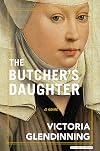
It started so well. Beautifully written, an insightful protagonist with a wonderful way of expressing herself (though this manifested in uniformly short sentences - which bothered me at the start until I realized this was indeed her voice and then I got used to it). "Nothing remains the same, not even the same remains the same" - brilliant. The Mary and Martha story - more brilliance. But the book's narrative just meandered long -which would have been fine except that suddenly a major plot show more point was raised on page 262 when I expected things to be winding down. SO MUCH got squeezed in to the last 60 pages...then the ending was open and therefore unsatisfying. Sigh. But I still liked it! show less
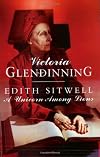
What a life, what a personality. Makes one think about the importance of privilege/connections/money/hustling/branding to a writer's life and how the societal worship of eccentricities can sometimes overshadow an artist's works. Especially with the Woolf connections and references peppered throughout the book.
Glendinning is thorough in her scholarship and organisation, with just enough pithy sideways authorial interjection to temper and balance out Sitwell's overwhelming individuality. show more Published in 1981, the book referenced a few times the letters between Sitwell and Tchelitchew to be released by Yale in 2000. I wonder if there's any new edition with perhaps an afterword about how they would colour Glendinning's analyses of their smothering codependent relationship.
Aside: it's always nice when one's faves show up in someone else's biographies, it really humanises (de-lionises) all the well-known names and also populates the setting of the past really well. show less
Glendinning is thorough in her scholarship and organisation, with just enough pithy sideways authorial interjection to temper and balance out Sitwell's overwhelming individuality. show more Published in 1981, the book referenced a few times the letters between Sitwell and Tchelitchew to be released by Yale in 2000. I wonder if there's any new edition with perhaps an afterword about how they would colour Glendinning's analyses of their smothering codependent relationship.
Aside: it's always nice when one's faves show up in someone else's biographies, it really humanises (de-lionises) all the well-known names and also populates the setting of the past really well. show less
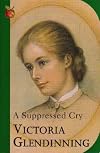
First published in 1969, this is the account of the life of one of the author's ancestors. As member of a loving, well-off, academic Quaker family in Hertfordshire at the turn of the century, Winnie Seebohm seems to have had an idyllic life. But the author argues that she was kept back by her parents - a relationship (there are almost no details) seems to have been firmly quashed; and while Winnie was permitted some blissful months studying at Newnham College, she pretty soon was forced back show more home through severe asthma which led to an early death. Ms Glendinning argues that this is a psychosomatic illness, brought on through tension - and certainly the siblings generally were discouraged from matrimony, and one ultimately ended up in an asylum.
Quite an interesting narrative, though difficult to come to any positive conclusions - if she was seriously ill, perhaps marriage WOULD have been unwise. Can we confidently attribute the illness to family pressures? Certainly there were often unspoken difficulties for Winnie, as the author juxtaposes determinedly cheery letters to her former classmates at Cambridge with diary entries of same day, which show her focussing on bearing with the sufferings she has been dealt. show less
Quite an interesting narrative, though difficult to come to any positive conclusions - if she was seriously ill, perhaps marriage WOULD have been unwise. Can we confidently attribute the illness to family pressures? Certainly there were often unspoken difficulties for Winnie, as the author juxtaposes determinedly cheery letters to her former classmates at Cambridge with diary entries of same day, which show her focussing on bearing with the sufferings she has been dealt. show less
Lists
Awards


You May Also Like


Associated Authors
Statistics
- Works
- 19
- Also by
- 20
- Members
- 2,389
- Popularity
- #10,742
- Rating
- 3.8
- Reviews
- 54
- ISBNs
- 116
- Languages
- 4
- Favorited
- 5

