
Claire Tomalin
Author of Samuel Pepys: The Unequalled Self
About the Author
Works by Claire Tomalin
Associated Works
Pride and Prejudice [Norton Critical Edition, 3rd ed.] (2001) — Contributor — 1,035 copies, 13 reviews
Maurice, or the Fisher's Cot: A Long-Lost Tale (1998) — Introduction, some editions — 139 copies, 3 reviews
Tagged
Common Knowledge
- Canonical name
- Tomalin, Claire
- Other names
- Delavenay, Claire (birth)
- Birthdate
- 1933-06-20
- Gender
- female
- Education
- Newnham College, University of Cambridge (BA|MA|1954)
- Occupations
- journalist
broadcaster
biographer
historian
literary editor - Organizations
- The New Statesman
The Sunday Times
English PEN - Awards and honors
- Royal Society of Literature (Fellow, 1976)
American Philosophical Society (International Member, 2012)
Prix annuel de l'organisation internationale des biographes (2016)
Médaille Bodley (2018)
Rose Mary Crawshay Prize (2003)
Samuel Pepys Award (2003) - Agent
- David Godwin (David Godwin Associates)
- Relationships
- Tomalin, Nicholas (1st husband)
Frayn, Michael (2nd husband)
Delavenay, Emile (father)
Herbert, Muriel (mother) - Nationality
- UK
- Birthplace
- London, England, UK
- Places of residence
- London, England, UK
- Map Location
- England, UK
Members
Reviews

“Leaving out the women in Dickens's life made appreciation easier.” — Claire Tomalin, “Charles Dickens: A Life”
Charles Dickens was an extraordinary man, but he had one ordinary fault: He always thought he was right and everybody else was wrong. He could be blind to his own failings, and as Claire Tomalin suggests near the end of her biography of the great Victorian writer, those failings often had to do with women.
He kept his wife, Catherine, almost constantly pregnant, and after show more she had given birth to 10 children, most of whom (especially the sons) he didn't want, he abandoned her and took up with an actress, Ellen Ternan. Even while still living with Catherine he preferred the company of her sisters, one of whom managed his household affairs for the rest of his life. When another sister died young, he was so heartbroken he openly declared he wanted someday to be buried beside her.
Dickens had other failings as well. He would break contracts and friendships while blaming the other party. If a friend stayed friends with his former friends (or his wife) he no longer considered them his friends. He sent his sons, at a young age, to faraway places, including India and Australia, seemingly just to be rid of them. Yet he was not altogether blind to his sins, for he once said he saw himself in all of his characters, the bad ones as well as the noble ones.
For all his weaknesses, Dickens worked for good to an amazing degree. In his fiction he campaigned on behalf of orphans, child workers, fallen women, the poor and the sick. Social betterment was also his goal as a journalist and as a citizen. For several years, with the help of a wealthy donor, he ran a home to rehabilitate young prostitutes.
Except for his youngest son, who became a successful lawyer, his many sons proved to be failures. For all his impatience with them, Dickens paid their debts and tried to find jobs for them. He also supported his wife and her sisters, his daughters, Ellen Ternan and her sisters and various servants besides. That he worked so hard as a novelist, as a journalist and as a public speaker, giving readings of his work, had to do not just with his personality but also with his need to pay his bills.
Tomalin's book, published in 2011 in time for the bicentennial of Dickens's birth in 2012, covers in detail each of the author's major books, most of which were serialized in magazines, including his own magazines. She writes of his extraordinary friendships, including with Wilkie Collins and many other major literary figures of the time, his love of the theater (he could have been a successful actor had not writing proved more lucrative), his annual Christmas stories, his travels (including two trips to the United States) and the many other aspects of his short but full life.
Clearly, Tomalin admires him greatly, especially when she can ignore the women. show less
Charles Dickens was an extraordinary man, but he had one ordinary fault: He always thought he was right and everybody else was wrong. He could be blind to his own failings, and as Claire Tomalin suggests near the end of her biography of the great Victorian writer, those failings often had to do with women.
He kept his wife, Catherine, almost constantly pregnant, and after show more she had given birth to 10 children, most of whom (especially the sons) he didn't want, he abandoned her and took up with an actress, Ellen Ternan. Even while still living with Catherine he preferred the company of her sisters, one of whom managed his household affairs for the rest of his life. When another sister died young, he was so heartbroken he openly declared he wanted someday to be buried beside her.
Dickens had other failings as well. He would break contracts and friendships while blaming the other party. If a friend stayed friends with his former friends (or his wife) he no longer considered them his friends. He sent his sons, at a young age, to faraway places, including India and Australia, seemingly just to be rid of them. Yet he was not altogether blind to his sins, for he once said he saw himself in all of his characters, the bad ones as well as the noble ones.
For all his weaknesses, Dickens worked for good to an amazing degree. In his fiction he campaigned on behalf of orphans, child workers, fallen women, the poor and the sick. Social betterment was also his goal as a journalist and as a citizen. For several years, with the help of a wealthy donor, he ran a home to rehabilitate young prostitutes.
Except for his youngest son, who became a successful lawyer, his many sons proved to be failures. For all his impatience with them, Dickens paid their debts and tried to find jobs for them. He also supported his wife and her sisters, his daughters, Ellen Ternan and her sisters and various servants besides. That he worked so hard as a novelist, as a journalist and as a public speaker, giving readings of his work, had to do not just with his personality but also with his need to pay his bills.
Tomalin's book, published in 2011 in time for the bicentennial of Dickens's birth in 2012, covers in detail each of the author's major books, most of which were serialized in magazines, including his own magazines. She writes of his extraordinary friendships, including with Wilkie Collins and many other major literary figures of the time, his love of the theater (he could have been a successful actor had not writing proved more lucrative), his annual Christmas stories, his travels (including two trips to the United States) and the many other aspects of his short but full life.
Clearly, Tomalin admires him greatly, especially when she can ignore the women. show less

http://www.livejournal.com/community/bibliophilia/77522.html
This book richly deserves all the praise it has received. I was aware that Pepys was a senior naval civil servant who dabbled in science (he was President of the Royal Society when it published Newton's Principia so his name is on the title page) and famously kept a secret diary. (The Secret Diary of Samuel Pepys, aged 26-35???) But Tomalin makes him really come alive.
The early period, when Pepys witnessed civil war in the streets show more of London, and truanted from school to watch King Charles I's head being cut off, is superbly depicted, as is the story of how he used distant family connections to climb away from his humble origins (his father was a tailor, his mother a laundrywoman). Then we follow him through the uncertain times of Cromwell, a hasty (and ultimately childless) marriage to a fourteen-year-old bride, and then the dramatic year of 1660, when suddenly everything goes right for him; he starts keeping a diary on January 1st and within a few weeks he is chatting to Charles II on the boat bringing him back to England to retake the throne.
For the 1660s, of course, Tomalin is helped by the existence of Pepys' diary. The political stuff is fascinating, and as an aspirant on that career path myself I would make this compulsory reading for all young wannabee statesman. Among other jewels, Pepys is the man who tells the King that the Great Fire of London has broken out in 1666. And he intermingles love, politics, mistresses, religion, illness, friendship into what can rapidly become an addictive combination. The diary lay hidden in plain view in Magdalen College Cambridge for a century and a half after his death before it was decoded; a full version, leaving in all the naughty bits, wasn't published until the 1970s.
The post-1669 story is inevitably a bit flatter, because mostly gained from secondary sources. (Pepys stopped keeping a diary because he was worried that he was losing his sight, though in fact he had no real problems with it in the remaining thirty-four years of his life.) Even so, he gets elected to Parliament, imprisoned in the Tower of London, demolishes the British naval base at Tangier in Morocco, publishes Newton's Principia and rapidly acquires a new permanent lady friend after his wife dies. Tomalin leaves us with a sympathetic but honest portrait of a man who saw his entire world (a world which actually didn't extend very far out of London) change in his lifetime, and left us a unique chronicle of what he thought about it. Strongly recommended, to anyone who likes a good story. show less
This book richly deserves all the praise it has received. I was aware that Pepys was a senior naval civil servant who dabbled in science (he was President of the Royal Society when it published Newton's Principia so his name is on the title page) and famously kept a secret diary. (The Secret Diary of Samuel Pepys, aged 26-35???) But Tomalin makes him really come alive.
The early period, when Pepys witnessed civil war in the streets show more of London, and truanted from school to watch King Charles I's head being cut off, is superbly depicted, as is the story of how he used distant family connections to climb away from his humble origins (his father was a tailor, his mother a laundrywoman). Then we follow him through the uncertain times of Cromwell, a hasty (and ultimately childless) marriage to a fourteen-year-old bride, and then the dramatic year of 1660, when suddenly everything goes right for him; he starts keeping a diary on January 1st and within a few weeks he is chatting to Charles II on the boat bringing him back to England to retake the throne.
For the 1660s, of course, Tomalin is helped by the existence of Pepys' diary. The political stuff is fascinating, and as an aspirant on that career path myself I would make this compulsory reading for all young wannabee statesman. Among other jewels, Pepys is the man who tells the King that the Great Fire of London has broken out in 1666. And he intermingles love, politics, mistresses, religion, illness, friendship into what can rapidly become an addictive combination. The diary lay hidden in plain view in Magdalen College Cambridge for a century and a half after his death before it was decoded; a full version, leaving in all the naughty bits, wasn't published until the 1970s.
The post-1669 story is inevitably a bit flatter, because mostly gained from secondary sources. (Pepys stopped keeping a diary because he was worried that he was losing his sight, though in fact he had no real problems with it in the remaining thirty-four years of his life.) Even so, he gets elected to Parliament, imprisoned in the Tower of London, demolishes the British naval base at Tangier in Morocco, publishes Newton's Principia and rapidly acquires a new permanent lady friend after his wife dies. Tomalin leaves us with a sympathetic but honest portrait of a man who saw his entire world (a world which actually didn't extend very far out of London) change in his lifetime, and left us a unique chronicle of what he thought about it. Strongly recommended, to anyone who likes a good story. show less
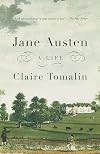
An admirably even-handed telling of a life that was sparsely documented despite Austen's popular novels. Tomalin pulls a narrative out of the histories of other better known Austen family members and their friends and neighbors. She discusses the novels as a whole in a way that was new to me. There is a convincing narrative of what life may have been like for JA, the crises and satisfactions.
A photo is included of the most long-lived of Jane's brothers who died at 91, an admiral. The show more caption identifies him and states that he preserved Jane's letters to him for fifty years but that upon his death his daughter Fanny burned them without consulting with any other family members. I hear much literary historian's regret in that brief statement.
The author mentions that more than 500 books were published on the topic of Jane Austen just in the twenty years 1951 - 1971. She somehow doesn't get bogged down in this sea of other opinions but keeps this life story clear.
I am looking forward to reading another biog by Tomalin. show less
A photo is included of the most long-lived of Jane's brothers who died at 91, an admiral. The show more caption identifies him and states that he preserved Jane's letters to him for fifty years but that upon his death his daughter Fanny burned them without consulting with any other family members. I hear much literary historian's regret in that brief statement.
The author mentions that more than 500 books were published on the topic of Jane Austen just in the twenty years 1951 - 1971. She somehow doesn't get bogged down in this sea of other opinions but keeps this life story clear.
I am looking forward to reading another biog by Tomalin. show less
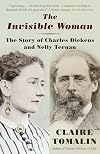
The invisible woman of the title is Charles Dickens' mistress Ellen Ternan: a challenging subject for a biographer, because of the sheer dearth of material. Many relevant letters and diaries were destroyed by Dickens himself or members of the family. Consequently, there's a lot of speculation in this. Claire Tomalin is scrupulous about pointing out what she doesn't know, and what's conjecture; I was less bothered by her outlining a plausible turn of events than I was by her guessing about show more what people 'must have' felt. With so little left on which to base a reading of character, the Victorian mores become the villain of the piece, both as an evil in themselves and as the cause of the erasure of so much detail of a woman's life.
What I really found this worth reading for, however, was the background detail about the theatre in the nineteenth century, and particularly women's lives within it. show less
What I really found this worth reading for, however, was the background detail about the theatre in the nineteenth century, and particularly women's lives within it. show less
Lists
Morphy Pick! (1)
Best Biographies (3)
Awards


You May Also Like


Associated Authors
Statistics
- Works
- 18
- Also by
- 6
- Members
- 7,508
- Popularity
- #3,260
- Rating
- 3.9
- Reviews
- 150
- ISBNs
- 163
- Languages
- 9
- Favorited
- 24

