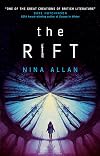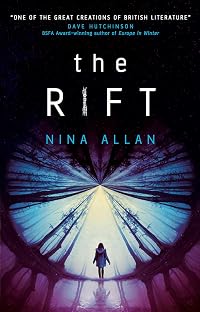
The Rift
by Nina Allan
On This Page
Description
"Selena and Julie are sisters. As children they were closest companions, but as they grow towards maturity, a rift develops between them. There are greater rifts, however. Julie goes missing at the age of seventeen. It will be twenty years before Selena sees her again. When Julie reappears, she tells Selena an incredible story about how she has spent time on another planet. Selena has an impossible choice to make: does she dismiss her sister as a damaged person, the victim of delusions, or show more believe her, and risk her own sanity in the process? Is Julie really who she says she is, and if she isn't, what does she have to gain by claiming her sister's identity?"-- show lessTags
Recommendations











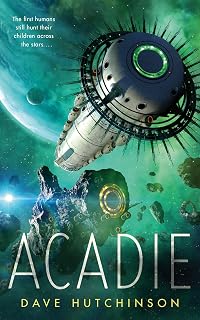
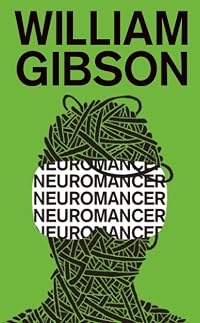
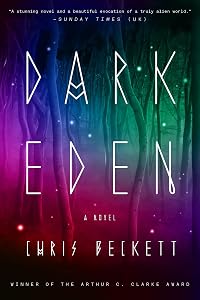

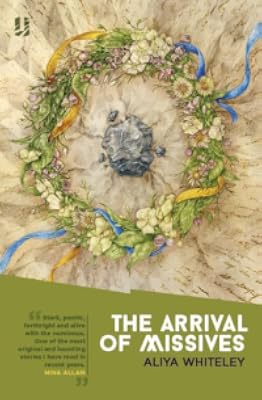


Member Recommendations
anonymous user Similar themes and perhaps, a similar tone? Both satisfying reads!

Member Reviews
There’s no doubt that Allan is one of the more interesting genre writers the UK has produced in the past few years. She came out of slipstream and dark fantasy and has moved into science fiction, and her beginnings very much flavour her stories. The Rift is only her second try at novel-length, and even then her first, The Race, felt more like three novellas badly welded together than it did a novel… which sort of makes The Rift Allan’s first successful attempt at novel-length fiction. Because the one thing The Rift is… is a much more coherent narrative than The Race. (To be fair, the lack of coherence was a feature of The Race‘s narrative, it just didn’t quite work for me.) The problem I have with The Rift, and it’s fairly show more minor, is that I can’t decide if it’s stunningly clever, or just very clever with accidental elements of stunning cleverness. Obviously, I’d like to believe the former, but I’m also all too aware of how writers can unwittingly include more in their fiction than they realise. The plot in a nutshell: Selena’s sister, Julie, disappeared twenty years ago, assumed to have been a victim of a serial killer caught at that time, but now she has re-appeared and claims to have spent much of the two decades on an alien world she accidentally reached through a “rift”. The alien world feels like something which might have been invented for a 1970s science fiction novel, internally rigorous but also strangely familiar. It didn’t help, for me, that some of the invented names sounded like places in Denmark (Nooraspoor = Nørreport?). The big question is: did Julie really spend her time there, or has she made it up? And The Rift refuses to commit to one or the other. Is Julie perhaps an imposter? The final section of the novel seems to suggest as much, but Serena refuses to believe it, on more than sufficient evidence. The beauty of The Rift is that refusal to commit. It’s a lovely piece of writing – but that’s not unexpected for Allan – but it’s also a coherent straight-through narrative, enlivened with a few tricks such as changes of tense or person or POV, and it’s because the story is a neat contained whole, so to speak, that the narrative’s refusal to commit to a truth is so striking. It’s a novel that stays with you, not just because of the story it tells but because of the way it tells its story. It is, without a doubt, Allan’s best work yet. show less
This is Nina Allan's second book, and I continued to enjoy this, for me, new author.
I think I enjoyed her first book a little more, but this must be the peril of a new author - how to follow-up on a successful first effort.
She seems to me to be a sci-fi writer, but I see her genre described online as specualtive fiction. I'm not sure of the difference, but while The Rift has scifi elements, the author seems intentionally to shy away from focussing on those aspects.
So the book is about people, about tough passages in their lives, about family relationships - all set in a slightly non-normal environment.
The result? Well, I found myself re-thinking this book for quite some time after I finished, where I think a straight scifi telling of a show more similar story would have been much more ephemeral.
So 4-stars, and I'm looking forward to reading more from this author. show less
I think I enjoyed her first book a little more, but this must be the peril of a new author - how to follow-up on a successful first effort.
She seems to me to be a sci-fi writer, but I see her genre described online as specualtive fiction. I'm not sure of the difference, but while The Rift has scifi elements, the author seems intentionally to shy away from focussing on those aspects.
So the book is about people, about tough passages in their lives, about family relationships - all set in a slightly non-normal environment.
The result? Well, I found myself re-thinking this book for quite some time after I finished, where I think a straight scifi telling of a show more similar story would have been much more ephemeral.
So 4-stars, and I'm looking forward to reading more from this author. show less
I enjoyed [b:The Rift|32783997|The Rift|Nina Allan|https://i.gr-assets.com/images/S/compressed.photo.goodreads.com/books/1482256717l/32783997._SY75_.jpg|53377406] more than Allan's most recent book [b:Conquest|62358270|Conquest|Nina Allan|https://i.gr-assets.com/images/S/compressed.photo.goodreads.com/books/1662893796l/62358270._SY75_.jpg|96602964]. I really like her writing style and both novels have similar structure and themes, but I preferred the characters, settings, and plot here. [b:The Rift|32783997|The Rift|Nina Allan|https://i.gr-assets.com/images/S/compressed.photo.goodreads.com/books/1482256717l/32783997._SY75_.jpg|53377406] centres upon the disappearance of a teenage girl named Julia and the impact on her younger sister show more Selena's life. The family dynamics are keenly observed and sensitively portrayed. The news articles, letters, and other materials interjected into the narrative are well-judged; they add texture and depth to the settings.
The main reason I preferred it over [b:Conquest|62358270|Conquest|Nina Allan|https://i.gr-assets.com/images/S/compressed.photo.goodreads.com/books/1662893796l/62358270._SY75_.jpg|96602964], however, is that [b:The Rift|32783997|The Rift|Nina Allan|https://i.gr-assets.com/images/S/compressed.photo.goodreads.com/books/1482256717l/32783997._SY75_.jpg|53377406] commits more to weirdness. Julia unexpectedly reappears in Selena's life after two decades, which she claims to have spent in another world. The interludes in this fantastical place are wonderfully atmospheric, with memorable details that include truly terrifying parasitic isopods named creef. Selena and her mother's reactions to the reappearance of Julia create a lot of psychological drama. I enjoyed the ambiguity of the situation and how the narrative orbited around Julia. Allan is an insightful and compelling writer and [b:The Rift|32783997|The Rift|Nina Allan|https://i.gr-assets.com/images/S/compressed.photo.goodreads.com/books/1482256717l/32783997._SY75_.jpg|53377406] works well both as a fantastical mystery and as an examination of identity and relationships. show less
The main reason I preferred it over [b:Conquest|62358270|Conquest|Nina Allan|https://i.gr-assets.com/images/S/compressed.photo.goodreads.com/books/1662893796l/62358270._SY75_.jpg|96602964], however, is that [b:The Rift|32783997|The Rift|Nina Allan|https://i.gr-assets.com/images/S/compressed.photo.goodreads.com/books/1482256717l/32783997._SY75_.jpg|53377406] commits more to weirdness. Julia unexpectedly reappears in Selena's life after two decades, which she claims to have spent in another world. The interludes in this fantastical place are wonderfully atmospheric, with memorable details that include truly terrifying parasitic isopods named creef. Selena and her mother's reactions to the reappearance of Julia create a lot of psychological drama. I enjoyed the ambiguity of the situation and how the narrative orbited around Julia. Allan is an insightful and compelling writer and [b:The Rift|32783997|The Rift|Nina Allan|https://i.gr-assets.com/images/S/compressed.photo.goodreads.com/books/1482256717l/32783997._SY75_.jpg|53377406] works well both as a fantastical mystery and as an examination of identity and relationships. show less
This book is touted as “science fiction,” and indeed, that’s the bookstore section in which I found it, but I think it is mislabeled. Rather, I would say it is primarily about family and trauma and possibly mental illness, with a bit of a "Twilight Zone" flavor.
This story is narrated alternately by two sisters, Selena and Julie Rouane. It begins when Selena is 34. Twenty years earlier, when Selena was 14 and Julie 17, Julie disappeared. Suddenly after all this time Selena receives a call from Julie, who is back in Manchester (in the U.K.):
“Selena knew full well who it was, only she didn’t. The same feeling you got when you ran into someone familiar out of context, and couldn’t think for the life of you who they were.”
They show more get together, and only reluctantly and gradually Julie tells Selena her story of where she has been.
Julie claims she went through a “rift” in the fabric of space to the planet of Tristane in the Aww Galaxy. Just prior to that, she had accepted a ride in a van with Steven Jimson, unaware he was “the Barbershop Butcher.” She told Selena how she managed to escape from him; passed out; and woke up on the shores of Shoe Lake, an analogous place on the other planet. She was rescued by a sister and brother, Cally and Noah, who contended that Julie was from that planet but had lost her memories. Julie tells Serena many stories about life on Tristane, but never how she got back to Earth from there.
After some time, Selena manages to convince Julie to go see their mother and let her know Julie is alive. But her mother claims this woman is not Julie.
Selena does her own research. Julie indeed knows the answers to Selena’s questions about their childhood that no one else would know. But there are odd aspects to Julie’s story. In addition, there is the matter of Shoe Lake. Selena had seen a movie (had Julie seen it too?) called “The Shoe” about a man who created a false past because he couldn’t face the real past. If a terrible thing happens, Selena thinks, it could be that “you would shut down your whole mind rather than face the memory of it.” She thinks about the rift between one version of reality and another, like the rift in her life from the time before Julie left and the time after. Has Julie constructed this whole thing as a way to deal with trauma? Indeed, is it really Julie after all?
Then something startling in the plot occurs, something so unexpected that in some ways it changes the whole meaning of the story. But the author leaves the determination of the meaning entirely up to the reader. As with many other missing pieces of the story, readers are asked to participate in its construction.
Evaluation: This is quite an unusual and creative book, and the ending is a knock-out one. So why didn't I rate it higher? There are several reasons. There are long passages on the geographical terrain of the other planet that didn't seem that interesting or relevant. The story about Cally and Noah was very incomplete and again, I was unable to make connections to what it meant to Julie. And finally, I would have liked a few more loose ends tied up at the end. Nonetheless, it would make an excellent choice for any book club that is willing to consider genre fiction. show less
This story is narrated alternately by two sisters, Selena and Julie Rouane. It begins when Selena is 34. Twenty years earlier, when Selena was 14 and Julie 17, Julie disappeared. Suddenly after all this time Selena receives a call from Julie, who is back in Manchester (in the U.K.):
“Selena knew full well who it was, only she didn’t. The same feeling you got when you ran into someone familiar out of context, and couldn’t think for the life of you who they were.”
They show more get together, and only reluctantly and gradually Julie tells Selena her story of where she has been.
Julie claims she went through a “rift” in the fabric of space to the planet of Tristane in the Aww Galaxy. Just prior to that, she had accepted a ride in a van with Steven Jimson, unaware he was “the Barbershop Butcher.” She told Selena how she managed to escape from him; passed out; and woke up on the shores of Shoe Lake, an analogous place on the other planet. She was rescued by a sister and brother, Cally and Noah, who contended that Julie was from that planet but had lost her memories. Julie tells Serena many stories about life on Tristane, but never how she got back to Earth from there.
After some time, Selena manages to convince Julie to go see their mother and let her know Julie is alive. But her mother claims this woman is not Julie.
Selena does her own research. Julie indeed knows the answers to Selena’s questions about their childhood that no one else would know. But there are odd aspects to Julie’s story. In addition, there is the matter of Shoe Lake. Selena had seen a movie (had Julie seen it too?) called “The Shoe” about a man who created a false past because he couldn’t face the real past. If a terrible thing happens, Selena thinks, it could be that “you would shut down your whole mind rather than face the memory of it.” She thinks about the rift between one version of reality and another, like the rift in her life from the time before Julie left and the time after. Has Julie constructed this whole thing as a way to deal with trauma? Indeed, is it really Julie after all?
Then something startling in the plot occurs, something so unexpected that in some ways it changes the whole meaning of the story. But the author leaves the determination of the meaning entirely up to the reader. As with many other missing pieces of the story, readers are asked to participate in its construction.
Evaluation: This is quite an unusual and creative book, and the ending is a knock-out one. So why didn't I rate it higher? There are several reasons. There are long passages on the geographical terrain of the other planet that didn't seem that interesting or relevant. The story about Cally and Noah was very incomplete and again, I was unable to make connections to what it meant to Julie. And finally, I would have liked a few more loose ends tied up at the end. Nonetheless, it would make an excellent choice for any book club that is willing to consider genre fiction. show less
I've complained before about books that feel like expense reports, where you know the author had a stack of receipts for travel and more. You can spot them in the text like stepping stones: settings, restaurants, goods - this book is NOT one of those, but it evokes a similar sense of recognition for me - in this case a folder of unpublished vignettes that got taken out, dusted off and interspersed throughout - sometimes to amplify or repeat the themes of this intriguing novel, othertimes used more like filler or diversionary material during transitions. It's an interesting way of structuring a novel length work and entertaining to read.
Perhaps there was once upon a time a folder of loose leaf material - stories, fragments, pictures, show more postcards,excerpts, character sketches, etc and they scattered and were collected up. Then they were carefully arranged into a cunning and distinctly female piece of contemporary assemblage art ?
Depending on your mood, or whether you are looking right at it, or remembering it, or asking yourself if it changed the way you feel, your relation to this assemblage and it's creator can be one of frustrastion, admiration, dismissal, or suspended belief.
If you dwell on this assemblage too long, you're bound to wonder: "what if it was a bunch of crap in that folder? tucked in as padding? That book might have been great if it had been purpose built ? " But who knows ? Either way, the book explores some tough issues, draws some intense portraits of pressured relationships between women: sisters, admirers, friends, classmates, mothers & daughters, employees and bosses. It looks at the most difficult of male female relationships too: husbands and wives, fathers and daughters, an incestuous brother/sister pair, male abusers and their victims, and quietly consenting yet emotionally distanced lovers.
Unique, strangely timeless, recognized cities feel like themselves yet don't. An unsettling book that's meant to be that way ?! show less
Perhaps there was once upon a time a folder of loose leaf material - stories, fragments, pictures, show more postcards,excerpts, character sketches, etc and they scattered and were collected up. Then they were carefully arranged into a cunning and distinctly female piece of contemporary assemblage art ?
Depending on your mood, or whether you are looking right at it, or remembering it, or asking yourself if it changed the way you feel, your relation to this assemblage and it's creator can be one of frustrastion, admiration, dismissal, or suspended belief.
If you dwell on this assemblage too long, you're bound to wonder: "what if it was a bunch of crap in that folder? tucked in as padding? That book might have been great if it had been purpose built ? " But who knows ? Either way, the book explores some tough issues, draws some intense portraits of pressured relationships between women: sisters, admirers, friends, classmates, mothers & daughters, employees and bosses. It looks at the most difficult of male female relationships too: husbands and wives, fathers and daughters, an incestuous brother/sister pair, male abusers and their victims, and quietly consenting yet emotionally distanced lovers.
Unique, strangely timeless, recognized cities feel like themselves yet don't. An unsettling book that's meant to be that way ?! show less
Twenty years ago, Selena’s older sister Julie disappeared. Now, she’s back, claiming to have been on another world—an alien world, where she was someone else; a world whose technology has slid backwards and which is possibly menaced by a deadly threat. Is she making it all up? If so, what is her story concealing? This isn’t a book that gives you answers. It creates a powerful sense of menace, but I generally prefer more answers in my mystery maybe-sf.
https://nwhyte.livejournal.com/2976098.html
Selena's sister disappeared twenty years ago from their family home in Manchester, when they were teenagers. Their father broke down, moved out, and recently died. And now, just after Selena and her boyfriend have broken up, Julie is back, or someone who says she is Julie, and claims she was somehow transported into another world; and tells stories of what happened to her there. Again, we have an interesting narrative format, with flashbacks and parts of the parallel world story interjected into the core frame of Selena's experience; and newspaper reports, handwritten notes and other material are brought in to support the story. There are some gloriously drawn supporting characters, most show more notably Selena's boss, and the family dynamic - dysfunctional and yet normal? - is gradually revealed and well depicted. show less
Selena's sister disappeared twenty years ago from their family home in Manchester, when they were teenagers. Their father broke down, moved out, and recently died. And now, just after Selena and her boyfriend have broken up, Julie is back, or someone who says she is Julie, and claims she was somehow transported into another world; and tells stories of what happened to her there. Again, we have an interesting narrative format, with flashbacks and parts of the parallel world story interjected into the core frame of Selena's experience; and newspaper reports, handwritten notes and other material are brought in to support the story. There are some gloriously drawn supporting characters, most show more notably Selena's boss, and the family dynamic - dysfunctional and yet normal? - is gradually revealed and well depicted. show less
Members
- Recently Added By
Lists

2017 Locus recommended reading list SciFi
28 works; 2 members

Character-driven SF
59 works; 1 member

2018 Hugo Eligible Novels
170 works; 16 members

Books Read in 2018
4,360 works; 110 members
Author Information

43+ Works 985 Members
Awards and Honors
Common Knowledge
- Original title
- The Rift
- Original publication date
- 2017
- People/Characters
- Selena Rouane; Julie Rouane; Raymond Rouane; Margery Rouane
- Important places
- Manchester, England, UK
- Quotations
- There was just the one flowerbed, dominated by a monster rose bush, the sort that played dead all winter then flowered – voraciously and, Selena suspected, vindictively – right through from March until the end of October.... (show all) The blooms were enormous, a raucous yellow. Selena sometimes found herself imagining the rosebush had it in for her: Thought I was done for, bitch? Well, I ain’t done yet.
- Blurbers
- Roberts, Adam; Yoon, Ha Lee; Tuttle, Lisa; Swift, E. J.; Bradley, James; Charnock, Anne (show all 7); Hutchinson, Dave
Classifications
Statistics
- Members
- 188
- Popularity
- 174,261
- Reviews
- 10
- Rating
- (3.39)
- Languages
- English, French
- Media
- Paper, Ebook
- ISBNs
- 6
- ASINs
- 2