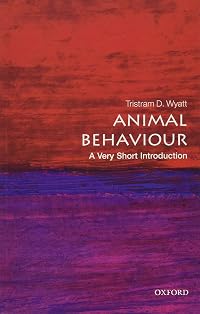
Animal Behaviour: A Very Short Introduction (Very Short Introductions)
by Tristram D. Wyatt
Very Short Introductions (513)
On This Page
Description
How animals behave is crucial to their survival and reproduction. The application of new molecular tools such as DNA fingerprinting and genomics is causing a revolution in the study of animal behaviour, while developments in computing and image analysis allow us to investigate behaviour in ways never previously possible. By combining these with the traditional methods of observation and experiments, we are now learning more about animal behaviour than ever before. In this Very Short show more Introduction Tristram D. Wyatt discusses how animal behaviour has evolved, how behaviours develop in each individual (considering the interplay of genes, epigenetics, and experience), how we can understand animal societies, and how we can explain collective behaviour such as swirling flocks of starlings. Using lab and field studies from across the whole animal kingdom, he looks at mammals, butterflies, honeybees, fish, and birds, analysing what drives behaviour, and exploring instinct, learning, and culture. Looking more widely at behavioural ecology, he also considers some aspects of human behaviour.-- show lessTags
Recommendations














Member Reviews
I particularly enjoyed the discussion of the various ways in which animals can be intelligent, how this is revealed through behaviour, and how humans can discount some markers of intelligence and disproportionately favour others simply out of familiarity. For example, a dog won't recognise itself in a mirror, because dogs use smell more than sight to recognise each other (obvious when you think about it, but worth saying).
I think that sometimes claims about animals' intelligence are overblown by people making a moral case against eating them, which weakens the argument overall. The ability to feel pain suffices for the moral argument, and the discussion of animal behaviour and intelligence is much more interesting when liberated from show more its propaganda duties, as it is here. show less
I think that sometimes claims about animals' intelligence are overblown by people making a moral case against eating them, which weakens the argument overall. The ability to feel pain suffices for the moral argument, and the discussion of animal behaviour and intelligence is much more interesting when liberated from show more its propaganda duties, as it is here. show less
Ratings
Members
- Recently Added By
Lists

LQW Research Reading List
75 works; 1 member

In Our Time books
4,934 works; 2 members
Author Information
5 Works 58 Members
Series

Classifications
Statistics
- Members
- 42
- Popularity
- 674,521
- Reviews
- 1
- Rating
- (4.00)
- Languages
- English
- Media
- Paper, Ebook
- ISBNs
- 5
- ASINs
- 1