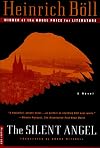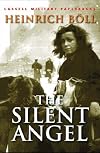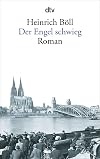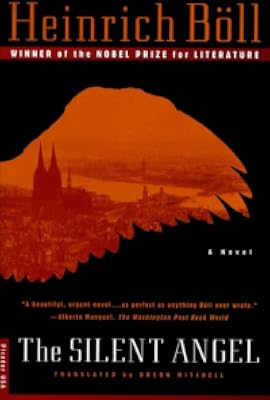
The Silent Angel
by Heinrich Böll
On This Page
Description
A German soldier returns home at the end of World War II. The novel follows him through the ruins of Cologne, searching for the widow of a man who died in his place. This was the Nobel Prize winner's first novel, only now translated into English.Tags
Recommendations















Member Reviews
I must make a few notes here before I forget all about this book, read soon after finishing After Romulus and then Romulus, My Father. These books are written about life after escaping from Europe after WWII. The Silent Angel is about the first days in Cologne after Germany gave in. The town was particularly devastated by the Allied bombings.
It was Boll's first novel and he couldn't find a publisher. It is easy to point at the subject matter for that. I gather he is known as Germany's post-war conscience and it isn't clear that Germany wanted to have one. As a huge number of Nazis, as well as sympathisers must have done well politically and economically in the reconstruction, one can see that the market for such a book would be show more uncertain at best. And yet, one can't exactly say he gets stuck into his compatriots either. He portrays one wealthy bad man, bad before, during and after the war. But that's it. Everybody else is okay. As if the odd bad man were enough to explain the whole appalling rise and spread of the Nazis. I hope his conscience took stronger hold at some point in his work.
rest is here: https://alittleteaalittlechat.wordpress.com/2017/05/09/the-silent-angel-by-heinr... show less
It was Boll's first novel and he couldn't find a publisher. It is easy to point at the subject matter for that. I gather he is known as Germany's post-war conscience and it isn't clear that Germany wanted to have one. As a huge number of Nazis, as well as sympathisers must have done well politically and economically in the reconstruction, one can see that the market for such a book would be show more uncertain at best. And yet, one can't exactly say he gets stuck into his compatriots either. He portrays one wealthy bad man, bad before, during and after the war. But that's it. Everybody else is okay. As if the odd bad man were enough to explain the whole appalling rise and spread of the Nazis. I hope his conscience took stronger hold at some point in his work.
rest is here: https://alittleteaalittlechat.wordpress.com/2017/05/09/the-silent-angel-by-heinr... show less
I must make a few notes here before I forget all about this book, read soon after finishing After Romulus and then Romulus, My Father. These books are written about life after escaping from Europe after WWII. The Silent Angel is about the first days in Cologne after Germany gave in. The town was particularly devastated by the Allied bombings.
It was Boll's first novel and he couldn't find a publisher. It is easy to point at the subject matter for that. I gather he is known as Germany's post-war conscience and it isn't clear that Germany wanted to have one. As a huge number of Nazis, as well as sympathisers must have done well politically and economically in the reconstruction, one can see that the market for such a book would be show more uncertain at best. And yet, one can't exactly say he gets stuck into his compatriots either. He portrays one wealthy bad man, bad before, during and after the war. But that's it. Everybody else is okay. As if the odd bad man were enough to explain the whole appalling rise and spread of the Nazis. I hope his conscience took stronger hold at some point in his work.
rest is here: https://alittleteaalittlechat.wordpress.com/2017/05/09/the-silent-angel-by-heinr... show less
It was Boll's first novel and he couldn't find a publisher. It is easy to point at the subject matter for that. I gather he is known as Germany's post-war conscience and it isn't clear that Germany wanted to have one. As a huge number of Nazis, as well as sympathisers must have done well politically and economically in the reconstruction, one can see that the market for such a book would be show more uncertain at best. And yet, one can't exactly say he gets stuck into his compatriots either. He portrays one wealthy bad man, bad before, during and after the war. But that's it. Everybody else is okay. As if the odd bad man were enough to explain the whole appalling rise and spread of the Nazis. I hope his conscience took stronger hold at some point in his work.
rest is here: https://alittleteaalittlechat.wordpress.com/2017/05/09/the-silent-angel-by-heinr... show less
I must make a few notes here before I forget all about this book, read soon after finishing After Romulus and then Romulus, My Father. These books are written about life after escaping from Europe after WWII. The Silent Angel is about the first days in Cologne after Germany gave in. The town was particularly devastated by the Allied bombings.
It was Boll's first novel and he couldn't find a publisher. It is easy to point at the subject matter for that. I gather he is known as Germany's post-war conscience and it isn't clear that Germany wanted to have one. As a huge number of Nazis, as well as sympathisers must have done well politically and economically in the reconstruction, one can see that the market for such a book would be show more uncertain at best. And yet, one can't exactly say he gets stuck into his compatriots either. He portrays one wealthy bad man, bad before, during and after the war. But that's it. Everybody else is okay. As if the odd bad man were enough to explain the whole appalling rise and spread of the Nazis. I hope his conscience took stronger hold at some point in his work.
rest is here: https://alittleteaalittlechat.wordpress.com/2017/05/09/the-silent-angel-by-heinr... show less
It was Boll's first novel and he couldn't find a publisher. It is easy to point at the subject matter for that. I gather he is known as Germany's post-war conscience and it isn't clear that Germany wanted to have one. As a huge number of Nazis, as well as sympathisers must have done well politically and economically in the reconstruction, one can see that the market for such a book would be show more uncertain at best. And yet, one can't exactly say he gets stuck into his compatriots either. He portrays one wealthy bad man, bad before, during and after the war. But that's it. Everybody else is okay. As if the odd bad man were enough to explain the whole appalling rise and spread of the Nazis. I hope his conscience took stronger hold at some point in his work.
rest is here: https://alittleteaalittlechat.wordpress.com/2017/05/09/the-silent-angel-by-heinr... show less
It's out of print I believe, but worth picking up a copy on eBay if you can find it. Sad & touching.
Hans Schnitzler deserteerde uit het Duitse leger en op de dag van de capitulatie keert hij -met valse papieren- terug naar zijn geboortestad.
In het boek wordt nergens over oorlogshandelingen geschreven; het verhaal gaat over de bewoners en hun over overlevingsdrang. Hans ontmoet een vrouw en op de puinhopen ontluikt een liefdesrelatie.
Kort gezegd: dat is het verhaal. Maar er is meer. In een tijd van wederopbouw zat het Duitse volk -volgens de uitgever- niet te wachten op oorlogsliteratuur, dus werd het boek in 1950 niet uitgegeven. In 1992 gaf de weduwe Böll het volledige manuscript vrij.
De vertelling is anekdotisch opgezet met als samenhangend element de plaats waar het verhaal zich afspeelt. De pen is van een schrijver die gerekend show more mag worden tot de belangrijkste erflaters van de naoorlogse literatuur. Met een stem die nog steeds gehoord mag worden en naar mijn mening node wordt gemist.
Inmiddels diverse malen gelezen en steeds weer komt die leegte die na het overlijden van Böll is ontstaan weer “tot leven”. show less
In het boek wordt nergens over oorlogshandelingen geschreven; het verhaal gaat over de bewoners en hun over overlevingsdrang. Hans ontmoet een vrouw en op de puinhopen ontluikt een liefdesrelatie.
Kort gezegd: dat is het verhaal. Maar er is meer. In een tijd van wederopbouw zat het Duitse volk -volgens de uitgever- niet te wachten op oorlogsliteratuur, dus werd het boek in 1950 niet uitgegeven. In 1992 gaf de weduwe Böll het volledige manuscript vrij.
De vertelling is anekdotisch opgezet met als samenhangend element de plaats waar het verhaal zich afspeelt. De pen is van een schrijver die gerekend show more mag worden tot de belangrijkste erflaters van de naoorlogse literatuur. Met een stem die nog steeds gehoord mag worden en naar mijn mening node wordt gemist.
Inmiddels diverse malen gelezen en steeds weer komt die leegte die na het overlijden van Böll is ontstaan weer “tot leven”. show less
1
"Aparecida póstumamente en alemán en 1992, fue sin embargo escrita entre 1949 y 1951, y es la primera novela de Böll cya acción se derarrolla en la Alemania de posguerra. Empieza el 8 de mayo de 1945, día de la capitulación del Tercer Reich, y nos sitúa en las ruinas de una gran ciudad alemana. Precisamente por esta razón, después de un año de vacilaciones, la editorial renunció en su día a publicarla, en la convicción de que el público no deseaba que se le recordara una etapa ingrata y muy reciente, la de la vida en el período inmediatamente posterior a la guerra"
(edit. promo.)
Pues no lo he entendido.
Me lo ha traído una usuaria de la biblio diciéndome que era el copón (de hecho, parece que le gustó tanto que incluso show more se la regaló a su aita) y la verdad es que la historia está bastante bien pero se advierte cierta inconsistencia, sobre todo en los últimos capítulos, donde de repente (spoiler) el protagonista sabía que el malvado de la novela estaba buscando el testamento que el sargento que había muerto por él le había entregado, además sabía para qué lo quería, por lo que tampoco se entiende muy bien por qué el papel acaba en manos de los malosos (/spoiler) o tal vez, más que incosistencia sea que el carcumen no me llega para enterder el final.
De todas formas, está muy bien para sentir un poco el ambiente de la posguerra inmediata. Parece como si ante el horror que ha presenciado, la gente reaccionara de una forma completamente diferente a sus creencias (por ejemplo (spoiler) a una mujer que parece ser muy religiosa no parece importarle cohabitar con el protagonista (/spoiler)) lo único que importa es la mera supervivencia, aplacar un poco el monstruo de la tripa (hay una reflexión muy guapa del Hans cuando oye a la peña comer a oscuras en el refugio) Me recuerda a una de las anécdotas sobre la posguerra en España que cuenta el Eslava Galán (Los años del miedo, creo que se titulaba el libro): parece que en el Madrid de entonces, en los "after hours", en vez de sacarte rulas, te pillabas unos huevos con chorizo, para volverte para casa la mar de contento. Y estaban dos parejas en ello cuando uno de los chicos (los cuales habían invitado a las chicas a todo durante la noche) les llama putas a la cara. Una de ellas piensa en levantarse e irse de allí, pero luego sigue masticando y piensa que no, que ella no es puta pero que los huevos con chorizo están muy buenos.
Pues eso, que se me ponen los pelos de punta con los temas de guerra, preguerra y posguerra, no sé si la peña no se da cuenta de que al final siempre van a salir perdiendo los mismos, los más koitteus (de hecho, en la novela sale también un punto muy parecido cuando el chungo de la película reconoce que (spoiler) él se salvaba ganara quien ganara, pues si bien había dado charlas para los nazis, tenía un salvoconducto firmado por el obispo en el cual se especificaba que se había infiltrado en el partido nazi por petición suya (/spoiler)) show less
(edit. promo.)
Pues no lo he entendido.
Me lo ha traído una usuaria de la biblio diciéndome que era el copón (de hecho, parece que le gustó tanto que incluso show more se la regaló a su aita) y la verdad es que la historia está bastante bien pero se advierte cierta inconsistencia, sobre todo en los últimos capítulos, donde de repente (spoiler) el protagonista sabía que el malvado de la novela estaba buscando el testamento que el sargento que había muerto por él le había entregado, además sabía para qué lo quería, por lo que tampoco se entiende muy bien por qué el papel acaba en manos de los malosos (/spoiler) o tal vez, más que incosistencia sea que el carcumen no me llega para enterder el final.
De todas formas, está muy bien para sentir un poco el ambiente de la posguerra inmediata. Parece como si ante el horror que ha presenciado, la gente reaccionara de una forma completamente diferente a sus creencias (por ejemplo (spoiler) a una mujer que parece ser muy religiosa no parece importarle cohabitar con el protagonista (/spoiler)) lo único que importa es la mera supervivencia, aplacar un poco el monstruo de la tripa (hay una reflexión muy guapa del Hans cuando oye a la peña comer a oscuras en el refugio) Me recuerda a una de las anécdotas sobre la posguerra en España que cuenta el Eslava Galán (Los años del miedo, creo que se titulaba el libro): parece que en el Madrid de entonces, en los "after hours", en vez de sacarte rulas, te pillabas unos huevos con chorizo, para volverte para casa la mar de contento. Y estaban dos parejas en ello cuando uno de los chicos (los cuales habían invitado a las chicas a todo durante la noche) les llama putas a la cara. Una de ellas piensa en levantarse e irse de allí, pero luego sigue masticando y piensa que no, que ella no es puta pero que los huevos con chorizo están muy buenos.
Pues eso, que se me ponen los pelos de punta con los temas de guerra, preguerra y posguerra, no sé si la peña no se da cuenta de que al final siempre van a salir perdiendo los mismos, los más koitteus (de hecho, en la novela sale también un punto muy parecido cuando el chungo de la película reconoce que (spoiler) él se salvaba ganara quien ganara, pues si bien había dado charlas para los nazis, tenía un salvoconducto firmado por el obispo en el cual se especificaba que se había infiltrado en el partido nazi por petición suya (/spoiler)) show less
Oct 9, 2008Spanish
Ratings
Members
- Recently Added By
Author Information

355+ Works 17,537 Members
Heinrich Böll was born in Cologne, Germany on December 21, 1917. He studied German at the University of Cologne. He was drafted into military service in 1938 shortly after he finished his schooling and served several years in the infantry before his demobilization in 1945. His first novel, Der Zug war pünktlich (The Train Was on Time), was show more published in 1949. His other works include Billiards at Half-Past Nine, The Clown, Absent without Leave, Enter and Exit, and The Lost Honor of Katharina Blum. He received numerous awards including the Georg Büchner Prize in 1967 and the Nobel Prize for Literature in 1972. He died on July 16, 1985 at the age of 67. (Bowker Author Biography) show less
Some Editions
Series
Belongs to Publisher Series
Otavan kirjasto (108)
Common Knowledge
- Canonical title
- The Silent Angel
- Original title
- Der Engel schwieg
- Original publication date
- 1992 (German) (German); 1994 (English translation) (English translation)
- People/Characters
- Hans Schnitzler
- First words
- The fire glow in the north of the city was bright enough for him to make out the letters over the portal: ... CENT-HAUS he read, and cautiously made his way up the stairs; light came from one of the basement windows to the ri... (show all)ght of the steps.
- Last words*
- (Click to show. Warning: May contain spoilers.)Der Engel schwieg; er ließ sich vom Gewicht der beiden Männer nach unten drücken; seine prachtvollen Locken wurden von gurgelndem Dreck umschlossen, und seine Armstümpfe schienen immer tiefer hinein in die Erde zu greifen.
- Original language
- German
*Some information comes from Common Knowledge in other languages. Click "Edit" for more information.
Classifications
- Genres
- Fiction and Literature, General Fiction
- DDC/MDS
- 833.914 — Literature & rhetoric German & related literatures German fiction 1900- 1900-1990 1945-1990
- LCC
- PT2603 .O394 .E5413 — Language and Literature German, Dutch and Scandinavian literatures German literature Individual authors or works 1860/70-1960
- BISAC
Statistics
- Members
- 373
- Popularity
- 84,007
- Reviews
- 6
- Rating
- (3.71)
- Languages
- 12 — Czech, Danish, Dutch, English, Finnish, French, German, Italian, Norwegian (Bokmål), Portuguese, Spanish, Swedish
- Media
- Paper
- ISBNs
- 25
- ASINs
- 4