On This Page
Description
Love and betrayal...A cool master of sensuality, Rafael Whitbourne, the Duke of Candover, earned his rakish reputation in the silken boudoirs of London's highborn ladies, never giving away his hand or his heart. Then a vital mission for his government takes Rafe to Paris to work with the Countess Madga Janos, "the most beautiful spy in Europe." He is appalled to discover that the smoky eyed temptress is no Hungarian countess, but the deceitful doxie who betrayed him a dozen years earlier-the show more only woman he ever loved, and the only one he's ever despised. Margot Ashton wants nothing more than to walk away from her turbulent past and the mesmerizing man who ruined her life. But patriotism binds them together in a shadowland of intrigue where a diabolical plot may plunge a continent back into war-and a whirlwind of passion sweeps Margot and Rafe into a shattering passion that cannot be denied. show lessTags
Recommendations



















Member Reviews
Petals in the Storm is the third book in Mary Jo Putney’s Fallen Angels series, which follows a group of four best friends who all attended school together and became collectively known as the Fallen Angels. This book features Rafe, the Duke of Candover, who found Margot, the love of his life, at the age of twenty-one, but allowing his arrogance and jealousy to get in the way, he lost her. Now thirteen years later, he’s never found another woman who makes him feel the way she did, but believing she betrayed him, he still harbors some ill feelings toward her. Rafe is traveling to Paris in the days following Napoleon’s second defeat at Waterloo, so his friend and spymaster, Lucien, asks him to check into rumors of an assassination show more plot against a high-ranking official taking part in the peace talks. Rafe is to rendezvous with the Countess Magda Janos, a woman known as “the most beautiful spy in Europe.” When they meet, Rafe is shocked to discover that the Countess is really his Margot, because he’d heard that she was killed in a riot years ago. Although neither is pleased to be working with the other, their patriotism outweighs their personal feelings. Together they face dangers as they try to figure out who might be engineering the plot and who the intended victim is, which leaves them in a race against time to stop it. Along the way, they discover that their attraction for one another still burns brightly and they eventually succumb to passion. But when all is said and done, it still might not be enough to mend the wounds of the past.
After seeing the distance between his own parents, Rafe knew that he wanted a different sort of marriage, one built on love and passion. He fell hard and fast for Margot at the beginning of her come-out season, but since her father wanted her to experience a full season before a betrothal, they had a quiet understanding that was kept under wraps. Then an old school chum of Rafe’s made drunken claims of having relieved Margot of her virginity at a party, which the hotheaded young duke believed. When he confronted her, she simply threw her engagement ring at him and stormed off, leaving Rafe even more convinced of her betrayal. Not long after, she traveled to the Continent with her father, and there were later reports of their demise at the hands of rioters. The grief he felt at her loss helped to temper some of his anger toward her, but in the ensuing years, he’s never loved anyone else the way he loved her. When he meets Countess Janos in Paris, he’s shocked to find out the lady spy is actually Margot. The bad feelings are stirred up again, but he also finds that he still desires her like no other. However, he’s willing to set aside their personal differences to investigate the assassination plot, and as they do so, their old passions flare. Rafe soon finds his love for Margot reignited, but he believes that she’s in love with someone else, which nearly leads him to let her get away again.
Rafe was an OK hero, but I didn’t fall for him the same way I did for the heroes of the first two books of the series or the way I wanted to. The biggest issue I had with him was the way he treated Maggie all those years ago. He believed a man who wasn’t even a close friend over the woman he supposedly loved to distraction and he didn’t really fight for that love when she rightfully got angry at him. Admittedly he was rather young and naive at the time, but now that he’s older and a bit wiser, he eventually realizes the error of his ways and offers Maggie a heartfelt apology, which did help. However, it took Maggie’s friend, Robin, relating her entire traumatic history since coming to France to Rafe before he finally understands who she is now and how he contributed to that trauma with his sordid accusations. Another small issue I had is a moment where his lust flares and he briefly wonders if he might be capable of rape in order to finally have Maggie. Again, the next day, when Maggie is actually attacked by a mob and he rescues her, he realizes what a stupid thought that was, but him having had it at all was problematic for me. I don’t want it to sound like Rafe was all bad, though, because he did have his good points, too. He bravely helps to unravel and stop the assassination plot even though he isn’t an experienced spy. When Robin tells him of Maggie’s past, he’s properly guilt-ridden and tries to make amends. When they do make love, he’s tender with her, and when she tries to push him away again, this time, he fights for her. So there was enough good in him that I didn’t dislike him, but the eyebrow raising parts kept me from fully falling for him.
At nineteen, Margot was madly in love with Rafe and thought they’d soon be married, so his accusations of infidelity deeply wounded her. Her father, who was a military man, took the heartbroken girl to the Continent with him, where they were viciously attacked by a mob of French soldiers. Reports of their deaths reached England, but in reality, Margot had been saved by Robin who gave her a reason to keep living by training her to be a spy. The two lived together undercover for years and eventually became lovers, but three years earlier Maggie called off the physical part of their relationship, knowing that she didn’t truly love him and was only using him for comfort. However, they’ve remained close friends and co-conspirators in spycraft. Unlike many female spies who took powerful men as lovers in order to get sensitive information, Maggie has meticulously developed a network of women—prostitutes, maids, and such—who are in positions to overhear things or find incriminating papers to funnel this information to her. She’s grown content with her life, until Rafe shows up, disrupting her carefully ordered world. She reluctantly agrees to work with him for the good of their country and the peace talks, but she has no intention of falling for him or letting him hurt her again. Despite her best intention, though, her love for him is stirred up once more, but when he behaves in a rather cold and controlled manner, she believes that he doesn’t love her back. I admired Maggie for being such a strong woman in the face of trauma and many challenging circumstances. She’s reinvented herself as a master spy who can flawlessly take on a number of different personas and has empowered women in a society that didn’t particularly value them. My only issue with Maggie is that she’s now the second heroine I’ve read in close proximity who had her heart locked up tight due to past hurts, and as a result, I didn’t relate to her as well as I wanted. She fights her feelings for Rafe right up until the final pages of the book, which made her quick turnaround at the end not entirely believable to me.
Overall, Petals in the Storm was a good read, but I didn’t end up liking it quite as well as the first two books of the series. On the upside, I can tell that Ms. Putney did her homework well, and as usual, she’s crafted a tightly plotted story of passion and intrigue. The pace is a bit slower as the investigation develops, but once things heat up, it really take off with some good action and suspense. The romance is nice as well, but perhaps because of my individual issues with Rafe and Maggie’s characters, I didn’t feel quite as connected to them or feel the emotional connection between them as strongly as I’d have preferred. After giving it some thought, I realized that Rafe and Maggie were perhaps a little too much alike in their temperaments, so it didn’t entirely feel like they balanced each other out. They’re both really stubborn, prideful people who let these qualities take them down an undesirable path. They do reconcile by the end and both acknowledge their faults, but it still left me with some doubts about whether they’d be able to keep themselves in check in the future. Although I mostly liked Rafe and Maggie together, there was some small part of me that felt like she and Robin were a better match because he seems to have a calming influence on her, while Rafe stirs up her passions and not always in a good way. However, Robin’s destiny lies in a different direction as he becomes the hero of the next Fallen Angels book, Angel Rogue. The only other two series characters who appear in this book are Lucien (Dancing on the Wind) who is running the spy operation from England, and Nicholas (Thunder and Roses) who has a very quick visit with Rafe and Lucien before Rafe leaves for Paris. Even though Petals in the Storm didn’t reach the heights of perfection for me, I’m very intrigued by Robin and look forward to seeing him get his HEA, so I hope to pick up his book soon. show less
After seeing the distance between his own parents, Rafe knew that he wanted a different sort of marriage, one built on love and passion. He fell hard and fast for Margot at the beginning of her come-out season, but since her father wanted her to experience a full season before a betrothal, they had a quiet understanding that was kept under wraps. Then an old school chum of Rafe’s made drunken claims of having relieved Margot of her virginity at a party, which the hotheaded young duke believed. When he confronted her, she simply threw her engagement ring at him and stormed off, leaving Rafe even more convinced of her betrayal. Not long after, she traveled to the Continent with her father, and there were later reports of their demise at the hands of rioters. The grief he felt at her loss helped to temper some of his anger toward her, but in the ensuing years, he’s never loved anyone else the way he loved her. When he meets Countess Janos in Paris, he’s shocked to find out the lady spy is actually Margot. The bad feelings are stirred up again, but he also finds that he still desires her like no other. However, he’s willing to set aside their personal differences to investigate the assassination plot, and as they do so, their old passions flare. Rafe soon finds his love for Margot reignited, but he believes that she’s in love with someone else, which nearly leads him to let her get away again.
Rafe was an OK hero, but I didn’t fall for him the same way I did for the heroes of the first two books of the series or the way I wanted to. The biggest issue I had with him was the way he treated Maggie all those years ago. He believed a man who wasn’t even a close friend over the woman he supposedly loved to distraction and he didn’t really fight for that love when she rightfully got angry at him. Admittedly he was rather young and naive at the time, but now that he’s older and a bit wiser, he eventually realizes the error of his ways and offers Maggie a heartfelt apology, which did help. However, it took Maggie’s friend, Robin, relating her entire traumatic history since coming to France to Rafe before he finally understands who she is now and how he contributed to that trauma with his sordid accusations. Another small issue I had is a moment where his lust flares and he briefly wonders if he might be capable of rape in order to finally have Maggie. Again, the next day, when Maggie is actually attacked by a mob and he rescues her, he realizes what a stupid thought that was, but him having had it at all was problematic for me. I don’t want it to sound like Rafe was all bad, though, because he did have his good points, too. He bravely helps to unravel and stop the assassination plot even though he isn’t an experienced spy. When Robin tells him of Maggie’s past, he’s properly guilt-ridden and tries to make amends. When they do make love, he’s tender with her, and when she tries to push him away again, this time, he fights for her. So there was enough good in him that I didn’t dislike him, but the eyebrow raising parts kept me from fully falling for him.
At nineteen, Margot was madly in love with Rafe and thought they’d soon be married, so his accusations of infidelity deeply wounded her. Her father, who was a military man, took the heartbroken girl to the Continent with him, where they were viciously attacked by a mob of French soldiers. Reports of their deaths reached England, but in reality, Margot had been saved by Robin who gave her a reason to keep living by training her to be a spy. The two lived together undercover for years and eventually became lovers, but three years earlier Maggie called off the physical part of their relationship, knowing that she didn’t truly love him and was only using him for comfort. However, they’ve remained close friends and co-conspirators in spycraft. Unlike many female spies who took powerful men as lovers in order to get sensitive information, Maggie has meticulously developed a network of women—prostitutes, maids, and such—who are in positions to overhear things or find incriminating papers to funnel this information to her. She’s grown content with her life, until Rafe shows up, disrupting her carefully ordered world. She reluctantly agrees to work with him for the good of their country and the peace talks, but she has no intention of falling for him or letting him hurt her again. Despite her best intention, though, her love for him is stirred up once more, but when he behaves in a rather cold and controlled manner, she believes that he doesn’t love her back. I admired Maggie for being such a strong woman in the face of trauma and many challenging circumstances. She’s reinvented herself as a master spy who can flawlessly take on a number of different personas and has empowered women in a society that didn’t particularly value them. My only issue with Maggie is that she’s now the second heroine I’ve read in close proximity who had her heart locked up tight due to past hurts, and as a result, I didn’t relate to her as well as I wanted. She fights her feelings for Rafe right up until the final pages of the book, which made her quick turnaround at the end not entirely believable to me.
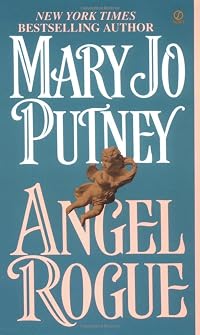
Overall, Petals in the Storm was a good read, but I didn’t end up liking it quite as well as the first two books of the series. On the upside, I can tell that Ms. Putney did her homework well, and as usual, she’s crafted a tightly plotted story of passion and intrigue. The pace is a bit slower as the investigation develops, but once things heat up, it really take off with some good action and suspense. The romance is nice as well, but perhaps because of my individual issues with Rafe and Maggie’s characters, I didn’t feel quite as connected to them or feel the emotional connection between them as strongly as I’d have preferred. After giving it some thought, I realized that Rafe and Maggie were perhaps a little too much alike in their temperaments, so it didn’t entirely feel like they balanced each other out. They’re both really stubborn, prideful people who let these qualities take them down an undesirable path. They do reconcile by the end and both acknowledge their faults, but it still left me with some doubts about whether they’d be able to keep themselves in check in the future. Although I mostly liked Rafe and Maggie together, there was some small part of me that felt like she and Robin were a better match because he seems to have a calming influence on her, while Rafe stirs up her passions and not always in a good way. However, Robin’s destiny lies in a different direction as he becomes the hero of the next Fallen Angels book, Angel Rogue. The only other two series characters who appear in this book are Lucien (Dancing on the Wind) who is running the spy operation from England, and Nicholas (Thunder and Roses) who has a very quick visit with Rafe and Lucien before Rafe leaves for Paris. Even though Petals in the Storm didn’t reach the heights of perfection for me, I’m very intrigued by Robin and look forward to seeing him get his HEA, so I hope to pick up his book soon. show less
I'm glad I read these out of order and saved this book to the end of the seven books in the series. I'm not a huge fan of spy story romances, which is this book's plot. We've met Rafe, Duke of Canover, in some of the other books, and he seemed like a good character, but boy, is he unlikeable for most of his own story. Maggie, the one who got away, is spying, playing the part of a Hungarian countess in Paris after the battle of Waterloo. Rafe is sent to investigate her, and they both end up trying to stop an assassination plot.
I never really felt the chemistry between them; mostly, it felt like lust. Their issues from the past are based on non-communication, and they never seem to learn that lesson here. The assassination plot was a bit show more cardboard villain-ish. But the rest of the series is great, so... show less
I never really felt the chemistry between them; mostly, it felt like lust. Their issues from the past are based on non-communication, and they never seem to learn that lesson here. The assassination plot was a bit show more cardboard villain-ish. But the rest of the series is great, so... show less
Petals in the Storm, features Rafe Whitbourne, Duke of Candover. Rafe is the highest-ranking and the most arrogant of the Angels, but as a loyal Englishman he is quite willing to come down from his prominence to assist in a bit of espionage. His Fallen Angel friend Lucien, a long-time spymaster, sends him to post-war Paris to uncover a rumored plot against the lives of peace conference participants such as Castlereagh and Wellington.
When Rafe arrives in Paris and meets his contact, the Hungarian Countess Magda Janos, he discovers to his shock that she is actually a woman he had thought long dead--the one woman he had loved, and the one woman who had betrayed him. To Maggie, nèe Margot Ashton, Rafe is the man who broke her heart and show more sent her fleeing to the Continent, where she has spent a dozen years working undercover against Bonaparte's regime.
As these two reluctantly work together, the complexities of their relationship and of the characters emerge. Each learns more of the other's hidden truths while they seek desperately to identify the leaders of the assassination plot. And this all happens against an exciting backdrop of danger and betrayal, as various factions struggle for power amidst the ruins of Napoleon's empire.
In MOST ways this book fell short, but there were too many things that helped. One such thing was the underlying romance of Helene Sorel and Karl von Fehrenbach. Again I find myself in the odd position of liking something that is a detraction for other readers. Sub-plot romances are very common in this author's books, and this was an enjoyable love-story. Helene and Karl's story was sweet and loving, a sad contrast to the main "love" story. show less
When Rafe arrives in Paris and meets his contact, the Hungarian Countess Magda Janos, he discovers to his shock that she is actually a woman he had thought long dead--the one woman he had loved, and the one woman who had betrayed him. To Maggie, nèe Margot Ashton, Rafe is the man who broke her heart and show more sent her fleeing to the Continent, where she has spent a dozen years working undercover against Bonaparte's regime.
As these two reluctantly work together, the complexities of their relationship and of the characters emerge. Each learns more of the other's hidden truths while they seek desperately to identify the leaders of the assassination plot. And this all happens against an exciting backdrop of danger and betrayal, as various factions struggle for power amidst the ruins of Napoleon's empire.
In MOST ways this book fell short, but there were too many things that helped. One such thing was the underlying romance of Helene Sorel and Karl von Fehrenbach. Again I find myself in the odd position of liking something that is a detraction for other readers. Sub-plot romances are very common in this author's books, and this was an enjoyable love-story. Helene and Karl's story was sweet and loving, a sad contrast to the main "love" story. show less
This has never been one of my favorites not because it isn't good because it is. It's just that the 2nd chance at love theme here is so so painful that I have a problem with it. Otherwise of course it is well written and intricately plotted. I also enjoyed the smaller regency it came from [b:The Controversial Countess|692967|The Controversial Countess (Regency #2)|Mary Jo Putney|http://photo.goodreads.com/books/1325371127s/692967.jpg|679286] which I also own. In fact I did not find it quite as wrenching.
Top-of-the-line romance, but gets off to a slow start.
The last 100 pages are absolutely stupendous, but the set-up drags a bit. Three great characters star, Rafe Whitbourne, the Duke, imperious and aloof, Margot Ashton, mystery woman, posing as the Countess Magda Janos, and Robin, Margot's associate, with secrets in his past.
The setting is the Paris Peace Conference of 1815.
Wondrous plot, great romance, and Paris.
The last 100 pages are absolutely stupendous, but the set-up drags a bit. Three great characters star, Rafe Whitbourne, the Duke, imperious and aloof, Margot Ashton, mystery woman, posing as the Countess Magda Janos, and Robin, Margot's associate, with secrets in his past.
The setting is the Paris Peace Conference of 1815.
Wondrous plot, great romance, and Paris.
It is amazing what you can learn when you are reading a good book. This is such a book. It takes place after the battle of Waterloo. I can only imagine all the arguing and fighting that went on during the negotiations for the treaty that ended the war. Feelings were running so high and so many had lost so much it is amazing that France remain a country. Napoleon was a great strategist and leader but he was just an tyrant that wanted to conquer the world. So many died during his reign I am surprise that he was executed when he finally surrendered for the last time.
Rafeal Whitbourne, Duke of Candover, is everything most of us want to read about as a hero. He is courageous, intelligent, caring and just a little cunning. For all his show more rakehell ways he seems to really care for most of the woman that he has affairs with. He doesn't stay around long enough to form a permanent attachment because emotions are too messy and he just doesn't want the hassle. He loves one woman, Margot Ashton, and he thinks that she betrayed him and then ran off to France where a mob killed her. He has mourned Margot for more than a decade. There is a lot of mental anxiety that goes on with Rafe and Margot through the whole story and the I began to wonder if Rafe was going to get his HEA.
Margot "Maggie" Ashton is a hot headed, independent, intelligent and an expert with languages. She is also a spiess for Britain. She has been a spy for over ten years and she is very good at what she does. I like Maggie for the most part but she is as bad as Rafe about jumping to conclusions instead of just talking to Rafe. I think that there could have been a lot more hot sex if they had just talked to each other. Don't get me wrong Rafe is just a bad about jumping to conclusions. Maggie is also brave and capable of getting herself out of most trouble.
This is a good story and those that love historical romance will eat this story up. There are part of this story that are hard to read and for those of you that can't read a story with rape in the story you might want to avoid the story. There isn't an actual scene with rape in it, Rafe prevents that from happening, but there is discussion about what happened to Maggie when she was 19. There are lots of bits of history throughout this story which only makes it that much better. There is also a secondary romance that plays out in the last half of the story which is very sweet. Finally the two villains in this story are despicable in the extreme. I just wanted to see them taken out before they hurt anyone else. They way they are taken care of poetic at the end. show less
Rafeal Whitbourne, Duke of Candover, is everything most of us want to read about as a hero. He is courageous, intelligent, caring and just a little cunning. For all his show more rakehell ways he seems to really care for most of the woman that he has affairs with. He doesn't stay around long enough to form a permanent attachment because emotions are too messy and he just doesn't want the hassle. He loves one woman, Margot Ashton, and he thinks that she betrayed him and then ran off to France where a mob killed her. He has mourned Margot for more than a decade. There is a lot of mental anxiety that goes on with Rafe and Margot through the whole story and the I began to wonder if Rafe was going to get his HEA.
Margot "Maggie" Ashton is a hot headed, independent, intelligent and an expert with languages. She is also a spiess for Britain. She has been a spy for over ten years and she is very good at what she does. I like Maggie for the most part but she is as bad as Rafe about jumping to conclusions instead of just talking to Rafe. I think that there could have been a lot more hot sex if they had just talked to each other. Don't get me wrong Rafe is just a bad about jumping to conclusions. Maggie is also brave and capable of getting herself out of most trouble.
This is a good story and those that love historical romance will eat this story up. There are part of this story that are hard to read and for those of you that can't read a story with rape in the story you might want to avoid the story. There isn't an actual scene with rape in it, Rafe prevents that from happening, but there is discussion about what happened to Maggie when she was 19. There are lots of bits of history throughout this story which only makes it that much better. There is also a secondary romance that plays out in the last half of the story which is very sweet. Finally the two villains in this story are despicable in the extreme. I just wanted to see them taken out before they hurt anyone else. They way they are taken care of poetic at the end. show less
Yet another exotic heroine, even if she is English. This English-bred rose is a spy, disguised as a Hungarian aristocrat. Maggie snags a duke, and delicious duke at that.
Members
- Recently Added By
Author Information

113+ Works 15,398 Members
Romance writer Mary Jo Putney was born in New York and graduated from Syracuse University with degrees in English literature and Industrial design. She served as the art editor of The New Internationalist magazine in London and worked as a designer in California before settling in Baltimore, Maryland in 1980 to run her own freelance graphic design show more business Her first novel was a traditional Regency romance, which sold in one week. Signet liked the novel so much that it offered Putney a three-book contract. In 1987 that first novel, The Diabolical Baron, was published. Since then, she has published more than twenty-nine books. Her books have been ranked on the national bestseller lists of the New York Times, USA Today, and Publishers Weekly. Most of her books have been historical romance. She has also begun writing fantasy romance and romantic fantasy. Putney has won the Romance Writers of America RITA Award twice, for Dancing on the Wind and The Rake and the Reformer and has been a RITA finalist nine times. She is on the Romance Writers of America Honor Roll for bestselling authors, and has been awarded two Romantic Times Career Achievement Awards and four Golden Leaf Awards. Her titles include: Dark Mirror, Dark Passage, No Longer a Gentleman, Never Less than a Lady, and Nowhere Near Respectable. (Bowker Author Biography) show less
Series

Common Knowledge
- Original title
- The Controversial Countess
- Original publication date
- 1989
- People/Characters
- Rafe Whitbourne, Duke of Candover; Margot Ashton
- Important places
- England, UK; Paris, France
- Important events
- Congress of Vienna
- Dedication
- To Nic, who may well be the only professor of economics in America who reads and enjoys my books.
- First words
- "What the devil is going on here?"
- Last words
- (Click to show. Warning: May contain spoilers.)They had a lot of years to make up for.
- Original language
- English
Classifications
Statistics
- Members
- 349
- Popularity
- 90,892
- Reviews
- 9
- Rating
- (3.64)
- Languages
- 5 — Dutch, English, Russian, Spanish, Swedish
- Media
- Paper, Audiobook, Ebook
- ISBNs
- 12
- ASINs
- 1