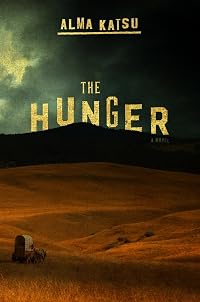
The Hunger
by Alma Katsu 
On This Page
Description
As featured in The New York Times Book Review Summer Reading Issue "Supernatural suspense at its finest...The best thing about The Hunger is that it will scare the pants off you."--The New York Times Book Review "Deeply, deeply disturbing, hard to put down, not recommended reading after dark."--Stephen King A tense and gripping reimagining of one of America's most fascinating historical moments: the Donner Party with a supernatural twist. Evil is invisible, and it is everywhere. That is the show more only way to explain the series of misfortunes that have plagued the wagon train known as the Donner Party. Depleted rations, bitter quarrels, and the mysterious death of a little boy have driven the isolated travelers to the brink of madness. Though they dream of what awaits them in the West, long-buried secrets begin to emerge, and dissent among them escalates to the point of murder and chaos. They cannot seem to escape tragedy...or the feelings that someone--or something--is stalking them. Whether it's a curse from the beautiful Tamsen Donner (who some think might be a witch), their ill-advised choice of route through uncharted terrain, or just plain bad luck, the ninety men, women, and children of the Donner Party are heading into one of one of the deadliest and most disastrous Western adventures in American history. As members of the group begin to disappear, the survivors start to wonder if there really is something disturbing, and hungry, waiting for them in the mountains...and whether the evil that has unfolded around them may have in fact been growing within them all along. Effortlessly combining the supernatural and the historical, The Hunger is an eerie, thrilling look at the volatility of human nature, pushed to its breaking point. show lessTags
Recommendations
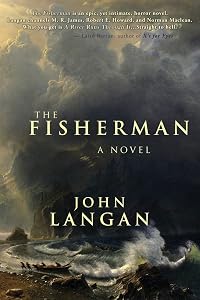
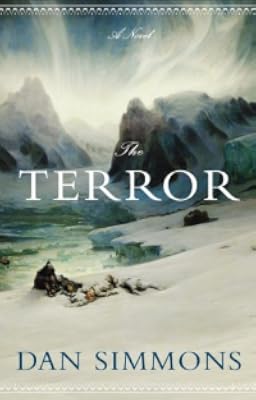
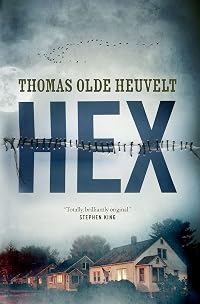
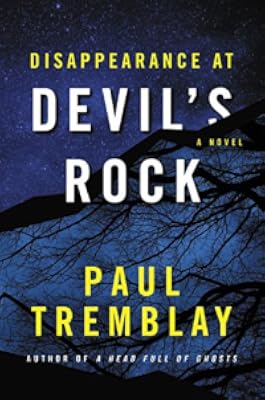
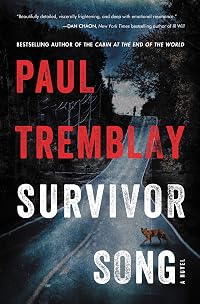
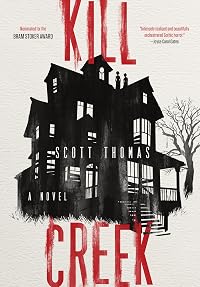
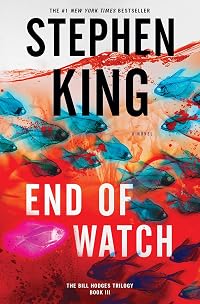
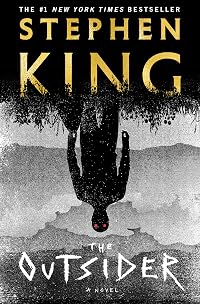
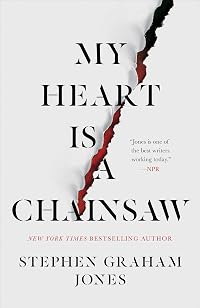
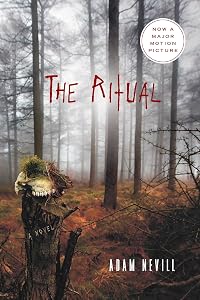
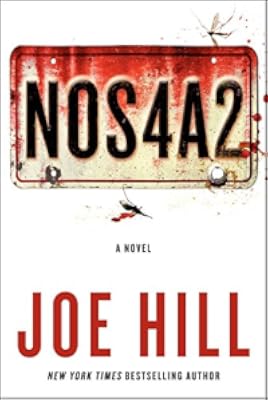
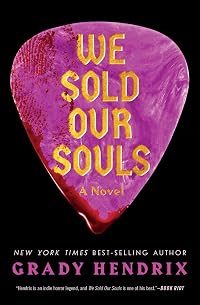
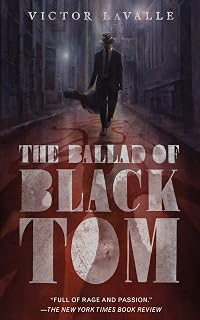
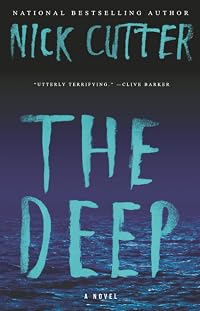
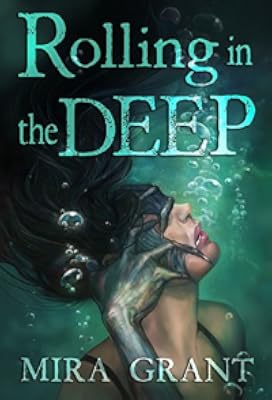
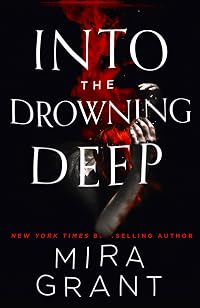
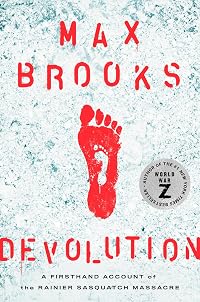

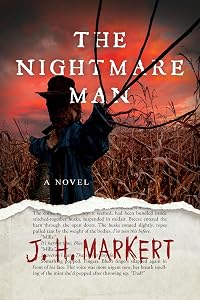
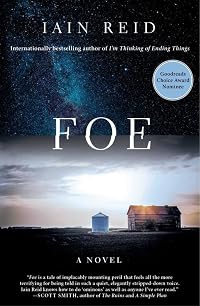
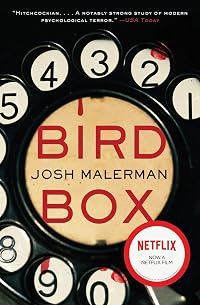


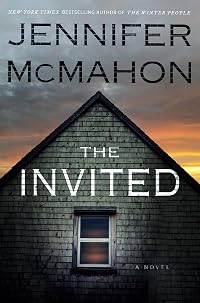
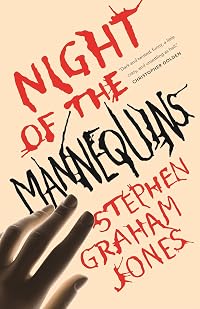
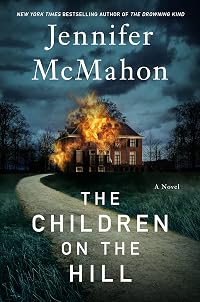
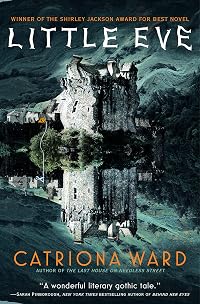
Member Recommendations

AngelaJMaher Both are horror novels with a Western setting

sturlington Donner Party
Member Reviews
Unlike most of the planet, I didn't like Katsu's debut novel, The Taker. Which I was bitter about, because Katsu impressed me with her potential.
With The Hunger, I got the novel I always wanted: taut, moody, dangerous, atmospheric, and creepy.
I don't know where to start with my squee-ing. It helps that the premise -- supernatural take on the Donner Party tragedy -- is just so delicious. Katsu doesn't speed through the trip, and through the early days we learn how fractured these people were, and the many demons that chased them. She takes her time to give the characters space to breathe, and we're rewarded with rich plot threads and deeply flawed and oh-so appealing characters.
For history sticklers, this book will surely aggravate, as show more Katsu takes some wild liberties with the histories of the Donner Party members: victims of sexual abuse, secretly gay, murderer. But I uh-dored this inventive, sordid re-imagining, for it made the slow approaching doom all the more welcome and fraught. Our travelers had no idea was horror was ahead of them, but we do, and the slow chipping away of the party's morale (and population) ratcheted the tension up with every page.
This novel reminded me of Dan Simmons' The Terror, which I enjoyed; unlike The Terror, however, Katsu manages to hold everything together right to the end, offering a conclusion that is fully supernatural yet entirely plausible.
Undoubtedly, a top ten read for 2018. show less
With The Hunger, I got the novel I always wanted: taut, moody, dangerous, atmospheric, and creepy.
I don't know where to start with my squee-ing. It helps that the premise -- supernatural take on the Donner Party tragedy -- is just so delicious. Katsu doesn't speed through the trip, and through the early days we learn how fractured these people were, and the many demons that chased them. She takes her time to give the characters space to breathe, and we're rewarded with rich plot threads and deeply flawed and oh-so appealing characters.
For history sticklers, this book will surely aggravate, as show more Katsu takes some wild liberties with the histories of the Donner Party members: victims of sexual abuse, secretly gay, murderer. But I uh-dored this inventive, sordid re-imagining, for it made the slow approaching doom all the more welcome and fraught. Our travelers had no idea was horror was ahead of them, but we do, and the slow chipping away of the party's morale (and population) ratcheted the tension up with every page.
This novel reminded me of Dan Simmons' The Terror, which I enjoyed; unlike The Terror, however, Katsu manages to hold everything together right to the end, offering a conclusion that is fully supernatural yet entirely plausible.
Undoubtedly, a top ten read for 2018. show less
I've heard such fantastic things about this author, but it seems I started with the wrong book. In truth, the more I think about this one, the less I like it, and that's never a good sign.
It's a page-turner through the first third--I have to give it that much. Early on, I was fully engaged and anxious to keep going, thinking it was a fantastic way to start off a new year of reading. But then things fizzled. One problem is the number of POV characters. There are so many POVs that, unique as they are, all of the main characters come across as somewhat superficial and undeveloped simply because of the sheer number of them. You may feel truly engaged by one, and then not come across it again for another sixty or seventy pages. Similarly, show more there are a number of chapters devoted to exploring particular characters' histories...but since we see so little of the characters in the present, and the backstory doesn't add much which couldn't be summed up quickly, all that backstory only separates us from the readers more, making it feel as if we're getting snapshots and ideas of who these people are rather than actually being allowed to engage with them.
But perhaps that brings us to the fact that, to Katsu's way of thinking/planning, these characters are based off of real people and real history. Unfortunately, my uncharitable view is that Katsu changed so much about the characters--oh, how I'd be mad if I were one of their ancestors!--and did so little justice to the actual history which supposedly inspired this book, that the only reason I can think for her to even bother connecting this book to the history is that she wanted to 'cash in' on the historical connection. I truly can't come up with any other rationale, much as I hate to say it, because the characters are so different and this could so easily have simply been fiction without any mention of history. And, it likely would have been better...after all, part fo the problem here is that the reader loosely knows what's coming because of the history Katsu supposedly focused on, which means that plot can only hold so much mystery. Leaving a reader to focus on character development and engagement, which doesn't get us very far.
All told, I'm not sure when (or if) I'll try Katsu again. The taste in my mouth from this book is, put bluntly, one of disrespect. That she disrespected the history and the real people involved by tying this book--this work of fiction--to their names and their tragedy. And when it comes right down to it, I'm not sure why I should support an author who'd do that when I have so many other choices demanding to be read.
Obviously, this isn't one I'd recommend. show less
It's a page-turner through the first third--I have to give it that much. Early on, I was fully engaged and anxious to keep going, thinking it was a fantastic way to start off a new year of reading. But then things fizzled. One problem is the number of POV characters. There are so many POVs that, unique as they are, all of the main characters come across as somewhat superficial and undeveloped simply because of the sheer number of them. You may feel truly engaged by one, and then not come across it again for another sixty or seventy pages. Similarly, show more there are a number of chapters devoted to exploring particular characters' histories...but since we see so little of the characters in the present, and the backstory doesn't add much which couldn't be summed up quickly, all that backstory only separates us from the readers more, making it feel as if we're getting snapshots and ideas of who these people are rather than actually being allowed to engage with them.
But perhaps that brings us to the fact that, to Katsu's way of thinking/planning, these characters are based off of real people and real history. Unfortunately, my uncharitable view is that Katsu changed so much about the characters--oh, how I'd be mad if I were one of their ancestors!--and did so little justice to the actual history which supposedly inspired this book, that the only reason I can think for her to even bother connecting this book to the history is that she wanted to 'cash in' on the historical connection. I truly can't come up with any other rationale, much as I hate to say it, because the characters are so different and this could so easily have simply been fiction without any mention of history. And, it likely would have been better...after all, part fo the problem here is that the reader loosely knows what's coming because of the history Katsu supposedly focused on, which means that plot can only hold so much mystery. Leaving a reader to focus on character development and engagement, which doesn't get us very far.
All told, I'm not sure when (or if) I'll try Katsu again. The taste in my mouth from this book is, put bluntly, one of disrespect. That she disrespected the history and the real people involved by tying this book--this work of fiction--to their names and their tragedy. And when it comes right down to it, I'm not sure why I should support an author who'd do that when I have so many other choices demanding to be read.
Obviously, this isn't one I'd recommend. show less
The story of the Donner Party is horrifying enough without adding a supernatural element, but Katsu handles this combination beautifully. I particularly enjoyed the ambiguity of the threat. Is it an old-world werewolf? Is it a variation on the wendigo? Or is it a hybrid of the two, a new horror created by the intrusion of Europeans into the Americas? There are no clear answers. I also appreciate the way Katsu doesn't replace the very real evils of human beings with the supernatural. The two exist side-by-side in a believable way.
In The Hunger, author Alma Katsu took the tragedy of the Donner Party and added some additional horror to the already sensational story and elevated the tale to new heights of dread and terror.
It starts with the disappearance of one child. When they discover his body it is obvious that the child was taken by something unworldly. The question is whether the “something” is part of the wilderness, or part of the wagon train. The questions mount as the story continues and more and more people come to questionable ends. Are there supernatural creatures stalking them or is there a strange disease, a disease that causes a hunger for human flesh driving one of the members of the expedition. This fear is added to the poor leadership, bad show more timing and adverse weather conditions they experienced. giving the story a claustrophobic feeling and a very dark atmosphere.
I am a fan of western stories and of horror stories so this book was right in my wheel-house. The author slowly built the tension and mixed the actual history with horror fiction in an interesting way. The Hunger is a solid and eerie version of a well known episode in America’s westward travels. show less
It starts with the disappearance of one child. When they discover his body it is obvious that the child was taken by something unworldly. The question is whether the “something” is part of the wilderness, or part of the wagon train. The questions mount as the story continues and more and more people come to questionable ends. Are there supernatural creatures stalking them or is there a strange disease, a disease that causes a hunger for human flesh driving one of the members of the expedition. This fear is added to the poor leadership, bad show more timing and adverse weather conditions they experienced. giving the story a claustrophobic feeling and a very dark atmosphere.
I am a fan of western stories and of horror stories so this book was right in my wheel-house. The author slowly built the tension and mixed the actual history with horror fiction in an interesting way. The Hunger is a solid and eerie version of a well known episode in America’s westward travels. show less
I am really liking this horror/historical fiction trend I have seen for the last few review books. You not only learn something about history but get scared at the same time. I can’t think of anything better!
This latest mashup follows the Donner Party as they cross the plains on the way to their doom. The focus in this particular Donner version is on the journey and the people, allowing us to get to know the individual families and the misfortunes that follow the entire wagon train as they head west. As we already know their fate, the tragedies and poor decision-making they experience on the trail become a poignant reminder of the power of egos and unforeseen consequences that occur when we let ego and pride run amok.
Ms. Katsu does a show more fantastic job building suspense and using the element of doubt to add another layer to the story. After all, this is a group of eighty-plus people performing grueling labor and exercise in relentless heat with very little food and water; the mind can do funny things when stressed. So when people start seeing shadows and hearing voices, you really have no idea whether something is out there stalking the party or not. This plays on the fears and strains under which the party is already suffering. Plus, it is in keeping with their experiences. They are in an unfamiliar land with no real knowledge of the animals or people who inhabit it. Imaginations are bound to run free at hearing strange noises or upon experiencing odd situations. Tensions are already high given the need to hurry and the accidents that keep occurring that continually delays them. It is a situation ripe with the possibility of using wild imaginations as an excuse to release tension and take out their individual anger and frustrations on each other.
The Hunger is a brilliant amalgam of fact and fiction. Ms. Katsu does not change the end result of the Donner Party journey, nor does she play with the journey itself. The Party still makes poor decisions, stopping early, starting late, wasting food, getting lost, and taking the wrong route. They are still facing starvation should they not make it to the pass before it closes for the winter. It is what happens as they make their journey where the drama happens. By allowing us the chance to walk beside them as they struggle to push forward, by inviting us into the Party, Ms. Katsu brings these lost figures to life in a way that biographies can not. They become more than characters in a macabre story in history books but flesh and blood with hopes and dreams who happen to be caught up in unfortunate circumstances, some of which are of their own making.
As for the horror element, it is sufficiently creepy to make reading at night more than a little uncomfortable. Here too Ms. Katsu plays with the genre a bit. By turning the idea of a monster on its head, she has the freedom to explore human nature as a monstrosity. There are plenty of things that go bump in the night as well, but sometimes that which is most frightening is hidden inside us – something Ms. Katsu knows and exploits to her advantage.
The Hunger is a fascinating glimpse into one of the most well-known tragedies of the pioneering days. Through Ms. Katsu’s attention to detail, we experience the unforgiving lifestyle of settlers migrating west. We also gain insight into various reasons for people wanting to leave everything familiar for an unknown land. The Hunger could also double as a psychological study of human nature in a harsh environment when individual survival is at stake. Who rises to the top and who succumbs to fear in such situations is never as cut and dry as we think it will be, making what happens to the Party that much more interesting. With plenty of spooky happenings, unknown haunts, and the very real specter of becoming delusional, there is enough to make you think twice the next time you want to go tent-camping. After all, you never truly know what is out there, hiding in the shadows. show less
This latest mashup follows the Donner Party as they cross the plains on the way to their doom. The focus in this particular Donner version is on the journey and the people, allowing us to get to know the individual families and the misfortunes that follow the entire wagon train as they head west. As we already know their fate, the tragedies and poor decision-making they experience on the trail become a poignant reminder of the power of egos and unforeseen consequences that occur when we let ego and pride run amok.
Ms. Katsu does a show more fantastic job building suspense and using the element of doubt to add another layer to the story. After all, this is a group of eighty-plus people performing grueling labor and exercise in relentless heat with very little food and water; the mind can do funny things when stressed. So when people start seeing shadows and hearing voices, you really have no idea whether something is out there stalking the party or not. This plays on the fears and strains under which the party is already suffering. Plus, it is in keeping with their experiences. They are in an unfamiliar land with no real knowledge of the animals or people who inhabit it. Imaginations are bound to run free at hearing strange noises or upon experiencing odd situations. Tensions are already high given the need to hurry and the accidents that keep occurring that continually delays them. It is a situation ripe with the possibility of using wild imaginations as an excuse to release tension and take out their individual anger and frustrations on each other.
The Hunger is a brilliant amalgam of fact and fiction. Ms. Katsu does not change the end result of the Donner Party journey, nor does she play with the journey itself. The Party still makes poor decisions, stopping early, starting late, wasting food, getting lost, and taking the wrong route. They are still facing starvation should they not make it to the pass before it closes for the winter. It is what happens as they make their journey where the drama happens. By allowing us the chance to walk beside them as they struggle to push forward, by inviting us into the Party, Ms. Katsu brings these lost figures to life in a way that biographies can not. They become more than characters in a macabre story in history books but flesh and blood with hopes and dreams who happen to be caught up in unfortunate circumstances, some of which are of their own making.
As for the horror element, it is sufficiently creepy to make reading at night more than a little uncomfortable. Here too Ms. Katsu plays with the genre a bit. By turning the idea of a monster on its head, she has the freedom to explore human nature as a monstrosity. There are plenty of things that go bump in the night as well, but sometimes that which is most frightening is hidden inside us – something Ms. Katsu knows and exploits to her advantage.
The Hunger is a fascinating glimpse into one of the most well-known tragedies of the pioneering days. Through Ms. Katsu’s attention to detail, we experience the unforgiving lifestyle of settlers migrating west. We also gain insight into various reasons for people wanting to leave everything familiar for an unknown land. The Hunger could also double as a psychological study of human nature in a harsh environment when individual survival is at stake. Who rises to the top and who succumbs to fear in such situations is never as cut and dry as we think it will be, making what happens to the Party that much more interesting. With plenty of spooky happenings, unknown haunts, and the very real specter of becoming delusional, there is enough to make you think twice the next time you want to go tent-camping. After all, you never truly know what is out there, hiding in the shadows. show less
“Then the Lord must be mightily displeased with you, because he has led you into the valley of death. Make peace with your Lord before it is too late, because the hungry ones are coming for you.”
As if the actual story of the Donner Party wasn't horrifying enough, Alma Katsu decided it needed a retelling in which "the hungry ones," (known as Na'it to the local Washoe tribe --a werewolf/Wendigo-inspired monster transformation that is hereditary, but spreads virally ) are stalking the doomed pioneers. Using the basic historical outline, including the names and backgrounds (albeit embellished with secret backstories) of the group members, Ms. Katsu seamlessly blends historical fiction and horror.
The Hunger perfectly fits my October show more spooky lit cravings. I devoured every page -- consumed by the tormented characters. Ms. Katsu works in all kind of secrets, many of a sexual nature, which follow the characters as they desperately struggle to leave behind their old lives for a new start in California. show less
As if the actual story of the Donner Party wasn't horrifying enough, Alma Katsu decided it needed a retelling in which "the hungry ones," (known as Na'it to the local Washoe tribe
The Hunger perfectly fits my October show more spooky lit cravings. I devoured every page -- consumed by the tormented characters. Ms. Katsu works in all kind of secrets, many of a sexual nature, which follow the characters as they desperately struggle to leave behind their old lives for a new start in California. show less
While the fateful journey of the Donner Party is a matter of record for American history, it's not as well known outside of the U.S.A. so I was not familiar with this event apart from having heard it mentioned once or twice in passing, and as soon as I encountered the first reviews for Alma Katsu's book I went in search of more information about it: what I found was a tale of hardship and horror whose reality seemed to surpass any fictional tale of the supernatural I might have read until now.
The Donner Party was a group of hopeful pioneers headed to California to start a new life in what was the new frontier for the times, the middle of the 19th Century: they set out from Missouri in the late spring of 1846, but instead of following show more the tried and tested trail other adventurers had successfully traveled on, they decided to attempt the newest Hastings Cutoff, named after the explorer who had first opened it.
Unfortunately, Hastings had not specified either that the cutoff would add a considerable number of miles to the trek, or that the way was more suited to men on horseback rather than oxen-driven wagons loaded with supplies, so that a series of accidents and drawbacks cost the travelers precious time - not to mention the loss of several animals and even wagons - and at the start of a particularly hard winter they were stranded and snowbound on the Sierra Nevada, as their supplies ran out and they found themselves with little shelter and no food. The survivors who were rescued by a search party in the early spring of 1847 had had to resort to eating the flesh of their dead to keep alive.
The historical events of the Donner Party look horrific enough in their stark reality, and yet the author decided to insert a supernatural twist to the story, in the form of a disturbing presence stalking the wagons from the very start and at times grabbing some hapless victim whose remains hinted at something inhuman and terrifying at play. While this choice added a further (and maybe unnecessary) layer of dread to an already ghastly situation, it worked as a sort of mirror for the overall darkness that progressively fell on the colonists, one that seemed to come from them rather than from the outside, a force that was freed once the people were removed from the moral and spiritual boundaries of civilization.
From the very start we see how the relationships among the 90-odd people of the caravan are subject to strain, mostly due to the different social backgrounds and mindset of the various individuals, so that they fall prey to arguments that end up dividing the group into smaller factions, at odds with each other. Once the true adversities start piling up on them, these divergences flare up, sometimes with dramatic consequences. George Donner's wife Tamsen, for example, is a practitioner of natural medicine though her knowledge of herbs and remedies, and therefore the subject of mistrust that quickly turns into the belief she might be a witch, with the consequence that the Donners are shunned and treated like pariahs. Or once the supplies start dwindling, those with more refuse to share with the less fortunate, all too easily forgetting the principles of Christian charity that everybody seemed to profess.
As the journey becomes more harrowing and takes its toll on people, animals and supplies - the crossing of the salt desert being one of the most heartbreaking segments - whatever shred of humanity the group might have held on to seems to disappear, each wagon, each individual becoming a world unto itself, focused on its own survival to the exclusion of anything, and anyone, else. And once that humanity dwindles or is silenced forever, once any residue of acceptable social behavior evaporates under the hardships, it looks far too easy for the pioneers to let go of their more enlightened habits and to fall back to more primitive patterns. First they stop caring about appearances:
They were all starting to neglect themselves, losing the will to keep themselves clean and tidy. To remain civilized. Day by day they grew wilder, filthier, more animal.
Then there is a scene in which the starved group is forced to kill one head of cattle to have some food, and the people partaking of that flesh look more like a bunch of cavemen rather than city born and bred individuals:
..no laughter or songs or shared bottles of whiskey […] Now it was just the sound of ravenous eating, the smack of lips and teeth tearing flesh off bone.
With this particular sentence I was strongly reminded of Tolkien's description of Gollum, about his "furtive eating and resentful remembering", and it was a chilly comparison, one that emphasized the regression of these pioneers to a more primeval state, one that was much more horrifying than the shadowy beings haunting the group from the encroaching darkness. And for this very reason, once the supernatural element in the story is revealed, it looks almost mundane, far less frightening than the mindless savagery consuming the group of settlers.
The Hunger is not an easy book, and certainly not an uplifting read, but despite its bleakness I could not tear myself from it: the author has a way of relaying even the most horrific of details with a blunt clarity that never slips into morbid gratification, and for this reason offers a compelling tale of the heights and pitfalls of the human soul when subjected to intolerable stress. Like the colonists' own, this was not an easy journey, but it taught me a great deal about humanity, and I would not have missed it for the world. show less
The Donner Party was a group of hopeful pioneers headed to California to start a new life in what was the new frontier for the times, the middle of the 19th Century: they set out from Missouri in the late spring of 1846, but instead of following show more the tried and tested trail other adventurers had successfully traveled on, they decided to attempt the newest Hastings Cutoff, named after the explorer who had first opened it.
Unfortunately, Hastings had not specified either that the cutoff would add a considerable number of miles to the trek, or that the way was more suited to men on horseback rather than oxen-driven wagons loaded with supplies, so that a series of accidents and drawbacks cost the travelers precious time - not to mention the loss of several animals and even wagons - and at the start of a particularly hard winter they were stranded and snowbound on the Sierra Nevada, as their supplies ran out and they found themselves with little shelter and no food. The survivors who were rescued by a search party in the early spring of 1847 had had to resort to eating the flesh of their dead to keep alive.
The historical events of the Donner Party look horrific enough in their stark reality, and yet the author decided to insert a supernatural twist to the story, in the form of a disturbing presence stalking the wagons from the very start and at times grabbing some hapless victim whose remains hinted at something inhuman and terrifying at play. While this choice added a further (and maybe unnecessary) layer of dread to an already ghastly situation, it worked as a sort of mirror for the overall darkness that progressively fell on the colonists, one that seemed to come from them rather than from the outside, a force that was freed once the people were removed from the moral and spiritual boundaries of civilization.
From the very start we see how the relationships among the 90-odd people of the caravan are subject to strain, mostly due to the different social backgrounds and mindset of the various individuals, so that they fall prey to arguments that end up dividing the group into smaller factions, at odds with each other. Once the true adversities start piling up on them, these divergences flare up, sometimes with dramatic consequences. George Donner's wife Tamsen, for example, is a practitioner of natural medicine though her knowledge of herbs and remedies, and therefore the subject of mistrust that quickly turns into the belief she might be a witch, with the consequence that the Donners are shunned and treated like pariahs. Or once the supplies start dwindling, those with more refuse to share with the less fortunate, all too easily forgetting the principles of Christian charity that everybody seemed to profess.
As the journey becomes more harrowing and takes its toll on people, animals and supplies - the crossing of the salt desert being one of the most heartbreaking segments - whatever shred of humanity the group might have held on to seems to disappear, each wagon, each individual becoming a world unto itself, focused on its own survival to the exclusion of anything, and anyone, else. And once that humanity dwindles or is silenced forever, once any residue of acceptable social behavior evaporates under the hardships, it looks far too easy for the pioneers to let go of their more enlightened habits and to fall back to more primitive patterns. First they stop caring about appearances:
They were all starting to neglect themselves, losing the will to keep themselves clean and tidy. To remain civilized. Day by day they grew wilder, filthier, more animal.
Then there is a scene in which the starved group is forced to kill one head of cattle to have some food, and the people partaking of that flesh look more like a bunch of cavemen rather than city born and bred individuals:
..no laughter or songs or shared bottles of whiskey […] Now it was just the sound of ravenous eating, the smack of lips and teeth tearing flesh off bone.
With this particular sentence I was strongly reminded of Tolkien's description of Gollum, about his "furtive eating and resentful remembering", and it was a chilly comparison, one that emphasized the regression of these pioneers to a more primeval state, one that was much more horrifying than the shadowy beings haunting the group from the encroaching darkness. And for this very reason, once the supernatural element in the story is revealed, it looks almost mundane, far less frightening than the mindless savagery consuming the group of settlers.
The Hunger is not an easy book, and certainly not an uplifting read, but despite its bleakness I could not tear myself from it: the author has a way of relaying even the most horrific of details with a blunt clarity that never slips into morbid gratification, and for this reason offers a compelling tale of the heights and pitfalls of the human soul when subjected to intolerable stress. Like the colonists' own, this was not an easy journey, but it taught me a great deal about humanity, and I would not have missed it for the world. show less
Members
- Recently Added By
Lists

Best Horror Books
281 works; 85 members

NPR Reader Poll: 100 Best Horror Novels and Stories
100 works; 20 members

Reader's Digest 50 Best Horror Books to Read
50 works; 3 members

Read This Twice's Best Horror Books
94 works; 2 members

Litsy Awards 2018
248 works; 9 members

Diverse Horror
262 works; 6 members

Female Horror Author
35 works; 2 members
Best Horror Mega-List
342 works; 6 members

Fiction: Supernatural Horror
97 works; 1 member
Reedsydiscovery 100 Best Horror Books of All Time
100 works; 5 members
Spooky United States: The Scariest Books Set in Each State
50 works; 3 members

Kate & Cheyanne's Horror Extravaganza
144 works; 6 members

Nightmares Not Included
175 works; 3 members

GoodReads Horror Choice Awards
160 works; 4 members
Amazon best fictional genre picks monthly for 2018
418 works; 9 members

Works Cited in Kevin Wetmore's Eaters of the Dead
61 works; 1 member

Historical Figures in Fiction
51 works; 5 members

Books Read in 2020
4,379 works; 124 members

Strange Westerns
11 works; 4 members

Books Read in 2018
4,360 works; 110 members

Books about Frontier Life and Pioneers
55 works; 7 members
Author Information

28+ Works 4,214 Members
Alma Katsu is a LibraryThing Author, an author who lists their personal library on LibraryThing.
Awards and Honors
Awards
Common Knowledge
- Canonical title
- The Hunger
- Original publication date
- 2018
- People/Characters
- Tamsen Donner; Charles Stanton; Edwin Bryant; Mary Graves; Lewis Keseberg
- Important places
- Sierra Nevada Mountains
- Important events
- Donner Party (1846 | 1847)
- Dedication
- For my husband, Bruce
- First words
- Everyone agreed it had been a bad winter, one of the worst in recollection.
- Last words
- (Click to show. Warning: May contain spoilers.)He fell to his knees and reached out a hand.
- Blurbers
- Stine, R.L.; McMahon, Jennifer; Donohue, Keith; Harris, Joanne; Pinborough, Sarah; Golden, Christopher
- Original language
- English
- Canonical DDC/MDS
- 813.6
- Canonical LCC
- PS3611.A7886
Classifications
Statistics
- Members
- 1,446
- Popularity
- 16,248
- Reviews
- 68
- Rating
- (3.62)
- Languages
- 5 — English, German, Italian, Spanish, Swedish
- Media
- Paper, Audiobook, Ebook
- ISBNs
- 24
- ASINs
- 7