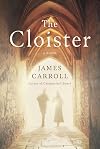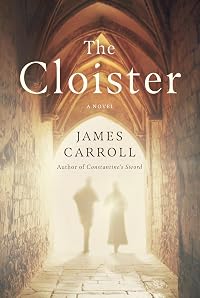
The Cloister
by James Carroll
On This Page
Description
After Father Michael Kavanagh sees a friend from his seminary days at the altar of his humble Inwood community parish, he wanders into the medieval haven of The Cloisters. In conversation with museum guide Rachel Vedette, he finds she retreated to the quiet of The Cloisters after her harrowing experience as a Jewish woman in France during the Holocaust. She shares with Kavanagh her late father's greatest intellectual work: a study demonstrating the relationship between the famously show more discredited monk Peter Abelard and Jewish scholars-- and the romance between Abelard and his intellectual equal Héloïse. show lessTags
Recommendations












Member Reviews
Carroll uses France's medieval Abelard and Heloise story to show how the Church feeling threatened by change, used religion as a political tool to discredit intelligent, gifted priests proposing and teaching new ideas of thinking about G-d. Short-sighted clergy and church administrators maligned men like Peter Abelard and Thomas of Aquinas as heretics because their rational, humanistic approach to Catholicism was proving popular among regular people.
Additionally, Abelard tried protecting the Jewish population from Church-sanctioned mass killings by saying G-d loved all his creations. This is the key reason generations later, before and during WWII the brilliant French Jewish scholar Saul Vedette and his daughter Rachel studied long show more hidden manuscripts of Abelard’s. They hoped to use Abelard’s thoughts and words about G-d and the Jews as a foundation to publish a major work to stop the egregious hate, violence and mass murder of Europe’s Jews.
In New York Father Michael Kavanaugh searches for a former schoolmate and friend and ends up meeting Rachel, a Jewish docent in the Cloisters. Through brief awkward conversations she helps Kavanaugh learn that he has accepted the Church’s judgement of Abelard. Once he starts his own research, he recognizes other life-changing misconceptions he believed because of what the Church taught him. About Catholic history of violence toward the Jews, and the truth about his friend. Kavanaugh helps Rachel reason through her pain and guilt.
Carroll does an amazing job with dialogue; capturing the life-like nuances and emotions in play within many settings and time periods. And clearly illustrates the Church’s role and culpability in instigating intolerance, hatred, violence and murder of Jews throughout history. show less
Additionally, Abelard tried protecting the Jewish population from Church-sanctioned mass killings by saying G-d loved all his creations. This is the key reason generations later, before and during WWII the brilliant French Jewish scholar Saul Vedette and his daughter Rachel studied long show more hidden manuscripts of Abelard’s. They hoped to use Abelard’s thoughts and words about G-d and the Jews as a foundation to publish a major work to stop the egregious hate, violence and mass murder of Europe’s Jews.
In New York Father Michael Kavanaugh searches for a former schoolmate and friend and ends up meeting Rachel, a Jewish docent in the Cloisters. Through brief awkward conversations she helps Kavanaugh learn that he has accepted the Church’s judgement of Abelard. Once he starts his own research, he recognizes other life-changing misconceptions he believed because of what the Church taught him. About Catholic history of violence toward the Jews, and the truth about his friend. Kavanaugh helps Rachel reason through her pain and guilt.
Carroll does an amazing job with dialogue; capturing the life-like nuances and emotions in play within many settings and time periods. And clearly illustrates the Church’s role and culpability in instigating intolerance, hatred, violence and murder of Jews throughout history. show less
I received this book from the publisher via Netgalley.
A stunning book, beautifully written. Carroll brings to life the story of Abelard and Heloise, but not to focus on the tragic nature of their romance, which resulted in Abelard's brutal castration. No, he depicts the love that arises when two brilliant people come together, each feeding the other's brilliance. The result of that love echoes through the centuries to change the lives of two people in New York City in the aftermath of World War II: a Catholic priest, left staggered by the return of a friend from his youth, as he realizes his own poignant isolation in the clergy; and a young woman, a Jew from France whose father studied the texts of Abelard, and essentially died for it show more during the war.
There are layers upon layers here. This book is not a melodrama. It's about nuance. It's about people being people. It's about surviving, at great cost. It's about losing God, and finding him again. It's about the history of Catholicism and Judaism, and how churches--like people--have a difficult time realizing their errors or making an effort to correct them.
This is a book that will haunt me, in the best sort of way. I am left with a profound need to not only read more about Abelard and Heloise, but to look for more of James Carroll's work. show less
A stunning book, beautifully written. Carroll brings to life the story of Abelard and Heloise, but not to focus on the tragic nature of their romance, which resulted in Abelard's brutal castration. No, he depicts the love that arises when two brilliant people come together, each feeding the other's brilliance. The result of that love echoes through the centuries to change the lives of two people in New York City in the aftermath of World War II: a Catholic priest, left staggered by the return of a friend from his youth, as he realizes his own poignant isolation in the clergy; and a young woman, a Jew from France whose father studied the texts of Abelard, and essentially died for it show more during the war.
There are layers upon layers here. This book is not a melodrama. It's about nuance. It's about people being people. It's about surviving, at great cost. It's about losing God, and finding him again. It's about the history of Catholicism and Judaism, and how churches--like people--have a difficult time realizing their errors or making an effort to correct them.
This is a book that will haunt me, in the best sort of way. I am left with a profound need to not only read more about Abelard and Heloise, but to look for more of James Carroll's work. show less
The Cloisters, James Carroll, author and narrator
Separated by centuries, two stories intersect unexpectedly. The first begins in the 12th century, in Paris, with the forbidden relationship between Peter Abelard and Heloise D’Argenteuil; when betrayed, he became a monk and she a nun. Their secret love has survived scrutiny for hundreds of years. The second story begins in the middle of the 20th century. It tells the tale of a Catholic priest and a survivor of the Holocaust, Father Michael Kavanaugh and Rachel Vedette. They are unexpectedly drawn to each other when they accidently meet in The Cloisters. She has secrets, and so does he. Both were betrayed by those they trusted.
Peter, an accomplished philosopher, was engaged to enhance show more Heloise’s education, by her uncle, Canon Fulbert. They soon discovered that they were attracted to each other in forbidden ways. Unable to help themselves, Heloise soon finds she is with child. Although Peter wants to marry her, she fears for his reputation and refuses. Peter takes her to his sister in Nantes for her confinement. They hope to be able to save their child from a life of condemnation. They leave their son, Astralabe with his sister, and they set off for Paris, hoping to restore their reputations. They were unaware that their secret love affair had already been discovered. Abelard is guilty of heresy. He accepts the Jews and engages with a Jewish scholar. The Church confronts him. He does not believe that Christ was forsaken by his Father. However, if that was G-d’s will, then it was not the Jews fault, at all, for it was also G-d’s will that they make that choice. Yet, the Church mocks and denigrates Jews. They actively promote negative views about them, defining them as Christ killers. They criticize them for sacrificing their own children to save them from becoming slaves. They Promote antagonism toward them. Peter disagrees with the Church’s approach to Jews. He is bucking the norm. He is condemned. Peter believes the Catholic Church is responsible for the atrocities committed against the Jews because of how they define them. While Peter respects Jews, the Church resents them. The Church turns against him because of his heresy. This part of the book is written authentically in the verbiage of the times. It is lyrical and eloquent.
Move ahead now, to the 1950’s. Father Michael Kavanaugh is a calming influence. His parishioners love him. One day, an old friend turns up during his service, but refuses the sacrament. Father Kavanaugh is surprised. He recognizes him. It is his former best friend, John “Runner” Malloy, who had supposedly left the seminary because of Michael, according to the bishop. Michael has carried that guilt for years. When John runs out of the Church, Michael follows him. Unable to find him, as rain begins to fall, he takes refuge in The Cloisters. There he meets Rachel Vedette, a Frenchwoman from Paris. She is Jewish. He is surprised that she is a docent there, in a place for Catholics. She, however, is a scholar. Her father was a foremost expert on Peter Abelard and his philosophy about Jews. When he was fired as Hitler gained power, she was able to step in to complete his research. Although she was unable to save him, she had saved his favorite book, Abelard’s biography, “Historica Calamitatum. Peter’s suffering at the hands of the Church and his love for Heloise is documented within it. Here is the intersection of the two centuries that are far apart.
After Father Kavanaugh examines his faith, he comes to an unusual conclusion. He places the blame for all of the catastrophes that have befallen Jews, at the feet of the Church. Soon, he withdraws from the priesthood and joins his brother in a tugboat business. He has been drawn to Rachel and her suffering and coupled with the bishop’s betrayal; it unites them. The bishop has hidden the shameful behavior of a priest and subjected innocent boys to unnecessary further pedophilia. Instead of condemning the priest, he has blamed the young boys. Somehow, both Rachel and Michael find the strength within themselves to help each other.
Heloise’s advice led Peter to tragedy, not freedom. Rachel’s advice led Michael to freedom, hopefully it will not end in tragedy. So, while Peter sought solace as a Monk, when the Church betrayed him, Father Kavanaugh abandoned the Church, when he felt betrayed. Just as the Rabbi was known to offer solace, so known was Father Kavanaugh. While Heloise became more involved with the Church as a result of the church’s betrayal, Rachel abandoned her religion when she felt betrayed. The Rabbi is Peter’s mentor and savior. The bishop is Kavanaugh’s mentor and tormentor. Both sides of the coin are represented for the reader to ponder. Both men’s lives were drastically altered by the teachings of their mentors.
The book covers the history well, including the charges of blasphemy, heresy, the superstition, the bigotry, the hierarchy of the church, the condemnation and the horrors committed in the name of religion, the tragedy of the Holocaust, and the damning of the Jews. It will give the reader much to contemplate and discuss. show less
Separated by centuries, two stories intersect unexpectedly. The first begins in the 12th century, in Paris, with the forbidden relationship between Peter Abelard and Heloise D’Argenteuil; when betrayed, he became a monk and she a nun. Their secret love has survived scrutiny for hundreds of years. The second story begins in the middle of the 20th century. It tells the tale of a Catholic priest and a survivor of the Holocaust, Father Michael Kavanaugh and Rachel Vedette. They are unexpectedly drawn to each other when they accidently meet in The Cloisters. She has secrets, and so does he. Both were betrayed by those they trusted.
Peter, an accomplished philosopher, was engaged to enhance show more Heloise’s education, by her uncle, Canon Fulbert. They soon discovered that they were attracted to each other in forbidden ways. Unable to help themselves, Heloise soon finds she is with child. Although Peter wants to marry her, she fears for his reputation and refuses. Peter takes her to his sister in Nantes for her confinement. They hope to be able to save their child from a life of condemnation. They leave their son, Astralabe with his sister, and they set off for Paris, hoping to restore their reputations. They were unaware that their secret love affair had already been discovered. Abelard is guilty of heresy. He accepts the Jews and engages with a Jewish scholar. The Church confronts him. He does not believe that Christ was forsaken by his Father. However, if that was G-d’s will, then it was not the Jews fault, at all, for it was also G-d’s will that they make that choice. Yet, the Church mocks and denigrates Jews. They actively promote negative views about them, defining them as Christ killers. They criticize them for sacrificing their own children to save them from becoming slaves. They Promote antagonism toward them. Peter disagrees with the Church’s approach to Jews. He is bucking the norm. He is condemned. Peter believes the Catholic Church is responsible for the atrocities committed against the Jews because of how they define them. While Peter respects Jews, the Church resents them. The Church turns against him because of his heresy. This part of the book is written authentically in the verbiage of the times. It is lyrical and eloquent.
Move ahead now, to the 1950’s. Father Michael Kavanaugh is a calming influence. His parishioners love him. One day, an old friend turns up during his service, but refuses the sacrament. Father Kavanaugh is surprised. He recognizes him. It is his former best friend, John “Runner” Malloy, who had supposedly left the seminary because of Michael, according to the bishop. Michael has carried that guilt for years. When John runs out of the Church, Michael follows him. Unable to find him, as rain begins to fall, he takes refuge in The Cloisters. There he meets Rachel Vedette, a Frenchwoman from Paris. She is Jewish. He is surprised that she is a docent there, in a place for Catholics. She, however, is a scholar. Her father was a foremost expert on Peter Abelard and his philosophy about Jews. When he was fired as Hitler gained power, she was able to step in to complete his research. Although she was unable to save him, she had saved his favorite book, Abelard’s biography, “Historica Calamitatum. Peter’s suffering at the hands of the Church and his love for Heloise is documented within it. Here is the intersection of the two centuries that are far apart.
After Father Kavanaugh examines his faith, he comes to an unusual conclusion. He places the blame for all of the catastrophes that have befallen Jews, at the feet of the Church. Soon, he withdraws from the priesthood and joins his brother in a tugboat business. He has been drawn to Rachel and her suffering and coupled with the bishop’s betrayal; it unites them. The bishop has hidden the shameful behavior of a priest and subjected innocent boys to unnecessary further pedophilia. Instead of condemning the priest, he has blamed the young boys. Somehow, both Rachel and Michael find the strength within themselves to help each other.
Heloise’s advice led Peter to tragedy, not freedom. Rachel’s advice led Michael to freedom, hopefully it will not end in tragedy. So, while Peter sought solace as a Monk, when the Church betrayed him, Father Kavanaugh abandoned the Church, when he felt betrayed. Just as the Rabbi was known to offer solace, so known was Father Kavanaugh. While Heloise became more involved with the Church as a result of the church’s betrayal, Rachel abandoned her religion when she felt betrayed. The Rabbi is Peter’s mentor and savior. The bishop is Kavanaugh’s mentor and tormentor. Both sides of the coin are represented for the reader to ponder. Both men’s lives were drastically altered by the teachings of their mentors.
The book covers the history well, including the charges of blasphemy, heresy, the superstition, the bigotry, the hierarchy of the church, the condemnation and the horrors committed in the name of religion, the tragedy of the Holocaust, and the damning of the Jews. It will give the reader much to contemplate and discuss. show less
As Father Kavanagh is giving out holy communion one Sunday, he sees a ghost from his past. There, before him, stands his friend from the seminary. Anxious to meet his friend, he hurries out of the church after mass, to find no trace of him. As he walks the streets to try to find him, he takes shelter from the rain in The Cloisters, a museum. Here, he meets Rachel, a tour guide with an interesting past. A Jew, she was once in the concentration camps.
The story vacillates between Kavanagh’s and Rachel Vedette’s stories, as well as that of Peter Abelard’s, the monk and scholar of the twelfth century, whom they both study. This is an intriguing story. However, there is so much explanation of theology mixed in with the story, that I show more found it extremely slow-moving. I guess I was just looking for an exciting story, rather a dissertation on theology.
I was given a free copy of this book in exchange for an unbiased review. show less
The story vacillates between Kavanagh’s and Rachel Vedette’s stories, as well as that of Peter Abelard’s, the monk and scholar of the twelfth century, whom they both study. This is an intriguing story. However, there is so much explanation of theology mixed in with the story, that I show more found it extremely slow-moving. I guess I was just looking for an exciting story, rather a dissertation on theology.
I was given a free copy of this book in exchange for an unbiased review. show less
This is a wonderful book and I was hooked since the first pages. I coudn't believe I never read anything by this writer as he is so incredibly good.
I am still reading it, savouring every page and trying to make it last as long as possible.
Strongly recommended.
I am still reading it, savouring every page and trying to make it last as long as possible.
Strongly recommended.
Enjoyed this book but it is slow going. Had to return it to the library before I finished it.
Triple timeline and all three worked...I knew a lot of the locations so appreciated the visuals...
Members
- Recently Added By
Lists

Judaism & Israel
104 works; 2 members

Amazon best fictional genre picks monthly for 2018
418 works; 9 members
Author Information

40+ Works 4,330 Members
James Carroll is the author of nine novels & the memoir "An American Requiem," which won the National Book Award. His essays on culture & politics appear weekly in the "Boston Globe." He wrote "Constantine's Sword" while on fellowships at Harvard University. Before becoming a writer, Carroll was a Catholic priest. He lives in Boston, show more Massachusetts. (Bowker Author Biography) show less
Awards and Honors
Awards
Distinctions
Common Knowledge
- Canonical title
- The Cloister
Classifications
Statistics
- Members
- 131
- Popularity
- 249,469
- Reviews
- 7
- Rating
- (4.06)
- Languages
- English
- Media
- Paper, Audiobook, Ebook
- ISBNs
- 7
- ASINs
- 2