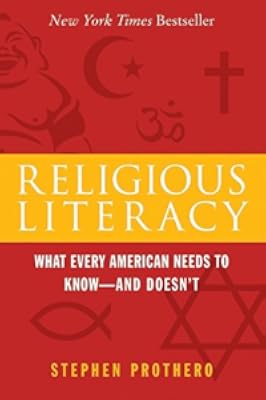
Religious Literacy: What Every American Needs to Know--And Doesn't
by Stephen Prothero
On This Page
Description
The United States is one of the most religious places on earth, but it is also a nation of shocking religious illiteracy."We have a major civic problem on our hands," says religion scholar Stephen Prothero. He makes the provocative case that to remedy this problem, we should return to teaching religion in the public schools. Alongside "reading, writing, and arithmetic," religion ought to become the "Fourth R" of American education.
Many believe that America's descent into religious illiteracy was the doing of activist judges and secularists hell-bent on banishing religion from the public square. Prothero reveals that this is a profound misunderstanding. "In one of the great ironies of American religious history," Prothero writes, "it was the nation's most fervent people of faith who steered us down the road to religious illiteracy. Just how that happened is one of the stories this book has to tell."
Prothero avoids the trap of religious relativism by addressing both the core tenets of the world's major religions and the real differences among them. Complete with a dictionary of the key beliefs, characters, and stories of Christianity, Islam, and other religions, Religious Literacy reveals what every American needs to know in order to confront the domestic and foreign challenges facing this country today.
. show less
Tags
Recommendations

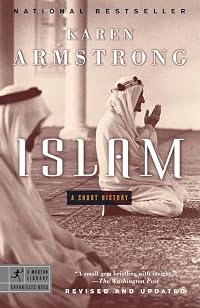
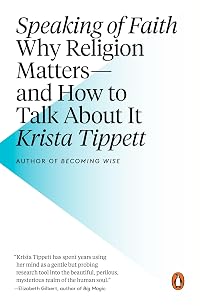
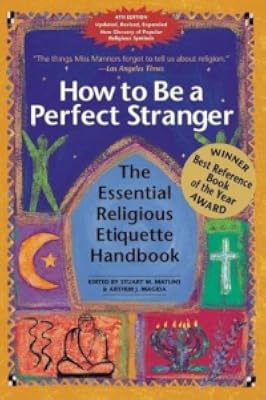
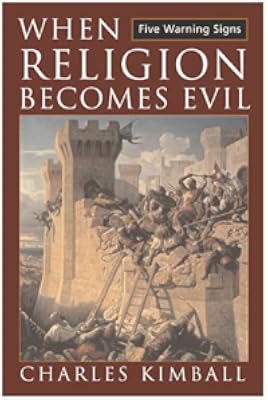




Member Recommendations
Don't Know Much About the Bible: Everything You Need to Know About the Good Book but Never Learned by Kenneth C. Davis
Nickelini If you didn't find the answers you wanted in Prothero's book, try Don't Know Much About the Bible instead.
02
Member Reviews
I re-read this book while searching it for a quote that I vaguely remembered. While skimming, I found myself completely re-reading the book.
Prothero's book is a long complaint about the lack of religious literacy in America today. He opens the book with a quote from an Austrian professor visiting America. The professor observed that "American undergraduates ... are very religious ... but they know next to nothing about religion." He illustrates this be quoting some of the answers his students had provided on quizzes that asked basic facts about religion. The author is particularly upset because of the supposed importance of religion in modern American society has not led to a better understanding of what people say they believe. The show more problem with the book is that it is, too a very large degree just saying the same thing over and over again.
The second half of the book is more interesting as he explains the history of religious education in the US schools and explains that the main reason religion is not taught in schools today is that protestant fundamentalists did not want it to be taught. One of their reasons was that they were anti-Catholic. As a result of their anti-Catholic efforts, protestant denominations had to minimize their own differences when teaching religion in public schools in a way that effectively reduced the amount of theology being taught.
The book concludes with a plea for mandatory courses about religion to be introduced into public schools and colleges. As part of this plea, he includes a definition of 100 terms that every American should be acquainted with in Christianity and other world religions. His discussions of the terms are useful because they include the differences between the denominations and faiths.
There are nevertheless two good reasons to read the book: (1) it shames you into wanting to understand all religions better and (2) it provides some real head-slapping examples of people's total ignorance of the religion they feel strongly about. The book is worth reading for its collection of "bloopers" alone like the statement from students that the epistles were the wives of the apostles and Sodom and Gomorrah were husband and wife. show less
Prothero's book is a long complaint about the lack of religious literacy in America today. He opens the book with a quote from an Austrian professor visiting America. The professor observed that "American undergraduates ... are very religious ... but they know next to nothing about religion." He illustrates this be quoting some of the answers his students had provided on quizzes that asked basic facts about religion. The author is particularly upset because of the supposed importance of religion in modern American society has not led to a better understanding of what people say they believe. The show more problem with the book is that it is, too a very large degree just saying the same thing over and over again.
The second half of the book is more interesting as he explains the history of religious education in the US schools and explains that the main reason religion is not taught in schools today is that protestant fundamentalists did not want it to be taught. One of their reasons was that they were anti-Catholic. As a result of their anti-Catholic efforts, protestant denominations had to minimize their own differences when teaching religion in public schools in a way that effectively reduced the amount of theology being taught.
The book concludes with a plea for mandatory courses about religion to be introduced into public schools and colleges. As part of this plea, he includes a definition of 100 terms that every American should be acquainted with in Christianity and other world religions. His discussions of the terms are useful because they include the differences between the denominations and faiths.
There are nevertheless two good reasons to read the book: (1) it shames you into wanting to understand all religions better and (2) it provides some real head-slapping examples of people's total ignorance of the religion they feel strongly about. The book is worth reading for its collection of "bloopers" alone like the statement from students that the epistles were the wives of the apostles and Sodom and Gomorrah were husband and wife. show less
This book is a must read for everyone. Prothero, a religion professor at Boston University, presents a compelling argument on how the US is one of the most religious countries and at the same time one of the most ignorant nations when it comes to knowing anything about religion. He is a big proponent of mandatory religion education in the US. I was all prepared to disagree with this book. Living in liberal Northern California, I could not believe that the US is at all religious. But the author brought up so many examples of how we do not separate church and state (why do people swear on the Bible when taking an oath? And the least likely minority to get elected to the presidency are atheists!) that he convinced me that knowing and show more understanding religions is not the same as believing. And in our current environment, having a background knowledge of relgion is an essential part of understanding ourselves and other world cultures. He even offers a quiz about major religions with common answers. My favorite question - 'Who was Joan of Arc? - Noah's wife was a common answer...' My only disagreement is that he has a tendency to be Christian centric. Rather than requiring a literary course on the Bible, a general course on all religions should be mandatory. But, the tough question is what course should be thrown out. Personally, my vote is Physics... show less
Like other reviewers, I started reading this expecting information about the importance of religious studies (which was provided) and information about prominent US religions (other than Christianity, not so much). Despite my expectations not being fully met, I did learn about how the US developed its current religious identity and educational system. I do wish the historical narrative had been better contextualized, though -- it demonstrates the same Anglo-American biases that drove me nuts in all my K-12 US history classes
Can you Name the Four Gospels?
"Religious Literacy" is about the paradox that Americans are both deeply religious and profoundly ignorant about religion. Stephen Prothero himself is not religious but is a scholar of religious studies. That is to say, he writes 'about' religion and not 'within' religion.
This book is significant because while a majority of Americans consult their religious beliefs in their everyday decision-making, what informs those decisions is a profound ignorance of the doctrines that founded those beliefs. According to Prothero, ignorance leads to dangerous misunderstandings. During the FBI siege on Waco, Prothero argues that had FBI authorities been more knowledgeable in the apocalypse of the end of days, they would show more have interpreted the Branch Davidions intentions more accurately and perhaps avoided the terrible loss of life.
So who, what, and when did Americans lose their religious literacy? Prothero argues that the Puritans who populated America during the 17th century were very well versed in the catechism of the Christian faith. But the revivals, specifically the Second Great Awakening weakened that knowledge through their emphasis on morality and orthopraxy. The postwar evangelical movements, the second Vatican Council, all contributors to the overall de-emphasis on catechism and reliance on faith alone. This all culminated in the rise of the so-called "culture wars" between the secular humanists and the fundamentalists.
Though I agree with most of Prothero's anti-intellectual argument, along the lines of Richard Hofstadter. I think that he tends to dismiss the reasons behind and the powerful impulse of the many religious populist movements including revivalism and contemporary evangelicalism. The rise of the Christian Coalition, Moral Majority, is precisely the result of a rejection of the elitism, snobbery of traditional institutionalized religion. This is the same reason why revivalists of the Second Great Awakening rebelled against the divinity schools of Harvard and Yale, they focused on the experiential and conversion elements instead of dogma and theology. The "circuit riders" knew little about theology but knew how to sell religion to the public. Megachurches are precisely so popular today for the same reason. Why would the average person want to listen to their Pastors and Priests recite verses from the Bible ad nauseum, they could go back to school if they wanted that. In other words, religion has become popular again precisely due to the reasons why Prothero objects to. Dumbing down religion is what made it popular again. An injection of intelligence is likely only to push people away.
True to his word, Prothero includes an extended glossary, 100 pages worth explaining such terms like Exodus, Sermon on the Temple Mount, Hadith, and Orthodox Judaism. It is a great reference, and is reason alone to buy the book.
Overall, I think Prothero makes some very interesting obvervations about the role of religious education in today's society. From a literary perspective, religious references are used by almost every writer, a basic knowledge would obviously be crucial in understanding such references and parallels. Definitely recommend "Religious Literacy" for anyone wanting to learn more about the world's five major religions. show less
"Religious Literacy" is about the paradox that Americans are both deeply religious and profoundly ignorant about religion. Stephen Prothero himself is not religious but is a scholar of religious studies. That is to say, he writes 'about' religion and not 'within' religion.
This book is significant because while a majority of Americans consult their religious beliefs in their everyday decision-making, what informs those decisions is a profound ignorance of the doctrines that founded those beliefs. According to Prothero, ignorance leads to dangerous misunderstandings. During the FBI siege on Waco, Prothero argues that had FBI authorities been more knowledgeable in the apocalypse of the end of days, they would show more have interpreted the Branch Davidions intentions more accurately and perhaps avoided the terrible loss of life.
So who, what, and when did Americans lose their religious literacy? Prothero argues that the Puritans who populated America during the 17th century were very well versed in the catechism of the Christian faith. But the revivals, specifically the Second Great Awakening weakened that knowledge through their emphasis on morality and orthopraxy. The postwar evangelical movements, the second Vatican Council, all contributors to the overall de-emphasis on catechism and reliance on faith alone. This all culminated in the rise of the so-called "culture wars" between the secular humanists and the fundamentalists.
Though I agree with most of Prothero's anti-intellectual argument, along the lines of Richard Hofstadter. I think that he tends to dismiss the reasons behind and the powerful impulse of the many religious populist movements including revivalism and contemporary evangelicalism. The rise of the Christian Coalition, Moral Majority, is precisely the result of a rejection of the elitism, snobbery of traditional institutionalized religion. This is the same reason why revivalists of the Second Great Awakening rebelled against the divinity schools of Harvard and Yale, they focused on the experiential and conversion elements instead of dogma and theology. The "circuit riders" knew little about theology but knew how to sell religion to the public. Megachurches are precisely so popular today for the same reason. Why would the average person want to listen to their Pastors and Priests recite verses from the Bible ad nauseum, they could go back to school if they wanted that. In other words, religion has become popular again precisely due to the reasons why Prothero objects to. Dumbing down religion is what made it popular again. An injection of intelligence is likely only to push people away.
True to his word, Prothero includes an extended glossary, 100 pages worth explaining such terms like Exodus, Sermon on the Temple Mount, Hadith, and Orthodox Judaism. It is a great reference, and is reason alone to buy the book.
Overall, I think Prothero makes some very interesting obvervations about the role of religious education in today's society. From a literary perspective, religious references are used by almost every writer, a basic knowledge would obviously be crucial in understanding such references and parallels. Definitely recommend "Religious Literacy" for anyone wanting to learn more about the world's five major religions. show less
I had looked forward to reading this book since it was published, but it disappointed. The author stridently bashes us over the head for half of the book making his case that people knew more about religion than they do now. In doing so he bypasses obvious questions which needed to be addressed: teaching children to read in colonial America with catechetical books does not mean that they retained the religious instruction. Does this make them religiously literate? How much did the average American in the late 1700's know about Islam? About Buddhism? Frankly there is just a big disconnect between the author's opening thesis that Americans are woefully ignorant of basic religious facts, and the next 50% of the book which dwells on how we show more used to know so much about Christianity. Also I cannot totally buy into the implied statement that knowledge of religious facts makes you more religious, and that the move in the past 200 years toward a more feeling, charismatic approach to our relationship with God is a bad thing. The saving grace of the book is a concise, alphabetically organized collection of the basic facts of the world's major religions. show less
I gave up on this book about halfway through, which probably means I read most of it, because - as I understand - much of the actual text of the book consists of a glossary of important terms in religion.
While Prothero's book offers a number of interesting factoids and cringe-inducing anecdotes about American ignorance of religion, I am not sure it amounts to as much as he'd like it to. He cites a lot of statistics about American religious belief that strike me as unbelievable - 40% of Americans claim to be born-again Christians - and that don't jive with numbers I've read elsewhere. I actually checked with some friends who work in public opinion research & they thought many of his numbers did not correspond to research they had been show more involved in. This doesn't mean that Prothero's data is wrong, but it made me question the way he presented it, which was often out of context. I would have liked to have more information about the specific polls in question presented in the body of the book, rather than just as footnotes (which are really hard to access on the Kindle version of the book....). Another irritating aspect of his use of polling data and statistics was how often Prothero resorted to using the word "many" - "many" self-described observant Christians cannot name the four cannonical Gospels, "many" of his students could not name a single Hindu text - I have no idea what "many" means in these contexts. Prothero wants to indicate trends, but he doesn't present the data in a transparent way, which makes it much less convincing.
The quick and dirty history of the role of religion in America - which is meant, I believe, to demonstrate that we can't truly understand anything that happened without understanding the religious beliefs of those involved & thereby support the argument that learning about religion is important - amounts to basically nothing more than a series of assertions that a particular stream of religious belief was really really central to this significant social movement or that major turning point in American history. I understand that Prothero is not writing a history of religious belief in America & the intersection of religion and social-political movements, but this entire section seemed really slapdash. No footnotes, no references to secondary literature. Just assertion after assertion after assertion.
Perhaps I am a nitpicky ass, but I am extremely skeptical of a book that claims that Americans lack the most basic knowledge of religions but refers to the Torah as the "Hebrew Bible" and asserts that religion doesn't count for much in Holland or France, two countries that have seen increasing conflict over religion in public life for at least the last 2 years (the book was published in 2007, so I use that as a frame of reference). Prothero is a professor of religion at a good university & I assume he's a respected scholar, so it is irritating to me that things like this slipped through either due to ignorance or sloppy editing.
Ultimately, I didn't want to bother finishing this book. show less
While Prothero's book offers a number of interesting factoids and cringe-inducing anecdotes about American ignorance of religion, I am not sure it amounts to as much as he'd like it to. He cites a lot of statistics about American religious belief that strike me as unbelievable - 40% of Americans claim to be born-again Christians - and that don't jive with numbers I've read elsewhere. I actually checked with some friends who work in public opinion research & they thought many of his numbers did not correspond to research they had been show more involved in. This doesn't mean that Prothero's data is wrong, but it made me question the way he presented it, which was often out of context. I would have liked to have more information about the specific polls in question presented in the body of the book, rather than just as footnotes (which are really hard to access on the Kindle version of the book....). Another irritating aspect of his use of polling data and statistics was how often Prothero resorted to using the word "many" - "many" self-described observant Christians cannot name the four cannonical Gospels, "many" of his students could not name a single Hindu text - I have no idea what "many" means in these contexts. Prothero wants to indicate trends, but he doesn't present the data in a transparent way, which makes it much less convincing.
The quick and dirty history of the role of religion in America - which is meant, I believe, to demonstrate that we can't truly understand anything that happened without understanding the religious beliefs of those involved & thereby support the argument that learning about religion is important - amounts to basically nothing more than a series of assertions that a particular stream of religious belief was really really central to this significant social movement or that major turning point in American history. I understand that Prothero is not writing a history of religious belief in America & the intersection of religion and social-political movements, but this entire section seemed really slapdash. No footnotes, no references to secondary literature. Just assertion after assertion after assertion.
Perhaps I am a nitpicky ass, but I am extremely skeptical of a book that claims that Americans lack the most basic knowledge of religions but refers to the Torah as the "Hebrew Bible" and asserts that religion doesn't count for much in Holland or France, two countries that have seen increasing conflict over religion in public life for at least the last 2 years (the book was published in 2007, so I use that as a frame of reference). Prothero is a professor of religion at a good university & I assume he's a respected scholar, so it is irritating to me that things like this slipped through either due to ignorance or sloppy editing.
Ultimately, I didn't want to bother finishing this book. show less
I'm little disappointed with this book. Even though the title is Religious Literacy, it really just touch Christianity with brief description of other major religions. This book could be better titled Secularization of American Education. It did went into superb discussion about history of importance of Christianity in the United States public life. It also explains very well how American public education became secular (in short too many different sects couldn't agree on right doctrine to teach so religious instructions was removed all together.) I'm very skeptical of the author's proposal to re-introduce religious studies in public school. While it would be great for all educated citizen to know about Christian past of this country, show more In my view the challenge of creating a religious studies class without turn to proselytizing Christianity simply cannot be overcome. Even in the author's book we can already see the the bias toward Christianity, with wide coverage of different Christian sects while other religions received less coverage.
In short, this is not my favorite book, I probably won't read it again; it still contains a lot of fascinating history of religious education in United States. show less
In short, this is not my favorite book, I probably won't read it again; it still contains a lot of fascinating history of religious education in United States. show less
Members
- Recently Added By
Author Information

20+ Works 3,123 Members
Stephen Prothero is the New York Times bestselling author of Religious Literacy and God Is Not One and a professor of religion at Boston University. His work has been featured on the cover of TIME magazine, The Oprah Winfrey Show, The Daily Show with Jon Stewart, The Colbert Report, NPR, and other top national media outlets. He writes and reviews show more for the New York Times, The Wall Street journal, The Boston Globe, The Washington Post, USA Today. Los Angeles Times, Salon, Slate, and other publications. show less
Awards and Honors
Awards
Distinctions
Common Knowledge
- Original publication date
- 2007-05-13
- Dedication
- To my daughters, Molly and Lucy Prothero
- First words
- Both the Religious Right and the Secular Left feel besieged.
Classifications
- Genres
- Religion & Spirituality, Nonfiction, General Nonfiction, History
- DDC/MDS
- 200.71073 — Religion The Bible & Christianity Religion Education, research, related topics Education, Curricula
- LCC
- BL42.5 .U5 .P76 — Philosophy, Psychology and Religion Religions. Mythology. Rationalism Religions. Mythology. Rationalism Religion (General)
- BISAC
Statistics
- Members
- 1,045
- Popularity
- 24,639
- Reviews
- 28
- Rating
- (3.48)
- Languages
- English
- Media
- Paper, Audiobook, Ebook
- ISBNs
- 10
- ASINs
- 8