On This Page
Description
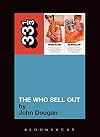
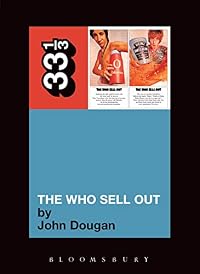
"Released in the U.S. in January 1968, The Who Sell Out was, according to critic Dave Marsh, a complete backfire, the album sold well, but not spectacularly [and was] ultimately a nostalgic in-joke: Who but a pop intellectual could appreciate such a thing? Further rarifying its in-joke status was its unapologetic Englishness; 13 tracks stitched together in a mock pirate radio broadcast, without a DJ, with cool, anglocentric commercials to boot. In the 36 years since its release, Sell Out, show more though still not the best selling release in The Who's catalog, has been embraced by a growing number of fans who regard it as the band's best work, one of the few recordings of the late 1960s that best represents the ambitious aesthetic possibilities of the concept album without becoming mired in a bog of smug, self-aggrandizing, high art aspirations. Sell Out, powerfully and ecstatically, articulates the nexus of pop music and pop culture. As much as it is an expression of the band's expanding sonic palette, Sell Out also functions as a critique of the rock and roll lifestyle. Not the cliche?d mantra of sex, drugs, and rock and roll but in the ways that commercial advertising fabricates a youth-oriented cultural reality by hawking pimple cream, deodorant, food, musical equipment, etc., and linking it with rock and roll. In this sense Sell Out is a reflective work, one that struggles with rock and roll as a cultural expression that aspires to aesthetic permanence while marketed as ephemera. From this conflict emerges a pop art masterpiece."--Bloomsbury Publishing. show lessTags
Recommendations











Member Reviews
Unlike my first experience with the 33 1/3 series ("Ode to Billie Joe"), this installment can only be described as academic - somewhat dryly so. Although Dougan opens with a discussion of his personal relationship to rock music, and latterly the album, much of the book is taken up with the cultural timeline that led to the album's gestation. Some of this is quite direct, such as the creative growth of "The Who"'s Pete Townshend, but much of the content revolves around the BBC's attempt to blockade popular music and clamp down on pirate radio stations. It's an eminently sensible approach for Dougan to deconstruct why "The Who Sell Out" even exists, but it's not overly fascinating reading, and by the time he begins examining individual show more tracks it feels more like an academic exercise than an engaging analysis. Probably not one for a reader who isn't very familiar with "The Who" - but then, if they were, I'd imagine they might have better, weightier books to recommend. show less
Ratings
Members
- Recently Added By
Author Information
6 Works 71 Members
Series

Classifications
- Genres
- Music, Nonfiction, History
- DDC/MDS
- 782.42166092 — Arts & recreation Music Vocal Music, Singing Secular forms of vocal music Songs General principles and musical forms Traditions of secular songs {genres} Rock songs modified standard subdivisions History, geographic treatment, biography Biography
- LCC
- ML421 .W5 .D68 — Music Literature on music Literature on music History and criticism Biography
- BISAC
Statistics
- Members
- 46
- Popularity
- 646,893
- Reviews
- 1
- Rating
- (2.75)
- Languages
- English
- Media
- Paper, Ebook
- ISBNs
- 3
- ASINs
- 1