The Emperor of Portugallia
by Selma Lagerlöf
On This Page
Description
Many critics and fans have drawn parallels between The Emperor of Portugallia and Shakespeare's masterpiece of father-daughter dysfunction, King Lear. In the novel, the teenage daughter of a small-town Swedish farmer strikes out on her own and heads for the big city. Increasingly distraught by her absence and lack of communication, her father begins to weave a fantastical tale explaining her whereabouts. As he slips further into despair, the line between fantasy and reality blurs..
Tags
Recommendations
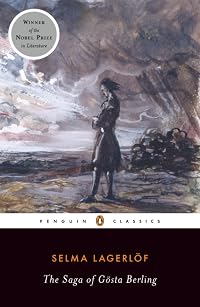


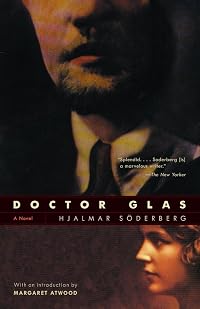


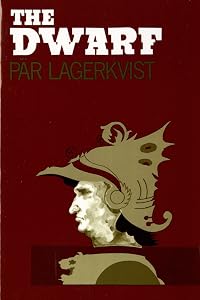

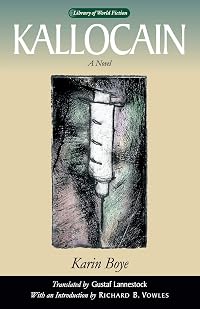













Member Recommendations
Member Reviews
Svezia rurale, fine ottocento. Jan e Kattrinna si sposano, non più giovani, non con l'idea di avere figli. Jan sembra scocciato di diventare padre "chissà se qualcuno pensa che sono contendo di vedermi arrivare questo bambino", pensa. Poi gli mettono in braccio la sua bambina, "all'improvviso sentì una scossa che fece tremare lui e la bambina" e "non riusciva a rendersi conto se fosse stata la piccina a trasmetterla a lui o lui alla piccina". Klara Gulla sconvolgerà la vita di Jan. Il romanzo parla dell'amore sconfinato tra Jan e sua figlia che porterà entrambi a dei sacrifici e ad allontanarsi, e ciascuno dei due reagirà a questo allontanamento in maniera differente, influenzandosi a vicenda. L'orgoglio e la vergogna di Klara show more Gulla sono causa dell'allontanamento dalla realtà di Jan. Questi due aspetti alimentano l'impossibilità di dialogo tra i due.
La cosa che mi ha reso speciale il romanzo è la profondità in cui il tema viene raccontato, con aspetti fiabeschi che si riflettono sia nello stile (tutta la prima parte, in cui viene presentata la bambina sembra quasi una raccolta di parabole) che nel racconto della follia di Jan, che appare a volte non come tale, ma come semplice risultato della forza delle sue emozioni.
Assolutamente oltre le aspettative, se la vogliamo vedere come una fiaba, una fiaba che piace anche ai Grinch come la sottoscritta. show less
La cosa che mi ha reso speciale il romanzo è la profondità in cui il tema viene raccontato, con aspetti fiabeschi che si riflettono sia nello stile (tutta la prima parte, in cui viene presentata la bambina sembra quasi una raccolta di parabole) che nel racconto della follia di Jan, che appare a volte non come tale, ma come semplice risultato della forza delle sue emozioni.
Assolutamente oltre le aspettative, se la vogliamo vedere come una fiaba, una fiaba che piace anche ai Grinch come la sottoscritta. show less
Jag är ganska säker på att jag läste den här i högstadiet, men annars är det mest TV-serien med Ingvar Hirdwall som sitter i minnet.
Men inte nu längre, för herregud vilken liten roman.
Grundhistorien trodde jag ju att jag kunde; fattig man älskar sin dotter över allt annat, hon måste resa till storstan för att tjäna pengar, hamnar på sniskan och pappa blir galen när han får reda på det. Och visst, där har vi grunddragen. Men på 220 sidor hinner ju Selma med så mycket mer; bara det att hon låter så många som älskar Jan - i slutändan till och med berättelsen själv - upprepa att han är inte galen.
"Jan är inte stollig. Men Vår Herre har satt en skärm för ögona på'n, så att han inte ska behöva se det, show more som han inte tål ve å se. Å det kan en bara vara tacksam för."
Även om Selma knappast är en realist av Martinsonsk kaliber använder hon här sitt sagoberättande för att stryka under så mycket; det tuffa livet som backstusittare, det benhårda klassamhället, de hårda vintrarna, livet som får Jan och Kattrinna att gifta sig bara för att slippa vara ensamma, till och med den rena lilla mordhistorien som ger honom en ny patron... och så den enda solstrålen i Jans liv, dottern som ger allt nya färger, som väcker hans hjärta efter ett långt och hårt liv, och vars frånvaro redan innan folk börjar tala klarspråk med honom om hur hon förtjänar pengar i Stockholm gör resten helt omöjligt att bära. Så vad ska han göra?
Och sen det lilla men effektiva persongalleriet runt omkring, de som inte kan låta bli att skratta åt honom, men som också är villiga att spela med för att ... ja, återigen, vem kan förebrå en bruten gammal man att han vill leva i en bättre värld och behandla människor bättre än han själv blivit? Om de i honom ser en bättre värld för sig själva också? "Han gick här och frös precis som vi - ett stort geni", som en annan värmlänning skrev... show less
Men inte nu längre, för herregud vilken liten roman.
Grundhistorien trodde jag ju att jag kunde; fattig man älskar sin dotter över allt annat, hon måste resa till storstan för att tjäna pengar, hamnar på sniskan och pappa blir galen när han får reda på det. Och visst, där har vi grunddragen. Men på 220 sidor hinner ju Selma med så mycket mer; bara det att hon låter så många som älskar Jan - i slutändan till och med berättelsen själv - upprepa att han är inte galen.
"Jan är inte stollig. Men Vår Herre har satt en skärm för ögona på'n, så att han inte ska behöva se det, show more som han inte tål ve å se. Å det kan en bara vara tacksam för."
Även om Selma knappast är en realist av Martinsonsk kaliber använder hon här sitt sagoberättande för att stryka under så mycket; det tuffa livet som backstusittare, det benhårda klassamhället, de hårda vintrarna, livet som får Jan och Kattrinna att gifta sig bara för att slippa vara ensamma, till och med den rena lilla mordhistorien som ger honom en ny patron... och så den enda solstrålen i Jans liv, dottern som ger allt nya färger, som väcker hans hjärta efter ett långt och hårt liv, och vars frånvaro redan innan folk börjar tala klarspråk med honom om hur hon förtjänar pengar i Stockholm gör resten helt omöjligt att bära. Så vad ska han göra?
Och sen det lilla men effektiva persongalleriet runt omkring, de som inte kan låta bli att skratta åt honom, men som också är villiga att spela med för att ... ja, återigen, vem kan förebrå en bruten gammal man att han vill leva i en bättre värld och behandla människor bättre än han själv blivit? Om de i honom ser en bättre värld för sig själva också? "Han gick här och frös precis som vi - ett stort geni", som en annan värmlänning skrev... show less
A straightforward, simply told story of love. At first, this tale—which I read in what appears to be a solid 1916 translation—struck me as a bit too much like a Sunday-school lesson both in the language and in the telling. I am glad I stuck with it because although neither the language nor the telling changed, I found the story very well told and, in the end, quite affecting. Written midway through Lagerlof’s long career, Emperor of Portugallia tells the story of a daughter’s move from her rural farm to the big city, a move intended to help her parents keep their home. She wants to see the world but is held back by her father’s overpowering love. Although she goes, he never recovers from the pain of losing her. When she fails show more to return or even to write, he retreats into a fantasy world, in which he imagines that she has become an extraordinary success. Much of the novel is given over to his delusions. The daughter’s experiences and choices are eventually told and there is a reunion of sorts with her parents. Lagerlof beautifully portrays the rewards as well as the costs and, even more valuably, the obligations and responsibilities, of love. It is a clear-eyed depiction, the more powerful for Lagerlof’s refusal (for the most part) to pass judgment. Although it does not have quite the power of The Saga of Gosta Berling, it is an easy read, well worth the time invested. show less
A folksy tale of a poor peasant’s love for his daughter: set in rural Sweden or Denmark sometime in the mid 19the century. It has charm with elements of the supernatural and an atmosphere that drew this reader in gradually to agree that it was well worth reading. Published in 1914 by Selma Lagerlof a Swedish writer who was the first woman to win the nobel prize for literature back in 1909. She was awarded the prize for her lofty idealism, vivid imagination and spiritual perception that characterised her writings and all these elements are here in The Emperor of Portugallia.
Jan of Ruffluckcroft is a peasant farmer and we are introduced to him as he awaits the birth of his only child. It is a wet miserable day and Jan has been locked show more outside of his hut while the women attend to his wife, he bemoans his fate; working hard for the feudal lord just to make ends meet with no prospects and married to a local woman who he describes as ugly. At last he is let back inside to be presented with his daughter and suddenly his heart starts beating hard inside his chest and he now has something to live for. He names the child Glory Goldie Sunnyside and as she grows up the two become good friends and Jan relies on her increasingly for her intelligence and wit. The old feudal Lord is killed in an accident and the new owner of Jan’s house lands him with a bill he cannot pay. Glory Goldie now 17 years old says she will go to Copenhagen to earn the money. She catches the ferry and that is the last that the doting parents see of their beautiful daughter, she writes one letter and disappears, rumours come back to the village that she has ‘gone wrong’. Jan is devastated and invents for himself an alternative world where Glory Goldie has made her way in the world and she is the Emperess of Portugallia and Jan is the Emperor. This fantasy takes over his life in such a way that he enacts the airs and graces of an emperor in his village and is more or less given leave to do so by the villagers who grieve with him for his loss.
Village life and the characters within it are brilliantly conjured up in this novel. The hierarchy is well established from The Lord of Falla down to the peasant farmers and the vagabonds, but there is much goodwill and kindness in evidence and people generally get along with their life. Festivals, church services and other social events are captured with a sympathetic eye by Lagerlof with an underlying sense of humour and an air of mischief and mystery. Jan becomes an increasingly eccentric character, but one that can still live and work in a village where people can accept that such things can be so, especially as they are still in tune with folk legends and mysteries in a world that exists vaguely outside of the village community.
The homespun folksy philosophy of the first few chapters was a little saccharine for my taste, but as the story developed and the characters came to life I found myself ‘drawn in’. The novel seemed also to become a little darker, especially when Glory Goldie disappears. The feel good factor is laced with a mysterious undertone and when the novel reaches its climax I was totally in sympathy. The novel was translated in to English in 1916 and is easy to read and free on the Gutenberg Project 3.5 stars. show less
Jan of Ruffluckcroft is a peasant farmer and we are introduced to him as he awaits the birth of his only child. It is a wet miserable day and Jan has been locked show more outside of his hut while the women attend to his wife, he bemoans his fate; working hard for the feudal lord just to make ends meet with no prospects and married to a local woman who he describes as ugly. At last he is let back inside to be presented with his daughter and suddenly his heart starts beating hard inside his chest and he now has something to live for. He names the child Glory Goldie Sunnyside and as she grows up the two become good friends and Jan relies on her increasingly for her intelligence and wit. The old feudal Lord is killed in an accident and the new owner of Jan’s house lands him with a bill he cannot pay. Glory Goldie now 17 years old says she will go to Copenhagen to earn the money. She catches the ferry and that is the last that the doting parents see of their beautiful daughter, she writes one letter and disappears, rumours come back to the village that she has ‘gone wrong’. Jan is devastated and invents for himself an alternative world where Glory Goldie has made her way in the world and she is the Emperess of Portugallia and Jan is the Emperor. This fantasy takes over his life in such a way that he enacts the airs and graces of an emperor in his village and is more or less given leave to do so by the villagers who grieve with him for his loss.
Village life and the characters within it are brilliantly conjured up in this novel. The hierarchy is well established from The Lord of Falla down to the peasant farmers and the vagabonds, but there is much goodwill and kindness in evidence and people generally get along with their life. Festivals, church services and other social events are captured with a sympathetic eye by Lagerlof with an underlying sense of humour and an air of mischief and mystery. Jan becomes an increasingly eccentric character, but one that can still live and work in a village where people can accept that such things can be so, especially as they are still in tune with folk legends and mysteries in a world that exists vaguely outside of the village community.
The homespun folksy philosophy of the first few chapters was a little saccharine for my taste, but as the story developed and the characters came to life I found myself ‘drawn in’. The novel seemed also to become a little darker, especially when Glory Goldie disappears. The feel good factor is laced with a mysterious undertone and when the novel reaches its climax I was totally in sympathy. The novel was translated in to English in 1916 and is easy to read and free on the Gutenberg Project 3.5 stars. show less
https://fromtheheartofeurope.eu/the-emperor-of-portugallia-and-jerusalem-by-selm...
It is about a tenant farmer who is devoted to his daughter; but when he falls on hard times, she goes to Stockholm to work. It becomes obvious to everyone in the village that she has become a sex worker in the city; her father at first is in denial, and then suffers a mental breakdown, believing himself to be the Emperor of Portugallia and his absent daughter his princess. There is a somewhat glurgy ending, but the rest is interesting enough. It is exactly the sort of thing that the Swedish Academy would have had in mind in celebrating the pious and honest people of the countryside, oppressed by the landowners but supported by the Church. I did not think show more it was especially deep, but there is nothing very wrong with it. show less
It is about a tenant farmer who is devoted to his daughter; but when he falls on hard times, she goes to Stockholm to work. It becomes obvious to everyone in the village that she has become a sex worker in the city; her father at first is in denial, and then suffers a mental breakdown, believing himself to be the Emperor of Portugallia and his absent daughter his princess. There is a somewhat glurgy ending, but the rest is interesting enough. It is exactly the sort of thing that the Swedish Academy would have had in mind in celebrating the pious and honest people of the countryside, oppressed by the landowners but supported by the Church. I did not think show more it was especially deep, but there is nothing very wrong with it. show less
Romanen utspelas på 1860- eller 1870-talet i Lagerlöfs hembygd i Värmland och handlar om torparen Jan i Skrolycka. Han älskar sin dotter över allt annat men när hon flyttar till Stockholm och aldrig hör av sig, sjunker han in i en drömvärld där hon är förnäm kejsarinna av Portugallien och han tror också att han är kejsare. Hela hans tillvaro domineras av tankarna på hennes återkomst och vad som då ska ske. I rollen som kejsare bosatt i den fattiga skogsbygden kan han ifrågasätta traktens sociala hierarkier: iförd sina kejserliga regalier sätter han sig längst fram i kyrkan, tar plats vid honnörsbordet på bjudningar och han försöker umgås med traktens godsägare.
Members
- Recently Added By
Author Information

530+ Works 7,957 Members
Selma Lagerlöf, winner of the Nobel Prize in 1909, was the first woman to be elected a member of the Swedish Academy. Her first novel, The Story of Gosta Berling (1891), assured her position as Sweden's greatest storyteller. She retold the folk tales of her native province, Varmland, in an original and poetic prose. As a woman writer, Lagerlöf show more gained a reputation as a naive purveyor of native traditions, but she herself compared writing a novel to solving a mathematical problem. Her artistry entails making her stories seem simple, but they are told with great attention to symbolism, psychology, and narrative technique. The Wonderful Adventures of Nils (1906) is a delightful fantasy written to teach children about Swedish geography, but it has found an international audience. Her third novel and masterpiece, Jerusalem (1901--02), the story of farmers from Dalarna who follow their faith to the Holy City, was widely praised for its insights into the lives of peasants searching for a spiritual ideal. During World War II, Lagerlöf helped many German artists and intellectuals escape the Nazis, even donating her gold Nobel Prize medal to a benefit fund to help Finland. She died of a stroke on March 16, 1940. (Bowker Author Biography) show less
Awards and Honors
Series
Belongs to Publisher Series
Work Relationships
Is contained in
Common Knowledge
- Canonical title
- The Emperor of Portugallia
- Original title
- Kejsarn av Portugallien: En Värmlandsberättelse
- Original publication date
- 1914
- First words
- Hur gammal han än blev, så kunde Jan Andersson i Skrolycka aldrig tröttna på att berätta om den dagen, då den lilla flickan hans kom till världen.
Classifications
- Genres
- Fiction and Literature, General Fiction
- DDC/MDS
- 839.73 — Literature & rhetoric German & related literatures Other Germanic literatures Swedish literature Swedish fiction
- LCC
- PT9767 .K4 — Language and Literature German, Dutch and Scandinavian literatures Swedish literature Individual authors or works 19th century Lagerlöf, Selma
- BISAC
Statistics
- Members
- 389
- Popularity
- 80,657
- Reviews
- 13
- Rating
- (4.00)
- Languages
- 13 — Czech, Danish, English, French, German, Hungarian, Italian, Lithuanian, Norwegian (Bokmål), Portuguese, Russian, Slovenian, Swedish
- Media
- Paper, Audiobook, Ebook
- ISBNs
- 83
- ASINs
- 7