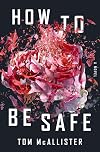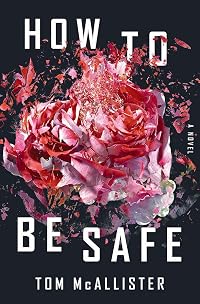
How To Be Safe
by Tom McAllister
On This Page
Description
Recently suspended for a so-called outburst, high school English teacher Anna Crawford is stewing over the injustice at home when she is shocked to see herself named on television as a suspect in a shooting at the school where she works. Though she is quickly exonerated, and the actual teenage murderer identified, her life is nevertheless held up for relentless scrutiny and judgment as this quiet town descends into media mania. This is a piercing feminist howl written in trenchant prose, a show more compulsively readable, darkly funny expose of the hypocrisy that ensues when illusions of peace are shattered. show lessTags
Recommendations
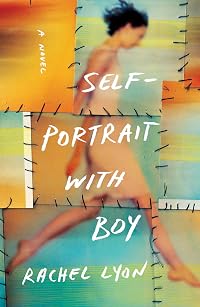
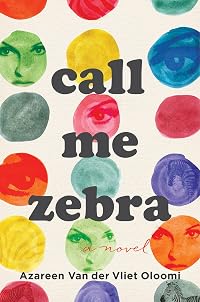
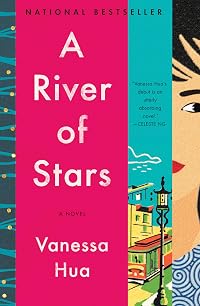
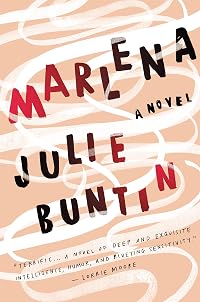



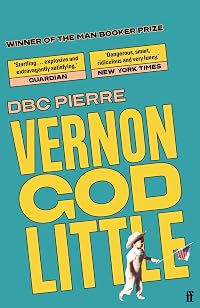

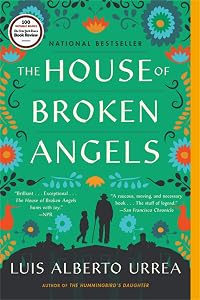
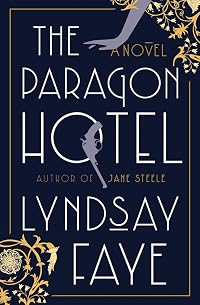
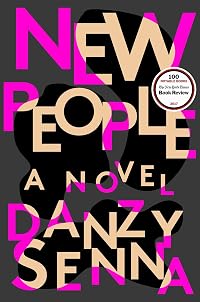
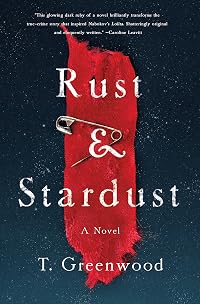

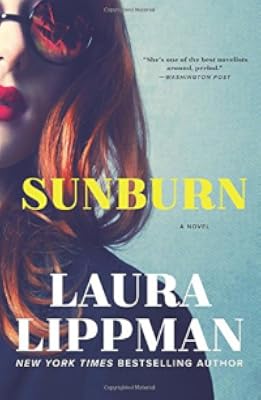
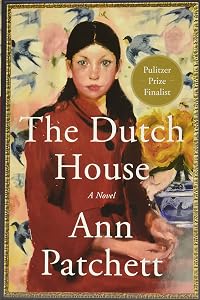
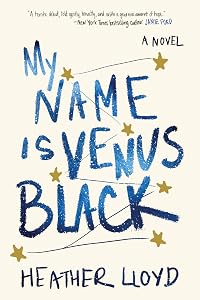
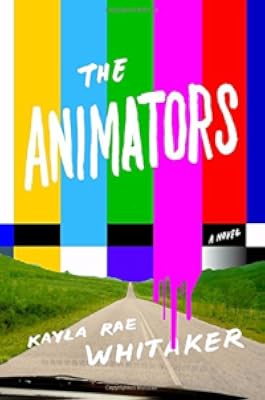
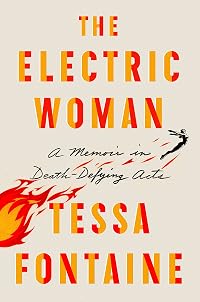
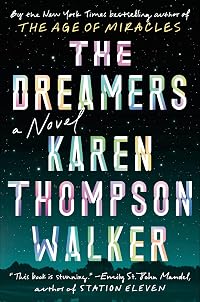
Member Recommendations

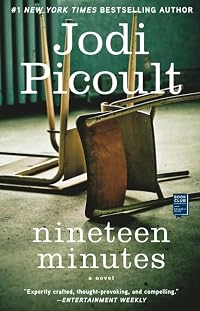
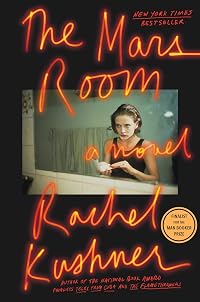
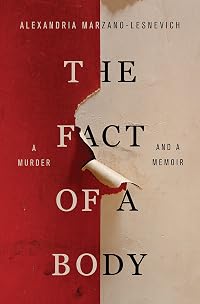
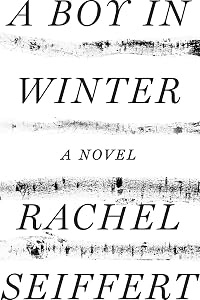
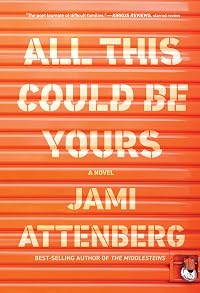
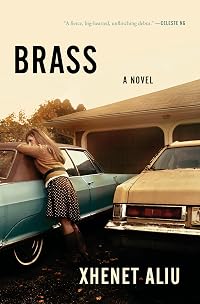
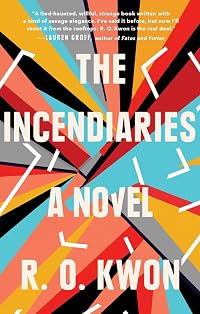
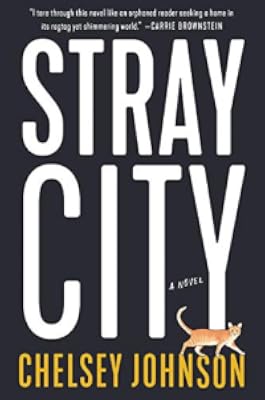
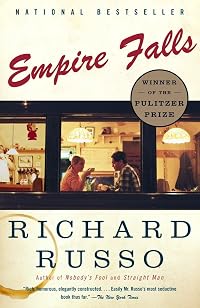
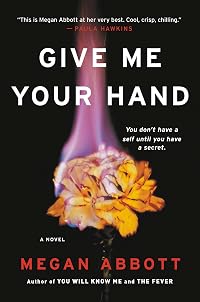
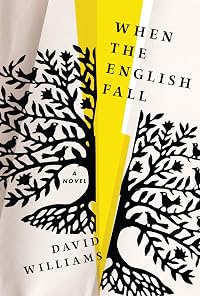
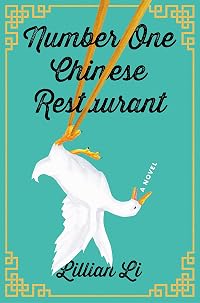
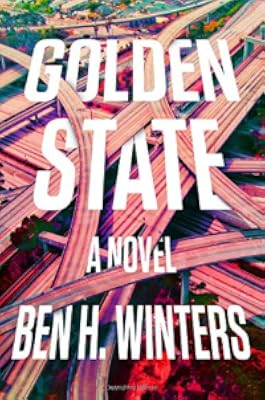
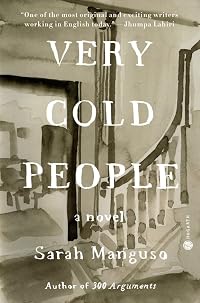
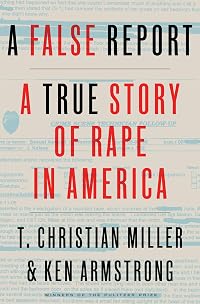
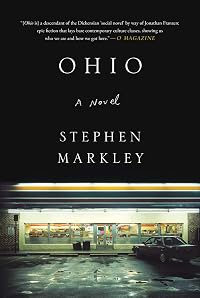
RidgewayGirl Both feature strong, yet prickly women as main characters and an off-beat, off-center way of seeing the world.
Member Reviews
Every once in a while, a novel comes your way that catches you by surprise. Sometimes, the story is so powerful that it leaves you breathless. At other times, the characters are so real that you forget they are fictional. And then there are novels like How to be Safe. It is not necessarily a powerful story. While the topic is most definitely timely and sobering, there is not much to it. There is little plot, little action, and little movement in any direction. In addition, the characters are not that real. Anna is a symbol more than anything with little to no development of her character. Yet, this overly simple, somewhat boring story stopped me in my tracks page after page.
It did so by stint of the writing and the force of sentiments show more professed in what are seemingly simple sentences. For this is not a story in the traditional sense with a beginning that builds to a climax and finishes with the dénouement. It is a snapshot of a modern-day scenario with satiric aftereffects that speak volumes about the state of the nation. It is as much a political statement as it is a social commentary about gun violence and gun proponents. The actions taken by the town after the shooting border on absurd, and yet it is all too easy to understand that what was once absurd has a tendency these days to become an accepted reality. Therein lies the power of the novel.
For a short novel in which nothing much happens, the subject matter is quite robust. In addition to school shootings, How to be Safe also touches on the institution of education, news cycles, and gender bias. All of the topics face the same harsh but fair scrutiny as the main topic of school shootings. All of them provide the same, must-read-again sentences that have you nodding and highlighting and copying for future pondering.
How to be Safe is not going to be a popular novel; there is not enough there for most readers to be able to understand it let alone enjoy it. Indeed, it is not the type of novel designed for entertainment purposes. Instead, it is the type of novel meant to shock the status quo. It makes you sit up and notice the absurd before it becomes a reality. It forces you to question current events and the road down which we seem to be traveling. While this makes it more of a critical darling and less a best seller, it is still the type of novel more people should read than not. It is profound and disruptive and important, something we need now more than ever in this era of The Onion headlines turned real. show less
It did so by stint of the writing and the force of sentiments show more professed in what are seemingly simple sentences. For this is not a story in the traditional sense with a beginning that builds to a climax and finishes with the dénouement. It is a snapshot of a modern-day scenario with satiric aftereffects that speak volumes about the state of the nation. It is as much a political statement as it is a social commentary about gun violence and gun proponents. The actions taken by the town after the shooting border on absurd, and yet it is all too easy to understand that what was once absurd has a tendency these days to become an accepted reality. Therein lies the power of the novel.
For a short novel in which nothing much happens, the subject matter is quite robust. In addition to school shootings, How to be Safe also touches on the institution of education, news cycles, and gender bias. All of the topics face the same harsh but fair scrutiny as the main topic of school shootings. All of them provide the same, must-read-again sentences that have you nodding and highlighting and copying for future pondering.
How to be Safe is not going to be a popular novel; there is not enough there for most readers to be able to understand it let alone enjoy it. Indeed, it is not the type of novel designed for entertainment purposes. Instead, it is the type of novel meant to shock the status quo. It makes you sit up and notice the absurd before it becomes a reality. It forces you to question current events and the road down which we seem to be traveling. While this makes it more of a critical darling and less a best seller, it is still the type of novel more people should read than not. It is profound and disruptive and important, something we need now more than ever in this era of The Onion headlines turned real. show less
How To Be Safe starts with a school shooting, but it's not really about that. Well, it is and it isn't. It's about violence - school violence obvously, political violence and terrorism, domestic violence, violence against women, mob violence, gun violence, and the mental violence of societal insecurity and uncertainty.
McAllister's anti-hero is Anna, a not-quite-stable high school teacher with a lot of family and childhood baggage, who watches her town react to a shooting at a local school. We live inside Anna's head as she tries to make sense of what is going on around her, as she sometimes contributes to the chaos, and contemplates what it takes to be safe in the world.
I loved this novel and inhaled it in two days. It could easily be show more read in one. It's dark and acerbic and visceral, and I found myself shocked a few times to remember it was written by a man. I kept picturing the author angrily pounding away on her laptop, pouring out her rage and fear and frustration. That is was written by a man is startling to me, to be honest. But I think it's important that it was, as a reminder that there are men who may not be able to live the experience of being a woman at a dangerous time, but who can empathize and try to find that voice inside themselves.
I marked lots of passages - McAllister's writing is brutal and raw but also sometimes darkly funny.
After being accosted by a man on the street offering her money to take her photograph and getting angry when she refused: "Women do not own thier bodies. Men take pictures of us when we are not looking. They surreptitiously record videos of our legs on the bus and load them to the internet, where other men can stare at our legs and masturbate. We wore a dress that day because it was hot outside, because it made us feel good about ourselves, because we had a date, because we felt entitled to dress however we liked. They gather in groups on corners and follow us home with their eyes. They leave the residue of their vision on our bodies. They tell us they love women because they love their mother and their sister and their daughter." (p. 84)
On mass shootings: "Before the blood dries and clots, there's another one to report. Somewhere right now there is a boy acquiring a gun. There is a boy writing a manifesto. There is a man, angry at having been forgotten, at having been passed over, at finding out what life really is, loading his gun. There is a man fortifying his home and preparing for war. Listen and you can hear the hammers being cocked." (p. 121)
Referring to an exchange with members of a local apocalyptic sect building a bunker in the woods: "They said they had a master carpenter building out the walls now. I did not envy her job. To be a carpenter for a Christian church is a significant burden, considering the lineage." (p. 208)
5 stars show less
McAllister's anti-hero is Anna, a not-quite-stable high school teacher with a lot of family and childhood baggage, who watches her town react to a shooting at a local school. We live inside Anna's head as she tries to make sense of what is going on around her, as she sometimes contributes to the chaos, and contemplates what it takes to be safe in the world.
I loved this novel and inhaled it in two days. It could easily be show more read in one. It's dark and acerbic and visceral, and I found myself shocked a few times to remember it was written by a man. I kept picturing the author angrily pounding away on her laptop, pouring out her rage and fear and frustration. That is was written by a man is startling to me, to be honest. But I think it's important that it was, as a reminder that there are men who may not be able to live the experience of being a woman at a dangerous time, but who can empathize and try to find that voice inside themselves.
I marked lots of passages - McAllister's writing is brutal and raw but also sometimes darkly funny.
After being accosted by a man on the street offering her money to take her photograph and getting angry when she refused: "Women do not own thier bodies. Men take pictures of us when we are not looking. They surreptitiously record videos of our legs on the bus and load them to the internet, where other men can stare at our legs and masturbate. We wore a dress that day because it was hot outside, because it made us feel good about ourselves, because we had a date, because we felt entitled to dress however we liked. They gather in groups on corners and follow us home with their eyes. They leave the residue of their vision on our bodies. They tell us they love women because they love their mother and their sister and their daughter." (p. 84)
On mass shootings: "Before the blood dries and clots, there's another one to report. Somewhere right now there is a boy acquiring a gun. There is a boy writing a manifesto. There is a man, angry at having been forgotten, at having been passed over, at finding out what life really is, loading his gun. There is a man fortifying his home and preparing for war. Listen and you can hear the hammers being cocked." (p. 121)
Referring to an exchange with members of a local apocalyptic sect building a bunker in the woods: "They said they had a master carpenter building out the walls now. I did not envy her job. To be a carpenter for a Christian church is a significant burden, considering the lineage." (p. 208)
5 stars show less
How To Be Safe by Tom McAllister is told from the point of view of a high school English teacher, a woman who was not at the school the day the shooting happened. With the murderer dead, there's a search for possible accomplices and Anna is briefly investigated by the FBI and hounded by the media.
As time moves on, Anna looks around at how the shooting has changed the town for good, and how easily these school shootings, and all the mass shootings, are quickly moved past, a few more guns are sold, a monument commissioned, a few more cameras installed to keep watch. But Anna is not moving on. She is consumed with how to be safe, when there are so many dangers out there.
On the highway, you can run into more dangers than you've ever show more imagined. Not just distracted drivers but stalkers, sex traffickers, teens throwing rocks through windshields from the overpass. If you pass enough cars, you will have passed at least one murderer; that's just statistics.
This novel is narrated by Anna, who spends a lot of her time thinking about what is dangerous. Now out of a job, she spends her day not interacting with her former friends, or spending time with her brother, although she finds that no matter how badly she wants to stay safe, people keep intruding into her life, and she can't stop herself from going outside and interacting with the other people living in the dangerous world.
"The world is not out to get you."
"I never said it was." Though I thought: What if it is?
"Your paranoia makes you not even human. It just makes you this jagged shard of fear that can't do anything."
I turned off the TV and stood. If he wanted to do things, then we would do things. I put on a jacket and some shoes and told him to follow me. If we got killed, it would be on him.
How To Be Safe is very much a commentary on how we have chosen to live in the US today, and how that affects our communities. But despite the subject matter, this book isn't bleak; Anna is too full of fight for that, and McAllister writes with a detached humor that suits this novel very well. show less
As time moves on, Anna looks around at how the shooting has changed the town for good, and how easily these school shootings, and all the mass shootings, are quickly moved past, a few more guns are sold, a monument commissioned, a few more cameras installed to keep watch. But Anna is not moving on. She is consumed with how to be safe, when there are so many dangers out there.
On the highway, you can run into more dangers than you've ever show more imagined. Not just distracted drivers but stalkers, sex traffickers, teens throwing rocks through windshields from the overpass. If you pass enough cars, you will have passed at least one murderer; that's just statistics.
This novel is narrated by Anna, who spends a lot of her time thinking about what is dangerous. Now out of a job, she spends her day not interacting with her former friends, or spending time with her brother, although she finds that no matter how badly she wants to stay safe, people keep intruding into her life, and she can't stop herself from going outside and interacting with the other people living in the dangerous world.
"The world is not out to get you."
"I never said it was." Though I thought: What if it is?
"Your paranoia makes you not even human. It just makes you this jagged shard of fear that can't do anything."
I turned off the TV and stood. If he wanted to do things, then we would do things. I put on a jacket and some shoes and told him to follow me. If we got killed, it would be on him.
How To Be Safe is very much a commentary on how we have chosen to live in the US today, and how that affects our communities. But despite the subject matter, this book isn't bleak; Anna is too full of fight for that, and McAllister writes with a detached humor that suits this novel very well. show less
I realize this novel likely isn't everyone's cup of tea, but something about it really spoke to me. Centered around a school shooting in a small town, much of the book is narrated by Anna, an English teacher who was fired just days before her students and coworkers were gunned down. In the aftermath, she is first suspected of involvement with the shooting, then cleared but still tormented by the guilt and trauma of seeing people she's known much of her life murdered. Moreover, Anna wants to be safe, in a world that feels increasingly violent and uncertain. There are pieces of Anna's struggle that I guess I could relate to almost too much and other pieces that feel representative of society, all of which make for a thought-provoking show more book. Overall, this is a really interesting book, but be forewarned about the subject matter. show less
How to Be Safe by Tom McAllister is a recommended novel about a woman's response to the aftermath of a school shooting in a small town.
"His brain is just another brain. It’s connected to someone with a bad soul, but you can’t bottle that or study it. The slivers of his brain placed on slides under a microscope will not show the memories, won’t allow them to read the rejection and the emptiness and the abuse and the fear. The slides will not show the ways people can be ruined just by existing in the world."
A high school student planned and executed a mass shooting at the high school he was attending in Seldom Falls, PA., "America’s friendliest city." In the aftermath Anna Crawford, a suspended high school English teacher, is show more named a person of interest in the police investigation by overzealous broadcast media. "To be on the news, you just need to own a suit and be willing to guess about anything. You become someone who opines for a living. Opinions need to happen fast, or they don’t count." Anna's first-person narrative begins after the tragedy occurred, when the media broadcasted accusations about her and she was taken in for questioning while her home was searched by the FBI. Anna is not guilty, the actual lone killer is quickly identified, but she must be guilty of something, right?
Anna spends the novel trying to find a way to be safe, while talking about the sun no longer shining in the town and discussing the victims. She drinks way-too-much. She goes through the stages of grief. She talks about the victims. She watches her town and friends disintegrate into factions. She seems like an unreliable narrator, but she also might just be suffering from depression and some other unidentified malady. The media is always present, looking for a new angle on the story.
McAllister is most effective when he allows Anna to contemplate her childhood and all manner of sexism, misogyny, and hypocrisy that exist today. It surprised me how accurately he captured the voice of a woman, a woman whose mental state is in a downward spiral. Her lists of how to be safe are eye-opening and devastating.
This is a thought provoking novel and, at times, darkly humorous. There are sections where the narrative veers off the mark, trying to embrace a political statement that it needn't belabor and it muddies Anna's mental turmoil and pondering of modern life, but there are other parts that are spot-on and presented with a razor sharpness. In many ways, Anna's mental state, which was happening before the shooting occurred, didn't need the addition of that tragic event to give her musings more power. It kind of felt like that was added to introduce some kind of opportune political weight to the novel, as Anna could have pondered any school shooting and not felt safe without her being considered a suspect. Her suspension from teaching would have been enough to set most tongues wagging about her guilt for something in a small town.
This is not We Need To Talk About Kevin. When reading it I kept thinking that the buzz over this is just because it has a school shooting in it, not because it is a perfect champion of gun control. When it gets political, it loses its power - and it almost lost me several times. I kept reading for other sentences that captured life today for women so much more precisely and with a brutal honesty.
Disclosure: My review copy was courtesy of Liveright Publishing Group.
http://www.shetreadssoftly.com/2018/03/how-to-be-safe.html show less
"His brain is just another brain. It’s connected to someone with a bad soul, but you can’t bottle that or study it. The slivers of his brain placed on slides under a microscope will not show the memories, won’t allow them to read the rejection and the emptiness and the abuse and the fear. The slides will not show the ways people can be ruined just by existing in the world."
A high school student planned and executed a mass shooting at the high school he was attending in Seldom Falls, PA., "America’s friendliest city." In the aftermath Anna Crawford, a suspended high school English teacher, is show more named a person of interest in the police investigation by overzealous broadcast media. "To be on the news, you just need to own a suit and be willing to guess about anything. You become someone who opines for a living. Opinions need to happen fast, or they don’t count." Anna's first-person narrative begins after the tragedy occurred, when the media broadcasted accusations about her and she was taken in for questioning while her home was searched by the FBI. Anna is not guilty, the actual lone killer is quickly identified, but she must be guilty of something, right?
Anna spends the novel trying to find a way to be safe, while talking about the sun no longer shining in the town and discussing the victims. She drinks way-too-much. She goes through the stages of grief. She talks about the victims. She watches her town and friends disintegrate into factions. She seems like an unreliable narrator, but she also might just be suffering from depression and some other unidentified malady. The media is always present, looking for a new angle on the story.
McAllister is most effective when he allows Anna to contemplate her childhood and all manner of sexism, misogyny, and hypocrisy that exist today. It surprised me how accurately he captured the voice of a woman, a woman whose mental state is in a downward spiral. Her lists of how to be safe are eye-opening and devastating.
This is a thought provoking novel and, at times, darkly humorous. There are sections where the narrative veers off the mark, trying to embrace a political statement that it needn't belabor and it muddies Anna's mental turmoil and pondering of modern life, but there are other parts that are spot-on and presented with a razor sharpness. In many ways, Anna's mental state, which was happening before the shooting occurred, didn't need the addition of that tragic event to give her musings more power. It kind of felt like that was added to introduce some kind of opportune political weight to the novel, as Anna could have pondered any school shooting and not felt safe without her being considered a suspect. Her suspension from teaching would have been enough to set most tongues wagging about her guilt for something in a small town.
This is not We Need To Talk About Kevin. When reading it I kept thinking that the buzz over this is just because it has a school shooting in it, not because it is a perfect champion of gun control. When it gets political, it loses its power - and it almost lost me several times. I kept reading for other sentences that captured life today for women so much more precisely and with a brutal honesty.
Disclosure: My review copy was courtesy of Liveright Publishing Group.
http://www.shetreadssoftly.com/2018/03/how-to-be-safe.html show less
This satire is a primal scream over the US failure to enact even the most basic national gun control laws. The slow-motion scream comes from the mouth of a cynical, funny, abrasive, loopy, and massively depressed woman named Anna Crawford. She reminded me of the title character in Stephen Florida. My copy of the book is bristling with sticky notes marking so many moments of deadpan humor. Sample: the name of her small Pennsylvania town is “Seldom Falls” – part Norman Rockwell, part vaudeville punchline.
Brutally comic story of the aftermath of a school shooting that flays the absurd present condition we tolerate. A cathartic read today, hopefully one we'll read years from now to get idea of what Americans once considered "normal."
Members
- Recently Added By
Lists

Top Five Books of 2018
802 works; 265 members

Kirkus Starred Fiction Reviews of Books Published in 2018
330 works; 3 members
Author Information

6+ Works 261 Members
Awards and Honors
Distinctions
Common Knowledge
- Canonical title
- How To Be Safe
- Original title
- How To Be Safe
- Original publication date
- 2018-04-03
- People/Characters
- Anna Crawford
- Quotations
- "The world is not out to get you."
"I never said it was." Though I thought: What if it is?
"Your paranoia makes you not even human. It just makes you this jagged shard of fear that can't do anything."
I t... (show all)urned off the TV and stood. If he wanted to do things, then we would do things. I put on a jacket and some shoes and told him to follow me. If we got killed, it would be on him. - Original language
- English US
- Canonical DDC/MDS
- 813.6
- Canonical LCC
- PS3613.C2653
Classifications
Statistics
- Members
- 139
- Popularity
- 235,463
- Reviews
- 14
- Rating
- (3.67)
- Languages
- English, French
- Media
- Paper, Audiobook, Ebook
- ISBNs
- 9
- ASINs
- 2