On This Page
Description
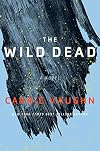
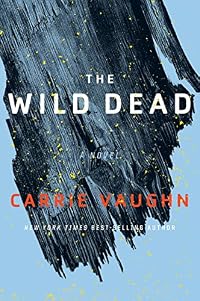
A Mariner Original Mysteries and murder abound in the sequel to Carrie Vaughn's post-apocalyptic mystery Bannerless. A century after environmental and economic collapse, the people of the Coast Road have rebuilt their own sort of civilization, striving not to make the mistakes their ancestors did. They strictly ration and manage resources, including the ability to have children. Enid of Haven is an investigator, who with her new partner Teeg is called on to mediate a dispute between show more households over an old building in a far-flung settlement at the edge of Coast Road territory. The investigators' decision seems straightforward--and then the body of a young woman turns up in the nearby marshland. Almost more shocking than that: she's not from the Coast Road, but from one of the outsider camps, belonging to the nomads and wild folk who live outside the Coast Road communities. Now one of them is dead, and Enid wants to find out who killed her, even as Teeg argues that the murder isn't their problem. In a dystopian future of isolated communities, can our moral sense survive the worst hard times? show lessTags
Recommendations













Member Reviews
Holy cow, it's a sequel to Bannerless, be still my heart.
We rejoin Enid on a new adventure, a year or 2 further on. She continues to be a compelling character, now apparently doomed to be the investigator that specializes in murder. I think this is becoming a post apocalyptic mystery series, and that makes my heart sing. This installment features Enid once again encountering the people in the Wild and once again thinking compassionately in her investigation even as she remains strict in judgment -- that in itself is part of the important lessons of these books. While there is kindness to the community, judgment on individual selfishness that does not take the bigger picture into account is not something this world is forgiving about.
I show more hope there are many more to come after this.
Advanced reader's copy provided by Edelweiss. show less
We rejoin Enid on a new adventure, a year or 2 further on. She continues to be a compelling character, now apparently doomed to be the investigator that specializes in murder. I think this is becoming a post apocalyptic mystery series, and that makes my heart sing. This installment features Enid once again encountering the people in the Wild and once again thinking compassionately in her investigation even as she remains strict in judgment -- that in itself is part of the important lessons of these books. While there is kindness to the community, judgment on individual selfishness that does not take the bigger picture into account is not something this world is forgiving about.
I show more hope there are many more to come after this.
Advanced reader's copy provided by Edelweiss. show less
No spoilers!
But this is a better kind of mystery novel.
One that's simultaneously post-apocalyptic SF and a hopeful social experiment and a thoughtful quest to *understand* in the middle of an ongoing pastoral murder investigation.
Wait! Isn't this what happened in the previous novel? Well, sure, somewhat, but no two murders or struggling communities are the same. The world-building here is pretty cool. So much has been lost, but solar cars and sophisticated birth control is a sign of the kind of social setup that's left to these frontier settlers. To have a banner is to be allowed to procreate. To have enough to live on is more so much more important than to hoard or amass anything at all.
And below that is the fear. The fear that they show more might herald in another Fall.
But it's not all dark. This is some of the most hopeful post-apocalypse novels I've read and the good mashup with deep murder investigations reminds me more of The Name of the Rose than anything else.
This particular novel introduces us to the people on the outside of these hopeful Banner communities, and I was particularly fascinated by the interplay and the lies and the reveals on both sides.
I think I may have enjoyed this one better than the first, too! :) Well worth checking out! show less
But this is a better kind of mystery novel.
One that's simultaneously post-apocalyptic SF and a hopeful social experiment and a thoughtful quest to *understand* in the middle of an ongoing pastoral murder investigation.
Wait! Isn't this what happened in the previous novel? Well, sure, somewhat, but no two murders or struggling communities are the same. The world-building here is pretty cool. So much has been lost, but solar cars and sophisticated birth control is a sign of the kind of social setup that's left to these frontier settlers. To have a banner is to be allowed to procreate. To have enough to live on is more so much more important than to hoard or amass anything at all.
And below that is the fear. The fear that they show more might herald in another Fall.
But it's not all dark. This is some of the most hopeful post-apocalypse novels I've read and the good mashup with deep murder investigations reminds me more of The Name of the Rose than anything else.
This particular novel introduces us to the people on the outside of these hopeful Banner communities, and I was particularly fascinated by the interplay and the lies and the reveals on both sides.
I think I may have enjoyed this one better than the first, too! :) Well worth checking out! show less
The murder-mystery aspect isn't really the interesting part - if you haven't worked out the murderer and back-story in the first 20 pages you're not paying attention. The best part of this book, and indeed the previous one Bannerless, is the world-building. It's about 100 years after the climax of the present climate-catastrophe and small groups of people on the (new, because of sea-level rises) California coast are trying to live lightly on the land. There's very little technology, there are quotas for every form of production, including human reproduction, and parts of the land are littered with the remnants of decaying pre-catastrophe dwellings which are scavenged for useful metal. The setting sounds gloomy, but to my mind the show more stories of the communities striving not to make the mistakes of previous generations are supremely hopeful. show less
Investigator Enid of Haven and her new partner Teeg are called to mediate a dispute about property in one of the more isolated communities on the Coast Road. Enid thinks it will be a good beginning investigation for her green partner and not to time consuming which will fit in with Enid's wishes to be home when her housemate has the baby that her family has been so eager for. But the investigation quickly takes a more serious turn when the body of a young woman is found in the marshes that the community combs for salvage.
The problem is that no one admits to knowing who she is. She is apparently from a wild settlement somewhere off the road. Enid begins an investigation to find out who murdered her while her partner Teeg isn't sure that show more it is any of their business. They are charged with taking care of those who live along the Coast Road.
Enid begins by questioning all of the households to see what she can learn and uncovers tensions still present from an investigation 20 years earlier when one woman cut out her birth control implant which is very much against the law. This led to splitting up the household and continuing suspicion of the woman and her new household.
This is an interesting world. It is post-apocalyptic. Most technology is gone. People are living with quotas and rules to preserve the environment. The original investigation is about whether or not to use resources to preserve a pre-Fall house that has been in a man's family for generations. The house is on the verge of falling down a cliff as a result of mudslides and erosion. The owner feels he is letting down his father if he doesn't preserve it but the community feels that it is long past saving.
A key point in this world has to do with babies. In order to receive a banner which is permission to have a child, the household has to show that they can feed and support a child. Gaining a banner is a matter of pride and accomplishment. One of the woman who cut out her implant's punishment was that she and the household she joined could never get a banner.
I enjoyed seeing Enid investigating the death of the young woman. She was tenacious. She also had a need to find out the truth. Her attitude was in stark contrast to that of Teeg's who would have been happy to take the easy solution on move on.
An interesting main character and an interesting world were the strong points of this post-apocalyptic mystery. show less
The problem is that no one admits to knowing who she is. She is apparently from a wild settlement somewhere off the road. Enid begins an investigation to find out who murdered her while her partner Teeg isn't sure that show more it is any of their business. They are charged with taking care of those who live along the Coast Road.
Enid begins by questioning all of the households to see what she can learn and uncovers tensions still present from an investigation 20 years earlier when one woman cut out her birth control implant which is very much against the law. This led to splitting up the household and continuing suspicion of the woman and her new household.
This is an interesting world. It is post-apocalyptic. Most technology is gone. People are living with quotas and rules to preserve the environment. The original investigation is about whether or not to use resources to preserve a pre-Fall house that has been in a man's family for generations. The house is on the verge of falling down a cliff as a result of mudslides and erosion. The owner feels he is letting down his father if he doesn't preserve it but the community feels that it is long past saving.
A key point in this world has to do with babies. In order to receive a banner which is permission to have a child, the household has to show that they can feed and support a child. Gaining a banner is a matter of pride and accomplishment. One of the woman who cut out her implant's punishment was that she and the household she joined could never get a banner.
I enjoyed seeing Enid investigating the death of the young woman. She was tenacious. She also had a need to find out the truth. Her attitude was in stark contrast to that of Teeg's who would have been happy to take the easy solution on move on.
An interesting main character and an interesting world were the strong points of this post-apocalyptic mystery. show less
A Future When Old-Fashioned Detective Work Returns
If you miss murder investigations where the solution comes from old-fashion questioning and playing hunches rather than hi-tech, The Wild Dead is for you. Enid, the heroine of the series, catches her killers with legwork – literally. That’s because author Vaughn has set these mysteries in a future dystopia, where high-tech forensics is gone and investigators walk to the scene of the crime…or catch the occasional solar car. More on this unusual mix of high and no-tech later.
Character development is a strength of the book. Enid, for example, wasn’t a protagonist I immediately liked. Initially, she is indecisive, torn between what she feels to be right and a host of issues – show more questions of jurisdiction, complaints from her partner, desire to be home. But she persists, eventually succeeding through a combination of grit and intelligence. The secondary characters are similarly brought to life under Vaughn’s pen. Kudos to the author. World-building is also a strength. You can almost see, feel, and even smell the mud and debris of our decaying world, while lives built around agriculture, scavenging, hunting, and trading feel real.
Plot and pace, however, are weaker features of the work. With few investigative tools other than questioning, clues come slowly. But unfortunately, the book makes the reader work for them too, with a style that is plodding at times. This problem is magnified by the repetition of thoughts, themes, and dialog. For example, Enid constantly evaluates each person’s home, because part of her job is detecting the waste of resources. But as this duty has little to do with the murder and so, doesn’t advance the plot, these sections end up feeling like filler. Vaughn also made some ‘convenient’ decisions about which parts of technology to bring forward to her dystopia and which to leave in the past. Medicine, for example, was saved by a decision of the survivors of ‘the Fall’, but forensics was not, despite the significant overlap between these fields. Solar energy was another technology kept, explaining the solar cars and house lighting. But the infrastructure to maintain medicine and solar power is no where to be seen. It ends up being a strange and somewhat inexplicable mix of our high-tech past and an austere future.
Overall, Vaughn’s vibrant characters and her vivid accounts of a future, decaying world are winners, weakened only slightly by pace and decisions about technology that are convenient for the plot, but not easily explained. show less
If you miss murder investigations where the solution comes from old-fashion questioning and playing hunches rather than hi-tech, The Wild Dead is for you. Enid, the heroine of the series, catches her killers with legwork – literally. That’s because author Vaughn has set these mysteries in a future dystopia, where high-tech forensics is gone and investigators walk to the scene of the crime…or catch the occasional solar car. More on this unusual mix of high and no-tech later.
Character development is a strength of the book. Enid, for example, wasn’t a protagonist I immediately liked. Initially, she is indecisive, torn between what she feels to be right and a host of issues – show more questions of jurisdiction, complaints from her partner, desire to be home. But she persists, eventually succeeding through a combination of grit and intelligence. The secondary characters are similarly brought to life under Vaughn’s pen. Kudos to the author. World-building is also a strength. You can almost see, feel, and even smell the mud and debris of our decaying world, while lives built around agriculture, scavenging, hunting, and trading feel real.
Plot and pace, however, are weaker features of the work. With few investigative tools other than questioning, clues come slowly. But unfortunately, the book makes the reader work for them too, with a style that is plodding at times. This problem is magnified by the repetition of thoughts, themes, and dialog. For example, Enid constantly evaluates each person’s home, because part of her job is detecting the waste of resources. But as this duty has little to do with the murder and so, doesn’t advance the plot, these sections end up feeling like filler. Vaughn also made some ‘convenient’ decisions about which parts of technology to bring forward to her dystopia and which to leave in the past. Medicine, for example, was saved by a decision of the survivors of ‘the Fall’, but forensics was not, despite the significant overlap between these fields. Solar energy was another technology kept, explaining the solar cars and house lighting. But the infrastructure to maintain medicine and solar power is no where to be seen. It ends up being a strange and somewhat inexplicable mix of our high-tech past and an austere future.
Overall, Vaughn’s vibrant characters and her vivid accounts of a future, decaying world are winners, weakened only slightly by pace and decisions about technology that are convenient for the plot, but not easily explained. show less
A century after the Fall that ended our civilization, the Coast Road communities have formed a new way of life, focused on not overusing the available resources. Everything has quotas which must not be exceeded, including childbearing. Households must earn the right to have a child--signified by a banner--by proving that they have the resources, and the responsibility, to care for one.
Investigators Enid and Teeg are at the furtherest-most community on the Coast Road to adjuticate a dispute about repairing an old house. It is intended as an easy first case for Teeg, who has just finished his apprenticeship as an investigator. But while they are there, the body of a young woman is found washed up on the shore. A resident of the wild lands show more beyond the Coast Road, she is clearly a victim of murder. So Enid and Teeg stay to uncover the truth about her death, although Teeg points out that the case may be beyond their jurisdiction. He is eager to wrap up the investigation and ready to jump to conclusions. Enid, on the other hand, is determined to follow the case to the end, even if it means venturing into the wild lands.
An engaging murder mystery in a convincingly detailed post-apoctalyptic setting peopled by well-drawn characters. This is a direct sequel to Bannerless, but would probably stand alone just fine. Recommended. show less
Investigators Enid and Teeg are at the furtherest-most community on the Coast Road to adjuticate a dispute about repairing an old house. It is intended as an easy first case for Teeg, who has just finished his apprenticeship as an investigator. But while they are there, the body of a young woman is found washed up on the shore. A resident of the wild lands show more beyond the Coast Road, she is clearly a victim of murder. So Enid and Teeg stay to uncover the truth about her death, although Teeg points out that the case may be beyond their jurisdiction. He is eager to wrap up the investigation and ready to jump to conclusions. Enid, on the other hand, is determined to follow the case to the end, even if it means venturing into the wild lands.
An engaging murder mystery in a convincingly detailed post-apoctalyptic setting peopled by well-drawn characters. This is a direct sequel to Bannerless, but would probably stand alone just fine. Recommended. show less
I'll be honest: this is not my favorite genre. I rarely read dystopian novels, but the premise was intriguing enough that I took a chance.
The book is the sequel to Bannerless, which I have not read, but you don't have to have read the first book to enjoy The Wild Dead. I caught on to the premise of this near-future society fairly easily. After a man-made catastrophe, the world has few natural resources. Survivors have created a system to sustain life without unduly burdening the remaining resources. People live in small households; there are quotas on food, material goods, etc. They must "earn" the right to have a child (signified by a banner) by proving that they can sustain and provide for themselves. All women have a birth control show more implant. It is only removed when their household earns a banner. To remove the implant is illegal.
There are people who live outside of these communities, but they are the "wild" folk. Both the Coast Road population and the wild scavenging, barely-thriving populations are suspicious of one another and have little contact. (Funny how those two things seem to go together, isn't it?)
What didn't work for me:
1. The slow pace.
Granted, this isn't a thriller. But it did move more slowly than I would have expected.
2. A fairly predictable plot twist.
I won't spoil the twist. But I'm certain that almost anyone who's read a lot of novels would see this coming. The characters might not, but I saw it coming from the very first mention of an important detail. That was page 15.
3. Certain idiosyncracies:
A minor quibble: Many of the characters say "Yeah?" as a throwaway word in their dialogue. As in, "You come tell us. Yeah?" It's not actually a question. It's rather like people punctuating their words with "you know?" It becomes annoying and undercuts the impact of the lines.
This is another minor quibble, but it's one I've encountered in several books recently: There is more than one major character with a name starting with the same letter:
Enid, Ella, Erik, El Juez. Juni, Jess. Teeg, Tom, Telman, Tomas (Enid's late mentor, whom she recalls at several points in the narrative). There's even an Anna and an Avery, though neither are major characters.
The names are almost all the same length, too. I don't know how many other readers have this problem, but it can be too easy to misread names when they are similar lengths and start with the same letter. I realize that it's hard to name a large cast of characters, but this is a little much.
What's interesting is that, of all the characters, the ones in Enid's household (Sam, Olive, Bertol) are the most vivid in my mind, even though they show up for less than two chapters' worth of story. I suspect that the lack of E, J, or T names in the household helps!
What did work for me:
Okay, now for the positive things. And there are plenty of them.
1. Enid.
Let's start with her. She won my heart from the first sentence of the entire book:
Immediately, I was drawn to her. She looks beneath the surface to find beauty where others might see only filth. She dives deeply to find others' motivations. She's willing to look at things that are hard to look at and see them with other people's eyes. I like that characteristic.
It's also refreshing to see a woman in the lead investigator role. She takes charge of situations and others (including older men!) obey her without hesitating or questioning her leadership. It's refreshing that she is both strong and forceful and gentle and compassionate. Her kindness toward the mentally unstable Kellan is beautiful.
2. Vaughn makes the dystopian future setting easy to understand.
As I said earlier, this isn't my favorite genre; I often struggle with understanding the whys/hows of dystopian societies. I'm not a huge fan of elaborate world-building. But this was a setting that I understood. Part of the reason I didn't struggle was because Vaughn does such a good job with showing real human relationships. Which leads me to point 3 . . .
3. The psychological and emotional truth in the relationships.
The conflict between Enid and her younger partner Teeg.
It's a tale as old as the police procedural subgenre, but it's true: the conflict between the young and the old(er) investigators about their roles, about how to investigate, about what they are searching for. The young mentee think she/he knows everything. The older mentor knows better but struggles to guide the headstrong younger person. (It's also nice to see a female mentoring a male.)
Enid still misses her mentor, the experienced investigator Tomas, and grows frustrated with the young Teeg, who is brash, arrogant, and prone to jumping to conclusions. Their conflict about how to handle a murder "confession" (that possibly isn't a confession) and how to handle the murder investigation rises from their characters. It also plays a huge role in their personal growth as investigators and people.
The insider/outsider dichotomy.
It's human nature to point fingers, place blame, and try to divide people into "us" versus "them."
Not only is there a divide between the Coast Road people and the wild folk, there's a divide between those in the Estuary (where the murder takes place) and the rest of the more prosperous Coast Road towns. There's also a divide between the people of "Last House" (the isolated household that has more contact with the wild folk than anyone else) and the rest of the Estuary. And, of course, there's the sense of being on the outside that Enid and Teeg experience as uniformed investigators. There's plenty of finger-pointing and suspicions between all of these groups.
But then there are moments when Enid realizes that the people aren't all that different. She questions one nomad, a young man who admits to having known the dead girl:
Both the insider/outsider dichotomy and the realization (small as it is) are well handled.
4. The strong ending.
It's strong. I won't spoil it. But it gave emotional closure both to Enid's personal longings and her murder investigation. It also left the door open to sequels.
Overall, this was an enjoyable book. 3 stars. show less
The book is the sequel to Bannerless, which I have not read, but you don't have to have read the first book to enjoy The Wild Dead. I caught on to the premise of this near-future society fairly easily. After a man-made catastrophe, the world has few natural resources. Survivors have created a system to sustain life without unduly burdening the remaining resources. People live in small households; there are quotas on food, material goods, etc. They must "earn" the right to have a child (signified by a banner) by proving that they can sustain and provide for themselves. All women have a birth control show more implant. It is only removed when their household earns a banner. To remove the implant is illegal.
There are people who live outside of these communities, but they are the "wild" folk. Both the Coast Road population and the wild scavenging, barely-thriving populations are suspicious of one another and have little contact. (Funny how those two things seem to go together, isn't it?)
What didn't work for me:
1. The slow pace.
Granted, this isn't a thriller. But it did move more slowly than I would have expected.
2. A fairly predictable plot twist.
I won't spoil the twist. But I'm certain that almost anyone who's read a lot of novels would see this coming. The characters might not, but I saw it coming from the very first mention of an important detail. That was page 15.
3. Certain idiosyncracies:
A minor quibble: Many of the characters say "Yeah?" as a throwaway word in their dialogue. As in, "You come tell us. Yeah?" It's not actually a question. It's rather like people punctuating their words with "you know?" It becomes annoying and undercuts the impact of the lines.
This is another minor quibble, but it's one I've encountered in several books recently: There is more than one major character with a name starting with the same letter:
Enid, Ella, Erik, El Juez. Juni, Jess. Teeg, Tom, Telman, Tomas (Enid's late mentor, whom she recalls at several points in the narrative). There's even an Anna and an Avery, though neither are major characters.
The names are almost all the same length, too. I don't know how many other readers have this problem, but it can be too easy to misread names when they are similar lengths and start with the same letter. I realize that it's hard to name a large cast of characters, but this is a little much.
What's interesting is that, of all the characters, the ones in Enid's household (Sam, Olive, Bertol) are the most vivid in my mind, even though they show up for less than two chapters' worth of story. I suspect that the lack of E, J, or T names in the household helps!
What did work for me:
Okay, now for the positive things. And there are plenty of them.
1. Enid.
Let's start with her. She won my heart from the first sentence of the entire book:
"Most regions Enid visited, she could find something to love about them, some enticing and beautiful detail about the landscape, the people, the mood of the place. A reason folk would want to stay and scrape out a living in less-than-ideal situations . . ." pg.1
Immediately, I was drawn to her. She looks beneath the surface to find beauty where others might see only filth. She dives deeply to find others' motivations. She's willing to look at things that are hard to look at and see them with other people's eyes. I like that characteristic.
It's also refreshing to see a woman in the lead investigator role. She takes charge of situations and others (including older men!) obey her without hesitating or questioning her leadership. It's refreshing that she is both strong and forceful and gentle and compassionate. Her kindness toward the mentally unstable Kellan is beautiful.
2. Vaughn makes the dystopian future setting easy to understand.
As I said earlier, this isn't my favorite genre; I often struggle with understanding the whys/hows of dystopian societies. I'm not a huge fan of elaborate world-building. But this was a setting that I understood. Part of the reason I didn't struggle was because Vaughn does such a good job with showing real human relationships. Which leads me to point 3 . . .
3. The psychological and emotional truth in the relationships.
The conflict between Enid and her younger partner Teeg.
It's a tale as old as the police procedural subgenre, but it's true: the conflict between the young and the old(er) investigators about their roles, about how to investigate, about what they are searching for. The young mentee think she/he knows everything. The older mentor knows better but struggles to guide the headstrong younger person. (It's also nice to see a female mentoring a male.)
Enid still misses her mentor, the experienced investigator Tomas, and grows frustrated with the young Teeg, who is brash, arrogant, and prone to jumping to conclusions. Their conflict about how to handle a murder "confession" (that possibly isn't a confession) and how to handle the murder investigation rises from their characters. It also plays a huge role in their personal growth as investigators and people.
The insider/outsider dichotomy.
It's human nature to point fingers, place blame, and try to divide people into "us" versus "them."
Not only is there a divide between the Coast Road people and the wild folk, there's a divide between those in the Estuary (where the murder takes place) and the rest of the more prosperous Coast Road towns. There's also a divide between the people of "Last House" (the isolated household that has more contact with the wild folk than anyone else) and the rest of the Estuary. And, of course, there's the sense of being on the outside that Enid and Teeg experience as uniformed investigators. There's plenty of finger-pointing and suspicions between all of these groups.
But then there are moments when Enid realizes that the people aren't all that different. She questions one nomad, a young man who admits to having known the dead girl:
"It was funny. Some on the Coast Road said that the nomads--the wild folk, the ones who lived on the fringes--didn't understand them, could never understand. Were uncivilized and not worth even speaking to. And yet, when this one said 'Just friends,' the words had exactly the same tone they did when anyone on the Coast Road said it in such circumstances, and Enid could guess the meaning well enough." (Pg. 132)
Both the insider/outsider dichotomy and the realization (small as it is) are well handled.
4. The strong ending.
It's strong. I won't spoil it. But it gave emotional closure both to Enid's personal longings and her murder investigation. It also left the door open to sequels.
Overall, this was an enjoyable book. 3 stars. show less
Members
- Recently Added By
Lists

Favorite Science Fiction by Women Authors
737 works; 196 members
Author Information

Some Editions
Series

Work Relationships
Is abridged in
Common Knowledge
- Canonical title
- The Wild Dead
- Original publication date
- 2018
- People/Characters
- Enid of Haven
- Publisher's editor
- Adams, John Joseph
- Original language
- English
Classifications
Statistics
- Members
- 157
- Popularity
- 207,594
- Reviews
- 15
- Rating
- (3.78)
- Languages
- English
- Media
- Paper, Audiobook, Ebook
- ISBNs
- 5
- ASINs
- 2