
On This Page
Description
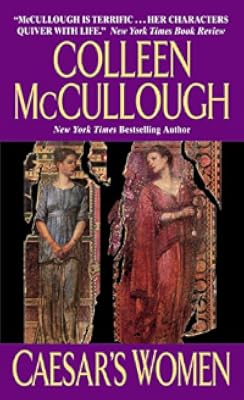
New York Times bestselling author Colleen McCullough re-creates an extraordinary epoch before the mighty Republic belonged to Julius Caesar-when Rome's noblewomen were his greatest conquest. His victories were legend-in battle and bedchamber alike. Love was a political weapon he wielded cunningly and ruthlessly in his private war against enemies in the forum. Genius, general, patrician, Gaius Julius Caesar was history. His wives bought him influence. He sacrificed his beloved daughter on the show more altar of ambition. He burned for the cold-hearted mistress he could never dare trust. Caesar's women all knew-and feared-his power. He adored them, used them, destroyed them on his irresistible rise to prominence. And one of them would seal his fate. show lessTags
Recommendations


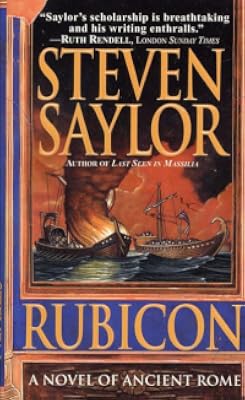
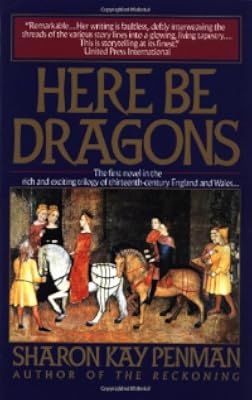
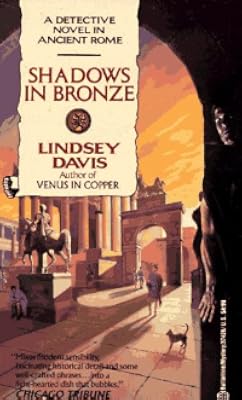
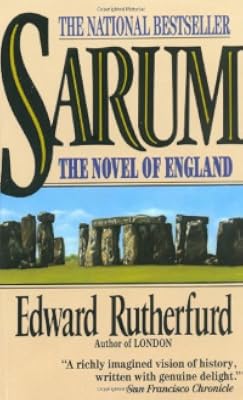



Member Reviews
I really enjoyed McCullough's obviously extensive research, but I was disappointed at her writing style. I couldn't finish the book because she was constantly switching perspective, lecturing, and generally using writing techniques poorly. Not going to be one I recommend to others, despite the fact that I'm dying to read more books set in the Subura!
It's a coin toss as to which is my favorite in the Masters of Rome series, Caesar's Women or The First Man in Rome.
The women referred to in the title are not just Caesar's wives or lovers. It also refers to his mother, who was one of the most important influences in his life, his daughter, Julia, and even the Vestal Virgins that were in his care as Pontifex Maximus. It's a great look into the lives of the upper class women and a thoroughly interesting read. Unlike the major male players, less is known about the women so McCullough can have a lot more license regarding their personalities.
I love this series more for its portrait of everyday life more than the interesting story of how Rome began to move away from its republican beginnings.
The women referred to in the title are not just Caesar's wives or lovers. It also refers to his mother, who was one of the most important influences in his life, his daughter, Julia, and even the Vestal Virgins that were in his care as Pontifex Maximus. It's a great look into the lives of the upper class women and a thoroughly interesting read. Unlike the major male players, less is known about the women so McCullough can have a lot more license regarding their personalities.
I love this series more for its portrait of everyday life more than the interesting story of how Rome began to move away from its republican beginnings.
This installment in the series follows Caesar after his return from the provinces to take up a political life. Almost immediately upon his return he is seduced by Servilia, a woman of advanced status and strategic cunning. The two agree to betroth their children, Brutus and Julia. Although Julia is still very young, Caesar needs the money and clout that this union will give him.
The majority of this book is taken up in the drama of the Senate, conspiracies, scandals, and intrigues upon intrigues. Through it all, Caesar proves himself an accomplished political power. At the close of the book, Caesar forms a triumvirate with Pompey and Crassus. These three men have many differences, but their alliance cannot be combated by any other show more political forces in Rome. To solidify this alliance, Caesar breaks his daughter's engagement and weds her quickly to Pompey. This binds the warlord even closer to him and puts him under the influence of Julia's charms.
The book ends with Caesar leaving Rome again with grand military intentions. Behind him, the women in his life gather to discuss the future as they await his return. show less
The majority of this book is taken up in the drama of the Senate, conspiracies, scandals, and intrigues upon intrigues. Through it all, Caesar proves himself an accomplished political power. At the close of the book, Caesar forms a triumvirate with Pompey and Crassus. These three men have many differences, but their alliance cannot be combated by any other show more political forces in Rome. To solidify this alliance, Caesar breaks his daughter's engagement and weds her quickly to Pompey. This binds the warlord even closer to him and puts him under the influence of Julia's charms.
The book ends with Caesar leaving Rome again with grand military intentions. Behind him, the women in his life gather to discuss the future as they await his return. show less
I liked this one a bit less than the earlier books in the series. This is actually the fourth book in the Master of Rome series. Earlier ones focused on key predecessors to Caesar in the late Roman Republic--Marius and Sulla. This is the first book then where Julius Caesar dominates the narrative.
I don't think McCullough's books shine because of her prose. Some complain the books are ponderous, the prose pedestrian, and I think there's justice in that. She's not a strong stylist such as Robert Graves or Mary Renault. But what I did love in the Master of Rome series is how well she conjures up the late Roman Republic, from the at times alien mindset to things where it's easy to to see modern parallels such as in the Roman Senate, to the show more surprisingly cosmopolitan insula (tenement).
My main problem in the later books is, like with Renault and Alexander the Great, McCullough obviously hero worships Caesar. It's not just his depiction alone. I have a friend who is a classicist, and her take on Caesar is that "he's awesome." As written by McCullough Caesar is extremely gifted and a charmer. I think my problem is that every other character is put through the Caesar prism. McCullough's Cicero, for instance, is far from admirable. (Although again, my classicist friend would actually agree on that.) But it seems as if everyone opposed to Caesar in this story is a tool or an envious fool.
As for Caesar's women, I don't know that I feel they're all that front and central here in a way that justifies the title. Certainly Caesar's mother, Aurelia, is among the most modern in feel, the strongest female character, and the most admirable. Servilia, one of Caesar's mistresses, is abominable, but fun to read. One of those characters you almost love to hate, and when I think of this book, among the scenes I find absolutely the most memorable is her crucifixion of a slave.
So, very much still worth the read, but for me Caesar is beginning to wear out his welcome. show less
I don't think McCullough's books shine because of her prose. Some complain the books are ponderous, the prose pedestrian, and I think there's justice in that. She's not a strong stylist such as Robert Graves or Mary Renault. But what I did love in the Master of Rome series is how well she conjures up the late Roman Republic, from the at times alien mindset to things where it's easy to to see modern parallels such as in the Roman Senate, to the show more surprisingly cosmopolitan insula (tenement).
My main problem in the later books is, like with Renault and Alexander the Great, McCullough obviously hero worships Caesar. It's not just his depiction alone. I have a friend who is a classicist, and her take on Caesar is that "he's awesome." As written by McCullough Caesar is extremely gifted and a charmer. I think my problem is that every other character is put through the Caesar prism. McCullough's Cicero, for instance, is far from admirable. (Although again, my classicist friend would actually agree on that.) But it seems as if everyone opposed to Caesar in this story is a tool or an envious fool.
As for Caesar's women, I don't know that I feel they're all that front and central here in a way that justifies the title. Certainly Caesar's mother, Aurelia, is among the most modern in feel, the strongest female character, and the most admirable. Servilia, one of Caesar's mistresses, is abominable, but fun to read. One of those characters you almost love to hate, and when I think of this book, among the scenes I find absolutely the most memorable is her crucifixion of a slave.
So, very much still worth the read, but for me Caesar is beginning to wear out his welcome. show less
The fourth volume in the Masters of Rome series, this one focuses more on the homefront so to speak - no wars, just political maneuvering as we follow the careers of Cicero, Cato, and mainly Caesar. We indeed learn about Caesar's women - his mother, his daughter Julia, (married off to Pompey - ugh!) and mostly his mistress Servilia and her ill-fated relationships with the now consul Gauis Julius, and her backbitten son Brutus.
I enjoyed this one about the same as the others -- perhaps a little slow moving - but the more detailed homelife was a refreshing change from the troop movements, sieges and massive battles that populated the other novels.
Now that I know more about the fate of the characters (I had never even heard of Marius and show more Sulla et al.) I find the knowledge bittersweet. I simultaneously cheer and rue Caesar's behavior. I actually have some pity for Pompey Magnus. I abhor Servilia. And I feel dread for Julia . . . I will eagerly read onward for what I know must come next. show less
I enjoyed this one about the same as the others -- perhaps a little slow moving - but the more detailed homelife was a refreshing change from the troop movements, sieges and massive battles that populated the other novels.
Now that I know more about the fate of the characters (I had never even heard of Marius and show more Sulla et al.) I find the knowledge bittersweet. I simultaneously cheer and rue Caesar's behavior. I actually have some pity for Pompey Magnus. I abhor Servilia. And I feel dread for Julia . . . I will eagerly read onward for what I know must come next. show less
The strain is starting to show. Every so often the narrative is held up with a quick summary of events in the previous books. I think she handled this much better in Fortune's Favourites, where there was a summary of the previous two books in the foreword.
Having said that, however, it is a thrilling book, almost impossible to put down. I was so caught up in it I read it over just the 2 days of the weekend, while the others in the series have taken about a week each.
Having said that, however, it is a thrilling book, almost impossible to put down. I was so caught up in it I read it over just the 2 days of the weekend, while the others in the series have taken about a week each.
The tone of this novel was very different from the others in the series. While it was filled with lots of political intrigue and schemes, it was tempered by homey touches of domesticity. Caesar’s women don’t really matter to him except to help hold up his dignitas. He feels a great duty to each of them in their respective little pigeonholes.
The political machinations are unreal and Caesar is a bit too much of a Superman through them all. Even in his defeats he finds some way to triumph over his enemies.
The political machinations are unreal and Caesar is a bit too much of a Superman through them all. Even in his defeats he finds some way to triumph over his enemies.
Members
- Recently Added By
Published Reviews
ThingScore 100
"With great brio, and ample attention to Roman customs and rites, as well as to the religious, sexual and social institutions of the day, including slavery, McCullough captures the driven, passionate soul of ancient Rome."
added by bookfitz
"A muscular, convincing re-creation of Rome's political arena--and some legendary combatants."
added by bookfitz
Lists

Best Historical Fiction
620 works; 261 members

Best Roman Empire Books
49 works; 18 members
Author Information

74+ Works 30,259 Members
Colleen McCullough was born on June 1, 1937 in Wellington, New South Wales, Australia. She attended Holy Cross College and the University of Sydney. She wanted to pursue a career in medicine but had an allergic reaction to the antiseptic soap that surgeons use to scrub. She decided to study neuroscience and established the department of show more neurophysiology at the Royal North Shore Hospital in Sydney before working as a researcher and teacher at Yale Medical School for ten years. Her first novel, Tim, was published in 1974 and was adapted into a movie starring Mel Gibson. During her lifetime, she wrote 25 novels including The Thorn Birds, An Indecent Obsession, A Creed for the Third Millennium, The Ladies of Missalonghi, the Masters of Rome series, and Bittersweet. The Thorn Birds was adapted into a U.S. television mini-series in 1983, which won four Golden Globe awards. She died after a long illness on January 29, 2015 at the age of 77. (Bowker Author Biography) show less
Series

Work Relationships
Common Knowledge
- Canonical title
- Caesar's Women
- Original title
- Caesar's Women
- Original publication date
- 1996-03-21
- People/Characters
- Julius Caesar (Gaius Julius Caesar); Gnaeus Pompeius Magnus; Marcus Licinius Crassus; Aurelia Cotta; Servilia Caepionis; Cleopatra VII (show all 7); Marcus Tullius Cicero
- Important places
- Rome; Ancient Rome
- Dedication
- For Selwa Anthony Dennis
Wisewoman, witch, warm and wonderful - First words
- "Brutus, I don't like the look of your skin. Come here to the light, please."
- Last words
- (Click to show. Warning: May contain spoilers.)"As the senior among Caesar's women, I propose that tomorrow we all go to dig in Bona Dea's garden."
- Original language
- English
Classifications
Statistics
- Members
- 1,718
- Popularity
- 12,862
- Reviews
- 23
- Rating
- (3.98)
- Languages
- 11 — Chinese, Czech, Danish, English, French, German, Italian, Portuguese, Russian, Spanish, Swedish
- Media
- Paper, Audiobook, Ebook
- ISBNs
- 45
- ASINs
- 19