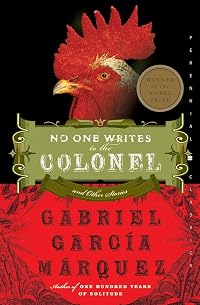
No One Writes to the Colonel and Other Stories
by Gabriel Garcia Marquez
On This Page
Description
Written with compassionate realism and wit, the stories in this mesmerizing collection depict the disparities of town and village life in South America, of the frightfully poor and outrageously rich, of memories and illusions, and of lost opportunities and present joys.Tags
Recommendations











Member Recommendations
Member Reviews
The weight of waiting, the dignity of poverty.
I read this book when I was in class 9. My elder sister was then a student of Bengali Literature at Dhaka University. She had a copy of Gabriel García Márquez's No One Writes to the Colonel lying on her study table, and I picked it up because the title was strange. I thought it would be a war story. Instead, I found a novella about an old man waiting for a letter that would never come. I didn't fully understand it then. I understood the hunger, the frustration, the rotting boat in the corner of the room. But I didn't understand the quiet rebellion of refusing to sell the rooster. I reread it four years later, and then I understood everything.
What it is:
An elderly colonel, a veteran of the show more Thousand Days War, now forgotten by the government and the world lives in a decaying Colombian town with his asthmatic wife. Every Friday, he goes to the dock to meet the mail boat. Every Friday, he returns empty-handed. For fifteen years, he has been waiting for a pension that was promised to him. The novella spans a few months of that waiting. His wife wants to sell their fighting rooster, the only valuable thing they own to buy food. The colonel refuses. The rooster is not just a bird. It is hope. It is dignity. It is the last piece of a life that mattered.
Why it stayed with me (from class 9 to now):
1. The prose is surgical. García Márquez wrote this before One Hundred Years of Solitude, and the language is leaner, harder, more desperate. No magical realism here. Just rain, rot, coffee grounds boiled twice, and the slow decay of two old people who have outlived their time. Every sentence is precise. The famous final line hits like a fist.
2. The waiting is the plot. Nothing happens. That is the point. The colonel goes to the dock. The boat arrives. No letter. He walks home. His wife complains. He promises to sell the rooster. He does not sell the rooster. Repeat. But García Márquez makes this repetition feel like a slow death. You feel every empty Friday in your bones.
3. The colonel is a quiet hero. He is not heroic. He is old, poor, and stubborn. But his refusal to sell the rooster, to sell hope, is a form of resistance. Against the government that forgot him. Against poverty that wants to swallow him. Against his own wife's despair. He will not sell. He will wait. Even if the letter never comes. That is not foolishness. That is grace.
4. The rooster. This animal carries the entire weight of the novella. It is the colonel's son (left behind when he died). It is the promise of a prize (if it wins the cockfight). It is a mouth to feed when there is no food. The colonel strokes its neck, and you realize: he is stroking the last thing that makes him feel like a man.
5. The ending. García Márquez ends on the most devastating note possible. Not a death. Not a tragedy. Just a question about food. And the colonel's answer, silence, then "Shit"—is the most honest thing he has ever said. He has nothing. He will eat nothing. But he will not beg. He will not sell the rooster. He will sit with his wife in the dark and wait.
Why a class 9 student might miss some of this (and that's okay):
At fourteen, I did not understand poverty as a system. I did not understand what it means to wait fifteen years for a promise. I did not understand the politics of a war that ended long ago but still leaves shrapnel in the lives of the survivors. I understood the hunger. I understood the rooster. I understood that the colonel was sad. But I did not understand that his sadness was also a kind of victory. Rereading it as an adult, I wept. Not because the book is sentimental. Because it is true.
Who should read this:
Lovers of literary fiction who appreciate minimalism (Hemingway, Carver, the early Márquez).
Anyone who has ever waited for something that never came.
Readers who want to understand how dignity survives in the ruins of a life.
Young readers who are patient enough to sit with silence.
Who might struggle:
If you need a plot with twists, action, or resolution (there is none).
If you dislike open endings and unanswered questions.
If you find poverty and waiting boring (then the book is working as intended).
Final verdict:
No One Writes to the Colonel is not García Márquez's most famous book. It is not his most magical. But it might be his most honest. It is a novella about hunger, hope, and the quiet rebellion of refusing to give up the last thing that makes you human. I read it at fourteen and thought it was sad. I read it at eighteen and thought it was magnificent.
Five stars. For the colonel, for the rooster, for every Friday that the boat arrives without a letter.
P.S. The English translation by J. S. Bernstein is excellent, but if you can read Spanish, the original 'El coronel no tiene quien le escriba' has a rhythm that translations cannot capture. And if you read Bengali, there is a fine translation by Manabendra Banarjee—my sister had that one. show less
I read this book when I was in class 9. My elder sister was then a student of Bengali Literature at Dhaka University. She had a copy of Gabriel García Márquez's No One Writes to the Colonel lying on her study table, and I picked it up because the title was strange. I thought it would be a war story. Instead, I found a novella about an old man waiting for a letter that would never come. I didn't fully understand it then. I understood the hunger, the frustration, the rotting boat in the corner of the room. But I didn't understand the quiet rebellion of refusing to sell the rooster. I reread it four years later, and then I understood everything.
What it is:
An elderly colonel, a veteran of the show more Thousand Days War, now forgotten by the government and the world lives in a decaying Colombian town with his asthmatic wife. Every Friday, he goes to the dock to meet the mail boat. Every Friday, he returns empty-handed. For fifteen years, he has been waiting for a pension that was promised to him. The novella spans a few months of that waiting. His wife wants to sell their fighting rooster, the only valuable thing they own to buy food. The colonel refuses. The rooster is not just a bird. It is hope. It is dignity. It is the last piece of a life that mattered.
Why it stayed with me (from class 9 to now):
1. The prose is surgical. García Márquez wrote this before One Hundred Years of Solitude, and the language is leaner, harder, more desperate. No magical realism here. Just rain, rot, coffee grounds boiled twice, and the slow decay of two old people who have outlived their time. Every sentence is precise. The famous final line hits like a fist.
2. The waiting is the plot. Nothing happens. That is the point. The colonel goes to the dock. The boat arrives. No letter. He walks home. His wife complains. He promises to sell the rooster. He does not sell the rooster. Repeat. But García Márquez makes this repetition feel like a slow death. You feel every empty Friday in your bones.
3. The colonel is a quiet hero. He is not heroic. He is old, poor, and stubborn. But his refusal to sell the rooster, to sell hope, is a form of resistance. Against the government that forgot him. Against poverty that wants to swallow him. Against his own wife's despair. He will not sell. He will wait. Even if the letter never comes. That is not foolishness. That is grace.
4. The rooster. This animal carries the entire weight of the novella. It is the colonel's son (left behind when he died). It is the promise of a prize (if it wins the cockfight). It is a mouth to feed when there is no food. The colonel strokes its neck, and you realize: he is stroking the last thing that makes him feel like a man.
5. The ending. García Márquez ends on the most devastating note possible. Not a death. Not a tragedy. Just a question about food. And the colonel's answer, silence, then "Shit"—is the most honest thing he has ever said. He has nothing. He will eat nothing. But he will not beg. He will not sell the rooster. He will sit with his wife in the dark and wait.
Why a class 9 student might miss some of this (and that's okay):
At fourteen, I did not understand poverty as a system. I did not understand what it means to wait fifteen years for a promise. I did not understand the politics of a war that ended long ago but still leaves shrapnel in the lives of the survivors. I understood the hunger. I understood the rooster. I understood that the colonel was sad. But I did not understand that his sadness was also a kind of victory. Rereading it as an adult, I wept. Not because the book is sentimental. Because it is true.
Who should read this:
Lovers of literary fiction who appreciate minimalism (Hemingway, Carver, the early Márquez).
Anyone who has ever waited for something that never came.
Readers who want to understand how dignity survives in the ruins of a life.
Young readers who are patient enough to sit with silence.
Who might struggle:
If you need a plot with twists, action, or resolution (there is none).
If you dislike open endings and unanswered questions.
If you find poverty and waiting boring (then the book is working as intended).
Final verdict:
No One Writes to the Colonel is not García Márquez's most famous book. It is not his most magical. But it might be his most honest. It is a novella about hunger, hope, and the quiet rebellion of refusing to give up the last thing that makes you human. I read it at fourteen and thought it was sad. I read it at eighteen and thought it was magnificent.
Five stars. For the colonel, for the rooster, for every Friday that the boat arrives without a letter.
P.S. The English translation by J. S. Bernstein is excellent, but if you can read Spanish, the original 'El coronel no tiene quien le escriba' has a rhythm that translations cannot capture. And if you read Bengali, there is a fine translation by Manabendra Banarjee—my sister had that one. show less
A book of short stories which is far, far more satisfying than ploughing your way through the tedium that is One Hundred Years of Solitude. What Garcia Marquez has done here is depict the psyche of South America in fine detail through vignettes of characters such as the eponymous Colonel.
Each tale is told with a delicacy that brings the characters and their deeply felt sufferings alive. The humid air permeates each scene, and the relationships between the characters are stretched just as tautly as they need to be. The writing has an elegant poise that is perfectly measured.
The cumulative effect is to realise that South American suffering is far more psychological than anything to do with poverty or disease. The characters are tortured show more by historical events, unfulfilled desire, unrealised ambition, the iron bars of status, the burden of regret and that damn humidity again. show less
Each tale is told with a delicacy that brings the characters and their deeply felt sufferings alive. The humid air permeates each scene, and the relationships between the characters are stretched just as tautly as they need to be. The writing has an elegant poise that is perfectly measured.
The cumulative effect is to realise that South American suffering is far more psychological than anything to do with poverty or disease. The characters are tortured show more by historical events, unfulfilled desire, unrealised ambition, the iron bars of status, the burden of regret and that damn humidity again. show less
Decidí leer todos los libros de Márquez (bueno, al menos todos los de narrativa) en orden de aparición. Este es el segundo peldaño de la escalera, después de "La hojarasca", y representa una mejoría inmensa con respecto a la faulkneriana primera obra del colombiano. El estilo de Márquez, en este breve libro, ya está perfectamente configurado y su muy personal interpretación poética de la realidad caribeña ya está desarrollada, para encontrar su culminación en las novelas posteriores.
En fin, yo le diría a cualquiera, después de haber leído ya unas cuántas novelas suyas, que este es el mejor libro para empezar a leer a Márquez. Una novela perfecta.
En fin, yo le diría a cualquiera, después de haber leído ya unas cuántas novelas suyas, que este es el mejor libro para empezar a leer a Márquez. Una novela perfecta.
A very nice short story. The repetitions of going out for mail, to sell some household items make the book powerful to me.
How the colonel stubbornly hangs on to that rooster and clings to his hope there'll one day be pension money... Very sad, but very well written.
How the colonel stubbornly hangs on to that rooster and clings to his hope there'll one day be pension money... Very sad, but very well written.
I have read so many of these short stories by Marquez, I have read 100 Years of Solitude probably a half dozen times, and even wrote my senior paper in University as a literary analysis of the book and its themes. That doesn’t mean I truly understand much of any of the symbolism or the story that runs underneath these tales of Macondo and the lives lived within the town limits.
That fact notwithstanding, I love these stories so much. The characters, the town, the weather, the magical realism, the absurd happenings and crazy family ties; I adore everything that mixed together makes Macondo what it is. Marquez has a way of writing that allows me to picture every scene and feel the stifling heat of the afternoon. I feel like I can show more understand the characters and their motivations, and can become immersed in the narrative to the point that it’s quite jarring when they end so abruptly. show less
That fact notwithstanding, I love these stories so much. The characters, the town, the weather, the magical realism, the absurd happenings and crazy family ties; I adore everything that mixed together makes Macondo what it is. Marquez has a way of writing that allows me to picture every scene and feel the stifling heat of the afternoon. I feel like I can show more understand the characters and their motivations, and can become immersed in the narrative to the point that it’s quite jarring when they end so abruptly. show less
I remember when I was first reading Gabriel García Márquez's books many years ago, I was fascinated by how the early novels and novellas built toward 100 Years of Solitude, introducing some of the characters who would later populate the Macondo of his most famous work and developing a portrait of a Columbia burdened by years of wars and uneven, unequal progress. I was looking at my bookshelf the other day, wondering what book to read next, not wanting to bite off something too substantial since I'm in the middle of a rather demanding read (Georges Perec's La vie: mode d'emploi. I went with this short novella about a military man waiting on a pension, a colonel who served under Aureliano Buendía in the wars later documented in 100 show more Years of Solitude living in poor health and poverty with his wife in a nameless town in Columbia.
The colonel has a rooster inherited from his recently-deceased son that may be worth a great deal of money when the cockfights of January begin, but it's only October, and the family's money has run out. For fifteen years, the colonel has been waiting for his military pension, going down to the dock each week to wait for the mail to arrive. Unfortunately, the colonel was not on the winning side of the war, and while the armistice signed by Colonel Buendía may have led his men to believe that they would receive compensation for their years of service to a losing cause, the pensions aren't coming, and may never come. The colonel's got stomach issues, his wife's suffering from asthma, they've sold nearly everything they own (and nobody wants the clock nor the painting on the wall), and still the rooster needs his ration of corn each day if he's going to win in January. The colonel is a proud man, and everyone in town is rooting for him, especially his son's friends. How could he sell the rooster? But what else is he to do?
It's a good book, and I felt the hunger of the colonel and his wife as I lay reading it this morning, telling myself I'd wait until lunch to eat anything even though I was really hungry myself. García Márquez does a great job of conveying the little day-to-day aspects of poverty, the exact ways that clothes fall apart from too much wear and the manners through which people trick themselves and their neighbors into thinking they've got enough to get by on. Setting stones to a boil so that the neighbors will think you've got soup to eat, while the chicken is eating the corn feed that your husband bought instead of food...I also enjoyed the author's handling of the political reasons behind the colonel's plight: the lack of mail for the colonel needed no explanation, everyone in the community knows perfectly well that the colonel is not going to get his pension, and his obstinate insistence on checking the mail was equal parts admirable and pitiful. I don't believe I'd ever really thought about how civil wars end, not in the United States in the 19th century, but in a much smaller country in the first half of the 20th century. I think I had the idea that everyone just went back home and went back to life, or something like that, but here there's no life to go back to, just an interminable wait for a pension promised by the victors who twisted your leader's arm into signing an armistice treaty.
I'm glad I chose this book, because it'd been too long since I read a García Márquez book and enjoyed it. Last year I read Chronicle of a Death Foretold and found myself looking for reasons to hate it (why does everyone have to have such a colorful name in this town, why isn't anyone named José or Juan or Pedro), although looking back on it maybe I was being too harsh. I just went back and read my thoughts on that one. I wasn't quite as negative as I remembered. One thing I mentioned then that is worth remembering now is that García Márquez didn't necessarily take his books as seriously as many of his readers did. He mentions in an interview that 100 Years of Solitude is full of gestures to his closest friends and completely lacking in seriousness, and those who seek to decipher the book's contents run the risk of drawing extremely stupid conclusions. This is a little odd now that I think about it, because when I think about the portraits of Macondo and of Colombia presented in 100 Years of Solitude and other books by García Márquez, they are serious, they're full of war and violence and cyclical political struggles for power between Liberals and Conservatives. But I think what he's trying to say is, the success of his books surprises him, and he didn't necessarily set out to write books that would later be assigned such great significance and moral weight by so many people around the world. This book is serious too: the colonel and his wife are starving, they're sick and wondering whether they'll make it through the winter, and the colonel's military pension has been blocked by the ruling political party. However, it's hard to read its closing line without laughing. The book ends with a single word, a word that expresses the colonel's defiance and refusal to compromise his moral rigidity even in the face of extreme hunger. Re-reading this book, I thought: "Of course! Now I remember, that's how this book ends!" show less
The colonel has a rooster inherited from his recently-deceased son that may be worth a great deal of money when the cockfights of January begin, but it's only October, and the family's money has run out. For fifteen years, the colonel has been waiting for his military pension, going down to the dock each week to wait for the mail to arrive. Unfortunately, the colonel was not on the winning side of the war, and while the armistice signed by Colonel Buendía may have led his men to believe that they would receive compensation for their years of service to a losing cause, the pensions aren't coming, and may never come. The colonel's got stomach issues, his wife's suffering from asthma, they've sold nearly everything they own (and nobody wants the clock nor the painting on the wall), and still the rooster needs his ration of corn each day if he's going to win in January. The colonel is a proud man, and everyone in town is rooting for him, especially his son's friends. How could he sell the rooster? But what else is he to do?
It's a good book, and I felt the hunger of the colonel and his wife as I lay reading it this morning, telling myself I'd wait until lunch to eat anything even though I was really hungry myself. García Márquez does a great job of conveying the little day-to-day aspects of poverty, the exact ways that clothes fall apart from too much wear and the manners through which people trick themselves and their neighbors into thinking they've got enough to get by on. Setting stones to a boil so that the neighbors will think you've got soup to eat, while the chicken is eating the corn feed that your husband bought instead of food...I also enjoyed the author's handling of the political reasons behind the colonel's plight: the lack of mail for the colonel needed no explanation, everyone in the community knows perfectly well that the colonel is not going to get his pension, and his obstinate insistence on checking the mail was equal parts admirable and pitiful. I don't believe I'd ever really thought about how civil wars end, not in the United States in the 19th century, but in a much smaller country in the first half of the 20th century. I think I had the idea that everyone just went back home and went back to life, or something like that, but here there's no life to go back to, just an interminable wait for a pension promised by the victors who twisted your leader's arm into signing an armistice treaty.
I'm glad I chose this book, because it'd been too long since I read a García Márquez book and enjoyed it. Last year I read Chronicle of a Death Foretold and found myself looking for reasons to hate it (why does everyone have to have such a colorful name in this town, why isn't anyone named José or Juan or Pedro), although looking back on it maybe I was being too harsh. I just went back and read my thoughts on that one. I wasn't quite as negative as I remembered. One thing I mentioned then that is worth remembering now is that García Márquez didn't necessarily take his books as seriously as many of his readers did. He mentions in an interview that 100 Years of Solitude is full of gestures to his closest friends and completely lacking in seriousness, and those who seek to decipher the book's contents run the risk of drawing extremely stupid conclusions. This is a little odd now that I think about it, because when I think about the portraits of Macondo and of Colombia presented in 100 Years of Solitude and other books by García Márquez, they are serious, they're full of war and violence and cyclical political struggles for power between Liberals and Conservatives. But I think what he's trying to say is, the success of his books surprises him, and he didn't necessarily set out to write books that would later be assigned such great significance and moral weight by so many people around the world. This book is serious too: the colonel and his wife are starving, they're sick and wondering whether they'll make it through the winter, and the colonel's military pension has been blocked by the ruling political party. However, it's hard to read its closing line without laughing. The book ends with a single word, a word that expresses the colonel's defiance and refusal to compromise his moral rigidity even in the face of extreme hunger. Re-reading this book, I thought: "Of course! Now I remember, that's how this book ends!" show less
The problem I have with short stories are they're short. I'm still warming up to it, dipping my toes into the story then it was finished. I do not get to love them as much as I would love if it was a full length novel. This novella/short story was actually pretty good. It was heartbreaking. Nothing happy about this and I think that was the point, Columbia was an unhappy place back then especially for the poor people because of corruption and censors. This was different from other Marquez stories I've read. None of the magic I was accustomed to but a lot of realism. This is real. This happened somewhere in time. A short masterpiece by Senor Marquez!
Members
- Recently Added By
Lists

1001 Books You Must Read Before You Die
1,448 works; 1,133 members

20th Century Literature
1,161 works; 55 members

Blue Pyramid 1,276 Best Books of All Time
1,248 works; 32 members

Llibres que he llegit el 2025
81 works; 2 members
Author Information

402+ Works 147,460 Members
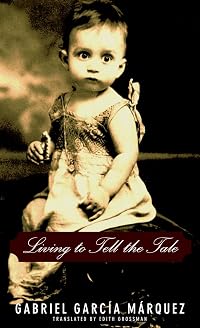
Gabriel García Márquez was born in Aracataca, Colombia on March 6, 1927. After studying law and journalism at the National University of Colombia in Bogota, he became a journalist. In 1965, he left journalism, to devote himself to writing. His works included Leaf Storm, No One Writes to the Colonel, The Evil Hour, One Hundred Years of Solitude, show more Love in the Time of Cholera, The Autumn of the Patriarch, Chronicle of a Death Foretold, The General in His Labyrinth, Clandestine in Chile, and the memoir Living to Tell the Tale. He won the Nobel Prize for Literature in 1982. He died on April 17, 2014 at the age of 87. (Bowker Author Biography) show less
Some Editions
Awards and Honors
Series
Belongs to Publisher Series
Work Relationships
Contains
Common Knowledge
- Canonical title
- No One Writes to the Colonel and Other Stories
- Original title
- El coronel no tiene quien le escriba
- Original publication date
- 1961
- People/Characters
- El colonel; Balthazar; Lola; Julia; Padre Angel; Don Sabas (show all 12); Nogales; German; Jacinta; Dr. Pardo; Lugones; Alvaro
- Important places
- Colombia
- Related movies*
- El coronel no tiene quien le escriba (1999)
- First words
- El coronel destapó el tarro del café y comprobó que no había más de una cucharadita.
The colonel took the top off the coffee can and saw that there was only one little spoonful left. - Last words
- (Click to show. Warning: May contain spoilers.)Se sintió puro, explícito, invencible, en el momento de responder:
-Mierda.
(Click to show. Warning: May contain spoilers.)He felt pure, explicit, invincible at the moment when he replied:
'Shit.' - Blurbers*
- Lemm, Robert; Pol, Barber van de; Doorne, J. van
- Original language
- Spanish
*Some information comes from Common Knowledge in other languages. Click "Edit" for more information.
Classifications
- Genres
- General Fiction, Fiction and Literature
- DDC/MDS
- 863.64 — Literature & rhetoric Spanish Literature Spanish fiction 20th Century 1945-2000
- LCC
- PQ8180.17 .A73 .A23 — Language and Literature French, Italian, Spanish and Portuguese literatures Spanish literature Provincial, local, colonial, etc. Spanish America
- BISAC
Statistics
- Members
- 2,170
- Popularity
- 9,390
- Reviews
- 32
- Rating
- (3.74)
- Languages
- 23 — Arabic, Chinese, Czech, Danish, Dutch, English, Finnish, French, German, Greek, Hungarian, Italian, Norwegian (Bokmål), Norwegian, Farsi/Persian, Polish, Portuguese, Romanian, Russian, Spanish, Swedish, Thai, Turkish
- Media
- Paper, Audiobook, Ebook
- ISBNs
- 56
- ASINs
- 24