On This Page
Description
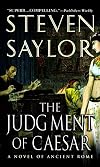
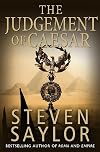
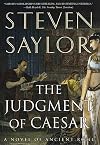
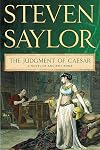
Heading to Egypt in search of a cure for the mysterious illness of his ailing wife, Bethesda, Gordianus the Finder arrives in a country torn by war and power struggles, a situation that worsens when Bethesda vanishes.Tags
Recommendations














Member Reviews
This is the 11th in the Gordianus series and a welcome return for me over two years after reading the previous one. This is set entirely in Alexandria in Egypt which Gordianus is visiting as his wife Bethesda wants to bathe in the Nile to cure herself of a wasting sickness. Gordianus manages to be present at many key historical events such as the murder of Pompey, the unveiling of his head in the presence of Caesar and Cleopatra's smuggling herself into Caesar's presence in the famous rolled up carpet. The whodunnit aspect only takes up the final third of the book. There are a couple of key dramatic developments in Gordianus's family life that I won't give spoilers for here, but they are as eclectic and as likeable a group of characters show more as ever. I really enjoyed this one and there will definitely be a much shorter gap between this and my reading the next one. show less
This historical mystery novel is so complex that I had to keep reminding myself that I was reading fiction. Saylor has a way of making history come alive in his books. This book in the Roma sub-Rosa series is set in Alexandria where Gordianus and his wife Bethesda have gone to seek a cure for Betheseda's illness. They end up getting caught in the battle between two siblings, Ptolemy and Cleopatra. Gordianus also gets caught up in court intrigue in the King's palace in Alexandria. This book is such compelling reading, that I found it hard to put it down. The historical happenings are accurate, but Saylor has built up such a story around these momentous events, that it felt like I was there for the huge battle for Alexandria near the end show more of the book. We see Caesar up close and personal too, and we see how he might have been when this actually all occurred. These characters are so real, that it is hard to believe that some of them were fictional. I cannot say enough about this series and about Saylor's writing, and I recommend that anyone who loves history should make this series mandatory reading. show less
Watching over Gordianus's shoulder we are again witness to famous historical events, this time in the extraordinary city of Alexandria. Gordianus has taken his wife, originally Egyptian, home to Alexandria in the hopes that bathing in the Nile will cure her of whatever the illness is that she is suffering. As the famed city pulls into view, their ship is hit by a terrible storm that pushes them into sight of Pompey's fleet. Suspected of being a spy, Gordianus is taken onto Pompey ship moments before he is rowed ashore to his death at the feet of the young king Ptolemy. Afraid of being separated from his family, he leaps into the water to try and swim to their ship but is instead washed on to the beach. He assists in building pyres for show more Pompey (less one finger and a head) and collapses from exhaustion. He wakes to find his wife and adopted sons had been deposited on the beach.
They travel west toward Alexandria, searching along the various branches of the Nile in the river delta for the spot to take Bethesda's healing swim and finally find an ancient temple that suits her needs. She walks into the water and disappears. Bereft, Gordianus proceeds to Alexandria.
He arrives in time to witness the famous meeting of Caesar and Cleopatra at the same time that he is rejoined with his son Meto. At a meal he was to share with the famous couple, a bottle of wine rescued from Pompey's ship was opened. Before either tasted the wine, Cleopatra calls her slave girl to taste the wine and it is discovered, fatally, that it is poisoned. Meto opened the sealed bottle and poured the wine so suspicion falls on him. Gordianus is granted a chance to investigate and determine who was the real poisoner.
Sayer has brought us to another important place in history and places us in the middle of the action as an eyewitness. Only one more book in the series. He has taken a well documented historical event and inserted a mystery that involves all the major players and lets us see them as more than pages in a history book. show less
They travel west toward Alexandria, searching along the various branches of the Nile in the river delta for the spot to take Bethesda's healing swim and finally find an ancient temple that suits her needs. She walks into the water and disappears. Bereft, Gordianus proceeds to Alexandria.
He arrives in time to witness the famous meeting of Caesar and Cleopatra at the same time that he is rejoined with his son Meto. At a meal he was to share with the famous couple, a bottle of wine rescued from Pompey's ship was opened. Before either tasted the wine, Cleopatra calls her slave girl to taste the wine and it is discovered, fatally, that it is poisoned. Meto opened the sealed bottle and poured the wine so suspicion falls on him. Gordianus is granted a chance to investigate and determine who was the real poisoner.
Sayer has brought us to another important place in history and places us in the middle of the action as an eyewitness. Only one more book in the series. He has taken a well documented historical event and inserted a mystery that involves all the major players and lets us see them as more than pages in a history book. show less
Saylor is recognised for his historical veracity and deep knowledge of the Roman period, but he wears this learning lightly and never resorts to lengthy or incongruous exposition (none of this 'Oh, look, here comes Pompey, great general of Rome and enemy of Caesar, who has just...' malarkey). This is an involving look into the world of Egyptian Alexandria and the end of the great conflict between Caesar and Pompey that leaves Julius Caesar as undisputed leader of Rome and sees him start his relationship with Cleopatra. The political wrangling between Caesar, Cleopatra and her brother Ptolemy for primacy in Egypt is well told.
The mystery element of the story does not show itself until half way through the book and is unravelled with very show more little tension or investigation, even though the jeopardy is heightened by having our hero, Gordianus, having to save his adopted son from a death sentence having been accused of the attempted murder of Caesar.
The all-loose-ends-gathered-everybody's-happy ending was unsatisfying and did not reflect the gritty reality of the historical elements of the book. show less
The mystery element of the story does not show itself until half way through the book and is unravelled with very show more little tension or investigation, even though the jeopardy is heightened by having our hero, Gordianus, having to save his adopted son from a death sentence having been accused of the attempted murder of Caesar.
The all-loose-ends-gathered-everybody's-happy ending was unsatisfying and did not reflect the gritty reality of the historical elements of the book. show less
This review contains spoilers for this and earlier books in the Roma sub Rosa series.
At the close of A Mist of Prophecies, Gordianus the Finder's wife, Bethesda, decided that the only way she could be cured of a lingering illness was to return to Alexandria and bathe in the Nile. When this book opens, Gordianus, Bethesda, his recently adopted son Rupa, and his two slave boys are at sea approaching Alexandria's lighthouse. Before they can even land, Gordianus finds himself carried away by the Roman civil war that is now spilling over into the struggle for the Egyptian crown, and reunited with old acquaintences and enemies. Knowing that Caesar is going to be arriving in Alexandria any day, it seems likely that he will also be forced to show more face his disowned, adopted son, Meto.
The mystery in this book takes a backseat to the historical and family drama. The murder which Gordianus investigates does not take place until the last third of the book, and is resolved well before the ending. The major suspense action of the plot- taken seperately from the ongoing story of Gordianus' family- is general court intriuge, with every side thinking that the Finder might be a useful man to know, and not an investigation.
Bethesda's alleged death and later reappearance was handled strangely, and with little explanation. Possibly Saylor wants to force the reader to see through Gordianus' eyes, as a man of his times, who though not superstitious in nature might accept that Egyptian gods rule in Egypt just as Roman gods do in Rome, and not look for an explanation of what in the natural world Bethesda could have been doing while she was gone. However, there is little that would have been changed about the plot if Gordianus had known all along that she would need to spend some time in seclusion at the temple, and had been sent on ahead. Some different explanation would need to have been given for Meto to see the vial in Gordianus' trunk. Gordianus' internal musings would have been different, but I cannot name one action that necessarily would have been except for the times that he informs somebody of her death. Even his delay in leaving Alexandria could have been accounted for at the end, if he needed to wait for Bethesda to be ready. The action of the next full novel (Triumph of Caesar, coming out next year) seems to be set in Rome, so it is hard to say why Gordianus and Bethesda would need to be left in Alexandria when the rest of the family went ahead with Meto. Maybe some reason for splitting up the traveling party will become clear in the next book? show less
At the close of A Mist of Prophecies, Gordianus the Finder's wife, Bethesda, decided that the only way she could be cured of a lingering illness was to return to Alexandria and bathe in the Nile. When this book opens, Gordianus, Bethesda, his recently adopted son Rupa, and his two slave boys are at sea approaching Alexandria's lighthouse. Before they can even land, Gordianus finds himself carried away by the Roman civil war that is now spilling over into the struggle for the Egyptian crown, and reunited with old acquaintences and enemies. Knowing that Caesar is going to be arriving in Alexandria any day, it seems likely that he will also be forced to show more face his disowned, adopted son, Meto.
The mystery in this book takes a backseat to the historical and family drama. The murder which Gordianus investigates does not take place until the last third of the book, and is resolved well before the ending. The major suspense action of the plot- taken seperately from the ongoing story of Gordianus' family- is general court intriuge, with every side thinking that the Finder might be a useful man to know, and not an investigation.
Bethesda's alleged death and later reappearance was handled strangely, and with little explanation. Possibly Saylor wants to force the reader to see through Gordianus' eyes, as a man of his times, who though not superstitious in nature might accept that Egyptian gods rule in Egypt just as Roman gods do in Rome, and not look for an explanation of what in the natural world Bethesda could have been doing while she was gone. However, there is little that would have been changed about the plot if Gordianus had known all along that she would need to spend some time in seclusion at the temple, and had been sent on ahead. Some different explanation would need to have been given for Meto to see the vial in Gordianus' trunk. Gordianus' internal musings would have been different, but I cannot name one action that necessarily would have been except for the times that he informs somebody of her death. Even his delay in leaving Alexandria could have been accounted for at the end, if he needed to wait for Bethesda to be ready. The action of the next full novel (Triumph of Caesar, coming out next year) seems to be set in Rome, so it is hard to say why Gordianus and Bethesda would need to be left in Alexandria when the rest of the family went ahead with Meto. Maybe some reason for splitting up the traveling party will become clear in the next book? show less
Bethesda is very ill and is feared to be dying. She asks to be taken back to Alexandria so she can bathe in the Nile. Gordianus agrees only to be caught up in the death of Pompey, the civil war in Egypt between Cleopatra VII and her brother Ptolemy XIII, and Caesar's Alexandrian war. In all the chaos, Meto, Gordianus's estranged son, is accused of attempting to poison either Cleopatra or Caesar. Gordianus attempts to clear his son's name before he is executed.
Saylor is back on form with this one. Enjoyable portrayals of the characters and their complex relationships.
Saylor is back on form with this one. Enjoyable portrayals of the characters and their complex relationships.
POTENTIAL SPOILERS
The latest in a mystery series by Steven Saylor, with the ancient Roman detective Gordianus the Finder.
The novels are OK, but not great. The thing I like about them, though, is that they make Roman history much more memorable than a textbook. Although I've read dozens of Roman history books, I never made the connection that the same person could live through the Dictatorship of Sulla, the Servile Rebellion, the Cataline Conspiracy, and the Civil War until I read these. Admittedly, Gordianius is getting a little long in the tooth - I think he's right around 65 in this latest novel.
Caesar meets Kleopatra and Ptolemy, and predictibly can't decide between them (both in terms of who he's going to put on the throne of Egypt show more and who he's going to sleep with). Gordianus is dragged into it in a somewhat convoluted manner - he just happens to be in Alexandria instead of Rome because his wife, the ex-slave Bethesda, wants to visit home. Our hero finds himself in the right (or perhaps wrong) place at the right time, witnessing the assassination of Pompey and the famous arrival of Kleopatra in a rolled-up carpet. The actual mystery is a relatively minor one, involving the poisoning of Kleo's food taster, and is dealt with in a chapter or so. If you're interested, you probably want to start with the first in the series, Roman Blood. show less
The latest in a mystery series by Steven Saylor, with the ancient Roman detective Gordianus the Finder.
The novels are OK, but not great. The thing I like about them, though, is that they make Roman history much more memorable than a textbook. Although I've read dozens of Roman history books, I never made the connection that the same person could live through the Dictatorship of Sulla, the Servile Rebellion, the Cataline Conspiracy, and the Civil War until I read these. Admittedly, Gordianius is getting a little long in the tooth - I think he's right around 65 in this latest novel.
Caesar meets Kleopatra and Ptolemy, and predictibly can't decide between them (both in terms of who he's going to put on the throne of Egypt show more and who he's going to sleep with). Gordianus is dragged into it in a somewhat convoluted manner - he just happens to be in Alexandria instead of Rome because his wife, the ex-slave Bethesda, wants to visit home. Our hero finds himself in the right (or perhaps wrong) place at the right time, witnessing the assassination of Pompey and the famous arrival of Kleopatra in a rolled-up carpet. The actual mystery is a relatively minor one, involving the poisoning of Kleo's food taster, and is dealt with in a chapter or so. If you're interested, you probably want to start with the first in the series, Roman Blood. show less
Members
- Recently Added By
Lists

Best historical fiction set in the ancient world
126 works; 40 members

egypt novels
16 works; 2 members

Global Reads: Books Set in the Middle East and North Africa
50 works; 8 members

Middle East Fiction
179 works; 16 members
Author Information

61+ Works 13,637 Members
Steven Saylor (born March 23, 1956) is an American author of historical novels. He is a graduate of the University of Texas at Austin, where he studied history and Classics. Although he also has written novels about Texas history, Saylor's best-known work is his Roma Sub Rosa series, set in ancient Rome. The novels' hero is a detective named show more Gordianus the Finder, active during the time of Sulla, Cicero, Julius Caesar, and Cleopatra. He divides his time residing in California and texas. (Bowker Author Biography) show less
Awards and Honors
Series

Common Knowledge
- Canonical title
- The Judgment of Caesar
- Original publication date
- 2004-06-01
- People/Characters
- Bethesda; Gordianus the Finder; Meto; Rupa; Julius Caesar; Cleopatra VII (show all 11); Mopsus; Androcles; Gnaeus Pompeius Magnus; Achillas; Mithridates
- Important places
- Alexandria, Egypt; Ancient Rome; Rome, Italy
- First words
- There! Can you see it? The lighthouse!
- Blurbers
- Rendell, Ruth
Classifications
Statistics
- Members
- 700
- Popularity
- 40,739
- Reviews
- 21
- Rating
- (3.75)
- Languages
- 8 — Dutch, English, French, Hungarian, Norwegian (Bokmål), Polish, Portuguese, Spanish
- Media
- Paper, Audiobook, Ebook
- ISBNs
- 28
- ASINs
- 9