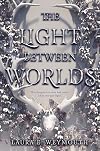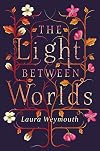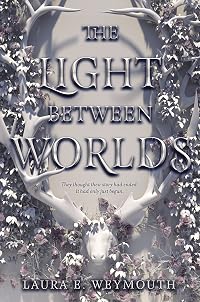
The Light Between Worlds
by Laura E. Weymouth
On This Page
Description
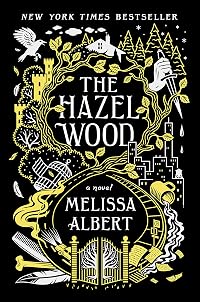
What happens when you return to the real world after being in a fantastical one like Narnia? This YA debut by Laura E. Weymouth is perfect for fans of Melissa Albert's The Hazel Wood and Lev Grossman's The Magicians.Six years ago, sisters Evelyn and Philippa Hapwell were swept away to a strange and beautiful kingdom called the Woodlands, where they lived for years. But ever since they returned to their lives in post-WWII England, they have struggled to adjust.
Ev desperately wants to return show more to the Woodlands, and Philippa just wants to move on. When Ev goes missing, Philippa must confront the depth of her sister's despair and the painful truths they've been running from. As the weeks unfold, Philippa wonders if Ev truly did find a way home, or if the weight of their worlds pulled her under.
Walking the line between where fantasy and reality meet, this lyrical and magical novel is, above all else, an exploration of loss and healing, and what it means to find where you belong.
. show less
Tags
Recommendations
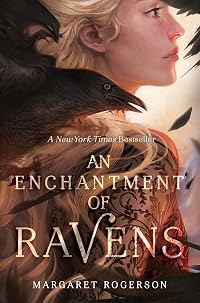
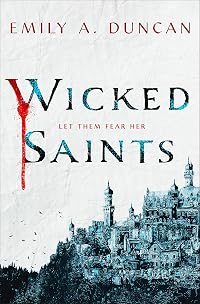
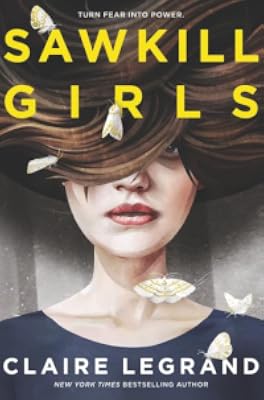
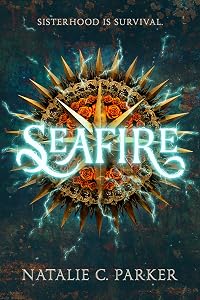

Member Reviews
*spoilers*
Evelyn, Philippa, and their older brother Jamie Hapwell were transported to the Woodlands from a bomb shelter in London when Evie wished "Anywhere but here." Evie is immediately smitten with the place and feels right at home; her older siblings agree to stay only once the stag Cervus assures them that he can return them to the very moment they left London, no matter how long they stay. The Woodlands, too, is on the brink of war, and the siblings feel duty-bound to help save the Great Wood and its creatures.
After several years in the Woodlands, though, they do return home, but Evie never quite adjusts, and Philippa, after many years propping her sister up, eventually decides to go to college in America. She returns to England show more only when Evie disappears from school. Has she finally found a way to return to the Woodlands ("A Woodlands heart always finds its way home"), or has she disappeared in more earthly sense?
A little slow to start, but ultimately absorbing. The author is completely successful in capturing the atmosphere, both of war- and post-war London and of the magical Woodlands (which feel familiarly like Narnia, but fresh enough). Part I belongs to Evie, Part II to Philippa. Evie's sense of isolation, displacement, and homesickness permeate the first section, while Philippa is determined to make a life in the real world. (The siblings' closeness shuts their parents out almost entirely.) The resolution is the perfect one for the story.
Many poems are included, in full or in part, in the text; "Resources in order of appearance" are listed at the end.
Quotes
Memory is a sharp-edged knife I can't help but cut myself on, no matter how carefully I wield it. (Evelyn, 67)
"...The heart of a woman falls back with the night,
And enters some alien cage in its plight,
And tries to forget it was dreamed of the stars
While it breaks, breaks, breaks on the sheltering bars." (178)
But I can't see my way clear of these woods. I can't bring myself to forgive my brother and sister for what they've made me give up. (179)
I'm sorry, Ev. I'm sorry. But we're all drowning and I'd held you up for so long. I couldn't take the weight anymore, not if I wanted to keep my own head above water. (Philippa, 213)
"I hate not being sure what to do with myself - whether I should hurt or hope, because I can't manage both at once, and I'm caught between the two." (Phil to Jack, 270)
I couldn't live in her world so I brought her back, and now she can't live in mine. (291)
"You show mercy to others, and save none for yourself." (Jack to Phil, 294)
"Heroes do something extraordinary, when they might have chosen to do otherwise. Brave people just bear up under their circumstances and do their best. There's a whole world full of brave people out there, all trying to muddle through. And honestly, I don't think heroes are worth more at the end of the day. Sometimes it takes greater courage to learn to live again when you think your life's over, than it does to risk it in the first place." (Phil to Jack, 300)
I reach out and hold tight to my sister's hand because I can't fathom going home without her, but can't imagine her anywhere but here. (337) show less
Evelyn, Philippa, and their older brother Jamie Hapwell were transported to the Woodlands from a bomb shelter in London when Evie wished "Anywhere but here." Evie is immediately smitten with the place and feels right at home; her older siblings agree to stay only once the stag Cervus assures them that he can return them to the very moment they left London, no matter how long they stay. The Woodlands, too, is on the brink of war, and the siblings feel duty-bound to help save the Great Wood and its creatures.
After several years in the Woodlands, though, they do return home, but Evie never quite adjusts, and Philippa, after many years propping her sister up, eventually decides to go to college in America. She returns to England show more only when Evie disappears from school. Has she finally found a way to return to the Woodlands ("A Woodlands heart always finds its way home"), or has she disappeared in more earthly sense?
A little slow to start, but ultimately absorbing. The author is completely successful in capturing the atmosphere, both of war- and post-war London and of the magical Woodlands (which feel familiarly like Narnia, but fresh enough). Part I belongs to Evie, Part II to Philippa. Evie's sense of isolation, displacement, and homesickness permeate the first section, while Philippa is determined to make a life in the real world. (The siblings' closeness shuts their parents out almost entirely.) The resolution is the perfect one for the story.
Many poems are included, in full or in part, in the text; "Resources in order of appearance" are listed at the end.
Quotes
Memory is a sharp-edged knife I can't help but cut myself on, no matter how carefully I wield it. (Evelyn, 67)
"...The heart of a woman falls back with the night,
And enters some alien cage in its plight,
And tries to forget it was dreamed of the stars
While it breaks, breaks, breaks on the sheltering bars." (178)
But I can't see my way clear of these woods. I can't bring myself to forgive my brother and sister for what they've made me give up. (179)
I'm sorry, Ev. I'm sorry. But we're all drowning and I'd held you up for so long. I couldn't take the weight anymore, not if I wanted to keep my own head above water. (Philippa, 213)
"I hate not being sure what to do with myself - whether I should hurt or hope, because I can't manage both at once, and I'm caught between the two." (Phil to Jack, 270)
I couldn't live in her world so I brought her back, and now she can't live in mine. (291)
"You show mercy to others, and save none for yourself." (Jack to Phil, 294)
"Heroes do something extraordinary, when they might have chosen to do otherwise. Brave people just bear up under their circumstances and do their best. There's a whole world full of brave people out there, all trying to muddle through. And honestly, I don't think heroes are worth more at the end of the day. Sometimes it takes greater courage to learn to live again when you think your life's over, than it does to risk it in the first place." (Phil to Jack, 300)
I reach out and hold tight to my sister's hand because I can't fathom going home without her, but can't imagine her anywhere but here. (337) show less
"A Woodlands heart always finds its way home."
It's what Cervus the Great Stag told Philippa, Jamie, and Evelyn when they arrived in the Woodlands, called out of the misery and terror of hiding in a London bomb shelter into the beauty and serenity of the forest. And it's what Cervus told them, five and a half years later, when he sent them back and told them that he would not be able to call them again. Life after the Woodlands has been an adjustment for all three of them. Jamie has set his mind on conquering academics and making his way in this world, and Philippa has done the same, albeit with lipstick and nylons and school projects and social clubs. But Evelyn's Woodlands heart refuses to accept the return to this world, and she show more pines for what she considers her true home. She wanders the forests around her boarding school late at night, often without shoes or coat, yearning for the same call that drew her away before -- and Philippa, outwardly so collected and sophisticated, has been doing all she can to help Evelyn adjust. But now Philippa has gone away to school in America, leaving Evelyn on her own for the first time since they returned. Will Evelyn be able to finally make her way in this world?
This is a beautiful book, full of deep emotion and difficult choices. One gets the sense that there can't really be a happy ending for these characters, though one hopes for certain outcomes above others. The narration follows Evelyn for the first half of the book, immersing the reader in Evelyn's desperate longing for her other world, and then switches to Philippa for the second half of the book, adding complexity to the emotional tone as one learns more about both sisters. Layered in with Evelyn's narration are snippets of their lives in the Woodlands, and interspersed with Philippa's are memories of life after the Woodlands but before the book's current events. Both sisters relate strongly to art (poetry for Evelyn, visual art for Philippa) as a means of making sense of their lives and emotions.
Though you certainly can understand and enjoy this book without having read The Chronicles of Narnia, if you have read those books, you can't help but see how this book takes those events and characters and asks, "What if?" What might happen after Narnia, to someone like Lucy who loved that world with all her heart? Why might Susan have made the decision to become very grown up, as far from her fantasy-realm self as possible? I felt that this book was both a love letter to and a criticism of Narnia. However, I didn't find the Woodlands sections themselves very compelling, which is why I'd rate this book 4.5 instead of 5 stars -- there just wasn't enough depth there to really convey why Evelyn felt such an emotional connection. Understandable, since this book isn't really about the Woodlands, it's about life after. Still, I felt that those portions paled in comparison with the rest of the book, which brought tears to my eyes more than once. Highly recommended both to those who loved and still love Narnia, and to those who loved but found themselves disillusioned by it later on. show less
It's what Cervus the Great Stag told Philippa, Jamie, and Evelyn when they arrived in the Woodlands, called out of the misery and terror of hiding in a London bomb shelter into the beauty and serenity of the forest. And it's what Cervus told them, five and a half years later, when he sent them back and told them that he would not be able to call them again. Life after the Woodlands has been an adjustment for all three of them. Jamie has set his mind on conquering academics and making his way in this world, and Philippa has done the same, albeit with lipstick and nylons and school projects and social clubs. But Evelyn's Woodlands heart refuses to accept the return to this world, and she show more pines for what she considers her true home. She wanders the forests around her boarding school late at night, often without shoes or coat, yearning for the same call that drew her away before -- and Philippa, outwardly so collected and sophisticated, has been doing all she can to help Evelyn adjust. But now Philippa has gone away to school in America, leaving Evelyn on her own for the first time since they returned. Will Evelyn be able to finally make her way in this world?
This is a beautiful book, full of deep emotion and difficult choices. One gets the sense that there can't really be a happy ending for these characters, though one hopes for certain outcomes above others. The narration follows Evelyn for the first half of the book, immersing the reader in Evelyn's desperate longing for her other world, and then switches to Philippa for the second half of the book, adding complexity to the emotional tone as one learns more about both sisters. Layered in with Evelyn's narration are snippets of their lives in the Woodlands, and interspersed with Philippa's are memories of life after the Woodlands but before the book's current events. Both sisters relate strongly to art (poetry for Evelyn, visual art for Philippa) as a means of making sense of their lives and emotions.
Though you certainly can understand and enjoy this book without having read The Chronicles of Narnia, if you have read those books, you can't help but see how this book takes those events and characters and asks, "What if?" What might happen after Narnia, to someone like Lucy who loved that world with all her heart? Why might Susan have made the decision to become very grown up, as far from her fantasy-realm self as possible? I felt that this book was both a love letter to and a criticism of Narnia. However, I didn't find the Woodlands sections themselves very compelling, which is why I'd rate this book 4.5 instead of 5 stars -- there just wasn't enough depth there to really convey why Evelyn felt such an emotional connection. Understandable, since this book isn't really about the Woodlands, it's about life after. Still, I felt that those portions paled in comparison with the rest of the book, which brought tears to my eyes more than once. Highly recommended both to those who loved and still love Narnia, and to those who loved but found themselves disillusioned by it later on. show less
****.5
It took me a while to get into a groove with the book in the first half, but it's worth sticking with it as the pieces come together. The 1940's England setting didn't initially appeal to me, it's been done so many times that it often ends up being a tired stand-in for actual scene setting or world building. But it does allow for some situations that would otherwise be difficult to pull off in a contemporary setting.
In many ways the book reminded me of The Magicians, with the characters feeling displaced as they travel between the two worlds, not really "at home" anywhere. In this case, the parallels with soldiers returning from war are drawn more emphatically, and overall there's much less magic.
It ends up being a deeply show more emotional story, laden with grief and PTSD, depression, alienation, and regret. Seeing the situation through the eyes of both sisters was done beautifully, and their fraught relationship was handled gracefully. Instead of bogging down in a tear jerker or wallowing in depression, a strong current of resilience keeps some hope alive through even the darkest passages.
There's also a lot of art in the book. In particular, Rembrandt's bathing woman ( high res image at https://www.nationalgallery.org.uk/paintings/rembrandt-a-woman-bathing-in-a-stre.... ), a painting I've seen before but never considered as particularly memorable (at least compared to his other masterpieces). But looking at the details while listening to the description, I was able to really appreciate it.
The weakest parts for me were the flashbacks to the other realm, which felt rather flat and not up to the same standard as the "current day" sections. Maybe I'd feel differently on a second reading, but for now it's what's holding me back from a 5-star rating. show less
It took me a while to get into a groove with the book in the first half, but it's worth sticking with it as the pieces come together. The 1940's England setting didn't initially appeal to me, it's been done so many times that it often ends up being a tired stand-in for actual scene setting or world building. But it does allow for some situations that would otherwise be difficult to pull off in a contemporary setting.
In many ways the book reminded me of The Magicians, with the characters feeling displaced as they travel between the two worlds, not really "at home" anywhere. In this case, the parallels with soldiers returning from war are drawn more emphatically, and overall there's much less magic.
It ends up being a deeply show more emotional story, laden with grief and PTSD, depression, alienation, and regret. Seeing the situation through the eyes of both sisters was done beautifully, and their fraught relationship was handled gracefully. Instead of bogging down in a tear jerker or wallowing in depression, a strong current of resilience keeps some hope alive through even the darkest passages.
There's also a lot of art in the book. In particular, Rembrandt's bathing woman ( high res image at https://www.nationalgallery.org.uk/paintings/rembrandt-a-woman-bathing-in-a-stre.... ), a painting I've seen before but never considered as particularly memorable (at least compared to his other masterpieces). But looking at the details while listening to the description, I was able to really appreciate it.
The weakest parts for me were the flashbacks to the other realm, which felt rather flat and not up to the same standard as the "current day" sections. Maybe I'd feel differently on a second reading, but for now it's what's holding me back from a 5-star rating. show less
What happened to Peter, Susan, Edmund and Lucy when they returned to England from Narnia? Laura Weymouth answers this question with new characters and a new world. But The Light Between Worlds is not a spinoff of C.S. Lewis’ Chronicles. It is a unique and beautifully told story of the fierce love between sisters and of choices and consequences. Evelyn and Philippa are swept into the fantastical Woodlands on one night of the London blitz. The story is told in two parts: one in Evie’s voice, the other in Philippa’s. I fell in love with Evie’s story. She feels more at home in the Woodlands than she ever did in England, as I feel more at home in the West than I did in New England. The sisters must each find their own way, and show more one’s choice gravely affects the other. Ms. Weymouth also introduces the reader to a variety of poets, in particular Sara Teasdale, by inserting poems at key points in the plot. For me, the theme of the story is in Evie’s words: “Every day is a treasure, every chance meeting a gift, and I will treat them as such …” May we all seek to live as fully. show less
2½ ★ may seem harsh, but Laura Weymouth’s novel was too plodding and undeveloped for my tastes. The concept was brilliant, with having the 3 children whirled off to a different world, where they lived for a tumultuous period in that fantastic place. However, an excellent theme doesn’t make up for the prolonged misery that the reader has to wade through to the dénouement.
Towards the last half of the story, we hear Philippa’s story. I enjoyed this part of the narrative much more than the earlier developments with Evelyn. While Evie’s story was told with superb insights into such angst, it did not evolve into a meaningful resolution and ended rather lamely. And what of Jamie? His participation was rather poorly detailed, show more appearing at intervals driving around in his car, and propping up his sisters. show less
Towards the last half of the story, we hear Philippa’s story. I enjoyed this part of the narrative much more than the earlier developments with Evelyn. While Evie’s story was told with superb insights into such angst, it did not evolve into a meaningful resolution and ended rather lamely. And what of Jamie? His participation was rather poorly detailed, show more appearing at intervals driving around in his car, and propping up his sisters. show less
This book shook me. It deals alot with PTSD and mental illness. It's about internal strength, the love between sisters, and how no one judges you as harshly as yourself. This after Narnia novel's sprinkling of magic balances perfectly with the darker themes and will follow me for days. I highly recommend.
I like that this book reminds the reader of the trip to Narnia that C.S. Lewis took us on decades ago but that this story focuses on how the travel to a different world affected the children once they are returned to their proper timeline.
I love the struggles that the sisters face and the different emotions they feel upon their return. I will definitely look for more of Laura's books in the future.
I love the struggles that the sisters face and the different emotions they feel upon their return. I will definitely look for more of Laura's books in the future.
Members
- Recently Added By
Lists

Top Five Books of 2019
387 works; 111 members

Books Read in 2018
4,360 works; 110 members

Books Read in 2022
5,166 works; 112 members
Author Information

8 Works 1,002 Members
Awards and Honors
Awards
Distinctions
Notable Lists
Common Knowledge
- Original publication date
- 2018
- People/Characters
- Evelyn Hapwell; Phillipa Hapwell; Cervus; Tom Harper; Jack Summerfield
- Important places
- London, England, UK; The Woodlands
- Important events
- World War II
- Dedication
- For all the lost girls - may you find your way home.
- First words
- We're burying Old Nick in the back garden.
- Quotations
- Wherever I am, wherever my feet are planted, that is where I will make my life. I won't withdraw or put up walls. Every day is a treasure, every chance meeting a gift, and I will treat them as such until at last, my Woodlands... (show all) heart finds its way home. (p. 21)
There will come soft rains and the smell of the ground,
And swallows circling with their shimmering sound;
And frogs in the pools singing at night,
And wild plum trees in tremulous white,
Robins wi... (show all)ll wear their feathery fire
Whistling their whims on a low fence-wire.
And not one will know of the war, not one
Will care at last when it is done.
Not one would mind, neither bird nor tree
If mankind perished utterly;
And Spring herself, when she woke at dawn,
Would scarcely know that we were gone.
-Sara Teasdale - Last words
- (Click to show. Warning: May contain spoilers.)When the song dies down, I step out of the woods and into the world.
- Publisher's editor
- Jerman, Alice
Classifications
Statistics
- Members
- 498
- Popularity
- 60,512
- Reviews
- 17
- Rating
- (3.59)
- Languages
- English, French, Spanish
- Media
- Paper, Audiobook, Ebook
- ISBNs
- 16
- ASINs
- 2