Vimy
by Pierre Berton
On This Page
Description
On Easter Monday 1917 with a blizzard blowing in their faces, the four divisions of the Canadian Corps in France seized and held the best-defended German bastion on the Western Front - the muddy scarp of Vimy Ridge. The British had failed to take the Ridge, and so had the French who had lost 150,000 men in the attempt. Yet these magnificent colonial troops did so in a morning at the cost of only 10,000 casualties.The author recounts this remarkable feat of arms with both pace and style. He show more has gathered many personal accounts from soldiers who fought at Vimy. He describes the commanders and the men, the organization and the training, and above all notes the thorough preparation for the attack from which the British General Staff could have learnt much. The action is placed within the context both of the Battle of Arras, of which this attack was part, and as a milestone in the development of Canada as a nation. show lessTags
Recommendations




















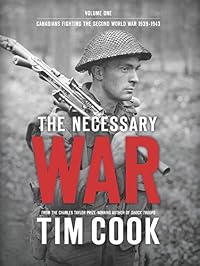
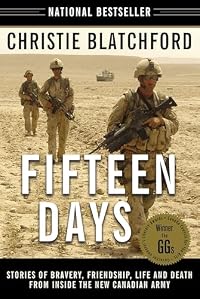
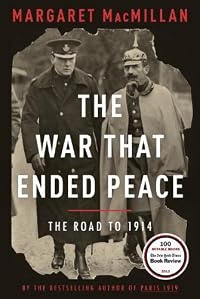
Member Recommendations


Member Reviews
The aim of this book is to bring the Battle of Vimy Ridge to life and evaluate what it means to Canadians and to the world. The most important thing I learned from this book is that the idea of Vimy being a separate battle is largely a Canadian-centric view; elsewhere in the world, it is considered simply part of the Battle of Arras. But to Canadians, Vimy is widely considered to be the coming of age of a nation.
Berton tells the story of the battle by following a few men, some of whom appeared in previous books he wrote about the settling of western Canada. He combines monumental tragedy with moments of humour and even shocking banality—what comes to mind for me is the troops marching on the day of battle, spotting a couple of show more rabbits and taking some pot shots at the rabbits rather than fighting the enemy. (Fortunately for the rabbits and this reader, the rabbits got away.)
The book includes maps, which I like but at the same time don’t really consult. No pictures, but a sizeable bibliography and a note from the author on sources. It’s written well, as one might expect from a Pierre Berton book, but I did find it took some effort to get through. I think those with a slightly stronger interest in military history might really like it. show less
Berton tells the story of the battle by following a few men, some of whom appeared in previous books he wrote about the settling of western Canada. He combines monumental tragedy with moments of humour and even shocking banality—what comes to mind for me is the troops marching on the day of battle, spotting a couple of show more rabbits and taking some pot shots at the rabbits rather than fighting the enemy. (Fortunately for the rabbits and this reader, the rabbits got away.)
The book includes maps, which I like but at the same time don’t really consult. No pictures, but a sizeable bibliography and a note from the author on sources. It’s written well, as one might expect from a Pierre Berton book, but I did find it took some effort to get through. I think those with a slightly stronger interest in military history might really like it. show less
This book filled me with admiration for Canada's soldiers. It also, at times, made me very sad as so many of these soldiers were really children....many, many of them still in their teens. Pierre Berton is a very good writer who was really able to recreate the atmosphere of life in the trenches of World War I. I was also very interested in the Canadian military leadership who pioneered modern management techniques in the way they training soldiers and ensured they understood the bigger picture. I only wish there were more actual quotes or background on the soldiers themselves. At times, reading this book was like watching an action movie with lots of fireworks, shooting, etc. I don't much like action movies. But I'm very glad I read show more this on the 100th anniversary of this historic battle. show less
There’s this woman I work with. She immigrated to Canada many years ago, when she was in (I think) high school. Anyway, we regularly talk books, and when I mentioned this one, she had no idea what the battle of Vimy Ridge was. This surprised and saddened me, as it’s such an important part of Canadian history. Anyway, since someone who lives in Canada doesn’t know about it, most of you people who aren’t Canadians reading my blog probably don’t know about it either.
So, in brief, the battle of Vimy Ridge was a part of the Battle of Arras in WWI. It took place over four days, starting on April 9, 1917. When the British and French could not take Vimy Ridge from the Germans, they decided the Canadians should give it a try. No one show more believed the Canadians could do it, but somehow they managed to – and of course surprised the rest of the world when they did so. Before this, the Canadian army was basically looked on as a joke – undisciplined, unruly, and unexperienced in war. But during those four days those who fought became a very important part of Canadian history, and helped to really form Canada as a nation, both in the eyes of the world and in the eyes of Canadians themselves:
What counts is that in the minds of Canadians Vimy took on a mythic quality … and Canada was short of myths. There is something a little desperate – a little wistful – in the commentaries of the twenties and the thirties and even later, in which Canadians assured one another over and over again that at Vimy, Canada had at last found its maturity.
So while the Canadians back home, as well as the Canadians involved in the battle (those that survived, that is), considered this a HUGE victory for the nation at home, it definitely wasn’t without sacrifices. Just on the Canadian side, there were over 3500 deaths in that specific battle. It’s unknown how many died on the German side. Plus all those who were wounded. And all those who died in preparation for this battle – over 9500 Canadians in the months preparing for the battle – from snipers, trench raids, etc.
So, that, in a nutshell, is the battle of Vimy Ridge. Of course, Berton goes much more in depth – including how the Canadians ended up with their own army (instead of becoming a part of the British army), all of the preparations for the April 9th battle, a large number of first-hand experiences from the people involved, the aftermath of the battle, and how it affected the Canadian nation.
There were parts of this book that made me cry and there were parts that made me sick to my stomach… it’s one thing to read a fictional account of the war, or to see a movie. It hits home a little more when you know you’re reading a non-fictional book, when it has facts and figures thrown in with accounts from real people who were actually there to see and experience it. There are a couple of visuals that will stay with me for a long time to come. It was very intense, and I found that I could not sit down and read a lot of this book at one point in time. Needed some time to breath in between.
But it was very good. I’ve never read any Berton before; I’m a little disappointed in myself in that respect, as he makes history so … readable. And I’ll definitely be reading more of his history books in the future, especially as I’ve only ever heard good things about his books. I’m so happy I started with this one though. Vimy still maintains this importance to me, and helps to define the Canadian identity. As Berton wrote,
Vimy stood for more than a battle won; it also stood for Canadian ingenuity, Canadian dash and daring, Canadian enterprise…
I hate traveling, but Vimy is somewhere I’ve always wanted to go. I long to see that place where such an important part of Canadian history took place. No doubt when I finally get around to going there, it will have so much more meaning to me now.
Bottom Line: Definitely not a dull or dry read, Vimy was so informative and made it so much more human than it could have been. It made a war that occurred almost a century ago come a little bit to life. I’d highly recommend this, especially to fellow Canucks who want to learn a little more about the history of their country. show less
So, in brief, the battle of Vimy Ridge was a part of the Battle of Arras in WWI. It took place over four days, starting on April 9, 1917. When the British and French could not take Vimy Ridge from the Germans, they decided the Canadians should give it a try. No one show more believed the Canadians could do it, but somehow they managed to – and of course surprised the rest of the world when they did so. Before this, the Canadian army was basically looked on as a joke – undisciplined, unruly, and unexperienced in war. But during those four days those who fought became a very important part of Canadian history, and helped to really form Canada as a nation, both in the eyes of the world and in the eyes of Canadians themselves:
What counts is that in the minds of Canadians Vimy took on a mythic quality … and Canada was short of myths. There is something a little desperate – a little wistful – in the commentaries of the twenties and the thirties and even later, in which Canadians assured one another over and over again that at Vimy, Canada had at last found its maturity.
So while the Canadians back home, as well as the Canadians involved in the battle (those that survived, that is), considered this a HUGE victory for the nation at home, it definitely wasn’t without sacrifices. Just on the Canadian side, there were over 3500 deaths in that specific battle. It’s unknown how many died on the German side. Plus all those who were wounded. And all those who died in preparation for this battle – over 9500 Canadians in the months preparing for the battle – from snipers, trench raids, etc.
So, that, in a nutshell, is the battle of Vimy Ridge. Of course, Berton goes much more in depth – including how the Canadians ended up with their own army (instead of becoming a part of the British army), all of the preparations for the April 9th battle, a large number of first-hand experiences from the people involved, the aftermath of the battle, and how it affected the Canadian nation.
There were parts of this book that made me cry and there were parts that made me sick to my stomach… it’s one thing to read a fictional account of the war, or to see a movie. It hits home a little more when you know you’re reading a non-fictional book, when it has facts and figures thrown in with accounts from real people who were actually there to see and experience it. There are a couple of visuals that will stay with me for a long time to come. It was very intense, and I found that I could not sit down and read a lot of this book at one point in time. Needed some time to breath in between.
But it was very good. I’ve never read any Berton before; I’m a little disappointed in myself in that respect, as he makes history so … readable. And I’ll definitely be reading more of his history books in the future, especially as I’ve only ever heard good things about his books. I’m so happy I started with this one though. Vimy still maintains this importance to me, and helps to define the Canadian identity. As Berton wrote,
Vimy stood for more than a battle won; it also stood for Canadian ingenuity, Canadian dash and daring, Canadian enterprise…
I hate traveling, but Vimy is somewhere I’ve always wanted to go. I long to see that place where such an important part of Canadian history took place. No doubt when I finally get around to going there, it will have so much more meaning to me now.
Bottom Line: Definitely not a dull or dry read, Vimy was so informative and made it so much more human than it could have been. It made a war that occurred almost a century ago come a little bit to life. I’d highly recommend this, especially to fellow Canucks who want to learn a little more about the history of their country. show less
Lived up to my expectations for careful research and well-told, real-life stories that place you in the action, making you feel what it was like to fight the battle of Vimy Ridge.
Very good.
a little too long. very sad.
This is the best history book about war I have ever had the pleasure of reading.
Members
- Recently Added By
Author Information

102+ Works 7,380 Members
Pierre Berton was born in 1920 and raised in the Yukon. He worked in Klondike mining camps during his university years, spending four years in the army, rising from private to captain/instructor at the Royal Military College in Kingston. After the military, Berton went to Vancouver where he began his career at a newspaper. At 21, he was the show more youngest city editor on any Canadian daily. He moved to Toronto in 1947, and at the age of 31 was named managing editor of Maclean's. In 1957 he became a key member of the CBC's public affairs flagship program, Close-Up, and a permanent panelist on Front Page Challenge. He joined The Toronto Star as an associate editor and columnist in 1958, leaving 4 years later in '62 to commence The Pierre Berton Show, which ran until 1973. Since then he has appeared as host and writer on My Country, The Great Debate, Heritage Theatre, and The Secret of My Success. He has received numerous honourary degrees and served as the Chancellor of Yukon College. Berton is also a Companion of the Order of Canada, and has received a Stephen Leacock Medal for Humor in 1959, a Govenor's General Award for The Mysterious North in 1956, Klondike in 1958 and The Last Spike in 1972. Berton has also won a Nellie Award for best public broadcaster in radio in 1978, the Canadian Authors Association Literary Award for non fiction in, 1981 and the Canadian Booksellers Award in 1982. (Bowker Author Biography) show less
Common Knowledge
- Original publication date
- 1986
- People/Characters
- Canadian Army; Julian Byng, 1st Viscount Byng of Vimy; Sir Arthur William Currie
- Important places
- France; Vimy Ridge, Hauts-de-France, France
- Important events
- World War I (1914 | 1918); Battle of Vimy Ridge
- Epigraph
- "As far as I could see, south, north along the many miles of the Ridge, there were the Canadians. And I experienced my first full sense of nationhood." - Lieutenant Gregory Clark, M.C., Weekend Magazine, November 13, 1967
- First words
- It is probable that with the exception of the Krakatoa explosion of 1883, in all of history no human ears had ever been assaulted by the intensity of sound produced by the artillery barrage that launched the Battle of Vimy Ri... (show all)dge on April 9, 1917.
- Last words
- (Click to show. Warning: May contain spoilers.)The answer, of course, is no.
- Blurbers
- Findley, Timothy; Newman, Peter C.; Callwood, June
Classifications
Statistics
- Members
- 428
- Popularity
- 71,708
- Reviews
- 9
- Rating
- (3.90)
- Languages
- English
- Media
- Paper, Ebook
- ISBNs
- 11
- ASINs
- 5