On This Page
Description
Five fairy tales incorporating the people, places, and lore of Russia.Tags
Recommendations














Member Reviews
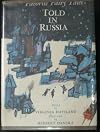
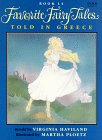
This book presents the collection of five Russian stories retold by Virginia Haviland: "To Your Health", "Vasilisa the Beautiful", Snegourochka, the Snow Maiden", "The Straw Ox" and "The Flying Ship".
"To Your Good Health" is the fairytales about a Tsar, who was a very mighty ruler. Whenever he sneezed, he expected everyone in his kingdom to say “To your good health”. However, one day he heard of a shepherd who refused to say to the Tsar “to your good health”. The Tsar ordered his guards to bring that shepherd before him and forced him to say to the Tsar “to your good health”. But the shepherd refused to say it unless the Tsar gave him his daughter for marriage. As a result the Tsar ordered his execution several times, but show more every time the smart shepherd managed to avoid the execution through some trick or another. When the Tsar realized that he could not kill the shepherd, he instead tried to get him to say the words by offering him positive incentives. But the shepherd insisted on his demand to marry the princess. When all else failed, the Tsar gave in to the shepherd demand & gave him his daughter for marriage. After the Tsar’s passing, the smart shepherd became a great ruler and he never expected his people to wish him well against their will. But since all his subjects loved and respected him, they all did wish him well even though they were no longer required by law to do so.
Even though I was born in Russia, I must admit that I never heard this story before. It’s a fun story the moral of which is that it's better to gain respect and be loved by others because of one’s good deeds, rather than earning people’s respect through fearing and forcing them to pretend to love you. After all, it is pointless to have others wish you well because they are forced to do so, rather than because they truly love you and wish you well. Unfortunately, the book hardly had any illustrations. The few illustrations it possessed were simple black and white illustrations that, quite frankly, did little to add or extend the story. Finally, I believe that the story stayed true to the culture it represented. This book is appropriate for kids between the ages of 7 to 10 years old. show less
"To Your Good Health" is the fairytales about a Tsar, who was a very mighty ruler. Whenever he sneezed, he expected everyone in his kingdom to say “To your good health”. However, one day he heard of a shepherd who refused to say to the Tsar “to your good health”. The Tsar ordered his guards to bring that shepherd before him and forced him to say to the Tsar “to your good health”. But the shepherd refused to say it unless the Tsar gave him his daughter for marriage. As a result the Tsar ordered his execution several times, but show more every time the smart shepherd managed to avoid the execution through some trick or another. When the Tsar realized that he could not kill the shepherd, he instead tried to get him to say the words by offering him positive incentives. But the shepherd insisted on his demand to marry the princess. When all else failed, the Tsar gave in to the shepherd demand & gave him his daughter for marriage. After the Tsar’s passing, the smart shepherd became a great ruler and he never expected his people to wish him well against their will. But since all his subjects loved and respected him, they all did wish him well even though they were no longer required by law to do so.
Even though I was born in Russia, I must admit that I never heard this story before. It’s a fun story the moral of which is that it's better to gain respect and be loved by others because of one’s good deeds, rather than earning people’s respect through fearing and forcing them to pretend to love you. After all, it is pointless to have others wish you well because they are forced to do so, rather than because they truly love you and wish you well. Unfortunately, the book hardly had any illustrations. The few illustrations it possessed were simple black and white illustrations that, quite frankly, did little to add or extend the story. Finally, I believe that the story stayed true to the culture it represented. This book is appropriate for kids between the ages of 7 to 10 years old. show less
Ratings
Members
- Recently Added By
Author Information

36+ Works 1,793 Members
Some Editions
Series

Common Knowledge
Classifications
Statistics
- Members
- 95
- Popularity
- 337,655
- Reviews
- 1
- Rating
- (3.83)
- Languages
- English
- Media
- Paper
- ISBNs
- 4
- ASINs
- 4