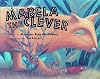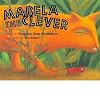
Mabela the Clever
by Margaret Read MacDonald
On This Page
Description
An African folktale about a mouse who pays close attention to her surroundings and avoids being tricked by the cat.Tags
Recommendations


Member Reviews
A good story with an unusual moral - at least, I've never heard "Pay attention and THINK about what you're saying!" presented as a moral before, although God knows it ought to be.
No mousies are harmed in the reading of this story. My only real concern with it is that I have no idea how authentic it is.
No mousies are harmed in the reading of this story. My only real concern with it is that I have no idea how authentic it is.
Another winner from Margaret Read MacDonald. The pictures aren't 'pretty' but they're perfectly appropriate. The lesson of the fable and the author's note are valuable. My only quibble is that this is a little *too* simple for me. My inner child loves a lot of picture-books, but my inner toddler is fussy....
Mabela is a small mouse in the village of mice. One day her father tells her to "keep her ears open and listen", "keep your eyes open and look around you", "when speaking pay attention to what you are saying", and "if you have to move, move fast". One day a cat comes to the mouse village and gives the mice an invitation to join the secret cat society. The just need to show up at the cat's house the next day. The next day almost all the mice from the village show up, even Mabela. The cat teaches them a song and tells them to march in a line never looking back. Mabela ends up in the front of the line because she is the smallest. Off the mice marched into the forrest with the cat following. The cat would pick a mouse up and put it in his show more sack everytime the mice got to the end of the song. Mabela listening to her dads words started noticing things weren't right. She started to listen and look and paied attention to what she was saying. She noticed that the mice were disappearing and no one was watching the cat. She ran for it and the cat ran after her. The cat got stuck in in vines with thorns and Mabela was able to excape and release the other mice. She went home and passed on her wisdom. The final line in the book, "If a person is clever, it is because someone has taught them their cleverness."
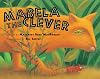
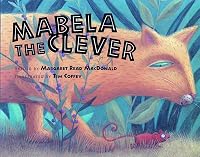
Super adorable book. Great colorfully animated paintings. The painting are very simple with the eyes of the animals being the focus. The text is boxed in borders of African-style designs. Good feeling book. show less
Super adorable book. Great colorfully animated paintings. The painting are very simple with the eyes of the animals being the focus. The text is boxed in borders of African-style designs. Good feeling book. show less
Mabela, the mouse, has been taught to be clever due to her father's teachings. So when Cat tempts her and some other mouselings into joining a Secret Cat Society, she gradually becomes wary and suspicious. We're anxious to see how quickly she will figure out Cat's ruse. And, this tale wraps up with a meaningful reminder of the lessons: listen, look around, think about what you're saying, and move fast if needed!
From the Limba people of Sierra Leon. What other values does the story highlight? Cleverness is passed down through the generations.
From the Limba people of Sierra Leon. What other values does the story highlight? Cleverness is passed down through the generations.
This book opens with an explanation of the history of the tale, where it came from (England) and a little tune and it’s musical measure to go along with it. I thought this was a good way to explain the origin of the tale, so that readers have a better idea of what the story will be about and where it came from.
Mabela is a young mouse whose father taught her cleverness, and how not to be foolish like all of the other mice. The cats in the story were said to be the clever animals, so her father warned her to be careful around them, and not be oblivious. I liked how the book displayed the senses that Mabela’s father described when giving her advice on how to be clever, “listen, look around you, pay attention to what you are saying, show more and move fast!”
I also liked how in the illustrations above the text (aside from he actual page drawings) shows the close-up of a cap with it’s eyes that look peculiar as if the cat knows he is ricking the mice into coming to is house to join “the secret cat society” meanwhile, the readers know that he will try and eat them. In the illustrations, I notified the mice have wide opened eyes, which lead me to believe they were curious, oblivious, and foolish, however Mabela remained skeptical of the cat like her father had told her. The cat tells the mice to march in a straight line into the forest and not look back; one by one it eats the mice and the one in front does not notice. Mabela starts remembering the father’s advice and listens- does not hear many other mice talking and cats voice is closer than before, as she is at the front of the line, and she manages to escape the cat. I think the meaning of the story is to be smart and aware and clever and not oblivious and foolish to other people. show less
Mabela is a young mouse whose father taught her cleverness, and how not to be foolish like all of the other mice. The cats in the story were said to be the clever animals, so her father warned her to be careful around them, and not be oblivious. I liked how the book displayed the senses that Mabela’s father described when giving her advice on how to be clever, “listen, look around you, pay attention to what you are saying, show more and move fast!”
I also liked how in the illustrations above the text (aside from he actual page drawings) shows the close-up of a cap with it’s eyes that look peculiar as if the cat knows he is ricking the mice into coming to is house to join “the secret cat society” meanwhile, the readers know that he will try and eat them. In the illustrations, I notified the mice have wide opened eyes, which lead me to believe they were curious, oblivious, and foolish, however Mabela remained skeptical of the cat like her father had told her. The cat tells the mice to march in a straight line into the forest and not look back; one by one it eats the mice and the one in front does not notice. Mabela starts remembering the father’s advice and listens- does not hear many other mice talking and cats voice is closer than before, as she is at the front of the line, and she manages to escape the cat. I think the meaning of the story is to be smart and aware and clever and not oblivious and foolish to other people. show less
In the beginning of this book, there is a note explaining where it came from. This is important to read to children before starting the story to give them a background and origin. In this one, it explains that this specific story has been elaborated through many tellings. It began in Sierra Leone, Africa. It is very important to the Limba people and Limba grandparents always tell this tale to their grandchildren and it passes down through generations. It begins by explaining how cats were usually clever and mice were usually foolish, but Mabela the mouse was clever because her father taught her to be. He always repeated to her to keep her eyes and ears open, and always look and listen. One day a cat came into the mice's village and told show more them they could be a part of the secret cat society and learn the secrets of the cat if they came to the cat's meeting place. They all foolishly followed each other to her secret meeting place, with the cat following behind. Mabela lead because she was the smallest. Each time they sang their chant, the cat would snatch one up and put it in her bag to eat. Mabela, remembering the wisdom her dad passed to her, caught on to the cat's plan and escaped. Finally, the cat got stuck in thorns and the mice were set free. In this tale, I believe it is more of a folklore story to teach a lesson. A factor that I caught on to for these types of folklore books, is that animals are mostly used to portray the story. I admire the illustrations in children's book, especially in folklore books. The text itself is great for children to expand creativity and imagination, but the illustration is very crucial to that as well. Being able to see it play out will give the tale or myth the full effect. show less
This colorful story teaches the skills of observation to a young mouse. By heeding the advice of her father, Mabela learns to be clever to keep herself safe and rescue her friends. This book illustrates the need for proper punctuation as lots of normal and exciting dialogue takes place. Knowing when to emphasize key points is demonstrated. I like this book because it tells how to be observant of what is happening around you. Many children need to be taught these skills as observation skills are largely forgotten.
Members
- Recently Added By
Author Information

66+ Works 4,147 Members
Margaret Read MacDonald holds a Ph.D. in folklore from Indiana University and teaches courses in storytelling for adults and children in the Seattle area. A former board director of the National Storytelling Association, she works as a children's librarian with the King County Library System
Awards and Honors
Awards
Distinctions
Notable Lists
Classifications
Statistics
- Members
- 188
- Popularity
- 174,060
- Reviews
- 16
- Rating
- (3.85)
- Languages
- English
- Media
- Paper, Ebook
- ISBNs
- 13
- UPCs
- 1
- ASINs
- 2