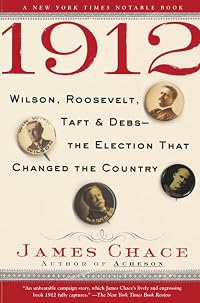
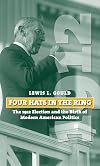
1912: Wilson, Roosevelt, Taft and Debs--The Election that Changed the Country
by James Chace
On This Page
Description
Publisher's description: Four extraordinary men sought the presidency in 1912. Theodore Roosevelt was the charismatic and still wildly popular former president who sought to redirect the Republican Party toward a more nationalistic, less materialistic brand of conservatism and the cause of social justice. His handpicked successor and close friend, William Howard Taft, was a reluctant politician whose sole ambition was to sit on the U.S. Supreme Court. Amiable and easygoing, Taft was the very show more opposite of the restless Roosevelt. After Taft failed to carry forward his predecessor's reformist policies, an embittered Roosevelt decided to challenge Taft for the party's nomination. Thwarted by a convention controlled by Taft, Roosevelt abandoned the GOP and ran in the general election as the candidate of a third party of his own creation, the Bull Moose Progressives. Woodrow Wilson, the former president of Princeton University, astonished everyone by seizing the Democratic nomination from the party bosses who had made him New Jersey's governor. A noted political theorist, he was a relative newcomer to the practice of governing, torn between his fear of radical reform and his belief in limited government. The fourth candidate, labor leader Eugene V. Debs, had run for president on the Socialist ticket twice before. A fervent warrior in the cause of economic justice for the laboring class, he was a force to be reckoned with in the great debate over how to mitigate the excesses of industrial capitalism that was at the heart of the 1912 election. Chace recounts all the excitement and pathos of a singular moment in American history: the crucial primaries, the Republicans' bitter nominating convention that forever split the party, Wilson's stunning victory on the forty-sixth ballot at the Democratic convention, Roosevelt's spectacular coast-to-coast whistle-stop electioneering, Taft's stubborn refusal to fight back against his former mentor, Debs's electrifying campaign appearances, and Wilson's "accidental election" by less than a majority of the popular vote. Had Roosevelt received the Republican nomination, he almost surely would have been elected president once again and the Republicans would likely have become a party of reform. Instead, the GOP passed into the hands of a conservative ascendancy that reached its fullness with Ronald Reagan and George W. Bush, and the party remains to this day riven by the struggle between reform and reaction, isolationism and internationalism. The 1912 presidential contest was the first since the days of Jefferson and Hamilton in which the great question of America's exceptional destiny was debated. 1912 changed America. show lessTags
Recommendations
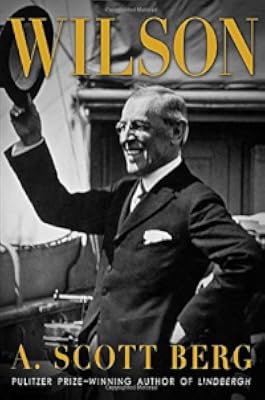
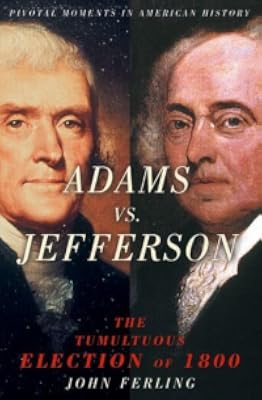
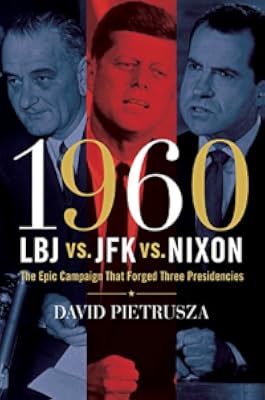
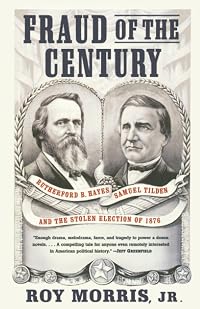








Member Recommendations
Member Reviews
James Chace had an opportunity to tell a great story with his accounting of the Presidential election of 1912. Four very interesting men ran during a time when the US political landscape was changing and some very modern ideas were coming into play - things we take for granted today like an 8 hour workday, minimum wage, food and drug safety protections, regulation of businesses. After all, we had Taft and Teddy Roosevelt splitting the party, Wilson battling the Democratic party bosses, and the peak of the Socialist Party influence with Eugene Debs.
Unfortunately, Chace's retelling is only adequate. He's concise and moves the story along, but never seems to make the people come alive. I can't really recommend the book except to those show more studying the politics and political maneuvering of the era. show less
Unfortunately, Chace's retelling is only adequate. He's concise and moves the story along, but never seems to make the people come alive. I can't really recommend the book except to those show more studying the politics and political maneuvering of the era. show less
The presidential election of 1912 was unique in American history, with four popular and viable candidates for office. The candidates were former president Theodore Roosevelt; sitting president William Taft; eventual winner and future president, Woodrow Wilson; and Eugene Debs, who earned the highest percentage of the electorate of any Socialist Party candidate.
When the election was over Wilson took the presidency. He became the only Democrat to serve as president between 1892 and 1932.
The Republicans, after owning the presidency for the past twenty years, were divided. Roosevelt, known to all as TR, had made his mark as president with a progressive agenda. He was disappointed that his hand-picked successor Taft had let the show more conservative Republican Congress run things. Roosevelt felt he could not in good conscience support Taft for a second term and threw his own hat in the ring.
When Taft outmaneuvered TR for the nomination at the Republican convention Roosevelt struck out on his own and formed the Progressive Party. With TR as it's presidential candidate, it became better known as the Bull Moose party.
Eugene Debs meanwhile, was the perennial candidate for the Socialist Party. But he was also a well respected labor leader and political activist. His candidacy rose in the wave of popularity for the progressive ideas he had long championed. Unfortunately for him, Roosevelt and Wilson took many of his ideas and incorporated them into their own platforms.
In 1912 author James Chace spends as much time on the biographies of the four candidates as he does on the presidential race. Thus, with five story threads to cover in less than 300 pages the book is more atmospheric than it is thorough. He succeeds mostly in giving a good sense of who the four candidates were.
Wilson and Roosevelt play the lead roles in the book. Wilson rose from the presidency of Princeton to the presidency of the United States. Much of his success came when he turned on the political bosses who had supported his run for the governorship of New Jersey. That turn solidified Wilson’s progressive credentials, so important to the 1912 campaign. Still, it took 46 rounds of voting for him to win the nomination at the Democratic convention.
Wilson depended on a “Southern strategy” to get and keep the White House. As a southerner himself he believed in the separation of the races. African Americans saw him as a white supremacist, and he showed them to be right by bringing Jim Crow rules into Federal jobs. He was not particularly fond of immigrants from Eastern Europe either. That issue caused him problems during the 1912 campaign, when he was forced to disown some of his documented statements on immigration.
TR had been unable to see Taft’s presidency as anything other than a poor reflection on him and a threat to his legacy. This blinded him to the potential for working with Taft to put himself back into the Republican nominee role. Instead TR antagonised the President, and forced Taft to run against him for the nomination.
Taft, you see, had never wanted to be president to begin with, being pushed into it by Roosevelt and his ambitious wife. After he lost the presidency in 1912 he finally got his wish to serve as Chief Justice of the Supreme Court. He was nominated to the post by President Harding in 1921. Taft is the only person to have ever been President and Chief Justice.
It is Debs who comes off as the most “modern” of the four. It's his progressive agenda that finally flourished under FDR during the Great Depression. Sadly, Debs didn’t live to see it.
The first decades of the twentieth century in America are a fascinating time. So much change was in the air. 1912 works best as a summary of the four men and their presidential race. It doesn’t go far beyond the summary level to put the race into the context of those times. If you are interested in the timeframe, or in presidential politics, it is a good starting point, but for me it’s a Two Star ⭐⭐ read. show less
When the election was over Wilson took the presidency. He became the only Democrat to serve as president between 1892 and 1932.
The Republicans, after owning the presidency for the past twenty years, were divided. Roosevelt, known to all as TR, had made his mark as president with a progressive agenda. He was disappointed that his hand-picked successor Taft had let the show more conservative Republican Congress run things. Roosevelt felt he could not in good conscience support Taft for a second term and threw his own hat in the ring.
When Taft outmaneuvered TR for the nomination at the Republican convention Roosevelt struck out on his own and formed the Progressive Party. With TR as it's presidential candidate, it became better known as the Bull Moose party.
Eugene Debs meanwhile, was the perennial candidate for the Socialist Party. But he was also a well respected labor leader and political activist. His candidacy rose in the wave of popularity for the progressive ideas he had long championed. Unfortunately for him, Roosevelt and Wilson took many of his ideas and incorporated them into their own platforms.
In 1912 author James Chace spends as much time on the biographies of the four candidates as he does on the presidential race. Thus, with five story threads to cover in less than 300 pages the book is more atmospheric than it is thorough. He succeeds mostly in giving a good sense of who the four candidates were.
Wilson and Roosevelt play the lead roles in the book. Wilson rose from the presidency of Princeton to the presidency of the United States. Much of his success came when he turned on the political bosses who had supported his run for the governorship of New Jersey. That turn solidified Wilson’s progressive credentials, so important to the 1912 campaign. Still, it took 46 rounds of voting for him to win the nomination at the Democratic convention.
Wilson depended on a “Southern strategy” to get and keep the White House. As a southerner himself he believed in the separation of the races. African Americans saw him as a white supremacist, and he showed them to be right by bringing Jim Crow rules into Federal jobs. He was not particularly fond of immigrants from Eastern Europe either. That issue caused him problems during the 1912 campaign, when he was forced to disown some of his documented statements on immigration.
TR had been unable to see Taft’s presidency as anything other than a poor reflection on him and a threat to his legacy. This blinded him to the potential for working with Taft to put himself back into the Republican nominee role. Instead TR antagonised the President, and forced Taft to run against him for the nomination.
Taft, you see, had never wanted to be president to begin with, being pushed into it by Roosevelt and his ambitious wife. After he lost the presidency in 1912 he finally got his wish to serve as Chief Justice of the Supreme Court. He was nominated to the post by President Harding in 1921. Taft is the only person to have ever been President and Chief Justice.
It is Debs who comes off as the most “modern” of the four. It's his progressive agenda that finally flourished under FDR during the Great Depression. Sadly, Debs didn’t live to see it.
The first decades of the twentieth century in America are a fascinating time. So much change was in the air. 1912 works best as a summary of the four men and their presidential race. It doesn’t go far beyond the summary level to put the race into the context of those times. If you are interested in the timeframe, or in presidential politics, it is a good starting point, but for me it’s a Two Star ⭐⭐ read. show less
Chace's little gem of a book traces the stories of the four major candidates of the 1912 election. It maps out the divisions between Roosevelt and Taft, tells the less familiar story of Debs, and what the Socialists of 1912 stood for, and the differences between Wilson the progressive and the other two progressives, Taft and Roosevelt.
The story of this very important election is nicely told in this very accessible book. It will stoke your curiosity and encourage you to read more deeply about each of the various actors.
The story of this very important election is nicely told in this very accessible book. It will stoke your curiosity and encourage you to read more deeply about each of the various actors.
In 1912, the political landscape of the United States was fracturing at the party level. President William Taft, the conservative republican incumbent, had only ever wanted to be on the Supreme Court, but was hand-picked by his progressive predecessor Theodore Roosevelt for the nation’s top office. Two years before, a political disagreement between the two led to internal strife in the GOP. The split led Roosevelt to run from his own party, the Progressive (or Bull Moose) Party. Meanwhile, the Democratic Convention saw New Jersey governor Woodrow Wilson emerge as the candidate after 46 ballots. Lastly, the Socialist candidate Eugene Debs joined the fray. James Chace’s 1912 is a reminder that the more things change, the more they show more stay the same.
Chace's comprehensive account of the election of 1912 between the title characters is interesting in its own right. While the stage contains many, many more characters (each of which get their own mini-biographies in the book), these four are the ones that everyone remembers (although Debs may be a bit of a stretch). Interestingly enough, Wilson managed to win the Electoral College without a majority of the popular vote. The book is not as exciting as one would hope, and the story is communicated with only a modicum of elegance (which is probably as much as can be conveyed in a book about an election). Political scholars should explore this account, but I found it to be slightly wanting in some areas. A middling-well book. show less
Chace's comprehensive account of the election of 1912 between the title characters is interesting in its own right. While the stage contains many, many more characters (each of which get their own mini-biographies in the book), these four are the ones that everyone remembers (although Debs may be a bit of a stretch). Interestingly enough, Wilson managed to win the Electoral College without a majority of the popular vote. The book is not as exciting as one would hope, and the story is communicated with only a modicum of elegance (which is probably as much as can be conveyed in a book about an election). Political scholars should explore this account, but I found it to be slightly wanting in some areas. A middling-well book. show less
The Story Behind a Seminal Election
This is a great story. The election of 1912 was one of the few times since 1804 when the country was given the opportunity to debate its future.
James Chace, a history profession Bard College, spins an interesting and readable story about the four men who sought office. Theodore Roosevelt, a former President, sought to redirect the Republican Party’s focus towards nationalism and social justice.
William Howard Taft, his chosen successor, wanted only to sit on the Supreme Court.
Woodrow Wilson, the former president of Princeton, who surprised himself and the nation by snatching New Jersey governorship without the support of the state’s political bosses.
Eugene Debs, running for the third time as a show more Socialist, sought economic justice for all the country’s workers.
What made the 1912 campaign unusual by today’s standards was the race was punctuated by a basic decency, honesty and quality of debate rarely seen in my lifetime. Chace recounts it all. 1912 changed America. Had Roosevelt been the Republican nominee he almost surely would have been re-elected president. His platform would have transformed his party into the party of reform.
Instead, the GOP passed into a conservative ascendancy that peaked with Ronald Reagan and George W. Bush. Today, the party still struggles between reform and reaction, isolationism and internationalism.
If you are tired of our current quadrennial circus, this trip into our nation’s past may restore your faith in our system. The election of 1912 dealt with substantive issues. The candidates staked out differentiated positions. The nation spoke. Chace relates the story with all the zeal and passion it held for participants and voters in 1912. show less
This is a great story. The election of 1912 was one of the few times since 1804 when the country was given the opportunity to debate its future.
James Chace, a history profession Bard College, spins an interesting and readable story about the four men who sought office. Theodore Roosevelt, a former President, sought to redirect the Republican Party’s focus towards nationalism and social justice.
William Howard Taft, his chosen successor, wanted only to sit on the Supreme Court.
Woodrow Wilson, the former president of Princeton, who surprised himself and the nation by snatching New Jersey governorship without the support of the state’s political bosses.
Eugene Debs, running for the third time as a show more Socialist, sought economic justice for all the country’s workers.
What made the 1912 campaign unusual by today’s standards was the race was punctuated by a basic decency, honesty and quality of debate rarely seen in my lifetime. Chace recounts it all. 1912 changed America. Had Roosevelt been the Republican nominee he almost surely would have been re-elected president. His platform would have transformed his party into the party of reform.
Instead, the GOP passed into a conservative ascendancy that peaked with Ronald Reagan and George W. Bush. Today, the party still struggles between reform and reaction, isolationism and internationalism.
If you are tired of our current quadrennial circus, this trip into our nation’s past may restore your faith in our system. The election of 1912 dealt with substantive issues. The candidates staked out differentiated positions. The nation spoke. Chace relates the story with all the zeal and passion it held for participants and voters in 1912. show less
The author presents a tidy summary of the presidential election of 1912, in which the New Freedom Program of the Democrat Woodrow Wilson was pitted against the New Nationalism of Theodore Roosevelt's Bull Moose Party. Also turning an eye toward the prize were the incumbent Republican President William Howard Taft and the Socialist candidate Eugene V. Debs. With such a dynamic group of personalities, I was expecting a more colorfully told tale. The author ably lays out the issues and events involved, but the narrative is a bit dry.
Taft was uninterested in a second term, but thought Roosevelt too progressive and activist, and so wanted to split the Republican vote and keep him from winning the White House. His conservatism and seeming show more accommodation to party “bosses” had alienated Roosevelt and made a rift in their previous friendship. When Taft rather than Roosevelt won the Republican nomination, Roosevelt supporters broke off and formed a third party.
Debs wanted a more idealistic society in which means of production were owned and controlled by the workers, rather than by a rich ruling class. His obvious sensitivity to suffering won him great personal support throughout the country, although he was generally revered more as a preacher than as a politician.
Wilson began as the candidate who had shown independence to the Democratic machine while serving as Governor of New Jersey. He put his faith in moral rectitude rather than political remedies. Roosevelt, moving leftward, felt that only multifaceted regulation could protect people from the harsher aspects of capitalism. Thus the two leading candidates recapitulated the old Jefferson-Hamilton split of opinion on the philosophy of government: Wilson saw ills being cured by less government and Roosevelt through more regulation.
Perhaps even more importantly for winning votes, a subtle and evil undercurrent underlay the basis of each candidates’ popularity. Roosevelt supported (albeit somewhat tepidly) equal opportunity for blacks. Wilson, a white supremacist, “was seen as a true son of the South” and thus his backing by the southern states was unimpeachable.
After Wilson was elected, he was able to revert to the self-righteous religious rigidity that had characterized his tenure as the President of Princeton University. He considered himself to be “the personal instrument of God.” But a near-fatal stroke in the fall of 1919 sidelined Wilson for the rest of his second term. Roosevelt had died that January, and Debs had been imprisoned by Wilson. Taft, teaching at Yale Law School, was hoping for a future appointment to the Supreme Court. Thus political posturing for the next presidential election took place largely without these four men. The Republican party, however, according to Chace, was forever altered: “For the rest of the century and even into the next, the Republican Party was riven by the struggle between reform and reaction, and between unilateralism in foreign relations and cosmopolitan internationalism.” Likewise, the presidency had been changed as well. The legacy of both Roosevelt and Wilson “was the use of centralized power to create greater democracy” – a unity, so the author contends, of the ideals of both Hamilton and Jefferson. show less
Taft was uninterested in a second term, but thought Roosevelt too progressive and activist, and so wanted to split the Republican vote and keep him from winning the White House. His conservatism and seeming show more accommodation to party “bosses” had alienated Roosevelt and made a rift in their previous friendship. When Taft rather than Roosevelt won the Republican nomination, Roosevelt supporters broke off and formed a third party.
Debs wanted a more idealistic society in which means of production were owned and controlled by the workers, rather than by a rich ruling class. His obvious sensitivity to suffering won him great personal support throughout the country, although he was generally revered more as a preacher than as a politician.
Wilson began as the candidate who had shown independence to the Democratic machine while serving as Governor of New Jersey. He put his faith in moral rectitude rather than political remedies. Roosevelt, moving leftward, felt that only multifaceted regulation could protect people from the harsher aspects of capitalism. Thus the two leading candidates recapitulated the old Jefferson-Hamilton split of opinion on the philosophy of government: Wilson saw ills being cured by less government and Roosevelt through more regulation.
Perhaps even more importantly for winning votes, a subtle and evil undercurrent underlay the basis of each candidates’ popularity. Roosevelt supported (albeit somewhat tepidly) equal opportunity for blacks. Wilson, a white supremacist, “was seen as a true son of the South” and thus his backing by the southern states was unimpeachable.
After Wilson was elected, he was able to revert to the self-righteous religious rigidity that had characterized his tenure as the President of Princeton University. He considered himself to be “the personal instrument of God.” But a near-fatal stroke in the fall of 1919 sidelined Wilson for the rest of his second term. Roosevelt had died that January, and Debs had been imprisoned by Wilson. Taft, teaching at Yale Law School, was hoping for a future appointment to the Supreme Court. Thus political posturing for the next presidential election took place largely without these four men. The Republican party, however, according to Chace, was forever altered: “For the rest of the century and even into the next, the Republican Party was riven by the struggle between reform and reaction, and between unilateralism in foreign relations and cosmopolitan internationalism.” Likewise, the presidency had been changed as well. The legacy of both Roosevelt and Wilson “was the use of centralized power to create greater democracy” – a unity, so the author contends, of the ideals of both Hamilton and Jefferson. show less
4221. 1912 Wilson, Roosevelt, Taft & Debs--the Election That Changed the Country, by James Chace (read 22 Oct 2006) This is a 2004 book, with interesting chapters but not much original research. The accounts of the 1912 Democratic and Republican conventions are of much interest. (In September of 1945 I read the official published accounts of both.) Reading the book one comes to understand how Teddy Roosevelt might have thought he could win, especially after he got shot on 14 Oct 1912. An interesting book on super-interesting events.
Members
- Recently Added By
Lists

What A Year: Books titled with a particular year
147 works; 2 members
Author Information

12+ Works 669 Members
James Chace is the Paul W. Williams Professor of Government and Public Law at Bard College. The former managing editor of Foreign Affairs and editor of World Policy Journal, he is the author of eight previous books
Common Knowledge
- People/Characters
- Woodrow Wilson; Theodore Roosevelt; William Howard Taft; Eugene V. Debs; Warren G. Harding; Charles Evans Hughes
Classifications
- Genres
- History, Nonfiction, General Nonfiction, Politics and Government, Biography & Memoir
- DDC/MDS
- 324.973 — Society, government, & culture Political science Politics & Elections Biography And History North America United States
- LCC
- E765 .C47 — History of the United States United States Twentieth century Taft's administration, 1909-1913
- BISAC
Statistics
- Members
- 425
- Popularity
- 72,489
- Reviews
- 13
- Rating
- (3.62)
- Languages
- English
- Media
- Paper, Ebook
- ISBNs
- 3
- ASINs
- 2