On This Page
Description
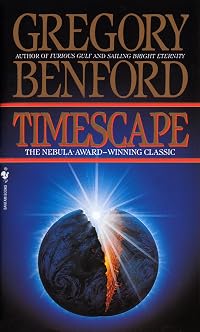
Winner of the 1980 Nebula Award, Timescape has since become a classic of the science fiction genre, combining hard science, bold speculation, and human drama--a challenging and triumphant tale told by a master storyteller. 1998. Earth is falling apart, on the brink of ecological disaster. But in England a tachyon scientist is attempting to contact the past, to somehow warn them of the misery and death their actions and experiments have visited upon a ravaged planet. 1962. JFK is still show more president, rock 'n' roll is king, and the Vietnam War hardly merits front-page news. A young assistant researcher at a California university, Gordon Bernstein, notices strange patterns of interference in a lab experiment. Against all odds, facing ridicule and opposition, Bernstein begins to uncover the incredible truth . . . a truth that will change his life and alter history . . . the truth behind time itself. show lessTags
Recommendations
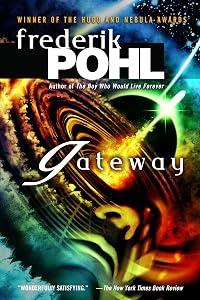
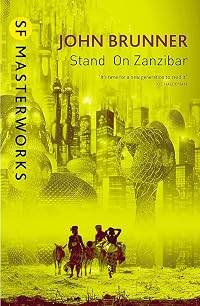
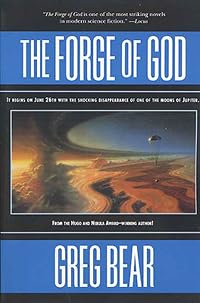
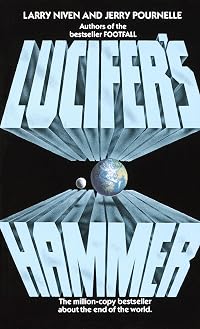

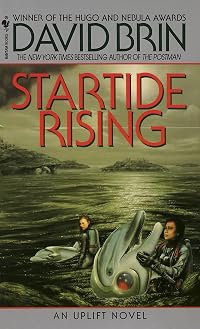
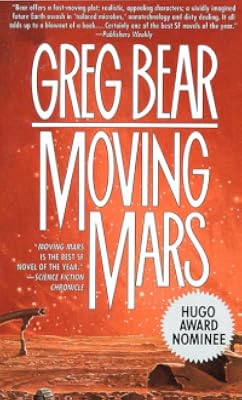
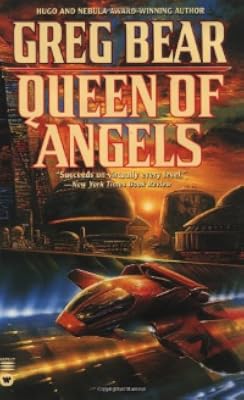


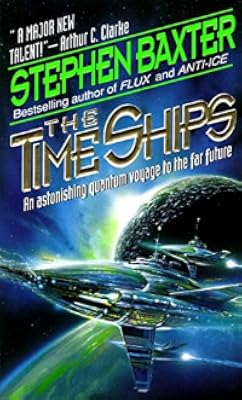
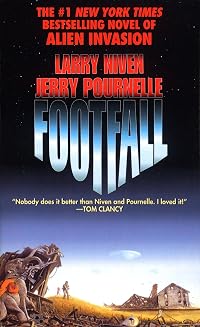
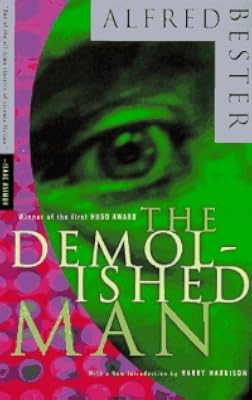
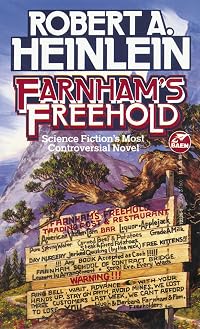

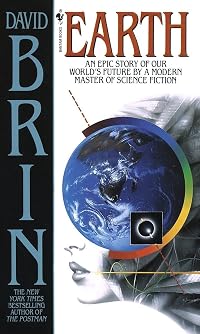
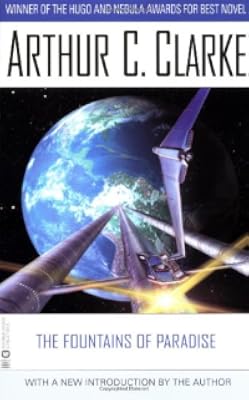


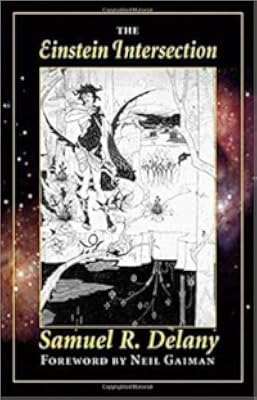
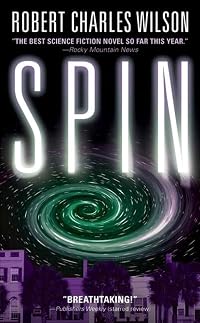
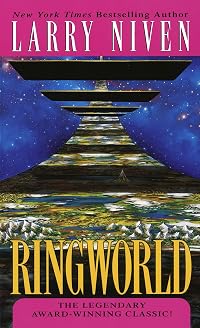
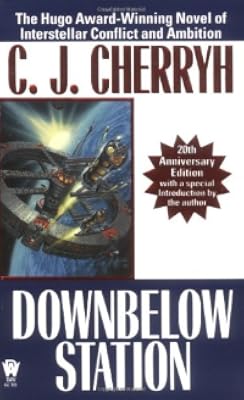


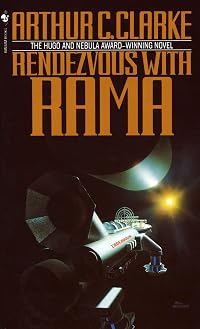
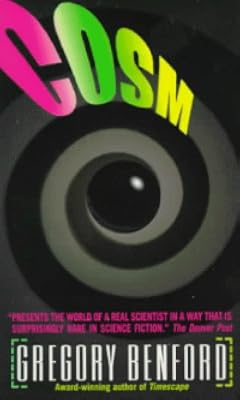
Member Recommendations
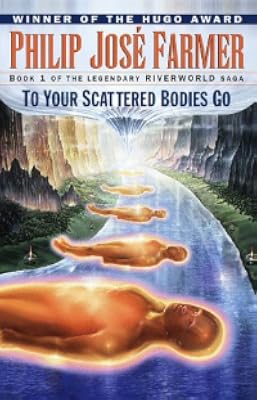
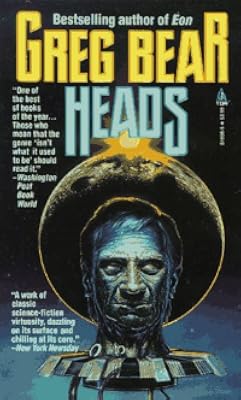
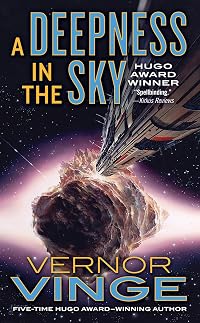
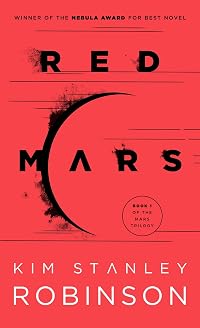
AlanPoulter Both these novels use twin themes to explore the use of science in understanding and changing the world
Member Reviews
This science-fiction classic is lauded for marrying hard physics-based sci fi with strong character stories, but the characters were precisely the reason I didn’t like the book. The plot is intriguing: in a future (actually 1998) plagued by environmental catastrophes, a couple of physicists hatch a plan to send a message back in time, hoping that the scientists of the past can avert the catastrophe. But I couldn’t get into the story because all of the characters were unlikeable, stereotyped or just plain flat.
For example, in an early chapter, the wife of one of the physicists is approached by a squatter asking for some milk for her child. She refuses, saying she only has enough for her family. Okay, I can understand that reaction; show more food supplies are obviously running short. But then, a few days later, she hosts a lavish dinner party for her friends, where she serves three desserts! This brought to mind what I most dislike about humans and what is really at the root of a lot of our problems, including climate change: that we can rationalize that avoiding our own minor discomforts and deprivations is more important than helping to meet the basic needs of a fellow human being. I really couldn’t like any of the characters after that scene, no matter how hard they tried to save the world. show less
For example, in an early chapter, the wife of one of the physicists is approached by a squatter asking for some milk for her child. She refuses, saying she only has enough for her family. Okay, I can understand that reaction; show more food supplies are obviously running short. But then, a few days later, she hosts a lavish dinner party for her friends, where she serves three desserts! This brought to mind what I most dislike about humans and what is really at the root of a lot of our problems, including climate change: that we can rationalize that avoiding our own minor discomforts and deprivations is more important than helping to meet the basic needs of a fellow human being. I really couldn’t like any of the characters after that scene, no matter how hard they tried to save the world. show less
La historia transcurre en dos frentes:
1998. La Tierra está sometida a un desastre ecológico sin precedentes, los océanos están siendo arrasados por diferentes tipos de contaminación provenientes de fertilizantes, lo que ha provocado toda una serie de reacciones en todos los niveles. En Cambridge reside John Renfrew, un físico que está trabajando en un proyecto que podría salvar el planteta: mediante taquiones (partículas que viajan más rápido que la luz) se pueden mandar mensajes al pasado avisando de los peligros futuros y así darles solución y cambiar la historia. Además de Renfrew, los capítulos de esta parte de la novela tienen como protagonistas a Marjorie, la esposa de John; a Peterson, un miembro del Consejo show more Mundial de Energía; y Markham, matemático que trabaja con Renfrew.
1962. La Jolla, California. Gordon Bernstein trabaja en un experimento realizando diversas mediciones, cuando detecta un ruido residual. Lo que aparentemente parece un simple ruido, resulta ser un mensaje sin sentido, del cuál no se sabe la procedencia. Bernstein es el protagonista absoluto de estos capítulos, que tienen como base de la trama su experimento y los problemas a los que se ve abocado en su universidad, donde las relaciones con el resto de colegas y el publicar artículos, lo son todo para un joven profesor. La relación con su pareja, Penny, profesora de literatura, completa esta parte de la historia.
'Cronopaisaje' fue una novela que obtuvo cuatro de los más prestigiosos premios de la ciencia ficción: el Hugo, el Nebula, el Premio de la Asociación Británica y el John W. Campbell. Pero esto no siempre es síntoma para encontrarse una gran novela. Quien espere una historia con acción trepidante, no la va a encontrar aquí. Todo transcurre pausadamente, siendo la base principal del libro las relaciones de los personajes. La parte científica está bien resuelta, sobre todo las paradojas temporales, que Benford explica de manera correcta, y problemas como ¿qué pasaría si un mensaje enviado al pasado provocase la muerte de mi abuelo? ¿dejaría de existir? ¿y entonces el mensaje nunca se hubiese enviado? están bien resueltos. Estas explicaciones, que intentan acercarse a la ciencia desde un punto de vista realista, dan verisimilitud a la novela.
El libro no me ha gustado excesivamente. Quise leerlo pensando que me encontraría una buena historia de ciencia ficción, pero lo cierto es que bien podría pasar por una historia costumbrista. Pese a no aburrir, carece de interés en algunas partes, y no deja imágenes memorables. En este sentido, me quedo únicamente con la parte de Bernstein y Penny. show less
1998. La Tierra está sometida a un desastre ecológico sin precedentes, los océanos están siendo arrasados por diferentes tipos de contaminación provenientes de fertilizantes, lo que ha provocado toda una serie de reacciones en todos los niveles. En Cambridge reside John Renfrew, un físico que está trabajando en un proyecto que podría salvar el planteta: mediante taquiones (partículas que viajan más rápido que la luz) se pueden mandar mensajes al pasado avisando de los peligros futuros y así darles solución y cambiar la historia. Además de Renfrew, los capítulos de esta parte de la novela tienen como protagonistas a Marjorie, la esposa de John; a Peterson, un miembro del Consejo show more Mundial de Energía; y Markham, matemático que trabaja con Renfrew.
1962. La Jolla, California. Gordon Bernstein trabaja en un experimento realizando diversas mediciones, cuando detecta un ruido residual. Lo que aparentemente parece un simple ruido, resulta ser un mensaje sin sentido, del cuál no se sabe la procedencia. Bernstein es el protagonista absoluto de estos capítulos, que tienen como base de la trama su experimento y los problemas a los que se ve abocado en su universidad, donde las relaciones con el resto de colegas y el publicar artículos, lo son todo para un joven profesor. La relación con su pareja, Penny, profesora de literatura, completa esta parte de la historia.
'Cronopaisaje' fue una novela que obtuvo cuatro de los más prestigiosos premios de la ciencia ficción: el Hugo, el Nebula, el Premio de la Asociación Británica y el John W. Campbell. Pero esto no siempre es síntoma para encontrarse una gran novela. Quien espere una historia con acción trepidante, no la va a encontrar aquí. Todo transcurre pausadamente, siendo la base principal del libro las relaciones de los personajes. La parte científica está bien resuelta, sobre todo las paradojas temporales, que Benford explica de manera correcta, y problemas como ¿qué pasaría si un mensaje enviado al pasado provocase la muerte de mi abuelo? ¿dejaría de existir? ¿y entonces el mensaje nunca se hubiese enviado? están bien resueltos. Estas explicaciones, que intentan acercarse a la ciencia desde un punto de vista realista, dan verisimilitud a la novela.
El libro no me ha gustado excesivamente. Quise leerlo pensando que me encontraría una buena historia de ciencia ficción, pero lo cierto es que bien podría pasar por una historia costumbrista. Pese a no aburrir, carece de interés en algunas partes, y no deja imágenes memorables. En este sentido, me quedo únicamente con la parte de Bernstein y Penny. show less
This is a novel of scientific discovery that does not neglect the story of the people who make the science. It is a better novel as much due to both its fusion of detailed character development and interpersonal drama and the science fiction narrative that includes time travel, an alternate reality, and ecological issues.
The story is written from two viewpoints, equidistant from the novel's publication in 1980. One narrative is set in a 1998 ravaged by ecological disasters and is on the brink of large scale extinctions. It follows a group of scientists in the United Kingdom connected with the University of Cambridge and their attempts to warn the past of the impending disaster by sending tachyon-induced messages to the astronomical show more position the Earth occupied in 1962–1963. Given the faster-than-light nature of the tachyon, these messages will effectively reach the past. These efforts are led by John Renfrew, an Englishman, and Gregory Markham, an American most likely modeled on Benford himself.
Another narrative is set in La Jolla, California at the University of California-San Diego in 1962, where a young scientist, Gordon Bernstein, discovers anomalous noise in a physics experiment relating to spontaneous resonance and indium antimonide. He and his student assistant, Albert Cooper (also likely based on the author and his experiences at UCSD), discover that the noise is coming in bursts timed to form Morse code.
The resulting message is made of staccato sentence fragments and jumbled letters, due to the 1998 team's efforts to avoid a grandfather paradox. Their aim is to give the past researchers enough information to start efforts on solving the pending ecological crisis, but not enough that the crisis will be entirely solved (thus making a signal to the past unnecessary and creating a paradox). Due to the biological nature of the message, Professor Bernstein shares the message with a professor of biology, Michael Ramsey. Since the message also gives astronomical coordinates, he also shares it with Saul Shriffer, a fictional scientist who is said to have worked with Frank Drake on Project Ozma. Initially, these characters fail to understand the true meaning of the message. Ramsey believes it to be an intercepted military dispatch hinting at Soviet bioterrorism, while Shriffer thinks the message is of extraterrestrial origin. Shriffer goes public with this theory, mentioning Bernstein in his findings. However, Bernstein's overseer, Isaac Lakin, is skeptical of the messages and wants Bernstein to keep working on his original project and ignore the signal. As a result of this interruption in their experimentation, Bernstein is denied a promotion and Cooper fails a candidacy examination. The signal also exacerbates difficulties in Bernstein's relationship with his girlfriend, Penny.
In 1998, Peterson recovers a safe deposit box in La Jolla containing a piece of paper indicating that the messages were received. Meanwhile, it is clear that the viral nature of the algal bloom is spreading it faster and through more mediums than originally expected. Strange yellow clouds that have been appearing are said to be a result of the viral material being absorbed through the water cycle, and it soon affects the planet's agriculture as well, resulting in widespread cases of food poisoning. Flying to the United States, Markham is killed in a plane crash when the pilots fly too close to one of the clouds and experience seizures.
In the past narrative, now advanced into 1963, Bernstein refuses to give up on the signals. He is rewarded when the signal noise is also observed in a laboratory at Columbia University (a nod "Tachyons were the sort of audacious idea that comes to young minds used to roving over the horizon of conventional thought. Because of Feinberg I later set part of my tachyon novel at Columbia towards the inventor of the tachyon concept, Gerald Feinberg of Columbia). Using hints in the message, Ramsey replicates the conditions of the bloom in a controlled experiment and realizes the danger it represents. Bernstein finds out that the astronomical coordinates given in the message represent where the Earth will be in 1998 due to the solar apex. He also receives a more coherent, despairing message from the future. Having built a solid case, Bernstein goes public and publishes his results.
The remainder of the story involves the possibility of an alternate reality and some surprising consequences. The combination of science, the impact of the scientists' work on their interpersonal relations, and the impact of the science itself on the future made this an excellent work of science fiction. It is no surprise that it won several awards including the Nebula Award in 1980. show less
The story is written from two viewpoints, equidistant from the novel's publication in 1980. One narrative is set in a 1998 ravaged by ecological disasters and is on the brink of large scale extinctions. It follows a group of scientists in the United Kingdom connected with the University of Cambridge and their attempts to warn the past of the impending disaster by sending tachyon-induced messages to the astronomical show more position the Earth occupied in 1962–1963. Given the faster-than-light nature of the tachyon, these messages will effectively reach the past. These efforts are led by John Renfrew, an Englishman, and Gregory Markham, an American most likely modeled on Benford himself.
Another narrative is set in La Jolla, California at the University of California-San Diego in 1962, where a young scientist, Gordon Bernstein, discovers anomalous noise in a physics experiment relating to spontaneous resonance and indium antimonide. He and his student assistant, Albert Cooper (also likely based on the author and his experiences at UCSD), discover that the noise is coming in bursts timed to form Morse code.
The resulting message is made of staccato sentence fragments and jumbled letters, due to the 1998 team's efforts to avoid a grandfather paradox. Their aim is to give the past researchers enough information to start efforts on solving the pending ecological crisis, but not enough that the crisis will be entirely solved (thus making a signal to the past unnecessary and creating a paradox). Due to the biological nature of the message, Professor Bernstein shares the message with a professor of biology, Michael Ramsey. Since the message also gives astronomical coordinates, he also shares it with Saul Shriffer, a fictional scientist who is said to have worked with Frank Drake on Project Ozma. Initially, these characters fail to understand the true meaning of the message. Ramsey believes it to be an intercepted military dispatch hinting at Soviet bioterrorism, while Shriffer thinks the message is of extraterrestrial origin. Shriffer goes public with this theory, mentioning Bernstein in his findings. However, Bernstein's overseer, Isaac Lakin, is skeptical of the messages and wants Bernstein to keep working on his original project and ignore the signal. As a result of this interruption in their experimentation, Bernstein is denied a promotion and Cooper fails a candidacy examination. The signal also exacerbates difficulties in Bernstein's relationship with his girlfriend, Penny.
In 1998, Peterson recovers a safe deposit box in La Jolla containing a piece of paper indicating that the messages were received. Meanwhile, it is clear that the viral nature of the algal bloom is spreading it faster and through more mediums than originally expected. Strange yellow clouds that have been appearing are said to be a result of the viral material being absorbed through the water cycle, and it soon affects the planet's agriculture as well, resulting in widespread cases of food poisoning. Flying to the United States, Markham is killed in a plane crash when the pilots fly too close to one of the clouds and experience seizures.
In the past narrative, now advanced into 1963, Bernstein refuses to give up on the signals. He is rewarded when the signal noise is also observed in a laboratory at Columbia University (a nod "Tachyons were the sort of audacious idea that comes to young minds used to roving over the horizon of conventional thought. Because of Feinberg I later set part of my tachyon novel at Columbia towards the inventor of the tachyon concept, Gerald Feinberg of Columbia). Using hints in the message, Ramsey replicates the conditions of the bloom in a controlled experiment and realizes the danger it represents. Bernstein finds out that the astronomical coordinates given in the message represent where the Earth will be in 1998 due to the solar apex. He also receives a more coherent, despairing message from the future. Having built a solid case, Bernstein goes public and publishes his results.
The remainder of the story involves the possibility of an alternate reality and some surprising consequences. The combination of science, the impact of the scientists' work on their interpersonal relations, and the impact of the science itself on the future made this an excellent work of science fiction. It is no surprise that it won several awards including the Nebula Award in 1980. show less
There are two timelines in this story: one in sort-of mid-apocalyptic 1998, when algae blooms and mass extinctions have triggered the beginning of the end it seems, and one in 1962, when scientists at UCLA are conducting some sort of physics experiment involving tachyons...? Anyway, the future scientists (aka those in 1998 - the book was published in 1980) figure out that they can send a message via tachyons to the 1962 scientists, warning them of the impending doom. But they don't want to make it too clear or else the Grandfather Paradox would kick in and...it...wouldn't...work? But somehow it sort of doesn't work anyway (but also sort of does), because, I'm guessing, butterfly wings and then Kennedy gets shot but not killed? Because show more physics! Gah. I give up. There's way too much science talk and not nearly enough make-it-make-sense-to-the-reader talk. I got confused. And then I got bored. Which I think would have happened without the confusion - it takes just this side of forever for any actual plot to be bothered to happen. So nope, this one didn't really work for me. show less
Timescape is one of my favorite sci-fi novels. I first read it around 1990 and recently finished my third reading. The characters are varied and complex, yet I don't find myself relating to any of them very well. Instead, I enjoy the detailed discussions of the science, how science is performed as well as descriptions of the academic environment. The realism can be attributed to Benford's practice as an astrophysicist at UC, Irvine. More importantly, the story is an interesting, unfolding mystery posing questions involving possible communications between time and multiverses.
One timeline within the story occurs in 1963. The other timeline is in 1998, which, at the time of it's writing, was a good 18 years in the future. Consequently, show more when reading it today, one finds that the 1998 "future" misses the mark on several occasions. I found myself able to ignore those issues and think of the future timeline as simply an alternate universe not incompatible with a near future of my own timeline.
Each time I've read through the book, I've understood a little more given it's many cultural references. For example, one character in the 1963 timeline mentions a new Phil Dick book titled: "The Man in the High Castle". While I haven't read this book, I did recognize it as a recent TV series produced by Amazon. show less
One timeline within the story occurs in 1963. The other timeline is in 1998, which, at the time of it's writing, was a good 18 years in the future. Consequently, show more when reading it today, one finds that the 1998 "future" misses the mark on several occasions. I found myself able to ignore those issues and think of the future timeline as simply an alternate universe not incompatible with a near future of my own timeline.
Each time I've read through the book, I've understood a little more given it's many cultural references. For example, one character in the 1963 timeline mentions a new Phil Dick book titled: "The Man in the High Castle". While I haven't read this book, I did recognize it as a recent TV series produced by Amazon. show less
This is probably the best book about time I've ever read.
The fact that Gregory Benford is a physicist is obvious throughout the book.
First, to the questions regarding time travel, time paradoxes, alternate universes, he gives his well documented answers in accordance with modern physics, and they are bewildering by the fact that they do not contradict what we know so far about this universe.
Whenever I read something about time travel I say to myself nice story" but never take it seriously. This is not the case here - this book raises questions about the very essence of time. What is time, really?
Second, Benford does a good job in describing the world of the scientists - his characters are well portrayed and interesting.
This is SF at show more its best. It will teach you something about physics, it will make you sympathise with the characters and it will make an exciting and intriguing reading." show less
The fact that Gregory Benford is a physicist is obvious throughout the book.
First, to the questions regarding time travel, time paradoxes, alternate universes, he gives his well documented answers in accordance with modern physics, and they are bewildering by the fact that they do not contradict what we know so far about this universe.
Whenever I read something about time travel I say to myself nice story" but never take it seriously. This is not the case here - this book raises questions about the very essence of time. What is time, really?
Second, Benford does a good job in describing the world of the scientists - his characters are well portrayed and interesting.
This is SF at show more its best. It will teach you something about physics, it will make you sympathise with the characters and it will make an exciting and intriguing reading." show less
Dull, with a soupçon of “women are not important” (and I’m a man myself), characters who lack character and are hard to tell apart, and so far (I’m a third in) nothing has happened. Long passages of people explaining things to one another that they ought to know already. No charm, no surprises, and a very uninspired imagining of the near future (at the time). It gets 2 stars for being competently written (I try to save 1 star for "how did this get published???" books), but I am clearly the other end of the target market for this kind of fiction, and I'm stunned that it would win any award, let alone something so major.
Time to abandon and find something more fulfilling.
Time to abandon and find something more fulfilling.
Members
- Recently Added By
Lists

Best Science Fiction Novels
816 works; 430 members

Best Time Travel Novels
165 works; 125 members

S.F. Masterworks (Complete)
229 works; 15 members

Nebula Award
111 works; 14 members

Biggest Disappointments
606 works; 168 members

Fiction for Readers Who Love Science and Math
57 works; 15 members

David Pringle's Science Fiction: The 100 Best Novels
101 works; 9 members

SF Masterworks
193 works; 8 members

Books Read in 2020
4,379 works; 123 members
Books Read in 2018
4,360 works; 110 members

1980 great books
63 works; 1 member

Books Read in 2026
2,148 works; 70 members
Author Information

Gregory Benford, was born on January 30, 1941 in Mobile, Alabama. He is a physicist and science fiction writer who earned his Ph.D. from the University of California, San Diego, in 1967. He is a Woodrow Wilson Fellow and a consultant for NASA. Benford's first novel "Deeper than the Darkness" (1970), which was revised as "The Stars in Shroud" show more (1978), gave him notice as a serious Science Fiction writer. His most popular work is "Timescape" (1980), which was the winner of the Nebula and John W. Campbell Memorial Awards; it presented a hard physics approach to limited time travel. "In the Ocean of Night" (1977), "Across the Sea of Suns" (1984), "Great Sky River" (1987), "Tides of Light" (1989) and "Furious Gulf" (1994) were all a part of the Galactic Cluster Series. He has also written the juvenile novel "Jupiter Project" (1975), "Against Infinity" (1983) and the thriller "Artifact" (1985). He has been nominated for 12 Nebula Awards (winning for "Timescape" and for the novelette, "If the Stars are Gods"). Benford, writing alternately with Bruce Sterling, produces science fact articles for the Magazine of Fantasy and Science Fiction. They took over after the death of regular columnist Isaac Asimov. He has also co-edited theme anthologies with Martin H. Greenburg, which include "Hitler Victorious" (1986), "Nuclear War" (1988), "What Might Have Been, Volume 1: Alternate Empires" (1988), "Volume 2: Alternate Heroes" (1989) and "Volume 3: Alternate Wars." (Bowker Author Biography) show less
Some Editions
Awards and Honors
Awards
Distinctions
Notable Lists
Series

Belongs to Publisher Series
Work Relationships
Common Knowledge
- Canonical title*
- Zeitschaft
- Original title
- Timescape
- Original publication date
- 1980; 1980-07
- People/Characters
- John Renfrew; Gregory Markham; Ian Peterson; Gordon Bernstein; Albert Cooper; Michael Ramsey (show all 8); Saul Shriffer; Isaac Lakin
- Important places
- La Jolla, California, USA; Cambridge, Cambridgeshire, England, UK
- Epigraph*
- Absolute, wahre und mathematische Zeit fließt, aus der ihr eigenen Natur, gleichförmig, ohne Beziehung zu äußeren Gegebenheiten.
NEWTON
Wie ist es möglich, den Unterschied zwischen Vergangenheit und Zukunft zu erklären, wenn einem die Gesetze der Physik nur Symmetrie der Zeit demonstrieren?!... Die heutige Physik enthält keinerlei Annahmen einer fließende... (show all)n Zeit oder eines sich bewegenden augenblicklichen Moments.
P.C. DAVIES
The Physics of Time Asymmetry
1974 - Dedication
- To Richard Curtis with thanks
- First words
- Remember to smile a lot, John Renfrew thought morbidly. People seemed to like that.
- Last words
- (Click to show. Warning: May contain spoilers.)And he thought of Markham and his mother and all these uncountable people, never loosening their grip on their hopes, and their strange human sense, their last illusion, that no matter how the days moved through them, there always remained the pulse of things coming, the sense that even now there was yet still time.
- Blurbers
- Burgess, Anthony; Miller, Walter M., Jr.; McAuley, Paul J.; Aldiss, Brian; Winegrove, David; Samuelson, David (show all 7); Bishop, Michael
- Original language
- English
*Some information comes from Common Knowledge in other languages. Click "Edit" for more information.
Classifications
Statistics
- Members
- 2,346
- Popularity
- 8,448
- Reviews
- 39
- Rating
- (3.51)
- Languages
- 7 — English, French, German, Hebrew, Italian, Romanian, Spanish
- Media
- Paper, Audiobook, Ebook
- ISBNs
- 25
- ASINs
- 19