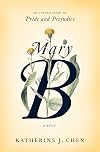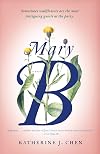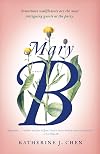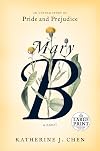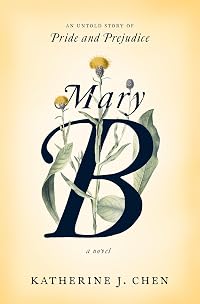
Mary B
by Katherine J. Chen
On This Page
Description
The overlooked middle sister in Jane Austen's Pride and Prejudice casts off her prim exterior and takes center stage in this fresh retelling of the classic novel. I will tell you the story of how I knew myself to be plain and therefore devoid of the one virtue which it behooves every woman to have. What is to be done with Mary Bennet? She possesses neither the beauty of her eldest sister, Jane, nor the high-spirited charm of second-born Lizzy. Even compared to her frivolous younger siblings, show more Kitty and Lydia, Mary knows she is lacking in the ways that matter for single, not-so-well-to-do women in nineteenth-century England who must secure their futures through the finding of a husband. As her sisters wed, one by one, Mary pictures herself growing old, a spinster with no estate to run or children to mind, dependent on the charity of others. At least she has the silent rebellion and secret pleasures of reading and writing to keep her company. But even her fictional creations are no match for the scandal, tragedy, and romance that eventually visit Mary's own life. In Mary B, readers are transported beyond the center of the ballroom to discover that wallflowers are sometimes the most intriguing guests at the party. Beneath Mary's plain appearance and bookish demeanor simmers an inner life brimming with passion, humor, and imagination--and a voice that demands to be heard. Set before, during, and after the events of Pride and Prejudice, Katherine J. Chen's vividly original debut novel pays homage to a beloved classic while envisioning a life that is difficult to achieve in any era: that of a truly independent woman. show lessTags
Recommendations








Member Reviews
I have to admit that I never really wondered what happened to Mary Bennett after the closing lines of Pride & Prejudice. And I smiled and laughed at the subtle humor Jane Austen used in portraying Mary's opinions, her unattractiveness, and sullen behavior in social situations in comparison with her other four sisters. I glossed over Mary as just a plot point, an unimportant side character. I never really gave her much thought. Until now.
Mary B is a re-telling and continuation of the Pride and Prejudice story from Mary Bennett's point of view. Mary starts out by saying that she realized at a very young age that she was totally plain and that this one fact would effect her entire life. She wouldn't be considered a prize for marriage or show more ever be a contender for her parent's love, affection, or pride because she would be over-shadowed in entirety by all of her other sisters. Then she tells the familiar classic story from her vantage point. Is she morose, jealous, insecure, whiny and at times vindictive? Yep. But, she is the middle child in the center of a classic novel people have been reading for more than 200 years. In all those 200 years nobody ever thought to ask what happened to poor Mary Bennett when her pretty sisters left. Jane Austen didn't even care enough about the character to give a hint at the end of P&P. Mary just disappeared. *Poof* Not important.
Many will balk at the idea of the P&P canon being challenged when characters put forth as kind and intelligent show themselves to also be a bit vain, mean, and even careless. But, it must be kept in mind that this re-telling is from the perspective of a middle child who sees her sisters in a different light than anyone else. She lives with them, eats with them, watches their behavior.....and colors everything with the backlash of her emotions as the plain one, the one nobody wants or cares about.
I found this book to be well-written....a creative and brave debut novel! Taking classic, beloved characters and giving them a bit of a public dressing down opens a story up to backlash from loyal readers of the original. Judging from some of the reviews I read, some just couldn't "connect" with this book. They love Lizzy and Jane.....and didn't care about some side character's jealousies and feelings. Understandable. But, I put my feelings about Jane, Lizzy and all of Austen's intentions for her characters aside for awhile, and just let Chen tell Mary's story. The story gives insight not only into Mary and the Bennetts, but also into the characters of Mr. Darcy, Mr. Collins, and Col. Fitzwilliam outside of the confines of the original novel (which is also a brave move on the part of the author). Did I agree with all of it? No. I felt that Mary's side of things was perhaps a bit too harsh, pessimistic and dark. But......Mary feels slighted by her family and everyone around her. Of course her view of everything would be pessimistic and dark.
All in all, I enjoyed this book. I like the original better and always will. It's a classic...and perfect the way it is. It is Mary's fate to be a side character included in the story only to further the tale of Lizzy and Darcy, Jane and Bingley. Just like Kitty and Lydia who pretty much got dumped unceremoniously at the end....Mary flings off into nothingness at the close of P&P. She was never a fully developed character, but a caricature of the less attractive sister who is an embarrassment and impediment for her elder sisters.
Mary B is Katherine Chen's debut novel. I would definitely read more by this author. I like her writing style. The story concept is interesting and very creative. The tale kept my attention from beginning to end, even if I did disagree with some of the characterizations and events.
**I voluntarily read an advanced readers copy of this book from Random House via NetGalley. All opinions expressed are entirely my own.** show less
Mary B is a re-telling and continuation of the Pride and Prejudice story from Mary Bennett's point of view. Mary starts out by saying that she realized at a very young age that she was totally plain and that this one fact would effect her entire life. She wouldn't be considered a prize for marriage or show more ever be a contender for her parent's love, affection, or pride because she would be over-shadowed in entirety by all of her other sisters. Then she tells the familiar classic story from her vantage point. Is she morose, jealous, insecure, whiny and at times vindictive? Yep. But, she is the middle child in the center of a classic novel people have been reading for more than 200 years. In all those 200 years nobody ever thought to ask what happened to poor Mary Bennett when her pretty sisters left. Jane Austen didn't even care enough about the character to give a hint at the end of P&P. Mary just disappeared. *Poof* Not important.
Many will balk at the idea of the P&P canon being challenged when characters put forth as kind and intelligent show themselves to also be a bit vain, mean, and even careless. But, it must be kept in mind that this re-telling is from the perspective of a middle child who sees her sisters in a different light than anyone else. She lives with them, eats with them, watches their behavior.....and colors everything with the backlash of her emotions as the plain one, the one nobody wants or cares about.
I found this book to be well-written....a creative and brave debut novel! Taking classic, beloved characters and giving them a bit of a public dressing down opens a story up to backlash from loyal readers of the original. Judging from some of the reviews I read, some just couldn't "connect" with this book. They love Lizzy and Jane.....and didn't care about some side character's jealousies and feelings. Understandable. But, I put my feelings about Jane, Lizzy and all of Austen's intentions for her characters aside for awhile, and just let Chen tell Mary's story. The story gives insight not only into Mary and the Bennetts, but also into the characters of Mr. Darcy, Mr. Collins, and Col. Fitzwilliam outside of the confines of the original novel (which is also a brave move on the part of the author). Did I agree with all of it? No. I felt that Mary's side of things was perhaps a bit too harsh, pessimistic and dark. But......Mary feels slighted by her family and everyone around her. Of course her view of everything would be pessimistic and dark.
All in all, I enjoyed this book. I like the original better and always will. It's a classic...and perfect the way it is. It is Mary's fate to be a side character included in the story only to further the tale of Lizzy and Darcy, Jane and Bingley. Just like Kitty and Lydia who pretty much got dumped unceremoniously at the end....Mary flings off into nothingness at the close of P&P. She was never a fully developed character, but a caricature of the less attractive sister who is an embarrassment and impediment for her elder sisters.
Mary B is Katherine Chen's debut novel. I would definitely read more by this author. I like her writing style. The story concept is interesting and very creative. The tale kept my attention from beginning to end, even if I did disagree with some of the characterizations and events.
**I voluntarily read an advanced readers copy of this book from Random House via NetGalley. All opinions expressed are entirely my own.** show less
I'm fairly sure that I've mentioned before that there are two books that I reread every single year and Pride and Prejudice by Jane Austen is one of them. So it was kind of a no-brainer that I picked up Mary B. by Katherine J. Chen as it follows that story (with a little before and after) from the perspective of the middle daughter, Mary. The book focuses on what the author calls the 'forgotten Bennet sister' and follows her personal evolution beginning from her childhood and giving readers a glimpse into what happened with the Bennet, Bingley, and Darcy families after the last page of Pride and Prejudice was turned. This book was a surprise for me in a lot of ways. Firstly, I loved it. I felt like I was reading a trashy romance novel show more that had gotten mixed together with the classic book of the early 18th century. While I agree that it's a bit out-of-the-box in terms of what certain characters would and wouldn't do I didn't care in the least if someone did or said something 'out of character'. I knew going in that this was Chen's vision and it was bound to be different from Austen's. Secondly, this book was entertaining from start to finish and had me giggling uncontrollably at all of the spicy content. (This book is so spicy, ya'll.) Turns out Mary is headstrong, outspoken, non-traditional, and dare I say the most intelligent Bennet sister. This book is a love letter to anyone who ever felt like they didn't belong or maybe wasn't enough. YOU ARE. If Mary can buck tradition and kick some major butt in the process then you can too. Also, it's clear Chen had a bee in her bonnet about how Mary was treated and overlooked in terms of character development by Austen in the original book. She certainly took care of that with Mary B.. 10/10
A/N: I'm not generally a fan of romance novels but there's something about the world that Austen crafted that makes me especially susceptible. I take comfort in the fact that I'm definitely not alone if her books are still being re-imagined. :-P show less
A/N: I'm not generally a fan of romance novels but there's something about the world that Austen crafted that makes me especially susceptible. I take comfort in the fact that I'm definitely not alone if her books are still being re-imagined. :-P show less
Katherine J. Chen's "Mary B," like the classic work that inspired it, Jane Austen's "Pride and Prejudice," begins in the home of Mr. and Mrs. Bennet in Longbourn. The Bennets have five daughters: Jane is beautiful and good-natured; Lizzy, the second eldest, is outgoing, intelligent, and independent; Mary, the middle child, is plain and bookish; and Kitty and Lydia are the silly, shallow, and insensitive younger siblings. For financial reasons, Mrs. Bennett is desperate for her daughters to marry well. The matriarch is perturbed that William Collins, Mr. Bennet's nephew, will take possession of Longbourn should Mr. Bennet pass away. That would leave the Bennet women dependent on the charity of others.
In the opening chapters, Chen show more recounts some of what "Pride and Prejudice" readers already know, but adds her own clever touches. The unctuous and irritating Mr. Collins visits the Bennets and casts his eye on the young ladies, planning to choose the most desirable one as his wife. Mary, who is miserable and lonely much of the time, is the only one who is not completely repelled by Collins's pretentiousness, self-importance, and verbosity. Eventually, three of the sisters find husbands, and Lizzie becomes the mistress of Pemberley alongside Mr. Darcy. Mary spends months as Lizzie and Darcy's guest in their magnificent home. She adores whiling away the hours in the estate's impressive library.
Chen takes her beautifully written debut novel to another level when Darcy's cousin, Colonel Fitzwilliam, comes calling. Mary forms a bond with him, and jumps to the conclusion that he might be her soulmate. Meanwhile, Lizzie and Darcy's happily-ever-after union may not be as solid as it appears. Little by little, the intelligent, creative, and good-hearted Mary learns from her past mistakes, and begins to view herself as a person worthy of respect. Encouraged by a supportive Mr. Darcy, she writes a swashbuckling novel filled with intrigue, romance, and suspense. Chen throws in fascinating twists but does not insult our intelligence by going overboard. Although it takes place in the early nineteenth century, "Mary B" has a modern sensibility. The author examines the consequences of treating women as objects and admiring people more for their net worth than for their integrity and kindness. We grow to care about Mary, who is abused because she does not fit the stereotype of a marriageable female. It is heartening to watch this scorned character acquire self-esteem and stand up for herself instead of allowing others to manipulate her. Ironically, it is the generally clueless Mr. Collins who remarks, "It is only through the trials of life that one attains a kind of wisdom." show less
In the opening chapters, Chen show more recounts some of what "Pride and Prejudice" readers already know, but adds her own clever touches. The unctuous and irritating Mr. Collins visits the Bennets and casts his eye on the young ladies, planning to choose the most desirable one as his wife. Mary, who is miserable and lonely much of the time, is the only one who is not completely repelled by Collins's pretentiousness, self-importance, and verbosity. Eventually, three of the sisters find husbands, and Lizzie becomes the mistress of Pemberley alongside Mr. Darcy. Mary spends months as Lizzie and Darcy's guest in their magnificent home. She adores whiling away the hours in the estate's impressive library.
Chen takes her beautifully written debut novel to another level when Darcy's cousin, Colonel Fitzwilliam, comes calling. Mary forms a bond with him, and jumps to the conclusion that he might be her soulmate. Meanwhile, Lizzie and Darcy's happily-ever-after union may not be as solid as it appears. Little by little, the intelligent, creative, and good-hearted Mary learns from her past mistakes, and begins to view herself as a person worthy of respect. Encouraged by a supportive Mr. Darcy, she writes a swashbuckling novel filled with intrigue, romance, and suspense. Chen throws in fascinating twists but does not insult our intelligence by going overboard. Although it takes place in the early nineteenth century, "Mary B" has a modern sensibility. The author examines the consequences of treating women as objects and admiring people more for their net worth than for their integrity and kindness. We grow to care about Mary, who is abused because she does not fit the stereotype of a marriageable female. It is heartening to watch this scorned character acquire self-esteem and stand up for herself instead of allowing others to manipulate her. Ironically, it is the generally clueless Mr. Collins who remarks, "It is only through the trials of life that one attains a kind of wisdom." show less
Katherine J. Chen's "Mary B," like the classic work that inspired it, Jane Austen's "Pride and Prejudice," begins in the home of Mr. and Mrs. Bennet in Longbourn. The Bennets have five daughters: Jane is beautiful and good-natured; Lizzy, the second eldest, is outgoing, intelligent, and independent; Mary, the middle child, is plain and bookish; and Kitty and Lydia are the silly, shallow, and insensitive younger siblings. For financial reasons, Mrs. Bennett is desperate for her daughters to marry well. The matriarch is perturbed that William Collins, Mr. Bennet's nephew, will take possession of Longbourn should Mr. Bennet pass away. That would leave the Bennet women dependent on the charity of others.
In the opening chapters, Chen show more recounts some of what "Pride and Prejudice" readers already know, but adds her own clever touches. The unctuous and irritating Mr. Collins visits the Bennets and casts his eye on the young ladies, planning to choose the most desirable one as his wife. Mary, who is miserable and lonely much of the time, is the only one who is not completely repelled by Collins's pretentiousness, self-importance, and verbosity. Eventually, three of the sisters find husbands, and Lizzie becomes the mistress of Pemberley alongside Mr. Darcy. Mary spends months as Lizzie and Darcy's guest in their magnificent home. She adores whiling away the hours in the estate's impressive library.
Chen takes her beautifully written debut novel to another level when Darcy's cousin, Colonel Fitzwilliam, comes calling. Mary forms a bond with him, and jumps to the conclusion that he might be her soulmate. Meanwhile, Lizzie and Darcy's happily-ever-after union may not be as solid as it appears. Little by little, the intelligent, creative, and good-hearted Mary learns from her past mistakes, and begins to view herself as a person worthy of respect. Encouraged by a supportive Mr. Darcy, she writes a swashbuckling novel filled with intrigue, romance, and suspense. Chen throws in fascinating twists but does not insult our intelligence by going overboard. Although it takes place in the early nineteenth century, "Mary B" has a modern sensibility. The author examines the consequences of treating women as objects and admiring people more for their net worth than for their integrity and kindness. We grow to care about Mary, who is abused because she does not fit the stereotype of a marriageable female. It is heartening to watch this scorned character acquire self-esteem and stand up for herself instead of allowing others to manipulate her. Ironically, it is the generally clueless Mr. Collins who remarks, "It is only through the trials of life that one attains a kind of wisdom." show less
In the opening chapters, Chen show more recounts some of what "Pride and Prejudice" readers already know, but adds her own clever touches. The unctuous and irritating Mr. Collins visits the Bennets and casts his eye on the young ladies, planning to choose the most desirable one as his wife. Mary, who is miserable and lonely much of the time, is the only one who is not completely repelled by Collins's pretentiousness, self-importance, and verbosity. Eventually, three of the sisters find husbands, and Lizzie becomes the mistress of Pemberley alongside Mr. Darcy. Mary spends months as Lizzie and Darcy's guest in their magnificent home. She adores whiling away the hours in the estate's impressive library.
Chen takes her beautifully written debut novel to another level when Darcy's cousin, Colonel Fitzwilliam, comes calling. Mary forms a bond with him, and jumps to the conclusion that he might be her soulmate. Meanwhile, Lizzie and Darcy's happily-ever-after union may not be as solid as it appears. Little by little, the intelligent, creative, and good-hearted Mary learns from her past mistakes, and begins to view herself as a person worthy of respect. Encouraged by a supportive Mr. Darcy, she writes a swashbuckling novel filled with intrigue, romance, and suspense. Chen throws in fascinating twists but does not insult our intelligence by going overboard. Although it takes place in the early nineteenth century, "Mary B" has a modern sensibility. The author examines the consequences of treating women as objects and admiring people more for their net worth than for their integrity and kindness. We grow to care about Mary, who is abused because she does not fit the stereotype of a marriageable female. It is heartening to watch this scorned character acquire self-esteem and stand up for herself instead of allowing others to manipulate her. Ironically, it is the generally clueless Mr. Collins who remarks, "It is only through the trials of life that one attains a kind of wisdom." show less
When I found this on the library's "new books" shelves, I was intrigued. Why would anyone write a novel with Mary Bennet as the main character? In Pride and Prejudice, she's the middle daughter, very preachy, very serious, very down in the mouth. She seems to be surrounded by a perpetual cloud of glum - that is, if her presence can even recalled at all, except for that moment at the party when she's told to shut up and let someone else have a turn. Mary is to be laughed at, in Austen's book, but in Chen's book, she holds her own.
Mary B begins in childhood, with Mary realising that she's not treated the same as her other sisters. She is hurt in the face but the adults' concern is for Jane.
"Though still a child, I already saw, show more unfolding before me, a life lived ingratiatingly in the shadwos, of sitting like an old gargoyle at dinner tables while, some few feet away, the living laughed and exchanged stories. I would have no stories to tell. No estates to run. No children to speak of. I would not be blessed with the holy rites of matrimony and would thus be compelled to live my years beholden to the loveliness of one or two older sisters, who would, by their charity, ensure that I always had food to eat and a roof over my head."
The action then moves into the very same period with the original characters and storyline, except seen from Mary's perspective. And this I enjoyed very much. It was interesting to see things from the sidelines, as a young woman with no suitors, assigned the "role of living scenery", like Charlotte and Maria Lucas are too.
"These women will normally appear extraordinarily pleased with themselves and their company, for it is in their best interest that they look as happy in talking with members of their own sex as the women who are engaged in dancing, or, worse, the women who are not engaged in dancing but are surrounded by more men than should justly be allotted to them, which, of course, is any number more than one."
I found it interesting that Chen developed Mr Collins' character quite a bit, for he is quite a character and I'd always thought that he and Mary would have gotten along - or at least had more similarities than the other characters.
So I thoroughly enjoyed this part of the book, written in the same setting and period as the original book. But where Chen gets more daring is in the second half of the book, where she ventures to imagine a future for the Bennets.
And this is perhaps where things take a turn for the not so good. In this imagined future, things are not so rosy for all her sisters. I don't want to reveal any spoilers so I won't go any further but I must say that I do not like Chen's vision of Elizabeth's future. She writes Lizzy as a very whiny character, as if Chen herself has been affronted by Lizzy in some way.
Perhaps if Chen had stayed with the Pride and Prejudice story and not ventured too far, she might have been more successful. It's never easy retelling a beloved story and this is an especially beloved story with its many movie and TV adaptations. I could feel her sentiments about Mary, I could tell she was so wanting Mary to have her chance to shine, to have her happy ending, but it seemed too much like it was at the expense of the other characters.
This is my second read of 2019 and I'm using this book for the Popsugar challenge - Book With a Plant in the Title or on the Cover:
show less
Mary Bennett begins her story with, "A child does not grow up with the knowledge that she is plain of dull or a complete simpleton until the accident of some event should reveal these unfortunate truths," later adding "It was therefore acknowledged" that all beauty and goodness and intelligence had been given to Jane and Lizzie, while Kitty and Lydia had ignorance, and Mary herself plainness.
The child Mary saw her future as an old maid, dependent on the charity of her married sisters, unloved and lonely, living in the shadows of life.
In Mary B, author Katherine J. Chen often mirrors some of Jane Austen's most well-known epigrams and she uses the characters from Pride and Prejudice, but reader beware: this is not Jane Austen's Bennett show more family.
And that's alright with me. As much as I love Austen--and my adoration goes back 40 years--I enjoyed Mary B on its own merits.
Society finds Mary a boring, untalented, and an ugly object of derision, expanding on Austen's comic scene where Mr. Bennett stops Mary's public entertainment. I felt the instances of people bullying and denigrating Mary were too frequent at the beginning.
Jane and Bingley barely figure in this retelling, but Lizzie and Darcy are key characters. Just as Cassandra and Jane Austen spent time at the home their brother Edward Austen Knight, Mary spends months with Lizzie after her marriage to Darcy.
I thought the idea of Lizzie being a slob hilarious. She does, after all, walk through the dirt and rain to see Jane when she became ill while visiting the Bingleys. She had lack of pride and vanity in that scene, sisterly love more important than making an impression. In Chen's imagination, Lizzie is just a slob strewing clothes and jewels across the floor of her room.
Chen gives Lydia and Lizzie endings that will offend some Austenites. The married Lydia and Lizzie both become examples of the real world evils left out of Austen: Sexual relations = pregnancy = potential for maternal illness and death and/or the death of the baby. Lydia's ending is actually quite probable.
At times we see a hint of Charlotte Bronte's Jane Eyre in the action, particularly in scenes between Mary and Col. Fitzwilliam.
We--as well as several menfolk in the novel-- discover that Mary is observant, thoughtful, and creative. Several men confide in her and we learn their back stories. She is a voracious reader and writes to entertain herself.
Mary relates a life that is fuller than she could have imagined as a child. She has loved three times. She has a fulfilling sexual romance. And she finds a way to be independent. Her story becomes a Feminist bildungsroman.
I received a free ebook from the publisher through NetGalley in exchange for a fair and unbiased review. show less
The child Mary saw her future as an old maid, dependent on the charity of her married sisters, unloved and lonely, living in the shadows of life.
In Mary B, author Katherine J. Chen often mirrors some of Jane Austen's most well-known epigrams and she uses the characters from Pride and Prejudice, but reader beware: this is not Jane Austen's Bennett show more family.
And that's alright with me. As much as I love Austen--and my adoration goes back 40 years--I enjoyed Mary B on its own merits.
Society finds Mary a boring, untalented, and an ugly object of derision, expanding on Austen's comic scene where Mr. Bennett stops Mary's public entertainment. I felt the instances of people bullying and denigrating Mary were too frequent at the beginning.
Jane and Bingley barely figure in this retelling, but Lizzie and Darcy are key characters. Just as Cassandra and Jane Austen spent time at the home their brother Edward Austen Knight, Mary spends months with Lizzie after her marriage to Darcy.
I thought the idea of Lizzie being a slob hilarious. She does, after all, walk through the dirt and rain to see Jane when she became ill while visiting the Bingleys. She had lack of pride and vanity in that scene, sisterly love more important than making an impression. In Chen's imagination, Lizzie is just a slob strewing clothes and jewels across the floor of her room.
Chen gives Lydia and Lizzie endings that will offend some Austenites. The married Lydia and Lizzie both become examples of the real world evils left out of Austen: Sexual relations = pregnancy = potential for maternal illness and death and/or the death of the baby. Lydia's ending is actually quite probable.
At times we see a hint of Charlotte Bronte's Jane Eyre in the action, particularly in scenes between Mary and Col. Fitzwilliam.
We--as well as several menfolk in the novel-- discover that Mary is observant, thoughtful, and creative. Several men confide in her and we learn their back stories. She is a voracious reader and writes to entertain herself.
Mary relates a life that is fuller than she could have imagined as a child. She has loved three times. She has a fulfilling sexual romance. And she finds a way to be independent. Her story becomes a Feminist bildungsroman.
I received a free ebook from the publisher through NetGalley in exchange for a fair and unbiased review. show less
"She couldn’t know then the strength of her own wings: how high she’d soar, how marvelous her many flights and how diminished in size and importance the people and places she left behind would eventually become to her as she dared the brilliance of the sun."
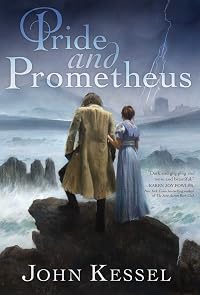
Katherine J. Chen’s Mary B: A Novel is the second book I read this year based on Jane Austen’s well-loved classic Pride and Prejudice (the first being John Kessel’s Pride and Prometheus, where Mary Bennet meets Victor Frankenstein and his creation), likewise focusing on the oft-forgotten plain middle sister: Mary Bennet. I don’t know why I’ve been gravitating toward Pride and Prejudice retellings lately – if you can believe it, I also have two still sitting in my TBR show more pile: Carrie Kablean’s What Kitty Did Next and Judy McCrosky’s Miss Bingley Requests – but I am consistently underwhelmed. The original was such a masterpiece and retellings are notoriously never nearly as good.
I’m not a Jane Austen purist (if you are one, however, I’d recommend giving this book a pass), so at least I was able to enjoy this novel for what it was. I must admit, while it was better than I thought it would be – I particularly appreciated the nod to Jane Austen by having Mary become an author, and the writing was actually pretty good – there were many glaring inconsistencies and plot choices that took this novel from moderately enjoyable to an unfortunate let-down.
My main problem with this book was the characterization of the well-loved characters. I love Austen’s Lizzy – she was witty and charming and complex – but Chen’s Lizzy left a lot to be desired. In this novel, though I understand that the reader is experiencing Pride and Prejudice from Mary’s perspective, Lizzy comes off as much too vain, both in looks as well as her seeming determination to marry for money and not for love. Mary, too, acted uncharacteristically from her former self; though on some level I understand that the point of this novel was to show her changing and maturing, it was entirely unbelievable how easily she would have changed her underlying moral code.
An even bigger problem, though, was one of Mary’s love interests. It was not believable at all and, honestly, read more like fanfiction rather than a novel. I actually shouted “No!” several times when I realized what was happening, and a few more besides. I couldn’t be more disappointed that the author chose to go in that direction.
All-in-all, I would have liked Mary B: A Novel much better if the author would have written more believable characters and had not written Mary’s third love interest into the plot at all. Unfortunately, this book was a let-down where it might have painted an interesting picture of the “plain” middle Bennet sister.
Thank you to NetGalley and Random House Publishing Group – Random House for a copy of this eBook in exchange for an honest review.
https://allisonsadventuresintowonderlands.wordpress.com/2018/08/16/katherine-j-c... show less
Katherine J. Chen’s Mary B: A Novel is the second book I read this year based on Jane Austen’s well-loved classic Pride and Prejudice (the first being John Kessel’s Pride and Prometheus, where Mary Bennet meets Victor Frankenstein and his creation), likewise focusing on the oft-forgotten plain middle sister: Mary Bennet. I don’t know why I’ve been gravitating toward Pride and Prejudice retellings lately – if you can believe it, I also have two still sitting in my TBR show more pile: Carrie Kablean’s What Kitty Did Next and Judy McCrosky’s Miss Bingley Requests – but I am consistently underwhelmed. The original was such a masterpiece and retellings are notoriously never nearly as good.
I’m not a Jane Austen purist (if you are one, however, I’d recommend giving this book a pass), so at least I was able to enjoy this novel for what it was. I must admit, while it was better than I thought it would be – I particularly appreciated the nod to Jane Austen by having Mary become an author, and the writing was actually pretty good – there were many glaring inconsistencies and plot choices that took this novel from moderately enjoyable to an unfortunate let-down.
My main problem with this book was the characterization of the well-loved characters. I love Austen’s Lizzy – she was witty and charming and complex – but Chen’s Lizzy left a lot to be desired. In this novel, though I understand that the reader is experiencing Pride and Prejudice from Mary’s perspective, Lizzy comes off as much too vain, both in looks as well as her seeming determination to marry for money and not for love. Mary, too, acted uncharacteristically from her former self; though on some level I understand that the point of this novel was to show her changing and maturing, it was entirely unbelievable how easily she would have changed her underlying moral code.
An even bigger problem, though, was one of Mary’s love interests. It was not believable at all and, honestly, read more like fanfiction rather than a novel. I actually shouted “No!” several times when I realized what was happening, and a few more besides. I couldn’t be more disappointed that the author chose to go in that direction.
All-in-all, I would have liked Mary B: A Novel much better if the author would have written more believable characters and had not written Mary’s third love interest into the plot at all. Unfortunately, this book was a let-down where it might have painted an interesting picture of the “plain” middle Bennet sister.
Thank you to NetGalley and Random House Publishing Group – Random House for a copy of this eBook in exchange for an honest review.
https://allisonsadventuresintowonderlands.wordpress.com/2018/08/16/katherine-j-c... show less
Members
- Recently Added By
Lists

Mary Bennet Books
21 works; 2 members

Fiction: Supernatural Horror
97 works; 1 member

Austenland
165 works; 11 members

Books Read in 2024
4,623 works; 126 members

Author Information
3+ Works 495 Members
Work Relationships
Was inspired by
Common Knowledge
- Canonical title
- Mary B
- People/Characters
- Mary Bennet
Classifications
Statistics
- Members
- 158
- Popularity
- 207,120
- Reviews
- 19
- Rating
- (2.95)
- Languages
- English
- Media
- Paper, Ebook
- ISBNs
- 9
- ASINs
- 1