I'm Staying Here
by Marco Balzano
On This Page
Description
"A mother recounts her life story to her long-lost daughter in this sweeping historical novel about a community torn between Italian Fascism and German Nazism. In the small village of Curon in South Tyrol, seventeen-year-old Trina longs for a different life. She dedicates herself to becoming a teacher, but the year that she qualifies-1923-Mussolini's regime abolishes the use of German as a teaching language in the annexed Austrian territory. Defying their ruthless program of forced show more Italianization, Trina works for a clandestine network of schools in the valley, always with the risk of capture. In spite of this new climate of fear and uncertainty, she finds love and some measure of stability with Erich, an orphaned young man and her father's helper. Now married and a mother, Trina's life is again thrown into uncertainty when Hitler's Germany announces the "Great Option" in 1939, and communities in South Tyrol are invited to join the Reich and leave Italy. The town splits, and ever-increasing rifts form among its people. Those who choose to stay, like Trina and her family, are seen as traitors and spies; they can no longer leave the house without suffering abuse. Then one day Trina comes home and finds that her daughter is missing... Inspired by the striking image of the bell tower rising from Lake Resia, all that remains today of the village of Curon, Marco Balzano has written a poignant novel that beautifully interweaves great moments in history with the lives of everyday people"-- show lessTags
Recommendations



































Member Recommendations
Member Reviews
A powerful, understated novel sweeping us through much of the twentieth century. Trina tells her story to her daughter, who's missing, and stays missing. She lives in Curon, in the German-speaking Italian Tyrol, and witnesses Mussolini's attempts to Italianise it and stifle its German heritage; the impact of the Nazis and war on their lives; and finally sees their community destroyed by the building of a - it turns out - inefficient dam which drowns Curon and surrounding villages. Important moments of history are told here through the lives of ordinary people, few of whom are described, other than as, for instance 'the fat woman', 'the old man' - they become ciphers for us all.. That is what makes this book, so simply told, so potent.
It's an old story. Governments just won't leave you alone.
In “I'm Staying Here” (2018), Italian writer Marco Balzano lets a woman named Trina tell her story. Her people live in Curon, a tiny and seemingly isolated mountain village so far north in Italy that everyone speaks German. Trina, a teacher, is among the few who can actually understand their own country's language.
Trina addresses her story to Marica, her beloved daughter, whose disappearance seems to trigger all the trials that follow, almost as if it were all her fault. In the 1930s the people of Curon are being pulled in two different directions — by Mussolini and the Fascists in the south and by Hitler and the Nazis in the north. Some of the people are lured north, where show more at least others speak their language. Some of Trina's relatives are among them, and they secretly take Marica with them.
While the Nazis prepare for war, the Fascists talk of building a dam and flooding the valley in which Curon sets. When war breaks out it swallows up Erich, Trina's husband, who is forced to fight for the Fascists, while their son, Michael, idolizes Hitler and eventually joins the German army. When Erich returns from combat with injuries, he vows never to fight again when he recovers. Yet his war isn't over.
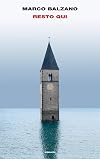
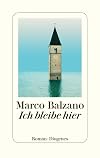
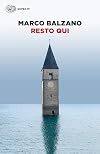
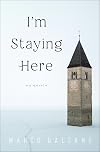
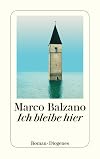
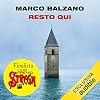
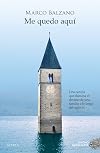
To escape both the Fascists and the Nazis, the two of them flee into the Alps to wait out the war with a few others. When the war ends and they are finally able to return to their farm, however, they find that the dam project remains very much alive. The novel is based on reality, and the cover illustration shows the church's bell tower that still today juts out of the lake covering Curon.
Even translated into English, Bolzano's graceful prose shines through. This is both a beautiful novel and a powerful one with a message so many of us can identify with: Why can't they just leave us alone? show less
In “I'm Staying Here” (2018), Italian writer Marco Balzano lets a woman named Trina tell her story. Her people live in Curon, a tiny and seemingly isolated mountain village so far north in Italy that everyone speaks German. Trina, a teacher, is among the few who can actually understand their own country's language.
Trina addresses her story to Marica, her beloved daughter, whose disappearance seems to trigger all the trials that follow, almost as if it were all her fault. In the 1930s the people of Curon are being pulled in two different directions — by Mussolini and the Fascists in the south and by Hitler and the Nazis in the north. Some of the people are lured north, where show more at least others speak their language. Some of Trina's relatives are among them, and they secretly take Marica with them.
While the Nazis prepare for war, the Fascists talk of building a dam and flooding the valley in which Curon sets. When war breaks out it swallows up Erich, Trina's husband, who is forced to fight for the Fascists, while their son, Michael, idolizes Hitler and eventually joins the German army. When Erich returns from combat with injuries, he vows never to fight again when he recovers. Yet his war isn't over.
To escape both the Fascists and the Nazis, the two of them flee into the Alps to wait out the war with a few others. When the war ends and they are finally able to return to their farm, however, they find that the dam project remains very much alive. The novel is based on reality, and the cover illustration shows the church's bell tower that still today juts out of the lake covering Curon.
Even translated into English, Bolzano's graceful prose shines through. This is both a beautiful novel and a powerful one with a message so many of us can identify with: Why can't they just leave us alone? show less
A first-person story told to a daughter who left makes the title somewhat ironic. A woman who is a native German speaker in the South Tyrol adds income to her traditional farming life by teaching. When Fascism arrives in Italy, it claims the South Tyrol by trying to wipe out German language and culture there. She teaches Italian, but in secret continues to teach German stubbornly. Then Nazi Germany makes a claim for the region, and residents are forced to choose whether to be fascists or Nazis, which seems a limited set of choices! Her husband just wants to stay put, living the life they've lived there for generations, but he is conscripted. He eventually returns home, but they can't stay: they have to flee into the mountains to show more (barely) survive during the war. When they get word the war has ended, they finally can return home, but that homecoming is short-lived. A dam, being considered since the early 20th century, is suddenly under construction in earnest, and eventually they are forced to leave their valley as their homes are blown up and the town is submerged under an artificial lake. Nobody can stay there; even the dead are exhumed from the cemetery and reburied. It's a short book inspired by the sight of a church steeple that still rises above the lake. show less
Per conoscere parti della nostra storia poco nota (almeno per me), niente di meglio che un romanzo di questo tipo, che racconta la storia da dentro, per voce dei protagonisti.
Il paese di Curon, in Trentino, è tra le mete dei miei viaggi italiani: la curiosità di vedere un campanile che emerge da un lago. Leggendo la storia che ha portato a questo ormai frequentato luogo turistico, se ne percepisce il dolore, lo sradicamento, la rabbia e l'impotenza di chi questo lago artificiale lo ha vissuto sulla propria pelle.
In un tempo di guerra, terrore si somma a terrore, rabbia si somma a rabbia, e sia in un caso (la guerra) sia nell'altro (il riempimento di un bacino artificiale), nulla sarà più come prima.
Il racconto di una vita che show more attraversa la storia, locale, nazionale e mondiale, narrato dal punto di vista di una donna (ma è scritto da un uomo) che nonostante tutto si fa colonna granitica di memoria.
Un bel libro coinvolgente. show less
Il paese di Curon, in Trentino, è tra le mete dei miei viaggi italiani: la curiosità di vedere un campanile che emerge da un lago. Leggendo la storia che ha portato a questo ormai frequentato luogo turistico, se ne percepisce il dolore, lo sradicamento, la rabbia e l'impotenza di chi questo lago artificiale lo ha vissuto sulla propria pelle.
In un tempo di guerra, terrore si somma a terrore, rabbia si somma a rabbia, e sia in un caso (la guerra) sia nell'altro (il riempimento di un bacino artificiale), nulla sarà più come prima.
Il racconto di una vita che show more attraversa la storia, locale, nazionale e mondiale, narrato dal punto di vista di una donna (ma è scritto da un uomo) che nonostante tutto si fa colonna granitica di memoria.
Un bel libro coinvolgente. show less
Wer kennt sie nicht, die berühmte versunkene Kirche im See in Südtirol. Doch was heute so idyllisch erscheint, hat einen ernsten Hintergrund, den Marco Balzano in seinem Roman „Ich bleibe hier“ nacherzählt. In den 1930er Jahren gehört das deutschsprachige Südtirol bereits zu Italien, wo die Bewohner Bürger zweiter Klasse sind und nun soll auch noch ein Staudamm gebaut werden, der das Dörfchen Graun überfluten und auslöschen wird. Die Bauern sind verärgert, aber nicht nur das belastet sie. Der aufkommende Faschismus in Italien drängt ihre Sprache immer weiter zurück und Trina und ihre Freundinnen können nur im Untergrund heimlich auf Deutsch unterrichten. Im Norden erstarken derweil die Nationalsozialisten, können sie show more eine Hilfe gegen den Druck aus dem Süden sein? Welcher Seite wollen sie sich zuschlagen, wer wird den Ort retten, an dem ihre Familien schon seit Jahrhunderten von Land- und Viehwirtschaft leben? Oder sollen sie doch gleich ganz woanders hingehen? Der Krieg nimmt ihnen die Entscheidung ab, aber das letzte Wort um den Stausee ist noch nicht gesprochen.
Die Protagonistin und Erzählerin Trina ist zu Beginn der Erzählung ein lebensfrohes junges Mädchen, die sich gemeinsam mit ihren Freundinnen Barbara und Maja aufs Unterrichten freut. Doch schnell zerstört die politische Lage ihre Träume. Auch die kommenden Jahre werden für die Frau nicht einfach, insbesondere die Kriegsjahre fordern ihr alles ab. Dinge, die sie sich nie hätte vorstellen können, muss sie tun, um zu überleben. Am Ende ihres Lebens blickt sie zurück, traurig, aber nicht bitter, durchaus mögliche alternative Wege, die sie hätte gehen können, sehend, aber ob diese ihr Leben wirklich glücklicher hätten verlaufen lassen?
Der italienische Autor verknüpft so die fiktive Geschichte einer Frau mit der einer zwischen Landesgrenzen zerriebenen Region. Das bauliche Großereignis ist eine Belastungsprobe für das Dorf, aber ebenso die Frage, ob sie Mussolini oder Hitler folgen wollen oder ob es doch noch einen Ausweg irgendwo dazwischen geben könnte. Man weiß, wie die Geschichte ausgeht, das Resultat lässt sich im Italienurlaub bestaunen, der Preis jedoch, denn die Menschen vor Ort gezahlt haben, den sieht man heute nicht mehr, wenn man schöne Erinnerungsfotos knipst.
Der Roman wird von einer melancholischen Grundstimmung getragen. Balzano setzt die einfache und bescheidene Lebensweise der Bauern sprachlich ebenso reduziert ohne hochtrabende Metaphern um und spiegelt so die Lebenseinstellung überzeugend wider. show less
Die Protagonistin und Erzählerin Trina ist zu Beginn der Erzählung ein lebensfrohes junges Mädchen, die sich gemeinsam mit ihren Freundinnen Barbara und Maja aufs Unterrichten freut. Doch schnell zerstört die politische Lage ihre Träume. Auch die kommenden Jahre werden für die Frau nicht einfach, insbesondere die Kriegsjahre fordern ihr alles ab. Dinge, die sie sich nie hätte vorstellen können, muss sie tun, um zu überleben. Am Ende ihres Lebens blickt sie zurück, traurig, aber nicht bitter, durchaus mögliche alternative Wege, die sie hätte gehen können, sehend, aber ob diese ihr Leben wirklich glücklicher hätten verlaufen lassen?
Der italienische Autor verknüpft so die fiktive Geschichte einer Frau mit der einer zwischen Landesgrenzen zerriebenen Region. Das bauliche Großereignis ist eine Belastungsprobe für das Dorf, aber ebenso die Frage, ob sie Mussolini oder Hitler folgen wollen oder ob es doch noch einen Ausweg irgendwo dazwischen geben könnte. Man weiß, wie die Geschichte ausgeht, das Resultat lässt sich im Italienurlaub bestaunen, der Preis jedoch, denn die Menschen vor Ort gezahlt haben, den sieht man heute nicht mehr, wenn man schöne Erinnerungsfotos knipst.
Der Roman wird von einer melancholischen Grundstimmung getragen. Balzano setzt die einfache und bescheidene Lebensweise der Bauern sprachlich ebenso reduziert ohne hochtrabende Metaphern um und spiegelt so die Lebenseinstellung überzeugend wider. show less
Bella ricostruzione della storia del paese di Curon, in Alto Adige, a cavallo della seconda guerra mondiale.
L'arrivo degli italiani, lo sfasciarsi della comunità di lingua tedesca, la violenza "di stato", prima per imporre una lingua, poi con la costruzione di una diga, che sommerge il paese e la sua storia, con il passaggio della guerra e la fuga in montagna per salvarsi dalle violenze degli occupanti tedeschi.
Il tutto incastrato nel raconto di una donna, una maestra, testimone, nell'arco di una vita, di questi sconvolgimenti.
Lettura istruttiva, fa dare un senso diverso all'importanza, alla necessità del bilinguismo e del preservare luoghi e culture, troppo stesso dimenticata negli ultimi anni,
L'arrivo degli italiani, lo sfasciarsi della comunità di lingua tedesca, la violenza "di stato", prima per imporre una lingua, poi con la costruzione di una diga, che sommerge il paese e la sua storia, con il passaggio della guerra e la fuga in montagna per salvarsi dalle violenze degli occupanti tedeschi.
Il tutto incastrato nel raconto di una donna, una maestra, testimone, nell'arco di una vita, di questi sconvolgimenti.
Lettura istruttiva, fa dare un senso diverso all'importanza, alla necessità del bilinguismo e del preservare luoghi e culture, troppo stesso dimenticata negli ultimi anni,
Avevo alte aspettative su questo libro un po' perchè l'ho seguito nel percorso del premio strega, un po' perchè al campanile sono stata un paio di volte ed è impressionante pensare che ci fosse una città li sotto Le aspettative, però, sono state un po' deluse perchè non mi ha entusiasmato particolarmente.
La storia di Trina, una ragazza semplice che cresce durante il fascismo e la guerra è sviluppata bene a livello cronologico nel corso del tempo ma secondo me la narrazione è troppo superficiale.
L'ho trovata banale, forse l'intento essendo in prima persona, era quello di utilizzare una scrittura a volte "colloquiale", un po' alla Ferrante diciamo, ma a me non è piaciuto molto.
I personaggi non sono approfonditi (come altre show more recensioni confermano) e non hanno caratterizzazioni forti a volte passano, a volte tornano ma non ti affezioni a nessuno anzi alcuni fanno proprio venire il nervoso.
Spesso mi è sembrata solo una grande invettiva verso chi ha voluto costruire la diga ed allagare il paese ma non si capisce come l'hanno vissuta le persone, cosa è successo veramente.
Insomma 3 stelle perchè comunque la storia è raccontata abbastanza bene ma speravo in qualcosa di meglio. show less
La storia di Trina, una ragazza semplice che cresce durante il fascismo e la guerra è sviluppata bene a livello cronologico nel corso del tempo ma secondo me la narrazione è troppo superficiale.
L'ho trovata banale, forse l'intento essendo in prima persona, era quello di utilizzare una scrittura a volte "colloquiale", un po' alla Ferrante diciamo, ma a me non è piaciuto molto.
I personaggi non sono approfonditi (come altre show more recensioni confermano) e non hanno caratterizzazioni forti a volte passano, a volte tornano ma non ti affezioni a nessuno anzi alcuni fanno proprio venire il nervoso.
Spesso mi è sembrata solo una grande invettiva verso chi ha voluto costruire la diga ed allagare il paese ma non si capisce come l'hanno vissuta le persone, cosa è successo veramente.
Insomma 3 stelle perchè comunque la storia è raccontata abbastanza bene ma speravo in qualcosa di meglio. show less
Members
- Recently Added By
Lists

Rising water
19 works; 6 members

Fiction: Historical
288 works; 3 members

Books Read in 2020
4,379 works; 124 members
Author Information

14 Works 479 Members
Some Editions
Awards and Honors
Awards
Distinctions
Common Knowledge
- Canonical title
- I'm Staying Here
- Original title
- Resto Qui
- Original publication date
- 2018
- Important places*
- Graun im Vinschgau, Zuid-Tirol, Italië
- Epigraph*
- Een geschiedenis kan enkel overleven in haar as- Montale
- Dedication*
- Voor Riccardo
- First words*
- Je weet niets over me, en toch weet je heel veel, omdat je mijn dochter bent.
- Last words*
- (Click to show. Warning: May contain spoilers.)Verder gaan, zoals Ma zei, is de enige toegestane richting. Anders had God ons wel ogen aan de zijkant van ons hoofd gegeven. Zoals vissen.
- Original language*
- Italiaans
*Some information comes from Common Knowledge in other languages. Click "Edit" for more information.
Classifications
- Genres
- Fiction and Literature, General Fiction, Historical Fiction
- DDC/MDS
- 853.92 — Literature & rhetoric Italian, Romanian & related literatures Italian fiction 1900- 21st Century
- LCC
- PQ4902 .A528 .R47 — Language and Literature French, Italian, Spanish and Portuguese literatures Italian literature Individual authors, 2001-
- BISAC
Statistics
- Members
- 234
- Popularity
- 139,796
- Reviews
- 19
- Rating
- (3.76)
- Languages
- 8 — Chinese, Dutch, English, French, German, Italian, Portuguese (Portugal), Spanish
- Media
- Paper, Audiobook, Ebook
- ISBNs
- 31
- ASINs
- 9