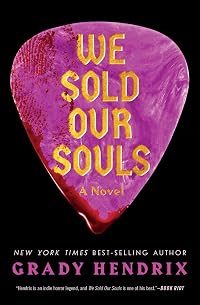
We Sold Our Souls
by Grady Hendrix 
On This Page
Description
In this hard-rocking, spine-tingling supernatural thriller, the washed-up guitarist of a '90s heavy metal band embarks on an epic road trip across America and deep into the web of a sinister conspiracy.Grady Hendrix, horror writer and author of Paperbacks from Hell and My Best Friend's Exorcism, is back with his most electrifying novel yet. In the 1990s, heavy metal band Dürt Würk was poised for breakout success—but then lead singer Terry Hunt embarked on a solo career and rocketed to show more stardom as Koffin, leaving his fellow bandmates to rot in obscurity.
Two decades later, former guitarist Kris Pulaski works as the night manager of a Best Western—she's tired, broke, and unhappy. Everything changes when a shocking act of violence turns her life upside down, and she begins to suspect that Terry sabotaged more than just the band.
Kris hits the road, hoping to reunite with the rest of her bandmates and confront the man who ruined her life. It's a journey that will take her from the Pennsylvania rust belt to a celebrity rehab center to a music festival from hell. A furious power ballad about never giving up, even in the face of overwhelming odds, We Sold Our Souls is an epic journey into the heart of a conspiracy-crazed, pill-popping, paranoid country that seems to have lost its very soul ... where only a lone girl with a guitar can save us all.
. show less
Tags
Recommendations

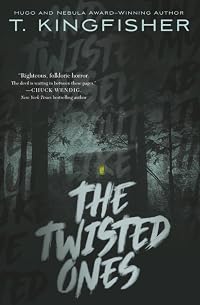
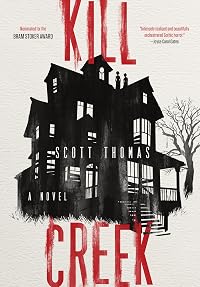
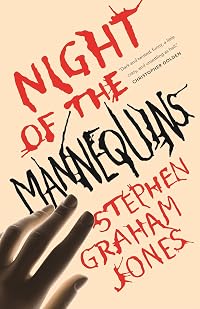
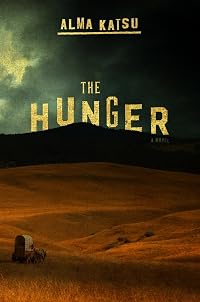
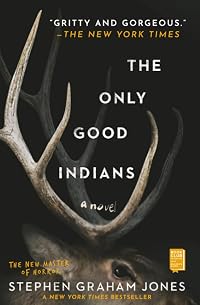
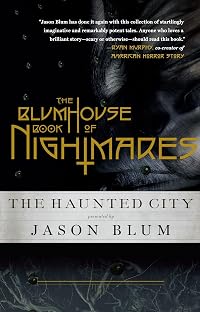
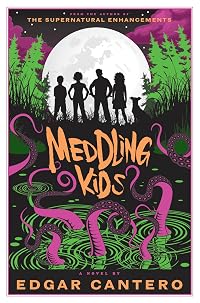
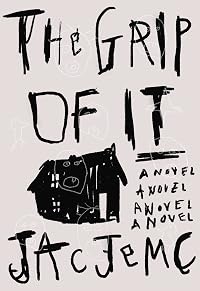
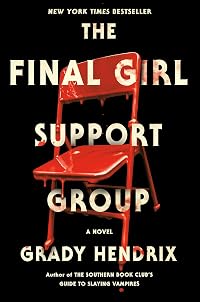
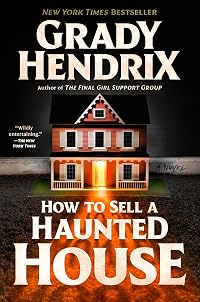

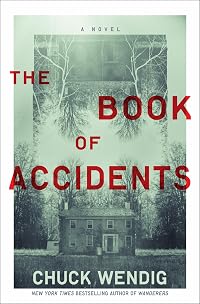
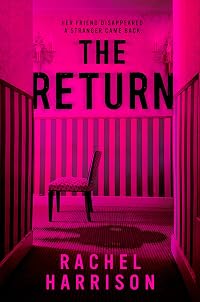


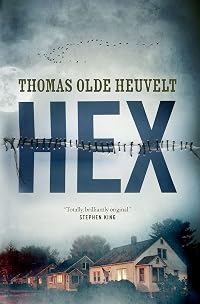
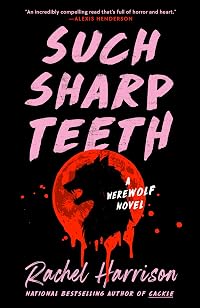

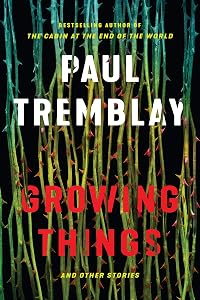
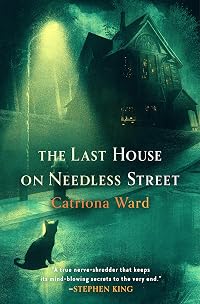


Member Recommendations
Member Reviews
I have a SERIOUS love going on for all these music novels. The more wild, the more music-mythological, the more gut-wrenchingly SWEET and SOUR taste of broken dreams and soaring to unattainable heights, the better. :)
And you know what? I don't care WHAT kind of genre we mix it with or whether it IS mixed. Music is a LIFE. And for me, I don't even care what style it is. I've been in my Metal phase. I've owned the breakaway. I've told the world to ****-off.
So what happens when Grady writes the ultimate Metal tribute, rocks it as an epic, over-the-top Robert Johnson tribute that goes the way of a Metalocalypse. You know that old Adult Swim show? The one that laughs at itself right before it goes swimming in oceans of blood and rips its show more own throat out in gravel-speech? Yeah. Grady does it. :)
YEEEEAAAAAHHHHHHH!!!!
This book has some of the best concept-album ideas I've read and I fell right into it as if I was listening to Mindcrime or The Wall. No sweat. This is both a tribute and a soul-stomping realistic love-note to the downtrodden and the dreams of the fighters.
I sounds like a fanboy, don't I? :) Well this just tickled me to Deathmetal. show less
And you know what? I don't care WHAT kind of genre we mix it with or whether it IS mixed. Music is a LIFE. And for me, I don't even care what style it is. I've been in my Metal phase. I've owned the breakaway. I've told the world to ****-off.
So what happens when Grady writes the ultimate Metal tribute, rocks it as an epic, over-the-top Robert Johnson tribute that goes the way of a Metalocalypse. You know that old Adult Swim show? The one that laughs at itself right before it goes swimming in oceans of blood and rips its show more own throat out in gravel-speech? Yeah. Grady does it. :)
YEEEEAAAAAHHHHHHH!!!!
This book has some of the best concept-album ideas I've read and I fell right into it as if I was listening to Mindcrime or The Wall. No sweat. This is both a tribute and a soul-stomping realistic love-note to the downtrodden and the dreams of the fighters.
I sounds like a fanboy, don't I? :) Well this just tickled me to Deathmetal. show less
A horror novel set in the world of rock and roll makes for one hell of a fun ride. For maximum enjoyment, don't take it too seriously, just let it lead you through a raging storm of insanity.
Kris is an absolute kick-ass lead character, the story is fantastic, the pacing perfect.
If I thought about some things too much, maybe I'd end up giving it four stars, but in honour of the enjoyment reading it created, I give it a full five stars.
Rock on.
Kris is an absolute kick-ass lead character, the story is fantastic, the pacing perfect.
If I thought about some things too much, maybe I'd end up giving it four stars, but in honour of the enjoyment reading it created, I give it a full five stars.
Rock on.
Every once in a while, I'll read a book and enjoy it.
Every once in a while, I'll read a book and not be able to put it down.
Every once in a while, I'll read a book and absolutely love it.
And then, every once in a while, I'll read a book and think, damn, that's exactly the kind of book I want to write!
This book sits very firmly, and very comfortably in that last category.
It hits all the notes (pardon the pun) and it hits them perfectly. The almost rockstar, now working the dead end job. The mostly talentless bandmate that went on to make billions. The dropping of all the famous metal bands' names.
But it's so much more than that (of course, it has to be, because it's Grady fucking Hendrix). There's soul-sucking demons. There's conspiracy show more theorists. There's shadowy henchmen in innocuous garb. There's...
Oh fuck it. If you like rock, and you like horror, then read this. Period. show less
Every once in a while, I'll read a book and not be able to put it down.
Every once in a while, I'll read a book and absolutely love it.
And then, every once in a while, I'll read a book and think, damn, that's exactly the kind of book I want to write!
This book sits very firmly, and very comfortably in that last category.
It hits all the notes (pardon the pun) and it hits them perfectly. The almost rockstar, now working the dead end job. The mostly talentless bandmate that went on to make billions. The dropping of all the famous metal bands' names.
But it's so much more than that (of course, it has to be, because it's Grady fucking Hendrix). There's soul-sucking demons. There's conspiracy show more theorists. There's shadowy henchmen in innocuous garb. There's...
Oh fuck it. If you like rock, and you like horror, then read this. Period. show less
We Sold Our Souls by Grady Hendrix, although published in 2018, feels fitting for the dumpster fire of 2020. After all, based on the title alone, it is not difficult to imagine an entire cadre of government officials who sold their souls a long time ago. And I’m sure we can all call up the names of so-called celebrities who have done nothing to deserve their fame and fortune.
In true Hendrix fashion though, We Sold Our Souls puts a unique twist on the whole selling your soul gig. In his world, you can sell the souls of others to obtain your desires, which, when you wrap your head around it, leads to all sorts of ramifications. Does it seem like you can never catch a break? Blame someone else for selling your soul.
To make things more show more interesting, selling your soul does not actually mean communing with the devil and signing your name in blood. In the Hendrix world, all it takes is something as simple as signing up for a new phone plan that comes with the best and latest phone. When you wish for something material and end up obtaining that object, chances are you sold your soul to get it. It is a fascinating approach to Faustian deals.
This is all information she discovers as she tries to reconcile her lack of success in anything versus that of her former bandmate. But the horror doesn’t stop there. In fact, Kris uncovers an entire demonic dimension in which we are just the cogs in a wheel. As she takes steps to bring that wheel to a halt, she discovers that is easier said than done. What follows is a brutal, gory, and a bit too on-the-nose race to stop certain powers from taking over the world.
We Sold Our Souls is exactly what you hope a Grady Hendrix novel will be. Not only is it intense and gory, befitting a good horror story, but it also shifts your perception of the world just enough so that his explanations of what is wrong with it seem plausible. I wouldn’t rank We Sold Our Souls as among his best, but it certainly fits the mood of 2020, with just enough hope at the end to lead us into 2021. show less
In true Hendrix fashion though, We Sold Our Souls puts a unique twist on the whole selling your soul gig. In his world, you can sell the souls of others to obtain your desires, which, when you wrap your head around it, leads to all sorts of ramifications. Does it seem like you can never catch a break? Blame someone else for selling your soul.
To make things more show more interesting, selling your soul does not actually mean communing with the devil and signing your name in blood. In the Hendrix world, all it takes is something as simple as signing up for a new phone plan that comes with the best and latest phone. When you wish for something material and end up obtaining that object, chances are you sold your soul to get it. It is a fascinating approach to Faustian deals.
This is all information she discovers as she tries to reconcile her lack of success in anything versus that of her former bandmate. But the horror doesn’t stop there. In fact, Kris uncovers an entire demonic dimension in which we are just the cogs in a wheel. As she takes steps to bring that wheel to a halt, she discovers that is easier said than done. What follows is a brutal, gory, and a bit too on-the-nose race to stop certain powers from taking over the world.
We Sold Our Souls is exactly what you hope a Grady Hendrix novel will be. Not only is it intense and gory, befitting a good horror story, but it also shifts your perception of the world just enough so that his explanations of what is wrong with it seem plausible. I wouldn’t rank We Sold Our Souls as among his best, but it certainly fits the mood of 2020, with just enough hope at the end to lead us into 2021. show less
Once upon a time, Kris Pulaski had beaten entire rooms into submission. Once upon a time she'd walked into strange buildings in faraway states where the only people who knew her name stood next to her onstage. She'd stood, surrounded by crowds who hated her in Eugene, and Bangor, and Marietta, and Buckhannon, and calmly tuned her guitar in front of those jostling drunks who put bullet holes in the band van, who tucked notes under their wipers that read "Metal faggots get AIDS," who once threw a shit-dripping diaper onstage, who started fights because they wanted to beat without mercy anyone who came from more than fifty miles away.
Kris had stood in front of those cross-eyed, thick-skulled, small-brained cow tippers whose veins flowed show more with Blatz and Keystone instead of blood, who stunk of Schaefer and Natty Boh, and Lone Star, and Iron City, and she waited quietly for the drum intro to begin, then strummed in lazy on the downbeat and started building her first riff, and then the bass slid in easy behind her, and the other guitar followed her lead before suddenly breaking free and starting to crunch over her rhythms with violent arpeggios, and the first blast beat smashed out of the bass drums and they leaned back into the pocket, thrashing that room without mercy, beating those bearded faces with a wall of sound until their heads started nodding, their shoulders began to twitch, their chins went up and down against their will--until the one with either the least impulse control or the most to prove shoved the person in front of him, and the pit began to swirl in front of the stage. (Yes, that entire paragraph was one sentence. One beautiful, frenetic sentence.)
The aggressively casual thrashers in their long-sleeved black tees and long black hair, the old metalheads in their battle vests and beards, the milk-white school shooters, skinny wrists cuffed with underage wristbands--Kris had turned these haters into dancers, fighters into lovers, hecklers into fans. She had been punched in the mouth by a straight-edge vegan, had the toes of her Doc Martens kissed by too many boys to count, and been knocked unconscious after catching a boot beneath the chin from a stage diver who'd managed to do a flip into the crowd off the stage at Wally's. She'd made the mezzanine bounce like a trampoline at Rumblestiltskins, the kids pogoing so hard flakes of pain rained down like hail.
Now she stood watching Josh Morrell piss all over the floor of the Best Western at three in the morning, and she was too scared to do a thing about it. When he finished, he shook the final drops off his boneless dong, turned around, let out an enormous wet fart, and marched back through the automatic doors.
This book is everything. Not everything for everyone, mind you. This is a horror novel, with a few really gruesome scenes, and some monster/demon things, and plenty of evil (although entirely human) people, a little overwhelming hopelessness combined with a lot of humor. Also, it's about music, specifically metal and hard rock. I'm not a huge fan, but thanks to my high school boyfriend, I do know a fair amount about a lot of the bands that influenced Kris. And it's a love of music in general, not any specific type, that comes across. For me, it all works. This is my third Grady Hendrix novel and I kind of love him.
First and foremost, the man can write. After reading his first novel, [b:Horrorstör|13129925|Horrorstör|Grady Hendrix|https://images.gr-assets.com/books/1414314217s/13129925.jpg|18306052], I likened him to early Douglas Coupland -- sentences so densely packed with language they need to be fully chewed before they can be digested. He blends humor and horror, satire and naked truth seamlessly. I'm caught between laughing, nodding, and grimacing in discomfort, all within a few pages.
Second, he creates characters within campy horror stories that go far beyond stereotypes. They come off the page with their bravery and fallibility. Kris, washed-up guitarist, the only female member of 90s metal band Dürt Würk, blames the former lead singer for everything that's gone wrong in her life. Since she signed a contract giving Terry Hunt (now known commercially as Koffin or as "The Blind King" to his millions of fans) full rights to Dürt Würk's music (including the concept album they'd just finished titled Troglodyte), her life has been a mess. Unable to perform publically, she's given up the only thing that ever made her feel powerful. She's settled for working at a Best Western, living in her mother's basement, and taking antidepressants to cope with how mindnumblingly depressing her life has become. But under all that, she's still a badass. When "Koffin" announces his final concert series, bitterness and vague memories prod Kris into seeking out her former bandmates and trying to discover the truth about the contracts they all signed.
Third, Grady Hendrix is an enlightened man. In [b:My Best Friend's Exorcism|41015038|My Best Friend's Exorcism|Grady Hendrix|https://images.gr-assets.com/books/1533059241s/41015038.jpg|46065002], I was impressed by how well he captured the complicated relationships of teenage girls, but this time around he just gets women, in general. There's a scene towards the end of the book (so I don't want to give away too much), where Kris is stuck in another seemingly hopeless situation (of a string of many), when a man pushes her too far:
...and if he'd left right then, Kris would have been stuck. Rob could have just walked out of the room and left Kris to [bad stuff] and then nothing else that happened that night would have needed to happen. But Rob was a man, and men never know when to shut up.
"It must be nice to be you," Rob said. "Everything must seem so simple."
And then he gave her one of his patronizing smiles. The same one he gave her when he explained the contract... The same one he gave her when he showed up at the hospital while Tuck and Bill were still in the emergency room. The same one he gave her from the other side of her coffee table as she took his pen to sign the contract, pretending to read clauses she didn't understand in a desperate attempt to delay the inevitable. The same smile men had been giving Kris her entire life.
Every promoter who'd shorted her on the door because she "didn't understand how clubs work." Every house tech who'd explained to her where her monitor really needed to be, how her guitar should be tuned, what songs she actually should play.
Everyone who told her to calm down, who told her no, who told her to wait, who told her to be good, act nice, do what they say, sign a contract, play this kind of music--all of them gave her that same patronizing smile when they explained things to her and here it was again, on the last night of her life, right there on Rob Anthony's face.
Kris couldn't help herself. She punched him. As hard as she could.
Be still, my heart.
And finally, Hendrix manages to turn a campy horror novel about a rock band into an indictment of modern society: social media mob mentality, rape culture, the hopelessness of the working class. In a world where people sell pieces of their soul every day, is it really so crazy to believe that the entire thing could be sold away?
As one character says, "It is possible to be crazy and paranoid and totally insane and still be right. Maybe the problem with everyone is that the world has become so insane they're not out of their minds enough to comprehend it."
Recommended musical accompaniment: Elle King: "Last Damn Night" show less
Kris had stood in front of those cross-eyed, thick-skulled, small-brained cow tippers whose veins flowed show more with Blatz and Keystone instead of blood, who stunk of Schaefer and Natty Boh, and Lone Star, and Iron City, and she waited quietly for the drum intro to begin, then strummed in lazy on the downbeat and started building her first riff, and then the bass slid in easy behind her, and the other guitar followed her lead before suddenly breaking free and starting to crunch over her rhythms with violent arpeggios, and the first blast beat smashed out of the bass drums and they leaned back into the pocket, thrashing that room without mercy, beating those bearded faces with a wall of sound until their heads started nodding, their shoulders began to twitch, their chins went up and down against their will--until the one with either the least impulse control or the most to prove shoved the person in front of him, and the pit began to swirl in front of the stage. (Yes, that entire paragraph was one sentence. One beautiful, frenetic sentence.)
The aggressively casual thrashers in their long-sleeved black tees and long black hair, the old metalheads in their battle vests and beards, the milk-white school shooters, skinny wrists cuffed with underage wristbands--Kris had turned these haters into dancers, fighters into lovers, hecklers into fans. She had been punched in the mouth by a straight-edge vegan, had the toes of her Doc Martens kissed by too many boys to count, and been knocked unconscious after catching a boot beneath the chin from a stage diver who'd managed to do a flip into the crowd off the stage at Wally's. She'd made the mezzanine bounce like a trampoline at Rumblestiltskins, the kids pogoing so hard flakes of pain rained down like hail.
Now she stood watching Josh Morrell piss all over the floor of the Best Western at three in the morning, and she was too scared to do a thing about it. When he finished, he shook the final drops off his boneless dong, turned around, let out an enormous wet fart, and marched back through the automatic doors.
This book is everything. Not everything for everyone, mind you. This is a horror novel, with a few really gruesome scenes, and some monster/demon things, and plenty of evil (although entirely human) people, a little overwhelming hopelessness combined with a lot of humor. Also, it's about music, specifically metal and hard rock. I'm not a huge fan, but thanks to my high school boyfriend, I do know a fair amount about a lot of the bands that influenced Kris. And it's a love of music in general, not any specific type, that comes across. For me, it all works. This is my third Grady Hendrix novel and I kind of love him.
First and foremost, the man can write. After reading his first novel, [b:Horrorstör|13129925|Horrorstör|Grady Hendrix|https://images.gr-assets.com/books/1414314217s/13129925.jpg|18306052], I likened him to early Douglas Coupland -- sentences so densely packed with language they need to be fully chewed before they can be digested. He blends humor and horror, satire and naked truth seamlessly. I'm caught between laughing, nodding, and grimacing in discomfort, all within a few pages.
Second, he creates characters within campy horror stories that go far beyond stereotypes. They come off the page with their bravery and fallibility. Kris, washed-up guitarist, the only female member of 90s metal band Dürt Würk, blames the former lead singer for everything that's gone wrong in her life. Since she signed a contract giving Terry Hunt (now known commercially as Koffin or as "The Blind King" to his millions of fans) full rights to Dürt Würk's music (including the concept album they'd just finished titled Troglodyte), her life has been a mess. Unable to perform publically, she's given up the only thing that ever made her feel powerful. She's settled for working at a Best Western, living in her mother's basement, and taking antidepressants to cope with how mindnumblingly depressing her life has become. But under all that, she's still a badass. When "Koffin" announces his final concert series, bitterness and vague memories prod Kris into seeking out her former bandmates and trying to discover the truth about the contracts they all signed.
Third, Grady Hendrix is an enlightened man. In [b:My Best Friend's Exorcism|41015038|My Best Friend's Exorcism|Grady Hendrix|https://images.gr-assets.com/books/1533059241s/41015038.jpg|46065002], I was impressed by how well he captured the complicated relationships of teenage girls, but this time around he just gets women, in general. There's a scene towards the end of the book (so I don't want to give away too much), where Kris is stuck in another seemingly hopeless situation (of a string of many), when a man pushes her too far:
...and if he'd left right then, Kris would have been stuck. Rob could have just walked out of the room and left Kris to [bad stuff] and then nothing else that happened that night would have needed to happen. But Rob was a man, and men never know when to shut up.
"It must be nice to be you," Rob said. "Everything must seem so simple."
And then he gave her one of his patronizing smiles. The same one he gave her when he explained the contract... The same one he gave her when he showed up at the hospital while Tuck and Bill were still in the emergency room. The same one he gave her from the other side of her coffee table as she took his pen to sign the contract, pretending to read clauses she didn't understand in a desperate attempt to delay the inevitable. The same smile men had been giving Kris her entire life.
Every promoter who'd shorted her on the door because she "didn't understand how clubs work." Every house tech who'd explained to her where her monitor really needed to be, how her guitar should be tuned, what songs she actually should play.
Everyone who told her to calm down, who told her no, who told her to wait, who told her to be good, act nice, do what they say, sign a contract, play this kind of music--all of them gave her that same patronizing smile when they explained things to her and here it was again, on the last night of her life, right there on Rob Anthony's face.
Kris couldn't help herself. She punched him. As hard as she could.
Be still, my heart.
And finally, Hendrix manages to turn a campy horror novel about a rock band into an indictment of modern society: social media mob mentality, rape culture, the hopelessness of the working class. In a world where people sell pieces of their soul every day, is it really so crazy to believe that the entire thing could be sold away?
As one character says, "It is possible to be crazy and paranoid and totally insane and still be right. Maybe the problem with everyone is that the world has become so insane they're not out of their minds enough to comprehend it."
Recommended musical accompaniment: Elle King: "Last Damn Night" show less
I LOVED this book. I felt like this book was written just for me, not just as a fan of heavy metal music, but as a struggling artist, one who hasn't given up, even though everything I do feels derivative, or uninspired. The important part is to fight for what I believe in through my art, and to keep my integrity as I create.(But a part of me thought about Grady Hendrix himself, and the contract he likely signed when he wrote this book. Is his soul intact? Or is the difference that he signed it away willingly, unlike the characters in this book? But I digress).
I loved the chapter titles and the metal songs for which they are named. They weren't random either, they tied perfectly into what happened during each chapter. Especially show more appropriate were "Destroy Erase Improve" and "At the Night-side Eclipse." The horrors described were especially terrifying. I discovered that I have a bit of claustrophobia from reading this book. The chapter where Kris is trying to escape from Black Iron Mountain had me squirming and cringing, yelling "No!" at the book. I would not have been able to do what Kris did, but she's a badass, and I'm not. Another horrible event was the rest stop scene. This scene was part zombie horde attack, horrific body mutilation, and voyeurism. And afterwards, a healthy dose of gaslighting, media dismissal, and apathy. Poor JD, he went down like a champ. I can't believe this book got me to root for conspiracy theorists, but I think that's part of the appeal of conspiracy theories: Its actually kind of fun, but also addicting, to believe in them. Its fun to look for "secrets." After all, that's why mysteries are so popular. People also like to feel like they are special, or have special knowledge, so when you combine the thrill of mystery with special knowledge, no wonder conspiracy theories are popular. But I digress again. Metal music is full of conspiracy theory lyrics, and going against the grain, and questioning power, so its natural for that mentality to be a theme of this book.
I can't wait to go back and re-read this one. I'm sure there were plenty of easter eggs that I missed as I sped through it. But overall I loved it. show less
I loved the chapter titles and the metal songs for which they are named. They weren't random either, they tied perfectly into what happened during each chapter. Especially show more appropriate were "Destroy Erase Improve" and "At the Night-side Eclipse." The horrors described were especially terrifying. I discovered that I have a bit of claustrophobia from reading this book. The chapter where Kris is trying to escape from Black Iron Mountain had me squirming and cringing, yelling "No!" at the book. I would not have been able to do what Kris did, but she's a badass, and I'm not. Another horrible event was the rest stop scene. This scene was part zombie horde attack, horrific body mutilation, and voyeurism. And afterwards, a healthy dose of gaslighting, media dismissal, and apathy. Poor JD, he went down like a champ. I can't believe this book got me to root for conspiracy theorists, but I think that's part of the appeal of conspiracy theories: Its actually kind of fun, but also addicting, to believe in them. Its fun to look for "secrets." After all, that's why mysteries are so popular. People also like to feel like they are special, or have special knowledge, so when you combine the thrill of mystery with special knowledge, no wonder conspiracy theories are popular. But I digress again. Metal music is full of conspiracy theory lyrics, and going against the grain, and questioning power, so its natural for that mentality to be a theme of this book.
I can't wait to go back and re-read this one. I'm sure there were plenty of easter eggs that I missed as I sped through it. But overall I loved it. show less
I will read every single thing Grady Hendrix writes because he understands the 16 year old in me. He knows that, in the 80s, whenever I went to the mall I stopped at Walden's Bookstore where I always headed for the near back where the side shelves were against the wall. That's where I could find rows and rows of dark glossy paperback horror novels. I can't tell you how much money I spent on those books. The ones I loved most were about haunted houses, satanic cults, or vampires (real vampires, not the glittery kind).
Hendrix manages to bring the same feel of those forgotten horror stories, including all the nostalgia I can stand... and he gets it right. Every single time, he gets it right.
Hendrix manages to bring the same feel of those forgotten horror stories, including all the nostalgia I can stand... and he gets it right. Every single time, he gets it right.
Members
- Recently Added By
Lists

Books With Complete Sentence Titles
374 works; 15 members

READ IN 2021
239 works; 4 members

GoodReads Horror Choice Awards
160 works; 4 members
Horror Books
52 works; 3 members

Books Read in 2025
4,091 works; 97 members

Shirley Jackson Award Winners and Shortlist 2007-2020
77 works; 6 members
Author Information

31+ Works 22,863 Members
Grady Hendrix is a LibraryThing Author, an author who lists their personal library on LibraryThing.
Awards and Honors
Awards
Distinctions
Common Knowledge
- Canonical title
- We Sold Our Souls
- Original publication date
- 2018
- People/Characters
- Kris Pulaski; Terry Hunt; Tuck Merryweather; Bill Thompson; Scott Bolzek; Jefferson Davis (show all 7); Charles Pulaski
- Important places
- Pennsylvania, USA; Las Vegas, Nevada, USA
- First words
- Kris sat in the basement, hunched over her guitar, trying to play the beginning of Black Sabbath's "Iron Man."
- Last words
- (Click to show. Warning: May contain spoilers.)We’re sorry we forgot you were standing behind the van the last time we left.
- Original language
- English US
- Canonical DDC/MDS
- 813.6
- Canonical LCC
- PS3608.E543
Classifications
Statistics
- Members
- 1,165
- Popularity
- 21,551
- Reviews
- 41
- Rating
- (3.97)
- Languages
- 5 — Catalan, English, French, Polish, Spanish
- Media
- Paper, Audiobook, Ebook
- ISBNs
- 20
- ASINs
- 4