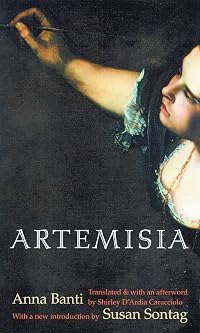
Artemisia
by Anna Banti
On This Page
Description
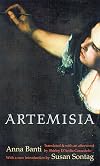
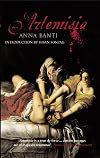
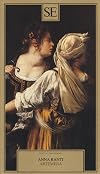
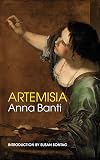
"Artemisia Gentileschi, born in 1598, the daughter of an esteemed painter, taught art in Naples and painted the great women of Roman and biblical history. She could neither read nor write, and she was the reviled victim in a public rape trial, rejected by her father, and later abandoned by her husband. Nevertheless, she was one of the first women in modern times to uphold through her work and deeds the right of women to pursue careers compatible with their talents and on an equal footing show more with men. This edition features a new introduction by the celebrated critic and writer Susan Sontag." --Book Jacket. show lessTags
Recommendations




























Member Reviews
Banti's historical fiction about the Renaissance painter Artemisia Gentileschi is a wonderfully creative take on the genre, being both biographical (of Banti's house fire which destroyed her original writings) and fictional novel (of Artimisia's personal journeys as a painter in Italy and England). The story of the artist is enthralling, but it is brought to life through Banti's creative feminist narrative on a woman operating in, and excelling in, a man's world (something Banti shares with her subject).
I had to attempt to read this for my Women's Studies class. I was not a fan of the changing narrator and shifts in time. Thankfully we're done with it and moving on in class.
Roman, 17. yüzyıl başında yaşamış gerçek bir tarihsel figür olan, resim tarihine geçmiş az sayıdaki kadın ressamdan biri olan Artemisia Gentileschi’nin hayatını konu alır. Banti, sanatçının Roma, Floransa, Napoli ve İngiltere'ye uzanan zorlu yaşam mücadelesini anlatırken, sadece biyografik bir çizgide kalmaz; modernist ve özgün bir üslupla kendi yazar kimliğini de hikâyenin içine dahil eder. Erkeğin egemen olduğu bir sanat dünyasında, yaşadığı büyük bir travmaya ve uğradığı haksızlıklara rağmen resim yapma tutkusundan vazgeçmeyen, hem bir kadın hem de bir sanatçı olarak var olma mücadelesi veren Artemisia’nın hikâyesi; kadınlık durumu, sanat ve tarihsel belleğin yeniden show more inşası üzerine derinlikli bir sorgulamaya dönüşür. show less
Mar 12, 2026Turkish
Artemisia Gentileschi è stata una delle più importanti pittrici italiane del XVII secolo, nota per il suo stile caravaggiesco e per aver affrontato temi forti e drammatici nelle sue opere.
Nata a Roma l'8 luglio 1593, Artemisia era figlia del pittore Orazio Gentileschi. Rimasta orfana di madre a soli 5 anni, crebbe nella bottega paterna, dove apprese le tecniche pittoriche, incluso lo stile del Caravaggio che Orazio ammirava. Artemisia mostrò un talento naturale per la pittura fin da bambina.
Nel 1611, all'età di 18 anni, Artemisia subì una violenza da parte del pittore Agostino Tassi, con cui stava studiando la prospettiva. Questo tragico evento influenzò profondamente la sua vita e la sua arte. Seguì un processo in cui Artemisia show more dovette subire un umiliante esame per provare la sua verginità.
Nonostante le difficoltà, Artemisia riuscì a imporsi nel panorama artistico dell'epoca. Nel 1616 fu la prima donna ad essere ammessa all'Accademia delle Arti del Disegno di Firenze. Entrò nella cerchia del granduca Cosimo II, imparò a scrivere e frequentò intellettuali come Galileo Galilei e Michelangelo il Giovane. La sua fama crebbe rapidamente.
Artemisia dipinse numerosi capolavori, spesso incentrati su figure femminili forti e determinate, come Giuditta che decapita Oloferne, Susanna e i vecchioni, Giuditta e la sua ancella. Il suo stile era caratterizzato da un forte realismo e da un uso drammatico del chiaroscuro.
Sposata con Pierantonio Stiattesi, ebbe tre figli. Intrattenne una passione con il nobile fiorentino Francesco Maria Maringhi, testimoniata da un ricco carteggio. Visse a Firenze, Roma, Venezia e Napoli, dove morì tra il 1652 e il 1656.
Artemisia Gentileschi è considerata una delle più grandi pittrici del Seicento, capace di esprimere con forza il dramma e la sofferenza umana. La sua vita e la sua arte sono un esempio di resilienza e determinazione.
La violenza sessuale subita da Artemisia Gentileschi all'età di 18 anni ha profondamente influenzato la sua arte e il suo percorso artistico. Artemisia dipinse diverse opere che possono essere interpretate come simbolo della violenza subita, come "Susanna e i vecchioni" (1610) e "Giuditta che decapita Oloferne" (1620).
Quest'ultima in particolare rappresenterebbe una forma di riscatto per il dolore patito.
Attraverso i suoi dipinti, spesso interpretò eroine bibliche o mitologiche che si vendicavano dei loro aggressori, come Giuditta che taglia la testa a Oloferne. Queste opere riflettono la rabbia e la determinazione di Artemisia di affrontare la violenza subita.
Artemisia era l'unica donna all'epoca a dipingere scene bibliche, un tema di cui gli uomini possedevano il monopolio. Trattando questa materia, ha deciso di concentrarsi sul potere femminile. Le sue protagoniste erano donne furiose, che non venivano considerate troppo insicure o fragili per dimostrarsi arrabbiate.
Probabilmente Artemisia è stata la prima che, grazie alla sua arte, ha permesso alle donne di ostentare la propria rabbia con orgoglio. I suoi dipinti mostrano figure femminili forti e determinate che si ribellano alla violenza maschile.
Artemisia ha anche inserito elementi personali nelle sue opere, come il ritratto di Artemide sul bracciale di Giuditta, la dea che ha protetto la propria verginità da coloro che hanno cercato di disonorarla e violentarla.
La violenza subita da Artemisia ha influenzato profondamente la sua arte, portandola a dipingere figure femminili potenti e vendicative che si ribellano alla violenza maschile. I suoi dipinti sono un potente grido di dolore e di riscatto. show less
Nata a Roma l'8 luglio 1593, Artemisia era figlia del pittore Orazio Gentileschi. Rimasta orfana di madre a soli 5 anni, crebbe nella bottega paterna, dove apprese le tecniche pittoriche, incluso lo stile del Caravaggio che Orazio ammirava. Artemisia mostrò un talento naturale per la pittura fin da bambina.
Nel 1611, all'età di 18 anni, Artemisia subì una violenza da parte del pittore Agostino Tassi, con cui stava studiando la prospettiva. Questo tragico evento influenzò profondamente la sua vita e la sua arte. Seguì un processo in cui Artemisia show more dovette subire un umiliante esame per provare la sua verginità.
Nonostante le difficoltà, Artemisia riuscì a imporsi nel panorama artistico dell'epoca. Nel 1616 fu la prima donna ad essere ammessa all'Accademia delle Arti del Disegno di Firenze. Entrò nella cerchia del granduca Cosimo II, imparò a scrivere e frequentò intellettuali come Galileo Galilei e Michelangelo il Giovane. La sua fama crebbe rapidamente.
Artemisia dipinse numerosi capolavori, spesso incentrati su figure femminili forti e determinate, come Giuditta che decapita Oloferne, Susanna e i vecchioni, Giuditta e la sua ancella. Il suo stile era caratterizzato da un forte realismo e da un uso drammatico del chiaroscuro.
Sposata con Pierantonio Stiattesi, ebbe tre figli. Intrattenne una passione con il nobile fiorentino Francesco Maria Maringhi, testimoniata da un ricco carteggio. Visse a Firenze, Roma, Venezia e Napoli, dove morì tra il 1652 e il 1656.
Artemisia Gentileschi è considerata una delle più grandi pittrici del Seicento, capace di esprimere con forza il dramma e la sofferenza umana. La sua vita e la sua arte sono un esempio di resilienza e determinazione.
La violenza sessuale subita da Artemisia Gentileschi all'età di 18 anni ha profondamente influenzato la sua arte e il suo percorso artistico. Artemisia dipinse diverse opere che possono essere interpretate come simbolo della violenza subita, come "Susanna e i vecchioni" (1610) e "Giuditta che decapita Oloferne" (1620).
Quest'ultima in particolare rappresenterebbe una forma di riscatto per il dolore patito.
Attraverso i suoi dipinti, spesso interpretò eroine bibliche o mitologiche che si vendicavano dei loro aggressori, come Giuditta che taglia la testa a Oloferne. Queste opere riflettono la rabbia e la determinazione di Artemisia di affrontare la violenza subita.
Artemisia era l'unica donna all'epoca a dipingere scene bibliche, un tema di cui gli uomini possedevano il monopolio. Trattando questa materia, ha deciso di concentrarsi sul potere femminile. Le sue protagoniste erano donne furiose, che non venivano considerate troppo insicure o fragili per dimostrarsi arrabbiate.
Probabilmente Artemisia è stata la prima che, grazie alla sua arte, ha permesso alle donne di ostentare la propria rabbia con orgoglio. I suoi dipinti mostrano figure femminili forti e determinate che si ribellano alla violenza maschile.
Artemisia ha anche inserito elementi personali nelle sue opere, come il ritratto di Artemide sul bracciale di Giuditta, la dea che ha protetto la propria verginità da coloro che hanno cercato di disonorarla e violentarla.
La violenza subita da Artemisia ha influenzato profondamente la sua arte, portandola a dipingere figure femminili potenti e vendicative che si ribellano alla violenza maschile. I suoi dipinti sono un potente grido di dolore e di riscatto. show less
Jul 8, 2024Italian
En roman der "brænder sig fast" hos læseren.
Historisk roman om Artemisia Gentileschi, født i 1598. Datter af den anerkendte barokmaler, Orazio Gentileschi, levede et turbolent liv.
Som helt ung bliver hun voldtaget af sin tegnelærer og efter en ydmygende, vanærende retssag helligede hun sig totalt maleriet og formåede at slå sig igennem som kvindelig maler.
I hendes biografiske data optræder en ægtemand og 2 – 3 børn, samt en for tiden enestående begivenhed: alene kvinde rejste hun til England for at besøge sin far som havde skabt sig en karriere under Charles d. I
Romanen er ikke en traditionel biografisk-historisk roman.
Banti tager sig store friheder og digter sit eget værk i en løbende dialog med Artemisia. Denne show more opbygning af romanen giver en oplevelse af at der skabes en pagt mellem de to kvinder. En pagt hvor Banti giver Artemisia stemme og liv nr.2 og til gengæld i retur får skrevet en helt særligt værk som skiller sig ud fra den traditionelle historiske roman.
Desværre er romanen kun oversat til engelsk show less
Historisk roman om Artemisia Gentileschi, født i 1598. Datter af den anerkendte barokmaler, Orazio Gentileschi, levede et turbolent liv.
Som helt ung bliver hun voldtaget af sin tegnelærer og efter en ydmygende, vanærende retssag helligede hun sig totalt maleriet og formåede at slå sig igennem som kvindelig maler.
I hendes biografiske data optræder en ægtemand og 2 – 3 børn, samt en for tiden enestående begivenhed: alene kvinde rejste hun til England for at besøge sin far som havde skabt sig en karriere under Charles d. I
Romanen er ikke en traditionel biografisk-historisk roman.
Banti tager sig store friheder og digter sit eget værk i en løbende dialog med Artemisia. Denne show more opbygning af romanen giver en oplevelse af at der skabes en pagt mellem de to kvinder. En pagt hvor Banti giver Artemisia stemme og liv nr.2 og til gengæld i retur får skrevet en helt særligt værk som skiller sig ud fra den traditionelle historiske roman.
Desværre er romanen kun oversat til engelsk show less
Feb 11, 2008Danish
Anna Banti amb tres segles de distància analitza la vida d'Artemisia i la seva. Una redacció molt anàlitica, objectiva i descriptiva a nivell del pensament.
Mar 9, 2022Catalan
Ratings
Members
- Recently Added By
Lists

Books Set in Italy
167 works; 19 members

Female Author
1,235 works; 67 members

Italian Literature
557 works; 42 members

1940s
221 works; 25 members

500 Great Books by Women
507 works; 60 members

Best Italian Novels
25 works; 3 members

le donne raccontano
116 works; 1 member

Books Read in 2009
464 works; 11 members
Lista dei 100 migliori libri italiani degli ultimi 200 anni
100 works; 1 member

Read in 2009
44 works; 1 member
Author Information

34+ Works 396 Members
Some Editions
Awards and Honors
Series
Belongs to Publisher Series
Common Knowledge
- Canonical title
- Artemisia
- Original title
- Artemisia
- Original publication date
- 1947
- People/Characters
- Artemisia Gentileschi
- Dedication*
- a R. L.
- Original language
- Italian
*Some information comes from Common Knowledge in other languages. Click "Edit" for more information.
Classifications
- Genres
- Fiction and Literature, General Fiction, Historical Fiction
- DDC/MDS
- 853.912 — Literature & rhetoric Italian, Romanian & related literatures Italian fiction 1900- 20th Century 1900-1945
- LCC
- PQ4827 .O635 .A913 — Language and Literature French, Italian, Spanish and Portuguese literatures Italian literature Individual authors, 1900-1960
- BISAC
Statistics
- Members
- 262
- Popularity
- 123,507
- Reviews
- 6
- Rating
- (3.53)
- Languages
- 6 — Dutch, English, German, Italian, Spanish, Turkish
- Media
- Paper, Ebook
- ISBNs
- 22
- ASINs
- 1