
Beware of Pity
by Stefan Zweig
On This Page
Description
"Stefan Zweig's brilliant novel, Beware of Pity, is an original and powerful work."-The New York Times The great Austrian writer Stefan Zweig was a master anatomist of the deceitful heart, and Beware of Pity, the only novel he published during his lifetime, uncovers the seed of selfishness within even the finest of feelings. Beware of Pity is an almost unbearably tense and powerful tale of unrequited love and the danger of pity. In 1913, Hofmiller, an Austro-Hungarian cavalry officer show more stationed at the edge of the empire, is invited to a party at the home of a rich local landowner, a world away from the dreary routine of the barracks. The surroundings are glamorous, wine flows freely, and the exhilarated young Hofmiller asks his host's lovely daughter for a dance, only to discover that sickness has left her painfully crippled. It is a minor blunder that will destroy his life, as pity and guilt gradually implicate him in a well-meaning but tragically wrongheaded plot to restore the unhappy invalid to health. Stefan Zweig's only novel is a devastating depiction of the torment of the betrayal of both honour and love, realised against the background of the disintegration of the Austro-Hungarian Empire. show lessTags
Recommendations



















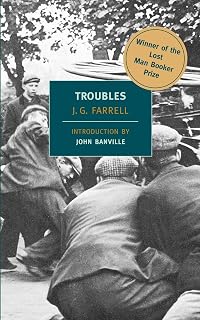


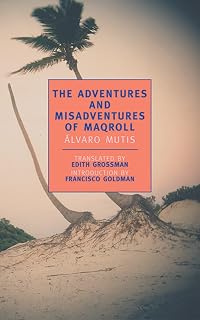
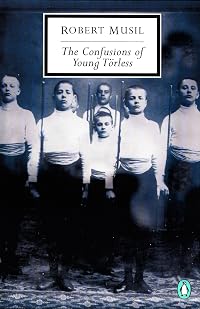

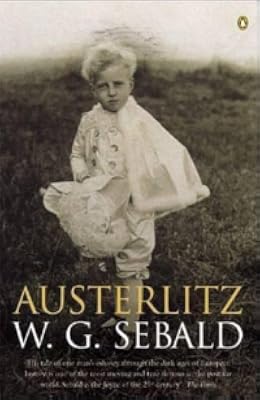










Member Recommendations
bluepiano The outlines of these novels are so similar that I rather wonder if Zweig had the earlier novel in mind when writing his.
Member Reviews
Some people consider Stefan Zweig’s book, ‘Beware of Pity’, to be his greatest novel. While I consider this novel to be magnificent, I much prefer his other book, ‘Chess.’
The story concerns the tale of Lt (later Captain) Hofmiller, posted to a dreary Austrian town, and how he starts to visit the home of the town’s richest family, the Kekesfalvas. Herr von Kekesfalva has a crippled daughter, Edith. Our hero becomes a fixture at the Kekesfalva household, and Edith falls passionately in love with him.
Stefan Zweig based his book on the premise that there are two kinds of pity, one that is feeble, sentimental, and corrosive, while the second type is unsentimental and constructive. Indeed, Edith’s doctor, Dr. Condor, embodies show more the second type of behavior, as we see in his relationship with his blind wife.
Stefan Zweig wrote the book in the first person, so we know what happens inside the hero’s brain and how his emotions get the better of him. I will not write about the book’s conclusion because it would spoil it for many readers. However, while the title speaks of pity and not cowardice, Lt. Hofmiller’s behavior embodies self-pity, cowardice, and weakness. He embodies the personality of a man who cannot, and will not, stand for his principles, if he has any.
It is rare that I have felt less sympathy for a hero than I did after reading this novel by Stefan Zweig.
He wrote the book in the style of the times, with long passages devoted to the hero’s inner struggles, thoughts, and conflicting emotions. Unlike our past-paced times, where sensations bombard us constantly, leaving us with less time for reflection, a vastly reduced desire to read patiently, Stefan Zweig’s book requires patient reading.
Having said that, I felt that a few passages in the book’s center could have been shortened: we know what is going through Hofmiller’s head, and it is only because he is a character in a novel that we cannot shake him by the collar and ask him to develop courage and honor!
While yes, the book deals with both kinds of pity, the book also deals with moral turpitude and cowardice, perhaps unintentionally.
Will the book attract a modern reader? A few, maybe, just a few show less
The story concerns the tale of Lt (later Captain) Hofmiller, posted to a dreary Austrian town, and how he starts to visit the home of the town’s richest family, the Kekesfalvas. Herr von Kekesfalva has a crippled daughter, Edith. Our hero becomes a fixture at the Kekesfalva household, and Edith falls passionately in love with him.
Stefan Zweig based his book on the premise that there are two kinds of pity, one that is feeble, sentimental, and corrosive, while the second type is unsentimental and constructive. Indeed, Edith’s doctor, Dr. Condor, embodies show more the second type of behavior, as we see in his relationship with his blind wife.
Stefan Zweig wrote the book in the first person, so we know what happens inside the hero’s brain and how his emotions get the better of him. I will not write about the book’s conclusion because it would spoil it for many readers. However, while the title speaks of pity and not cowardice, Lt. Hofmiller’s behavior embodies self-pity, cowardice, and weakness. He embodies the personality of a man who cannot, and will not, stand for his principles, if he has any.
It is rare that I have felt less sympathy for a hero than I did after reading this novel by Stefan Zweig.
He wrote the book in the style of the times, with long passages devoted to the hero’s inner struggles, thoughts, and conflicting emotions. Unlike our past-paced times, where sensations bombard us constantly, leaving us with less time for reflection, a vastly reduced desire to read patiently, Stefan Zweig’s book requires patient reading.
Having said that, I felt that a few passages in the book’s center could have been shortened: we know what is going through Hofmiller’s head, and it is only because he is a character in a novel that we cannot shake him by the collar and ask him to develop courage and honor!
While yes, the book deals with both kinds of pity, the book also deals with moral turpitude and cowardice, perhaps unintentionally.
Will the book attract a modern reader? A few, maybe, just a few show less
Leer a Zweig siempre me produce una sensación catártica. Su manera de escribir es tan cristalina, y su descripción de los sentimientos más profundos tan delicada y acertada, que quedas fascinado sin remedio; tu alma queda totalmente impregnada de todas las vivencias de los personajes. Y uno no puede dejar de pensar en cómo pueden conocerse tan bien los sentimientos y, por qué no, también los pensamientos de las personas.
Por pura casualidad, el escritor de esta historia se encuentra en Viena con un conocido; ambos están es un restaurante por diferentes motivos. Este amigo ve también en el mismo local a otro conocido suyo, un militar altamente condecorado en la Gran Guerra, todo un héroe, del cuál empezará a contar las más show more variopintas historias, de tal modo que nuestro escritor, un trasunto de Zweig, y viendo también la reacción de este personaje, que les lanza unas miradas nada amistosas, quedará fascinado al instante. Será cuando el escritor se quede a solas cuando dicho personaje se acerque a él para sacarle de la cabeza todas las historias descabelladas que el otro haya podido contarle. Y es que no es oro todo lo que reluce y lo que pueda parecer valentía puede no ser más que otro tipo de cobardía. A lo largo de los próximos días, este personaje irá desgranando toda su trágica historia; y es aquí donde comienza realmente la novela, pasando a ser el narrador el militar, es decir, el teniente Anton Hofmiller…
Año 1913, estamos a las puertas de la Gran Guerra, algo insospechado por el momento, y el teniendo de caballería Hofmiller está destacado cerca de Viena y Budapest, pasando el tiempo entre práctica y práctica jugando a las cartas con sus compañeros. Hasta que un día, inesperadamente, reciba una invitación para visitar el castillo de Lajos von Kekesfalva, cuya hija sufre una enfermedad. Por cosas del destino, Hofmiller provocará un percance relacionado con Edith Kekesfalva. Este accidente acarreará toda una serie de historias, en las que se verán involucrados los sentimientos de los Kekesfalva y la compasión de Hofmiller, participando también en todo ello el doctor de la familia, Condor.
Citando la introducción de Zweig:
"Hay dos clases de piedad. Una, débil y sentimental, que en realidad sólo es impaciencia del corazón para liberarse lo antes posible de la penosa emoción ante una desgracia ajena, es una compasión que no es exactamente compasión, sino una defensa instintiva del alma frente al dolor ajeno. Y la otra, la única que cuenta, es la compasión desprovista de los sentimental, pero creativa, que sabe lo que quiere y está dispuesta a aguantar con paciencia y resignación hasta sus últimas fuerzas e incluso más allá."
Y realmente es así, porque esa impaciencia del corazón está muy presente en todo el libro y en todos los personajes: en Anton y su compasión por Edith y su padre; en la misma Edith, impaciente en obtener lo imposible a toda costa; en Kekesfalva, impaciente por la salud de su hija; en Ilona, la amiga que hace compañía a Edith, impaciente por su pronto restablecimiento; en el doctor Condor, impaciente por que todo siga como estaba, ya que su impaciencia ya le atrapó en su momento; en los compañeros de Anton, impacientes porque éste parece haberles dejado de lado por sus nuevos "amigos"...
Stefan Zweig plasma todos estos sentimientos en una obra perfecta en su construcción, que te obliga a acompañarle en un viaje que no te deja indiferente y que te deja una huella indeleble a su término. show less
Por pura casualidad, el escritor de esta historia se encuentra en Viena con un conocido; ambos están es un restaurante por diferentes motivos. Este amigo ve también en el mismo local a otro conocido suyo, un militar altamente condecorado en la Gran Guerra, todo un héroe, del cuál empezará a contar las más show more variopintas historias, de tal modo que nuestro escritor, un trasunto de Zweig, y viendo también la reacción de este personaje, que les lanza unas miradas nada amistosas, quedará fascinado al instante. Será cuando el escritor se quede a solas cuando dicho personaje se acerque a él para sacarle de la cabeza todas las historias descabelladas que el otro haya podido contarle. Y es que no es oro todo lo que reluce y lo que pueda parecer valentía puede no ser más que otro tipo de cobardía. A lo largo de los próximos días, este personaje irá desgranando toda su trágica historia; y es aquí donde comienza realmente la novela, pasando a ser el narrador el militar, es decir, el teniente Anton Hofmiller…
Año 1913, estamos a las puertas de la Gran Guerra, algo insospechado por el momento, y el teniendo de caballería Hofmiller está destacado cerca de Viena y Budapest, pasando el tiempo entre práctica y práctica jugando a las cartas con sus compañeros. Hasta que un día, inesperadamente, reciba una invitación para visitar el castillo de Lajos von Kekesfalva, cuya hija sufre una enfermedad. Por cosas del destino, Hofmiller provocará un percance relacionado con Edith Kekesfalva. Este accidente acarreará toda una serie de historias, en las que se verán involucrados los sentimientos de los Kekesfalva y la compasión de Hofmiller, participando también en todo ello el doctor de la familia, Condor.
Citando la introducción de Zweig:
"Hay dos clases de piedad. Una, débil y sentimental, que en realidad sólo es impaciencia del corazón para liberarse lo antes posible de la penosa emoción ante una desgracia ajena, es una compasión que no es exactamente compasión, sino una defensa instintiva del alma frente al dolor ajeno. Y la otra, la única que cuenta, es la compasión desprovista de los sentimental, pero creativa, que sabe lo que quiere y está dispuesta a aguantar con paciencia y resignación hasta sus últimas fuerzas e incluso más allá."
Y realmente es así, porque esa impaciencia del corazón está muy presente en todo el libro y en todos los personajes: en Anton y su compasión por Edith y su padre; en la misma Edith, impaciente en obtener lo imposible a toda costa; en Kekesfalva, impaciente por la salud de su hija; en Ilona, la amiga que hace compañía a Edith, impaciente por su pronto restablecimiento; en el doctor Condor, impaciente por que todo siga como estaba, ya que su impaciencia ya le atrapó en su momento; en los compañeros de Anton, impacientes porque éste parece haberles dejado de lado por sus nuevos "amigos"...
Stefan Zweig plasma todos estos sentimientos en una obra perfecta en su construcción, que te obliga a acompañarle en un viaje que no te deja indiferente y que te deja una huella indeleble a su término. show less
'Beware of Pity' has a stark title and is not an easy novel to read. It examines pride, shame, sympathy, and disability with nuanced intensity. I often found the level of emotional anguish, which could also be characterised as mental instability, uncomfortable. The story is told by Anton (Toni) Hofmiller, a young officer, and set shortly before the first world war. Bored by his job and military companions, Toni is invited to dinner by a rich man and meets the man's disabled daughter and her cousin. After making an excruciating social faux pas at the dinner, he befriends the family and becomes enmeshed in their claustrophobic household. He enjoys their admiration, pleasant companionship, and luxurious lifestyle, until he starts to find show more their idolisation oppressive.
I found it fascinating that Toni, living in a wholly masculine milieu that he dislikes, is shown to be constantly swayed not just by his own emotions but those of others. He is highly sensitive, which isn't what one might expect from an army officer in his twenties. He can fit in with his jocular, womanising fellow officers, but doesn't enjoy doing so. His responsiveness to persuasion and social pressure was sometimes shocking; it seemed to hover between empathy and weakness of character. He appeared remarkably unguarded and very easily buoyed or crushed by the perceptions of others. I found this behaviour striking, yet hard to understand as I am quite peer pressure resistant myself. His story demonstrates how a well-meant gesture can turn into an entrapping pattern. His dynamic with Edith, whose legs are paralysed, invites questions about the nature of pity. When does sympathy become pity - when it lacks empathy and understanding? Does Toni infantalise and objectify Edith? Zweig's narrative gives her much more depth and agency than many a Victorian invalid character. While her emotions and actions are often extreme, they appear sadly understandable in context.
There is a pervasive gendered dynamic throughout the story of men pitying women without respecting them, to the detriment of both parties. Kekesfalva exhibits this with his wife and daughter; Dr Condor with his wife; Toni with Edith. The narrative allows these men to explain their feelings in more depth than the women, although the reader is shown glimpses of Edith's fraught inner life via letters. Kekesfalva attempts to redeem himself for earlier misdeeds by indulging his wife and later his daughter with expensive luxury. Edith lives in secluded comfort, but is evidently lonely, bored, and intensely frustrated by her disability. Dr Condor's wife appears likewise frustrated and angered by her inequality with her overworked husband. Condor is easily the most self-aware and emotionally mature character, which allows him considerable influence over Kekesfalva, Toni, and Edith.
Suicide is a theme throughout, made even more unsettling by Zweig's own suicide with his wife only a few years after 'Beware of Pity' was published. The psychology of all the novel's characters has an extremity to it, a fatalistic sense that death can be the only escape.Toni's careful preparations for killing himself are absolutely chilling to read. By that point, he has become engaged to Edith without wanting to, out of sheer reluctance to upset her, then denied his engagement while drunk with fellow officers. His commanding officer convinces him that the dishonour of this situation can be salvaged. Alas, it is too late. Edith has already heard of Toni's denial and, heartbroken, kills herself. As she has tried to do so twice before, and threatened it since then, such a horrific denouement isn't surprising. Her earlier intensities of feeling and extremes of behaviour suggest what might now be diagnosed as bipolar disorder. The tale ends with Toni surviving the trenches of the First World War, to find his earlier shame forgotten by everyone except him. A bleak ending indeed. Although Zweig is a brilliant and compelling writer, I cannot say that I enjoyed this novel. I loved [b:The Post-Office Girl|2376087|The Post-Office Girl|Stefan Zweig|https://i.gr-assets.com/images/S/compressed.photo.goodreads.com/books/1347760549l/2376087._SY75_.jpg|2382997], a spectacular yet unfinished book that the reader can impute their own ending to. 'Beware of Pity' has a definitively tragic conclusion that I won't soon forget. Although the title gives a specific moral message, the text suggests that all emotions can be dangerous if felt with sufficient intensity. show less
I found it fascinating that Toni, living in a wholly masculine milieu that he dislikes, is shown to be constantly swayed not just by his own emotions but those of others. He is highly sensitive, which isn't what one might expect from an army officer in his twenties. He can fit in with his jocular, womanising fellow officers, but doesn't enjoy doing so. His responsiveness to persuasion and social pressure was sometimes shocking; it seemed to hover between empathy and weakness of character. He appeared remarkably unguarded and very easily buoyed or crushed by the perceptions of others. I found this behaviour striking, yet hard to understand as I am quite peer pressure resistant myself. His story demonstrates how a well-meant gesture can turn into an entrapping pattern. His dynamic with Edith, whose legs are paralysed, invites questions about the nature of pity. When does sympathy become pity - when it lacks empathy and understanding? Does Toni infantalise and objectify Edith? Zweig's narrative gives her much more depth and agency than many a Victorian invalid character. While her emotions and actions are often extreme, they appear sadly understandable in context.
There is a pervasive gendered dynamic throughout the story of men pitying women without respecting them, to the detriment of both parties. Kekesfalva exhibits this with his wife and daughter; Dr Condor with his wife; Toni with Edith. The narrative allows these men to explain their feelings in more depth than the women, although the reader is shown glimpses of Edith's fraught inner life via letters. Kekesfalva attempts to redeem himself for earlier misdeeds by indulging his wife and later his daughter with expensive luxury. Edith lives in secluded comfort, but is evidently lonely, bored, and intensely frustrated by her disability. Dr Condor's wife appears likewise frustrated and angered by her inequality with her overworked husband. Condor is easily the most self-aware and emotionally mature character, which allows him considerable influence over Kekesfalva, Toni, and Edith.
Suicide is a theme throughout, made even more unsettling by Zweig's own suicide with his wife only a few years after 'Beware of Pity' was published. The psychology of all the novel's characters has an extremity to it, a fatalistic sense that death can be the only escape.
The Short of It:
A strange, interesting read.
The Rest of It:
"In 1913, Hofmiller, an Austro-Hungarian cavalry officer stationed at the edge of the empire, is invited to a party at the home of a rich local landowner, a world away from the dreary routine of the barracks. The surroundings are glamorous, wine flows freely, and the exhilarated young Hofmiller asks his host’s lovely daughter for a dance, only to discover that sickness has left her painfully crippled. It is a minor blunder that will destroy his life, as pity and guilt gradually implicate him in a well-meaning but tragically wrongheaded plot to restore the unhappy invalid to health." ~ the publisher
This delicate blunder completely ruins Hofmiller. His innocent invitation to show more dance is repeated in his head over and over again. He sees the stricken look of the girl as she reveals the current state of her legs. After such a faux pas, and his desire to be included in the lives these people lead, he finds himself trying to please Edith any way he can, until he realizes that her only reason for living, is the love she has for him. There is no reciprocation in this regard.
My club chose this book for this month’s meeting and it is indeed very interesting and I feel that there will be plenty to discuss. It reads like a high brow soap opera and I don’t mean that in a negative way. It’s very episodic and dramatic and Edith is quite the femme fatale. as well as Daddy’s “little” girl. She is a young woman who is not used to being told “No”. What she wants, she usually gets so the push/pull of Hofmiller’s relationship with her is one that completely absorbs his every thought.
How can Hofmiller remain in good standing with Edith’s father, and the good Dr. Condor when he cares not one iota for the girl? Why does he even feel it necessary?
Pity. It’s all about pity. The title of the book makes it very clear. Pity can cause you to do all sorts of foolish things. It affects the way you make decisions but others use it to manipulate those around them. Manipulation, guilt, pity, grief. All topics for discussion. Edith is a frustrating character, but in her defense, she is promised over and over again that the next treatment will do the trick. She hangs onto hope because those around her continue to stoke the fire.
I found this book to be rather entertaining, if not a tad exhausting. Much of it was very fast paced. Hofmiller running here, and there and then back again. His interactions with other soldiers, providing a much needed break. All of it interspersed with parties and gatherings and dinners.
I enjoyed the writing very much. We get to know each character’s intentions quite well. I will say also that one part of the story took me by surprise and it changed my outlook on many things. Lots of food for thought.
For more reviews, visit my blog: Book Chatter. show less
A strange, interesting read.
The Rest of It:
"In 1913, Hofmiller, an Austro-Hungarian cavalry officer stationed at the edge of the empire, is invited to a party at the home of a rich local landowner, a world away from the dreary routine of the barracks. The surroundings are glamorous, wine flows freely, and the exhilarated young Hofmiller asks his host’s lovely daughter for a dance, only to discover that sickness has left her painfully crippled. It is a minor blunder that will destroy his life, as pity and guilt gradually implicate him in a well-meaning but tragically wrongheaded plot to restore the unhappy invalid to health." ~ the publisher
This delicate blunder completely ruins Hofmiller. His innocent invitation to show more dance is repeated in his head over and over again. He sees the stricken look of the girl as she reveals the current state of her legs. After such a faux pas, and his desire to be included in the lives these people lead, he finds himself trying to please Edith any way he can, until he realizes that her only reason for living, is the love she has for him. There is no reciprocation in this regard.
My club chose this book for this month’s meeting and it is indeed very interesting and I feel that there will be plenty to discuss. It reads like a high brow soap opera and I don’t mean that in a negative way. It’s very episodic and dramatic and Edith is quite the femme fatale. as well as Daddy’s “little” girl. She is a young woman who is not used to being told “No”. What she wants, she usually gets so the push/pull of Hofmiller’s relationship with her is one that completely absorbs his every thought.
How can Hofmiller remain in good standing with Edith’s father, and the good Dr. Condor when he cares not one iota for the girl? Why does he even feel it necessary?
Pity. It’s all about pity. The title of the book makes it very clear. Pity can cause you to do all sorts of foolish things. It affects the way you make decisions but others use it to manipulate those around them. Manipulation, guilt, pity, grief. All topics for discussion. Edith is a frustrating character, but in her defense, she is promised over and over again that the next treatment will do the trick. She hangs onto hope because those around her continue to stoke the fire.
I found this book to be rather entertaining, if not a tad exhausting. Much of it was very fast paced. Hofmiller running here, and there and then back again. His interactions with other soldiers, providing a much needed break. All of it interspersed with parties and gatherings and dinners.
I enjoyed the writing very much. We get to know each character’s intentions quite well. I will say also that one part of the story took me by surprise and it changed my outlook on many things. Lots of food for thought.
For more reviews, visit my blog: Book Chatter. show less
Imposible no disfrutar de la pluma de Zweig, sin duda el hombre tenía magia en las manos, un don increíble para las letras, para transmitir y contar historias.
No he leído todos sus libros, me faltan muchos, pero todo lo que he leído de él hasta el momento, no me defrauda, siempre me deja con ese sentimiento de profunda admiración hacia quien puede escribir cosas tan bien hechas y con una capacidad para mostrar sentimientos reales, profundos y naturales.
Escrito 3 años antes de su muerte, durante una época convulsa en su Austria de nacimiento, primero es destacable que Zweig dentro de la historia principal deja entrever su opinión personal sobre lo que sucedía en esos momentos, politica y socialmente, inevitable darse cuenta de show more la manera en que pinta la sociedad hipócrita, orgullosa pero también un racismo encubierto hacia una raza que conocería lo peor del odio en la II Guerra mundial.
Sin embargo no es de lo que trata el libro si no de la cobardía de un hombre orgulloso, que se quiere engrandecer ante sí mismo con actos aparentemente compasivos cuando lo que lo mueve es egolatría, un orgullo mal encaminado y una falta de real compasión como pocas he visto.
Si bien, nuestro protagonista nos relata en primera persona toda su historia, sus sentimientos, sus miedos y cobardía, puede ser tratado y visto como un hombre inmaduro, manipulado incluso, es inevitable ver lo que es realmente y dentro de la última frase de este libro se encierra la enorme verdad de lo acontecido en toda la historia.
Realmente Zweig ha retratado una situación de manera cruda y real, una mujer incapacitada, un padre que ama profundamente, un hombre que se ve enmedio de una situación que él mismo se buscó y que a cada paso proyecta la cobardía que lleva dentro y que al final aprende una lección y tendrá que vivir con ella.
Me ha encantado este libro, Zweig no defrauda y te deja sin duda alguna con un buen sabor de boca. A diferencia de lo que nos tiene acostumbrados, este libro tiene más de 100 páginas, pero no se asusten, vale la pena cada una de las más de 400 páginas y sin duda tiene unas frases dignas de subrayarse. show less
No he leído todos sus libros, me faltan muchos, pero todo lo que he leído de él hasta el momento, no me defrauda, siempre me deja con ese sentimiento de profunda admiración hacia quien puede escribir cosas tan bien hechas y con una capacidad para mostrar sentimientos reales, profundos y naturales.
Escrito 3 años antes de su muerte, durante una época convulsa en su Austria de nacimiento, primero es destacable que Zweig dentro de la historia principal deja entrever su opinión personal sobre lo que sucedía en esos momentos, politica y socialmente, inevitable darse cuenta de show more la manera en que pinta la sociedad hipócrita, orgullosa pero también un racismo encubierto hacia una raza que conocería lo peor del odio en la II Guerra mundial.
Sin embargo no es de lo que trata el libro si no de la cobardía de un hombre orgulloso, que se quiere engrandecer ante sí mismo con actos aparentemente compasivos cuando lo que lo mueve es egolatría, un orgullo mal encaminado y una falta de real compasión como pocas he visto.
Si bien, nuestro protagonista nos relata en primera persona toda su historia, sus sentimientos, sus miedos y cobardía, puede ser tratado y visto como un hombre inmaduro, manipulado incluso, es inevitable ver lo que es realmente y dentro de la última frase de este libro se encierra la enorme verdad de lo acontecido en toda la historia.
Realmente Zweig ha retratado una situación de manera cruda y real, una mujer incapacitada, un padre que ama profundamente, un hombre que se ve enmedio de una situación que él mismo se buscó y que a cada paso proyecta la cobardía que lleva dentro y que al final aprende una lección y tendrá que vivir con ella.
Me ha encantado este libro, Zweig no defrauda y te deja sin duda alguna con un buen sabor de boca. A diferencia de lo que nos tiene acostumbrados, este libro tiene más de 100 páginas, pero no se asusten, vale la pena cada una de las más de 400 páginas y sin duda tiene unas frases dignas de subrayarse. show less
9.5
Soldier in the Austro Hungarian Army in 1914 asks a wealthy girl to dance without realizing she is a paraplegic. He takes PITY on her and visits her daily. She falls in love with him. He has only PITY for her, and is very afraid what OTHERS will say. should he let PITY control his actions and he is very unhappy but she will be happy or should he let his true feelings be known, but she may commit suicide? what is our responsibility to others and to ourselves?
Soldier in the Austro Hungarian Army in 1914 asks a wealthy girl to dance without realizing she is a paraplegic. He takes PITY on her and visits her daily. She falls in love with him. He has only PITY for her, and is very afraid what OTHERS will say. should he let PITY control his actions and he is very unhappy but she will be happy or should he let his true feelings be known, but she may commit suicide? what is our responsibility to others and to ourselves?
For the first time in my life I began to realise that it is not evil and brutality, but nearly always weakness, that is to blame for the worst things that happen in this world.
A simple yet effective cautionary tale on the slippery slope from empathy to pity, the novel captures the emotional maturation of the protagonist and explores the difficult question of how much responsibility we should take for other people's happiness, how too much (as well as too little) of kindness can actually turn into cruelty. It reminded me of The prose is kept deft and light by the translators, Phyllis and Trevor Blewitt, complementing well with the overall narrative.
Recommended for those in the formative years of emotional maturity.
Aside: The main show more question posed by the story - what makes A Good Person - reminds me strongly of the Prince in . show less
A simple yet effective cautionary tale on the slippery slope from empathy to pity, the novel captures the emotional maturation of the protagonist and explores the difficult question of how much responsibility we should take for other people's happiness, how too much (as well as too little) of kindness can actually turn into cruelty. It reminded me of The prose is kept deft and light by the translators, Phyllis and Trevor Blewitt, complementing well with the overall narrative.
Recommended for those in the formative years of emotional maturity.
Aside: The main show more question posed by the story - what makes A Good Person - reminds me strongly of the Prince in . show less
Members
- Recently Added By
Lists

German Literature
518 works; 49 members

Jewish Books
367 works; 24 members

Books Read in 2016
4,666 works; 199 members

Books Read in 2020
4,379 works; 124 members

A Novel Cure
742 works; 23 members

Books about World War I
80 works; 14 members

Troublesome bodies
110 works; 7 members

Liste Otto
107 works; 1 member
Author Information

884+ Works 32,662 Members
Born in Vienna, the prolific Zweig was a poet in his early years. In the 1920s, he achieved fame with the many biographies he wrote of famous people including Balzac, Dostoevsky, Dickens and Freud. Erasmus with whom he closely identified, was the subject of a longer biography. He also wrote the novellas Amok (1922) and The Royal Game (1944). As show more Nazism spread, Zweig, a Jew, fled to the United States and then to Brazil. He hoped to start a new life there, but the haunting memory of Nazism, still undefeated, proved too much for him. He died with his wife in a suicide pact. (Bowker Author Biography) show less
Some Editions
Awards and Honors
Distinctions
Notable Lists
Series
Belongs to Publisher Series
Work Relationships
Is contained in
Is abridged in
Common Knowledge
- Canonical title
- Beware of Pity
- Original title
- Ungeduld des Herzens
- Alternate titles
- La pitié dangereuse (ou L'impatience du coeur) (ou L'impatience du coeur)
- Original publication date
- 1939; 1982 (English translation) (English translation)
- People/Characters
- Lieutenant Anton Hofmiller; Herr Lajos von Kekesfalva; Edith von Kekesfalva; Ilona; Dr Condor
- Important places
- Austro-Hungarian border
- Important events*
- Primera Guerra Mundial
- Related movies
- Beware of Pity (1946 | IMDb)
- Epigraph
- There are two kinds of pity. One, the weak and sentimental kind, which is really no more than the heart's impatience to be rid as quickly as possible of the painful emotion aroused by the sight of another's unhappiness...; an... (show all)d the other, the only kind that counts, the unsentimental but creative kind, which knows what it is about and is determined to hold out, in patience and forbearance, to the very limit of its strength and even beyond.
- First words
- In the 1920s and 1930s Stefan Sweig was an immensely popular writer, a man who had to barricade himself in his house in Salzburg in order to avoid the fans lurking around his property in the hope of waylaying him. According t... (show all)o his publisher, he was the most widely translated author in the world. Today, while he is still read in Germany and also in France, his name is barely known to the average Anglophone reader. In the last few decades, however, there has been an effort to get Zweig back into print in English. In my opinion, no book of his deserves reissue ore than his one novel, Beware of Pity (Ungeduld des Herzes, 1938). -Introduction, Joan Acocella
A short explanation may perhaps be necessary for the English reader. The Austro-Hungarian Army constituted a uniform, homogenous body in an Empire composed of a very large number of nations and races. Unlike his English, Fren... (show all)ch, and even German confrere, the Austrian officer was not allowed to wear mufti when off duty, and military regulations prescribed that in his private life he should always act 'standesgemass', that is, in accordance with the special etiquette and code of honour of the Austrian military case. -Author's Note
'To him that hath, to him shall be given.' These words from the Scriptures the writer may safely restate as: 'To him that hath told much, to him shall much be told.' Nothing is further from the truth than the only too common ... (show all)notion that the author's fantasy is incessantly at work within him, that his invention has an inexhaustible and continuous fund of stories and incidents upon which to draw. In reality he need only, instead of setting out to find, let himself be found by, characters and happenings, which, in so far as he has preserved the heightened capacity for observing and listening, unceasingly seek him out at their instrument of communication. To the person who has over and over again tried to trace human destinies, many tell their own story. -Introduction, Stefan Zweig
The whole thing began with a blunder on my part, an entirely innocent piece of clumsiness, a gaffe, as the French call it. Then followed an attempt to put things right; but if you try to repair a watch in too much of a hurry,... (show all) you're as likely as not to put the whole works out of order. When today, now that years have gone by, I am unable to decide exactly where my sheer gaucherie ended and my guilt began. I dare say I shall never know. - Last words
- (Click to show. Warning: May contain spoilers.)But ever since that moment I have realized afresh that no guilt is forgotten so long as the conscience still knows of it.
(Translated by Phyllis and Trevor Blewitt) - Original language
- German
- Canonical DDC/MDS
- 833.912
- Canonical LCC
- PT2653.W42 U6213
*Some information comes from Common Knowledge in other languages. Click "Edit" for more information.
Classifications
- Genres
- Fiction and Literature, General Fiction
- DDC/MDS
- 833.912 — Literature & rhetoric German & related literatures German fiction 1900- 1900-1990 1900-1945
- LCC
- PT2653 .W42 .U6213 — Language and Literature German, Dutch and Scandinavian literatures German literature Individual authors or works 1860/70-1960
- BISAC
Statistics
- Members
- 2,078
- Popularity
- 9,943
- Reviews
- 53
- Rating
- (4.16)
- Languages
- 23 — Catalan, Czech, Danish, Dutch, English, Estonian, Finnish, French, German, Greek, Hebrew, Hungarian, Italian, Lithuanian, Norwegian (Bokmål), Norwegian, Polish, Romanian, Russian, Spanish, Swedish, Turkish, Portuguese (Portugal)
- Media
- Paper, Audiobook, Ebook
- ISBNs
- 113
- ASINs
- 67