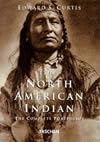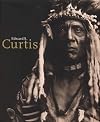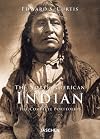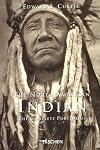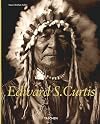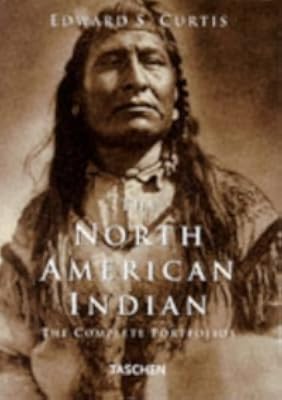
The North American Indian: The Complete Portfolios
by Edward S. Curtis (Author, Photographer), Hans-Christian Adam (Editor)
The North American Indian (complete set), Taschen Icons
On This Page
Description
Volume #10 of 20 in The North American Indian series contains detailed information on the The Kwakiutl. The subject areas covered on each tribe are histories, customs, ceremonies, mythologies and comparative vocabularies.Tags
Recommendations





























Member Reviews
I picked this up in B&N bargain pile because it looked like an interesting photography book. While the photos were beautiful, Curtis's original explanations that accompany some of them are such a product of their time that I found many of them distasteful. The introduction helped frame the project and gave some clue as to its importance, but for a modern edition I don't think it went far enough to mitigate the exploitative nature of Curtis's work.
Controversial though it is -- because some of the photos are posed, because it's not "proper" ethnography, because of the author's attitudes -- this is still a unique document of a world that has disappeared. And a stunning collection of photographs. Beyond the "exoticism" and beyond the documentary value, this is a book of portraits of beautiful people.
The essays and picture descriptions are bilingual German/English/French. This collection of over 100 photos, representing people across the US, is beautiful though it's smaller size (about 5"x7") is not as impressive as the portfolio-sized volume I have seen previously.[return]The essays provide an overview of Curtis' life, which I had been unaware of.
The essays and picture descriptions are bilingual German/English/French. This collection of over 100 photos, representing people across the US, is beautiful though it's smaller size (about 5"x7") is not as impressive as the portfolio-sized volume I have seen previously.
The essays provide an overview of Curtis' life, which I had been unaware of.
The essays provide an overview of Curtis' life, which I had been unaware of.
Interesting collection....a map would have been helpful as I was unaware of some of the tribes. What kept me from giving the book a 5 star rating was that most of the pics were staged....not necessarily bad, but it would have been better if some many were not.
Basement bookshelf between fireplace and office
third shelf from the top
third shelf from the top
Immer romantisch, vaak geïdealiseerd en bij wijlen racistisch in de bijschriften: Curtis' foto's van een 'verdwijnend ras'. Een verdienste van Taschen dat het dit meesterwerk opnieuw toegankelijk maakte. Al komt dat wel met een prijs. Niet in geld, wel in kwaliteit. De foto's van Curtis worden zo klein afgedrukt, dat zowat alle details verloren gaan en we niet meer krijgen dan een globale indruk van zijn werk.
Curtis beheerste zijn metier tot in de puntjes. Met een bewonderenswaardig doorzettingsvermogen wist hij het in te zetten om een mythe te creëren die vandaag nog voortleeft. Portretten maken een belangrijk deel van het oeuvre uit. Vaak worden de geportretteerden met naam genoemd, soms gaat het om generieke beelden ('A Hopi show more Girl', 'The Whaler - Makah' ...), waarbij hij in de meest extreme gevallen de geportretteerde voorstelt als een typisch specimen van zijn of haar stam. Daarnaast zijn er beelden van tenten, hutten en huizen, meestal in een pittoreske setting. Curtis beeld kunstvoorwerpen af - manden, potten, de totempalen van de Westkust - en scenes uit het dagelijkse leven, vooral jacht en visvangst. Tot slot is er een belangrijke reeks beelden die eerder suggestief zijn. Het openingsbeeld, 'The Vanishing Race - Navaho' is daarvan een mooi voorbeeld. Ook de beelden van plains indianen op het oorlogspad horen daarbij. De foto's van Curtis zijn statisch. De meest dynamische zijn allicht nog de occasionele foto's genomen tijdens een of andere ceremonie. Hij weet licht en focus optimaal in te zetten om effect te bekomen. Dikwijls zorgt een grote lensopening voor een wat wazig, suggestief beeld.
Aan het eind van de rit weten we nauwelijks hoe indianen leven en wat ze doen. De documentaire waarde van de plaatjes is daarvoor te beperkt. Maar we hebben wel de indruk te weten wie ze zijn. Het beeld van de 'nobele wilde' dat hier gecreëerd wordt, ontsproot allicht in belangrijke mate aan het brein van de fotograaf. De beelden van de 'war party's' moeten onze achterdocht wekken. Ze werden immers genomen in een tijd dat de indianenoorlogen ten einde waren en het laatste wapenfeit - de schandelijke slachting bij Wounded Knee - al weer minstens een decennium in het verleden lag. Het gaat dus om 're-enactment', opgezet door Curtis en - soms wel en soms niet - gepresenteerd als een documentaire weergave van de realiteit.
Eerder de creatie van een wereldbeeld dus dan een weergave van de realiteit. Eerder kunst dan documentaire. In de woorden van Vine Deloria Jr. : "If we can learn to view (the Curtis Indians) as photographic art, as the genius of a particular person's efforts to transcend mere photographic recording, the Curtis's work will have made a major contribution to our understanding of the media we use to express our perceptions of reality. But if they come to represent an Indian that never was, and color our appraisal of things Indian with romantic shibboleths that shield us from present-day realities, then our use of them is delusion and a perversion of both Indians and the artful expression of Curtis." show less
Curtis beheerste zijn metier tot in de puntjes. Met een bewonderenswaardig doorzettingsvermogen wist hij het in te zetten om een mythe te creëren die vandaag nog voortleeft. Portretten maken een belangrijk deel van het oeuvre uit. Vaak worden de geportretteerden met naam genoemd, soms gaat het om generieke beelden ('A Hopi show more Girl', 'The Whaler - Makah' ...), waarbij hij in de meest extreme gevallen de geportretteerde voorstelt als een typisch specimen van zijn of haar stam. Daarnaast zijn er beelden van tenten, hutten en huizen, meestal in een pittoreske setting. Curtis beeld kunstvoorwerpen af - manden, potten, de totempalen van de Westkust - en scenes uit het dagelijkse leven, vooral jacht en visvangst. Tot slot is er een belangrijke reeks beelden die eerder suggestief zijn. Het openingsbeeld, 'The Vanishing Race - Navaho' is daarvan een mooi voorbeeld. Ook de beelden van plains indianen op het oorlogspad horen daarbij. De foto's van Curtis zijn statisch. De meest dynamische zijn allicht nog de occasionele foto's genomen tijdens een of andere ceremonie. Hij weet licht en focus optimaal in te zetten om effect te bekomen. Dikwijls zorgt een grote lensopening voor een wat wazig, suggestief beeld.
Aan het eind van de rit weten we nauwelijks hoe indianen leven en wat ze doen. De documentaire waarde van de plaatjes is daarvoor te beperkt. Maar we hebben wel de indruk te weten wie ze zijn. Het beeld van de 'nobele wilde' dat hier gecreëerd wordt, ontsproot allicht in belangrijke mate aan het brein van de fotograaf. De beelden van de 'war party's' moeten onze achterdocht wekken. Ze werden immers genomen in een tijd dat de indianenoorlogen ten einde waren en het laatste wapenfeit - de schandelijke slachting bij Wounded Knee - al weer minstens een decennium in het verleden lag. Het gaat dus om 're-enactment', opgezet door Curtis en - soms wel en soms niet - gepresenteerd als een documentaire weergave van de realiteit.
Eerder de creatie van een wereldbeeld dus dan een weergave van de realiteit. Eerder kunst dan documentaire. In de woorden van Vine Deloria Jr. : "If we can learn to view (the Curtis Indians) as photographic art, as the genius of a particular person's efforts to transcend mere photographic recording, the Curtis's work will have made a major contribution to our understanding of the media we use to express our perceptions of reality. But if they come to represent an Indian that never was, and color our appraisal of things Indian with romantic shibboleths that shield us from present-day realities, then our use of them is delusion and a perversion of both Indians and the artful expression of Curtis." show less
Members
- Recently Added By
Author Information

Edward S. Curtis (1868-1952) moved to Seattle in 1891. Convinced he was witnessing an irreversible loss of Native American culture, he began a series of journeys across the West to photograph members of various tribes. Between 1896 and 1930, Curtis visited and photographed every major Native American tribe -- 80 in all -- west of the Mississippi

Some Editions
Series


Belongs to Publisher Series
Common Knowledge
- People/Characters
- Edward S. Curtis
- First words
- Whenever we open a book or magazine or pass a billboard and see an old-fashioned-looking black-and-white photo of a lone "Red Indian" on the wide open prairie, or a chieftain wearing a feather headdress, or a s... before a ti... (show all)pi, the chances are that the photographer was Edward Sheriff Curtis (1868-1952).
- Last words
- (Click to show. Warning: May contain spoilers.)Young lady with palms, 1920s. And example of Curtis' Los Angeles studio work. The poto is a framed 'orotone' or goldtone print.
Classifications
- Genres
- Nonfiction, Art & Design, Anthropology, History, General Nonfiction
- DDC/MDS
- 970.00497 — History & geography History of North America History of North America North America Ethnic and National Groups Native Americans
- LCC
- E77.5 .C84 — History of the United States America Indians of North America
- BISAC
Statistics
- Members
- 641
- Popularity
- 45,482
- Reviews
- 8
- Rating
- (4.17)
- Languages
- 6 — English, French, German, Italian, Multiple languages, Spanish
- Media
- Paper, Ebook
- ISBNs
- 58
- ASINs
- 5