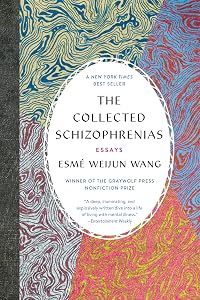
The Collected Schizophrenias: Essays
by Esmé Weijun Wang
On This Page
Description
"Schizophrenia is not a single unifying diagnosis, and Esmé Weijun Wang writes not just to her fellow members of the 'collected schizophrenias' but to those who wish to understand it as well. Opening with the journey toward her diagnosis of schizoaffective disorder, Wang discusses the medical community's own disagreement about labels and procedures for diagnosing those with mental illness, and then follows an arc that examines the manifestations of schizophrenia in her life. In essays that show more range from using fashion to present as high-functioning to the depths of a rare form of psychosis, and from the failures of the higher education system and the dangers of institutionalization to the complexity of compounding factors such as PTSD and Lyme disease, Wang's analytical eye, honed as a former lab researcher at Stanford, allows her to balance research with personal narrative"-- show lessTags
Recommendations



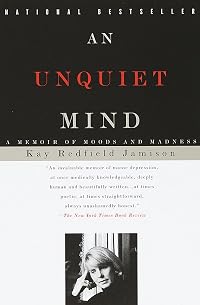

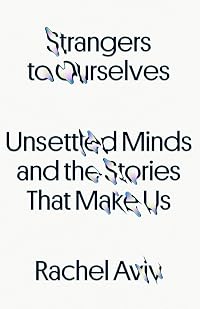


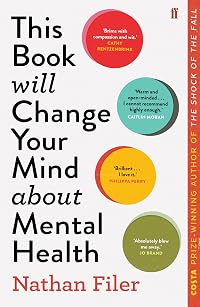

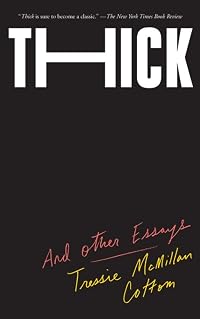








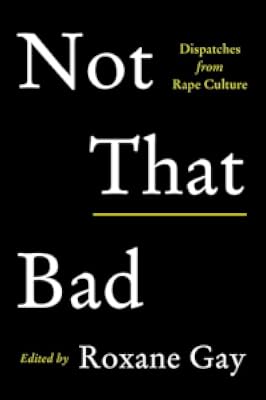
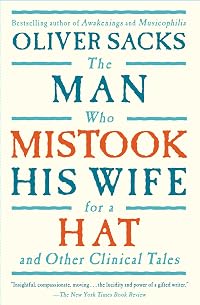
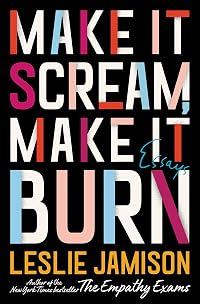
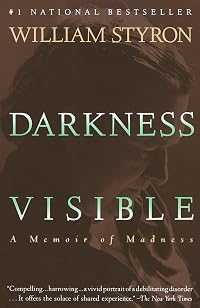










Member Recommendations
Member Reviews
I recently could only get through part one of Susan Sheehan's Is There No Place on Earth for Me? where she followed and often accompanied the life of a woman with schizophrenia. As important and compassionate as these types of investigative journalism can be, shedding light on the inhumanity of health systems or society's perspectives on mental health, Wang hits the nail on the head for me with her comment on Nellie Bly's Ten Days in a Madhouse - that these journalists were always free to leave.
Wang expertly juggles many paradoxes here: of sharing an actual lived experience of schizophrenia woven with research, the ability which marks her as high-functioning, which leads others to assume exceptionalism; of wanting to be put together show more outwardly yet but also not present too well that it would prevent her from getting the support she needs; of respecting person-first language but also that schizophrenia is inextricably a part of her.
As expected, the topics can be difficult to read sometimes, but Wang was generously educational, giving very human examples to many otherwise clinical terms, e.g. I could understand psychosis on a surface level, but it was eye-opening to read about her watching movies and shows and being unable to distinguish between them and realty. An important addition to illness writing, especially for schizophrenia. show less
Wang expertly juggles many paradoxes here: of sharing an actual lived experience of schizophrenia woven with research, the ability which marks her as high-functioning, which leads others to assume exceptionalism; of wanting to be put together show more outwardly yet but also not present too well that it would prevent her from getting the support she needs; of respecting person-first language but also that schizophrenia is inextricably a part of her.
As expected, the topics can be difficult to read sometimes, but Wang was generously educational, giving very human examples to many otherwise clinical terms, e.g. I could understand psychosis on a surface level, but it was eye-opening to read about her watching movies and shows and being unable to distinguish between them and realty. An important addition to illness writing, especially for schizophrenia. show less
The Collected Schizophrenias: Essays
by Esme Weijun Wang
2019
Graywolf Press
4.5 / 5.0
A collection of personal essays about the authors experiences being diagnosed as having a schizoaffective disorder. The love and support of her husband and her family, being financially stable, and having natural innate talents for art and writing have been a saving grace for Wang.
Every essay deals with the stigma attached to mental illness and its challenges.( Struggling to pass as "normal" and to control the delusions and hallucinations, experiencing Cotard delusion where you believe you are already dead. ) Wang persisted, never gave up. Wang was accepted to Yale but her mental issues were too severe, too chronic, and they let her go. She explores the show more belief that there is a connection between immune-system dysfunction and neurological and psychiatric diseases. She tried alternative medical treatments, tarot card readings in her search for spiritual healing.
Near the end of the book is an essay on her diagnosis of Lyme disease (controversial in itself) that sums up the intention of the entire book for me. Like Lyme disease, so much is known and so much remains a mystery about mental illness. The quality of your diagnosis depends on how your illness is perceived by others. Perception is a huge problem for people with mental illness. How others treat you, and your diagnosis, can make or break a mind.
The essays, overall, show how deep and desperate her search for answers and understanding of her condition affected her life. Maybe more so than the actual diagnosis.
Great memoir and essays and an excellent resource for those who work with the mentally ill. Recommended. show less
by Esme Weijun Wang
2019
Graywolf Press
4.5 / 5.0
A collection of personal essays about the authors experiences being diagnosed as having a schizoaffective disorder. The love and support of her husband and her family, being financially stable, and having natural innate talents for art and writing have been a saving grace for Wang.
Every essay deals with the stigma attached to mental illness and its challenges.( Struggling to pass as "normal" and to control the delusions and hallucinations, experiencing Cotard delusion where you believe you are already dead. ) Wang persisted, never gave up. Wang was accepted to Yale but her mental issues were too severe, too chronic, and they let her go. She explores the show more belief that there is a connection between immune-system dysfunction and neurological and psychiatric diseases. She tried alternative medical treatments, tarot card readings in her search for spiritual healing.
Near the end of the book is an essay on her diagnosis of Lyme disease (controversial in itself) that sums up the intention of the entire book for me. Like Lyme disease, so much is known and so much remains a mystery about mental illness. The quality of your diagnosis depends on how your illness is perceived by others. Perception is a huge problem for people with mental illness. How others treat you, and your diagnosis, can make or break a mind.
The essays, overall, show how deep and desperate her search for answers and understanding of her condition affected her life. Maybe more so than the actual diagnosis.
Great memoir and essays and an excellent resource for those who work with the mentally ill. Recommended. show less
I wanted to like this more but give it 3.5 stars. I felt disconnected from the author. I could tell what she was trying to do by talking about her intelligence, education, long marriage, fashion, etc...but she instead sounded like someone who was over privileged. As a "high functioning" person with schizoaffective disorder, I also try to distinguish myself as one of the normal just so people will not immediately dismiss me as a liar, a mental, a split personality. I liked that she brought up the point that the only thing people will ever believe from you (when you have severe mental illness) is that you are, indeed, crazy.
I contrast this to Elyn R Saks book, which I read right after my diagnosis, and Esme gives a much more realistic, show more sober depiction of how one is treated. I had a lot of hope after Saks book but quickly learned to keep my head down and my diagnosis to myself. People treat you like human garbage when they find out, doctors especially. Forget about anyone ever believing you again.
I see a lot of reviewers mention there are so few books about mental illness and it may be because we already feel like we are in a spectator sport, but unwillingly. Or maybe we are the car crash that people slow down and gape at. It's dehumanizing and retraumatizing to have to talk about electroshock therapy, involuntary hospitalization, restraints, emotional abuse and medical neglect at the hands of medical professionals. I know I don't want to be the spectacle.
I think all of this is why this author tried to take a more clinical approach in her writing. Because she couldn't get too close to that black hole without getting sucked in. I do thank her for her work. This must have been incredibly difficult to write. show less
I contrast this to Elyn R Saks book, which I read right after my diagnosis, and Esme gives a much more realistic, show more sober depiction of how one is treated. I had a lot of hope after Saks book but quickly learned to keep my head down and my diagnosis to myself. People treat you like human garbage when they find out, doctors especially. Forget about anyone ever believing you again.
I see a lot of reviewers mention there are so few books about mental illness and it may be because we already feel like we are in a spectator sport, but unwillingly. Or maybe we are the car crash that people slow down and gape at. It's dehumanizing and retraumatizing to have to talk about electroshock therapy, involuntary hospitalization, restraints, emotional abuse and medical neglect at the hands of medical professionals. I know I don't want to be the spectacle.
I think all of this is why this author tried to take a more clinical approach in her writing. Because she couldn't get too close to that black hole without getting sucked in. I do thank her for her work. This must have been incredibly difficult to write. show less
I’ve struggled with mental health memoirs and autobiographies. I’m always looking for myself in the narrative and feel interrupted when the author shares some personal detail so unlike my own experiences.
But Esmé Weijun Wang's voice captured me from the start.
Maybe it’s because she is fairly impersonal in tone, even when describing deeply personal and emotional moments in her life. She relates research, facts and statistics, and tales of her own psychoses with the same voice. It’s never maudlin, never asks for pity, only understanding and acceptance for her life as it is. Or, maybe it’s because she is so willing to explore herself on the page-- to honestly challenge her own misconceptions and beliefs about schizophrenic show more disorders and mental illness while holding up the same mirror to the reader.
I really loved, and was deeply moved, by this book. Wang details the struggles of living with a chronic, on-going, incurable illness that is highly stigmatized in our society seemingly without fear, which I so admire. And by telling the details of something so intimate and personal, she makes the experience universal and relatable. show less
But Esmé Weijun Wang's voice captured me from the start.
Maybe it’s because she is fairly impersonal in tone, even when describing deeply personal and emotional moments in her life. She relates research, facts and statistics, and tales of her own psychoses with the same voice. It’s never maudlin, never asks for pity, only understanding and acceptance for her life as it is. Or, maybe it’s because she is so willing to explore herself on the page-- to honestly challenge her own misconceptions and beliefs about schizophrenic show more disorders and mental illness while holding up the same mirror to the reader.
I really loved, and was deeply moved, by this book. Wang details the struggles of living with a chronic, on-going, incurable illness that is highly stigmatized in our society seemingly without fear, which I so admire. And by telling the details of something so intimate and personal, she makes the experience universal and relatable. show less
Compared to the common stereotype of the "lunatic", author and person with "treatment resistant" schizoaffective disorder Esme Weijun Wang is very high functioning. She is fortunate to have the support of a loving husband and family, as well as financial stability and a great deal of writing and artistic talent. Nonetheless, she struggles to pass for "normal", especially when she is in the grip of strong delusions and hallucinations. She has even experienced the rare Cotard delusion, in which the sufferer believes that she is already dead.
A major theme of this essay collection is the stigma attached to psychotic illnesses; Wang was forced to leave Yale after it became clear that her mental health issues were severe and chronic in show more nature.
She sort of lost me in the final chapters when she suddenly came up with a diagnosis of late-stage Lyme disease that hadn't been mentioned previously and started dabbling in "sacred arts" (update: I see that she did mention both in chapter one). Nonetheless, this memoir in essays offers a valuable perspective on psychotic illness. Well worth reading. show less
A major theme of this essay collection is the stigma attached to psychotic illnesses; Wang was forced to leave Yale after it became clear that her mental health issues were severe and chronic in show more nature.
She sort of lost me in the final chapters when she suddenly came up with a diagnosis of late-stage Lyme disease that hadn't been mentioned previously and started dabbling in "sacred arts" (update: I see that she did mention both in chapter one). Nonetheless, this memoir in essays offers a valuable perspective on psychotic illness. Well worth reading. show less
At best, it's a cliché to describe someone with mental illness as having insight. It's very much a loaded term, and one that Esmé Weijun Wang addresses in her book of essays. Nonetheless, insight is what she has--not only into her illness (primarily schizoaffective disorder) but into herself in general, her life, and society's attitude towards the mentally ill.
Stories of mental illness can fall into some well worn traps: there's the tragic memoir, the triumph over adversity, and the "It's not really an illness". Luckily, she falls into none of these. Schizophrenia has not been easy for Wang, and it has not been a blessing, or her source of creativity. However, she's also very aware of the things in her life that have enabled her to show more be, in her own words, a "high functioning" schizophrenic: her education, her support system. She's unafraid to recount her experiences with delusions and hallucinations, with the Cotard delusion, with PTSD, with her family history of mental illness, and to consider its cost in her life, including her decision not to have children.
Schizophrenia and related disorders, which Wang refers to as "the schizophrenias", are the most feared and most stigmatized of mental illnesses. Wang's own psychiatrist avoided the diagnosis. Literature speaks of schizophrenia as erasing the "real person" within; there's a public association of schizophrenia with violence. The essays do not just address Wang's own personal experience of schizoaffective disorder, but the system: inadequate and patchy treatment, forcing people against their will into treatment, dehumanizing people with mental illness, kicking students out of college, the devaluation of the mentally ill when they are not capable of employment--this being the marker of worth in a capitalist society.
The chronic Lyme essay was the hardest for me; it's hard for me to invalidate her experience, and I sympathize with the desire for answers. At the same time, I've been following the Lyme debate for a decade, and the ways in which the chronic Lyme treatment providers make a lot of money the patients often don't have makes me uncomfortable, and it's hard for me to regard it as harmless. show less
Stories of mental illness can fall into some well worn traps: there's the tragic memoir, the triumph over adversity, and the "It's not really an illness". Luckily, she falls into none of these. Schizophrenia has not been easy for Wang, and it has not been a blessing, or her source of creativity. However, she's also very aware of the things in her life that have enabled her to show more be, in her own words, a "high functioning" schizophrenic: her education, her support system. She's unafraid to recount her experiences with delusions and hallucinations, with the Cotard delusion, with PTSD, with her family history of mental illness, and to consider its cost in her life, including her decision not to have children.
Schizophrenia and related disorders, which Wang refers to as "the schizophrenias", are the most feared and most stigmatized of mental illnesses. Wang's own psychiatrist avoided the diagnosis. Literature speaks of schizophrenia as erasing the "real person" within; there's a public association of schizophrenia with violence. The essays do not just address Wang's own personal experience of schizoaffective disorder, but the system: inadequate and patchy treatment, forcing people against their will into treatment, dehumanizing people with mental illness, kicking students out of college, the devaluation of the mentally ill when they are not capable of employment--this being the marker of worth in a capitalist society.
The chronic Lyme essay was the hardest for me; it's hard for me to invalidate her experience, and I sympathize with the desire for answers. At the same time, I've been following the Lyme debate for a decade, and the ways in which the chronic Lyme treatment providers make a lot of money the patients often don't have makes me uncomfortable, and it's hard for me to regard it as harmless. show less
This remarkable collection of essays on schizophrenia, mental illness, and the ways our society both portrays and reacts to such, is written by a woman who has herself been diagnosed with schizoaffective disorder. Starting with the journey to this diagnosis, and ranging through topics like the failings of universities toward students with mental illness, the loss of autonomy during institutionalization, the stigma of schizophrenia in particular, the mutability of our perception of reality. I did sometimes wish it has a more memoir-like format -- there were themes and experiences brought up in essays that I wish were returned to later in the book. But that doesn't change what an amazing thing that this book is -- the writing of someone show more with the intelligence, the support, and the resources to weave together her experiences with studies, academic and medical perspectives and pop culture analysis to really challenge our understanding of mental illness. In the hopes that we can be better colleages, caregivers, storytellers, citizens.
An amazing book. show less
An amazing book. show less
Members
- Recently Added By
Lists

Favorite Memoirs
64 works; 13 members

Best Feminist Literature
188 works; 26 members

Top Five Books of 2020
982 works; 350 members

Recommend the 20 best books you've read in the last five years
2,168 works; 607 members

BookTok Adult
115 works; 2 members

Books Read in 2024
4,727 works; 128 members

Psychology: Abuse, Grief, Self-Help
189 works; 1 member
Author Information

4+ Works 1,220 Members
Awards and Honors
Awards
Distinctions
Notable Lists
Common Knowledge
- Original publication date
- 2019
- Dedication
- for Chris
&
for everyone who has been touched by the schizophrenias - First words
- Schizophrenia terrifies.
- Blurbers
- Zhang, Jenny; Kleeman, Alexandra; Kwon, R. O.; Tulathimutte, Tony; Shapiro, Dani
- Original language
- English
Classifications
- Genres
- General Nonfiction, Biography & Memoir, Nonfiction
- DDC/MDS
- 616.89 — Applied science & technology Medicine & health Diseases, Allergies, Skin Conditions Nervous Disorders: Autism, Anorexia, OCD Mental disorders: bi-polar/schizophrenia
- LCC
- RC514 .W236 — Medicine Internal medicine Internal medicine Neurosciences. Biological psychiatry. Neuropsychiatry Psychiatry Psychopathology Psychoses
- BISAC
Statistics
- Members
- 1,074
- Popularity
- 23,924
- Reviews
- 31
- Rating
- (4.02)
- Languages
- English
- Media
- Paper, Audiobook, Ebook
- ISBNs
- 10
- ASINs
- 4