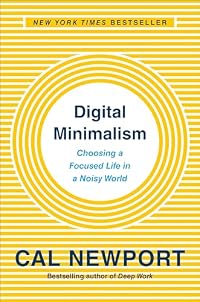
Digital Minimalism: Choosing a Focused Life in a Noisy World
by Cal Newport
On This Page
Description
A New York Times, Wall Street Journal, Publishers Weekly, and USA Today bestseller"Newport is making a bid to be the Marie Kondo of technology: someone with an actual plan for helping you realize the digital pursuits that do, and don't, bring value to your life."—Ezra Klein, Vox
Minimalism is the art of knowing how much is just enough. Digital minimalism applies this idea to our personal technology. It's the key to living a focused life in an increasingly noisy world.
In this timely and show more enlightening book, the bestselling author of Deep Work introduces a philosophy for technology use that has already improved countless lives.
Digital minimalists are all around us. They're the calm, happy people who can hold long conversations without furtive glances at their phones. They can get lost in a good book, a woodworking project, or a leisurely morning run. They can have fun with friends and family without the obsessive urge to document the experience. They stay informed about the news of the day, but don't feel overwhelmed by it. They don't experience "fear of missing out" because they already know which activities provide them meaning and satisfaction.
Now, Newport gives us a name for this quiet movement, and makes a persuasive case for its urgency in our tech-saturated world. Common sense tips, like turning off notifications, or occasional rituals like observing a digital sabbath, don't go far enough in helping us take back control of our technological lives, and attempts to unplug completely are complicated by the demands of family, friends and work. What we need instead is a thoughtful method to decide what tools to use, for what purposes, and under what conditions.
Drawing on a diverse array of real-life examples, from Amish farmers to harried parents to Silicon Valley programmers, Newport identifies the common practices of digital minimalists and the ideas that underpin them. He shows how digital minimalists are rethinking their relationship to social media, rediscovering the pleasures of the offline world, and reconnecting with their inner selves through regular periods of solitude. He then shares strategies for integrating these practices into your life, starting with a thirty-day "digital declutter" process that has already helped thousands feel less overwhelmed and more in control.
Technology is intrinsically neither good nor bad. The key is using it to support your goals and values, rather than letting it use you. This book shows the way. show less
Tags
Recommendations
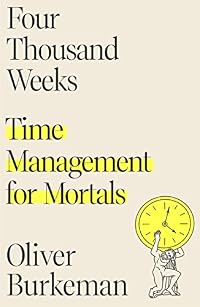
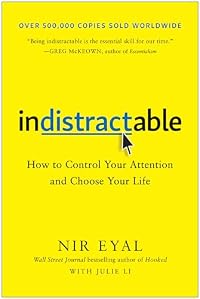
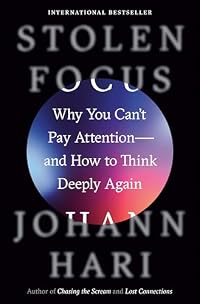
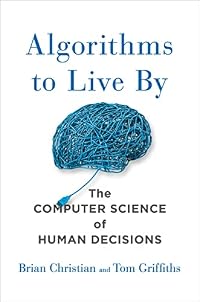
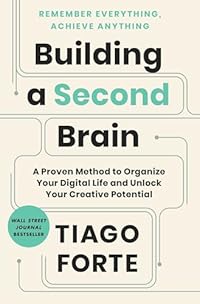
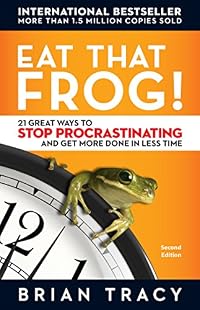
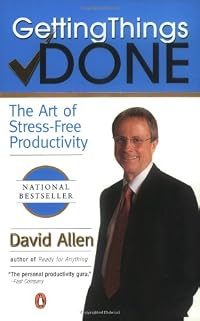
Member Recommendations
The Age of Surveillance Capitalism: The Fight for a Human Future at the New Frontier of Power by Shoshana Zuboff
timoroso If you find Zuboff too heavy and academic, Newport discusses similar ideas from a more practical standpoint. Still, Newport’s book is no replacement for Zuboff’s.
by anonymous user
Member Reviews
Ever since I learned that people's score on an IQ drops by 15 points if they're regularly distracted during it (eg. by a phone), I've been pretty wary of my attention. 15 points of intelligence is a _big_ price to pay for anything! About a year ago I got rid of my smart phone, and downgraded back to a flip phone. It's been working pretty well for me.
Digital Minimalism is Cal Newport's take on this phenomenon, and what to do about it. It gave me some vindication that maybe I'm not crazy for not wanting to sign up for instagram. Perhaps more importantly, it discusses a significantly less-haphazard-than-mine-was approach to weening yourself off these services.
The thesis of the book is "your smartphone provides much less value than you show more think," but even if you already agree with that, there is value to be found in this book. Newport successfully argues that we've collectively lost the idea of active leisure and do-it-yourself-edness as a society, and suggests that these activities are a healthier substitute for mindlessly dicking around on our phones/netflix/what-have-you.
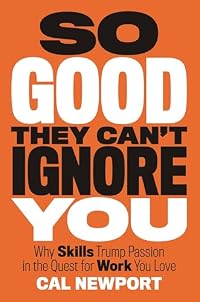
It's not Newport's best book (So Good They Can't Ignore You is), but it's worth a read. show less
Digital Minimalism is Cal Newport's take on this phenomenon, and what to do about it. It gave me some vindication that maybe I'm not crazy for not wanting to sign up for instagram. Perhaps more importantly, it discusses a significantly less-haphazard-than-mine-was approach to weening yourself off these services.
The thesis of the book is "your smartphone provides much less value than you show more think," but even if you already agree with that, there is value to be found in this book. Newport successfully argues that we've collectively lost the idea of active leisure and do-it-yourself-edness as a society, and suggests that these activities are a healthier substitute for mindlessly dicking around on our phones/netflix/what-have-you.
It's not Newport's best book (So Good They Can't Ignore You is), but it's worth a read. show less
This was an interesting listen as apparently it was written maybe five plus years ago, and the amount of change in social media has made some of this book obsolete. I mean as far as I can tell he seems to be mainly FB focused, and I don’t know if Snapchat was even around then and TikTok definitely wasn’t. Anyway it was interesting for me mostly because I apparently have organically become a “digital minimalist” just by not wanting to deal with most of it while also valuing my solitude to a ridiculous degree. I wonder if the author cares to revisit it considering all the changes that have taken place, and maybe he can do some sort of follow up research with his group who initially changed their ways (i.e. where are they now?).
I've been trying to write this review for nearly a week, which has been repeatedly stymied by lack of focus and exhaustion due to sleeping badly. Consequently I have lowered my standards and invite you to lower your expectations.
I was bitterly amused when, six months after I reserved a copy, 'Digital Minimalism' turned up in the library the day before lockdown. Amazing timing. Once my initial desire to read only escapist fiction had abated, however, it suddenly seemed like an ideal read at the moment. Lockdown has profoundly changed my relationship with technology, which will undoubtedly have long term effects. What most struck me when reading Newport's book, though, was that I still seem to qualify as a digital minimalist and possibly show more always have without being aware of it. The practicalities of digital minimalism are wildly different during a pandemic, though.
For context, I have long believed that personal communication technology was fine until 2004, whereupon it went too far. Consequently, I hate touch screens, returned to using an unsmart phone after trying the smart kind, and relied solely upon second-hand electronics seven or more years old. I switched off my router for an entirely internet and screen free day once a week and restricted my social media use in various ways. Then coronavirus emerged. Initially, this led me further restrict my internet access, as the news and twitter were so anxiety-inducing. Almost exactly a month ago, though, Britain went into lockdown. I live alone and have been working at home, so haven't had a face-to-face conversation for more than a month. Being outside and anywhere near other human beings now feels like a terrifying threat. The same technologies I tried to reduce my use of are now absolutely essential, as they allow me connection with other human beings. Consequently, I've stopped having internet free days, allowed myself much more social media use, and, most significantly, purchased a new laptop. My creaky 7 year old machines repeatedly crashed during video calls. Part of my rationale for using old laptops and phones was to discourage their use through unreliability and inconvenience. I did not foresee the need to rely entirely upon them for human companionship.
That's enough about me for the moment. 'Digital Minimalism' is the work of an American associate professor of computer science, whose central thesis is that technology use should be based on personal utility rather than reflexive adoption due to novelty. This is consistent with and complimentary to [b:The Age of Surveillance Capitalism: The Fight for a Human Future at the New Frontier of Power|26195941|The Age of Surveillance Capitalism The Fight for a Human Future at the New Frontier of Power|Shoshana Zuboff|https://i.gr-assets.com/images/S/compressed.photo.goodreads.com/books/1521733914l/26195941._SY75_.jpg|46170685], as it sets out strategies of personal resistance to the global phenomenon explained in Zuboff's book. Newport emphasises the deliberately manipulative design of social media, apps, and smart phones, which aim to consume as much of your time and attention as possible. The book makes its points via specific voices of authority and personal anecdote backed by academic research, as it is written to be widely accessible. The style is very easy to read, yet I was pleased to spot a thorough set of endnotes with citations as well.
I appreciate that Newport distills his thesis into a single sentence for ease of quoting:
In other words, articulate the purposes of the time you spend on particular apps or websites. At present, goodreads lets me track my favourite hobby and read other people's book reviews. Twitter allows me to keep up with certain friends and their cats. Whatsapp allows me to keep up with other friends. Tumblr is a fashion and meme magazine. Netflix is my TV and cinema. Spotify is my stereo. Etc. However, I did not take Newport's suggested route to select these websites. He suggests you ask, "Is this the best way to use technology to support this value?" Before lockdown, probably not. I had additional and often better ways to keep up with nearby friends and pursue my interests in books, fashion, and films. Now those are not available. It is important to emphasise, though, that the online versions feel inferior. I miss hugging my friends and eating meals with them; I miss libraries; I miss browsing charity shops and spotting stylish outfits on passersby; I miss cinemas. Of course, I fully accept the need for lockdown and do not begrudge the lack of nonessential diversions in order to save lives. There are some tiny pleasures to this period of time, my favourite of which is walking on the road rather than the pavement on my daily walk. If you haven't tried this and the traffic has vanished from your roads too, I highly recommend it. While looking and listening carefully for vehicles, wander down the middle of a residential street - an experience to be savoured while it lasts. Cycling on empty roads is also pretty great.
The principles of digital minimalism certainly chime with my pre-existing views: clutter is costly, optimisation is important, and intentionality is satisfying. I hate clutter in physical or digital realms, consider it important to use technology with specific aims in mind, and (as Newport admits is very common) can be a bit smug about it. There is something satisfying about seemingly getting one over on big tech in a tiny way. This is part of the reason I'm amused by the bizarre book recommendations that goodreads gives me (notably the [b:Extraordinary Chickens|1006590|Extraordinary Chickens|Stephen Green-Armytage|https://i.gr-assets.com/images/S/compressed.photo.goodreads.com/books/1442691719l/1006590._SX50_.jpg|992716] saga); they suggest I'm not providing particularly helpful data. I don't want targeted recommendations! I love choosing books using my own arbitrary tastes and happenstance, rather than essentially being marketed them by amazon in a wig. Despite not always being amenable to Newport's choice of illustrative examples, due to transatlantic cultural differences, I approve of what he's saying in this book and enjoyed the structured and systematic way in which he explained it.
To embrace digital minimalism, the recommendation is to spend 30 days taking a break from optional technologies (after carefully defining these in your own specific context). Although theoretically you could do this during lockdown, it seems like a dubious idea. For a start, my mind isn't clear enough to judge what is and isn't optional as at least a third of it is busy yelling PANIC PANIC DEATH DEATH at all times. Moreover, during the next 30 days the technologies that are optional in my life might change substantially as lockdown restrictions and/or work demands change. Most importantly, however, the idea is to rediscover non-digital pursuits during the 30 days, which is simply impossible at present. To rediscover an activity at the moment, everything required for it must already be within your home. Crucially, this includes motivation and energy, both of which are scarcer than flour and yeast. (I actually have both flour and slightly expired yeast, but more than a month into lockdown have not tried baking bread. I feel quite guilty about that.)
After describing the 30 day digital break procedure, Newport suggests a range of thoughtful practises to manage your new relationship with technology. Unfortunately these begin with a chapter titled, 'Spend Time Alone'. There will undoubtedly be many books written about feeling alone or otherwise during the pandemic. The core of the matter is, I think, that how alone we feel is no longer under our control in the same way. I live alone, so am alone all the time that I'm not on a video call whether I like it or not. Colleagues and friends with partners, housemates, and/or children are barely ever alone whether they like it or not. This lockdown has certainly caused me to reflect on what I do and don't miss about human companionship, as I'm sure is the case for many. More than a month in, I still think that for me being in lockdown alone is the least worst alternative. I wish I had a cat, though. Newport is a great advocate for taking walks alone without your phone and I fully agree with that. He considers time spent alone with your thoughts to be very important, which is no less relevant indoors than outside. Sticking your head out of the window and listening to the changed tempo of sounds is a pleasant little mindfulness exercise I've been trying.
While at the moment I consider video calling vital to avoid total isolation, I wonder to what extent my insomnia, absence of concentration, and inability to relax at all is exacerbated by constant screentime and increased social media scrolling. I think of the latter as a tranquiliser, while fully aware that reading a book has a much more calming effect (if I can concentrate on a book). On twitter there is the constant risk of falling down a rabbit hole of extremely worrying and totally unconfirmed pandemic content, even when you take precautions. I lock my twitter, follow only 50 accounts the majority of which are IRL friends, and always keep my timeline set to Latest Tweets.
The big question raised by lockdown in the context of this book is where to direct your attention. The Big Five tech companies obviously want it, to provide them with data. In the time before the pandemic there were plenty of other things to pay attention to that are now on hold: meeting up with friends and family, going to the cinema, visiting beautiful places, going to museums, art galleries, and libraries, etc, etc. I adore reading, but even I could not face being at home for >23 hours a day, working for 8, sleeping badly for 7ish, and reading the rest of the time. Technology's addictive glow is more attractive when there's such a terrifying reality to be distracted from. I think lockdown requires a very different personal agreement to be negotiated with technology. I definitely haven't got it right yet; scrolling twitter at 2am is obviously not conducive to sleeping well and distraction by further fragmenting my attention isn't very calming.
Being a digital minimalist requires, 'stripping away superfluous features of new technologies to allow them to access functions that matter while avoiding unnecessary distraction'. This can be genuinely difficult, as functions I consider superfluous after often complex or even impossible to switch off. There is also the question of how much distraction is genuinely necessary right now. I am still closely controlling my news access, because the ever-growing coronavirus death toll and shockingly incompetent political responses in the UK and US are very distressing. No-one gains from my being too weepy or anxious to work from home because of news overload. Rewatching my favourite sitcom (Community) and looking at pictures of pets feel like necessary distraction right now. Nonetheless, I worry that too much screentime is going to worsen my eyesight and create habits that will be difficult to modify. On the other hand, I've been reassuring my students that this is a time of crisis so they should not expect themselves to be able to work as normal. I could maybe listen to my own advice and not pressure myself to cope in a totally optimised and systematically thought out manner.
I suspect some would find 'Digital Minimalism' grating at the moment, as parts of it do provoke sighs of amazement and sadness at what we took for granted a mere few months ago. While I still found it worthwhile, it basically confirmed my pre-existing views and pre-lockdown behaviour so your mileage may vary substantially. For those not overloaded with caring responsibilities and other work, lockdown potentially offers the time for introspection combined with utterly unsuitable conditions for it. A state of intense anxiety and total lack of certainty about the future is making it difficult for me to think at all and I'm definitely not the only one. Nonetheless, spending more time than ever using digital technologies should really encourage us to consider what we're using them for and whether that's actually what we want, now and once we can venture outside again. Minor tweaks to technology use can really improve morale.
With the disclaimer that I have no authority to recommend anything to anyone, here are my tips for digital minimalism during a pandemic:
Finally, for personal amusement reasons I've adopted Victorian terminology for my newly digitalised social life. I think it sounds less awkward! Examples: "I paid a call on my parents yesterday evening" = we videochatted via an iPad propped on the kitchen worksurface. "I will be at home to callers on Friday evening." = catch me on whatsapp at the end of the week. "Here is my calling card." = this is the link for the Zoom meeting. "How would you prefer me to call upon you?" = do you want to use skype, zoom, or hangouts? "I am not at home to callers." = this evening I prefer to be alone with netflix and my knitting. There's no real connection to digital minimalism, but I find being archaically formal makes total separation from people I love very slightly less depressing. show less
I was bitterly amused when, six months after I reserved a copy, 'Digital Minimalism' turned up in the library the day before lockdown. Amazing timing. Once my initial desire to read only escapist fiction had abated, however, it suddenly seemed like an ideal read at the moment. Lockdown has profoundly changed my relationship with technology, which will undoubtedly have long term effects. What most struck me when reading Newport's book, though, was that I still seem to qualify as a digital minimalist and possibly show more always have without being aware of it. The practicalities of digital minimalism are wildly different during a pandemic, though.
For context, I have long believed that personal communication technology was fine until 2004, whereupon it went too far. Consequently, I hate touch screens, returned to using an unsmart phone after trying the smart kind, and relied solely upon second-hand electronics seven or more years old. I switched off my router for an entirely internet and screen free day once a week and restricted my social media use in various ways. Then coronavirus emerged. Initially, this led me further restrict my internet access, as the news and twitter were so anxiety-inducing. Almost exactly a month ago, though, Britain went into lockdown. I live alone and have been working at home, so haven't had a face-to-face conversation for more than a month. Being outside and anywhere near other human beings now feels like a terrifying threat. The same technologies I tried to reduce my use of are now absolutely essential, as they allow me connection with other human beings. Consequently, I've stopped having internet free days, allowed myself much more social media use, and, most significantly, purchased a new laptop. My creaky 7 year old machines repeatedly crashed during video calls. Part of my rationale for using old laptops and phones was to discourage their use through unreliability and inconvenience. I did not foresee the need to rely entirely upon them for human companionship.
That's enough about me for the moment. 'Digital Minimalism' is the work of an American associate professor of computer science, whose central thesis is that technology use should be based on personal utility rather than reflexive adoption due to novelty. This is consistent with and complimentary to [b:The Age of Surveillance Capitalism: The Fight for a Human Future at the New Frontier of Power|26195941|The Age of Surveillance Capitalism The Fight for a Human Future at the New Frontier of Power|Shoshana Zuboff|https://i.gr-assets.com/images/S/compressed.photo.goodreads.com/books/1521733914l/26195941._SY75_.jpg|46170685], as it sets out strategies of personal resistance to the global phenomenon explained in Zuboff's book. Newport emphasises the deliberately manipulative design of social media, apps, and smart phones, which aim to consume as much of your time and attention as possible. The book makes its points via specific voices of authority and personal anecdote backed by academic research, as it is written to be widely accessible. The style is very easy to read, yet I was pleased to spot a thorough set of endnotes with citations as well.
I appreciate that Newport distills his thesis into a single sentence for ease of quoting:
Digital Minimalism.
A philosophy of technology use in which you focus your online time on a small number of carefully selected and optimised activities that strongly support things you value, and then happily miss out on everything else.
In other words, articulate the purposes of the time you spend on particular apps or websites. At present, goodreads lets me track my favourite hobby and read other people's book reviews. Twitter allows me to keep up with certain friends and their cats. Whatsapp allows me to keep up with other friends. Tumblr is a fashion and meme magazine. Netflix is my TV and cinema. Spotify is my stereo. Etc. However, I did not take Newport's suggested route to select these websites. He suggests you ask, "Is this the best way to use technology to support this value?" Before lockdown, probably not. I had additional and often better ways to keep up with nearby friends and pursue my interests in books, fashion, and films. Now those are not available. It is important to emphasise, though, that the online versions feel inferior. I miss hugging my friends and eating meals with them; I miss libraries; I miss browsing charity shops and spotting stylish outfits on passersby; I miss cinemas. Of course, I fully accept the need for lockdown and do not begrudge the lack of nonessential diversions in order to save lives. There are some tiny pleasures to this period of time, my favourite of which is walking on the road rather than the pavement on my daily walk. If you haven't tried this and the traffic has vanished from your roads too, I highly recommend it. While looking and listening carefully for vehicles, wander down the middle of a residential street - an experience to be savoured while it lasts. Cycling on empty roads is also pretty great.
The principles of digital minimalism certainly chime with my pre-existing views: clutter is costly, optimisation is important, and intentionality is satisfying. I hate clutter in physical or digital realms, consider it important to use technology with specific aims in mind, and (as Newport admits is very common) can be a bit smug about it. There is something satisfying about seemingly getting one over on big tech in a tiny way. This is part of the reason I'm amused by the bizarre book recommendations that goodreads gives me (notably the [b:Extraordinary Chickens|1006590|Extraordinary Chickens|Stephen Green-Armytage|https://i.gr-assets.com/images/S/compressed.photo.goodreads.com/books/1442691719l/1006590._SX50_.jpg|992716] saga); they suggest I'm not providing particularly helpful data. I don't want targeted recommendations! I love choosing books using my own arbitrary tastes and happenstance, rather than essentially being marketed them by amazon in a wig. Despite not always being amenable to Newport's choice of illustrative examples, due to transatlantic cultural differences, I approve of what he's saying in this book and enjoyed the structured and systematic way in which he explained it.
To embrace digital minimalism, the recommendation is to spend 30 days taking a break from optional technologies (after carefully defining these in your own specific context). Although theoretically you could do this during lockdown, it seems like a dubious idea. For a start, my mind isn't clear enough to judge what is and isn't optional as at least a third of it is busy yelling PANIC PANIC DEATH DEATH at all times. Moreover, during the next 30 days the technologies that are optional in my life might change substantially as lockdown restrictions and/or work demands change. Most importantly, however, the idea is to rediscover non-digital pursuits during the 30 days, which is simply impossible at present. To rediscover an activity at the moment, everything required for it must already be within your home. Crucially, this includes motivation and energy, both of which are scarcer than flour and yeast. (I actually have both flour and slightly expired yeast, but more than a month into lockdown have not tried baking bread. I feel quite guilty about that.)
After describing the 30 day digital break procedure, Newport suggests a range of thoughtful practises to manage your new relationship with technology. Unfortunately these begin with a chapter titled, 'Spend Time Alone'. There will undoubtedly be many books written about feeling alone or otherwise during the pandemic. The core of the matter is, I think, that how alone we feel is no longer under our control in the same way. I live alone, so am alone all the time that I'm not on a video call whether I like it or not. Colleagues and friends with partners, housemates, and/or children are barely ever alone whether they like it or not. This lockdown has certainly caused me to reflect on what I do and don't miss about human companionship, as I'm sure is the case for many. More than a month in, I still think that for me being in lockdown alone is the least worst alternative. I wish I had a cat, though. Newport is a great advocate for taking walks alone without your phone and I fully agree with that. He considers time spent alone with your thoughts to be very important, which is no less relevant indoors than outside. Sticking your head out of the window and listening to the changed tempo of sounds is a pleasant little mindfulness exercise I've been trying.
While at the moment I consider video calling vital to avoid total isolation, I wonder to what extent my insomnia, absence of concentration, and inability to relax at all is exacerbated by constant screentime and increased social media scrolling. I think of the latter as a tranquiliser, while fully aware that reading a book has a much more calming effect (if I can concentrate on a book). On twitter there is the constant risk of falling down a rabbit hole of extremely worrying and totally unconfirmed pandemic content, even when you take precautions. I lock my twitter, follow only 50 accounts the majority of which are IRL friends, and always keep my timeline set to Latest Tweets.
The big question raised by lockdown in the context of this book is where to direct your attention. The Big Five tech companies obviously want it, to provide them with data. In the time before the pandemic there were plenty of other things to pay attention to that are now on hold: meeting up with friends and family, going to the cinema, visiting beautiful places, going to museums, art galleries, and libraries, etc, etc. I adore reading, but even I could not face being at home for >23 hours a day, working for 8, sleeping badly for 7ish, and reading the rest of the time. Technology's addictive glow is more attractive when there's such a terrifying reality to be distracted from. I think lockdown requires a very different personal agreement to be negotiated with technology. I definitely haven't got it right yet; scrolling twitter at 2am is obviously not conducive to sleeping well and distraction by further fragmenting my attention isn't very calming.
Being a digital minimalist requires, 'stripping away superfluous features of new technologies to allow them to access functions that matter while avoiding unnecessary distraction'. This can be genuinely difficult, as functions I consider superfluous after often complex or even impossible to switch off. There is also the question of how much distraction is genuinely necessary right now. I am still closely controlling my news access, because the ever-growing coronavirus death toll and shockingly incompetent political responses in the UK and US are very distressing. No-one gains from my being too weepy or anxious to work from home because of news overload. Rewatching my favourite sitcom (Community) and looking at pictures of pets feel like necessary distraction right now. Nonetheless, I worry that too much screentime is going to worsen my eyesight and create habits that will be difficult to modify. On the other hand, I've been reassuring my students that this is a time of crisis so they should not expect themselves to be able to work as normal. I could maybe listen to my own advice and not pressure myself to cope in a totally optimised and systematically thought out manner.
I suspect some would find 'Digital Minimalism' grating at the moment, as parts of it do provoke sighs of amazement and sadness at what we took for granted a mere few months ago. While I still found it worthwhile, it basically confirmed my pre-existing views and pre-lockdown behaviour so your mileage may vary substantially. For those not overloaded with caring responsibilities and other work, lockdown potentially offers the time for introspection combined with utterly unsuitable conditions for it. A state of intense anxiety and total lack of certainty about the future is making it difficult for me to think at all and I'm definitely not the only one. Nonetheless, spending more time than ever using digital technologies should really encourage us to consider what we're using them for and whether that's actually what we want, now and once we can venture outside again. Minor tweaks to technology use can really improve morale.
With the disclaimer that I have no authority to recommend anything to anyone, here are my tips for digital minimalism during a pandemic:
- Daily walks. In the UK, you can go outside for one form of exercise a day. I've been forensically exploring my local area to improve the scope and detail of my mental map. Appreciate the lack of traffic while you can. All I take with me on these walks (or bike rides) are my keys, never my phone or headphones.
- When watching TV or a film, do some simple crafts that you already knew how to do. I've knitted a somewhat slapdash cowl.
- Limit your time reading news. I only allow myself 30 minutes a day. All articles, absolutely no liveblogs. I don't follow any news accounts or journalists on any social media. If someone I know retweets lots of news, I switch off their retweets or even mute them.
- Prune who and what you follow on social media. Tweak your feeds so they provide what you actually want: cat pictures, news from your friends, etc. I hate facebook so suggest not using that at all.
- Keep a paper diary. I began one at the start of the year and of course it has turned into The Coronavirus Chronicles. I'm finding it very helpful, given that time has become such a peculiar frangible thing, to record at the end of the day what I actually did with myself. What work did I manage, what did I read, who did I talk to or exchange messages with, what do I remember of the news articles I read, how do I feel about it all, etc.
- Two of Newport's suggestions that are still absolutely relevant and I already did: don't click like and consolidate your text-based messaging into a single service if remotely possible.
Finally, for personal amusement reasons I've adopted Victorian terminology for my newly digitalised social life. I think it sounds less awkward! Examples: "I paid a call on my parents yesterday evening" = we videochatted via an iPad propped on the kitchen worksurface. "I will be at home to callers on Friday evening." = catch me on whatsapp at the end of the week. "Here is my calling card." = this is the link for the Zoom meeting. "How would you prefer me to call upon you?" = do you want to use skype, zoom, or hangouts? "I am not at home to callers." = this evening I prefer to be alone with netflix and my knitting. There's no real connection to digital minimalism, but I find being archaically formal makes total separation from people I love very slightly less depressing. show less
"Digital Minimalism" is far better than Newport's earlier "So Good They Can't Ignore You," which suffered from weak arguments and a lack of suggested actions. His point here is far more compelling—that our apps are consciously designed to compel our continual attention by playing on our deep instinctive need for social recognition and approval. And the second part of the book details some radical steps that he believes will work for those who have the will to implement them. I don't agree that some of these steps are effective. For example, never clicking "like" only deprives one's friends of their social approval fix; it doesn't keep them from supplying you with yours. And I read his extended rhapsody on the joys of maintaining a show more rural homestead (clearing falling trees, shoveling snow, etc.) with skepticism born of experience. (I used to do that, and it didn't make me any happier or more emotionally grounded. It just made me a little fitter.) Still, there's food for thought in his suggestions. show less
Kind of mind-blowing.
This book is part philosophy, part how-to, and it is a strong wake-up call for the way we use technology. I mean, most of us would vaguely say, "Yeah, I think I spend too much time on my phone." But this book helps to clarify why we spend too much time on our phones. It lifts the veil on an astoundingly obvious truth that had never crossed my mind: We tell ourselves that we use "tools" like social media for the potential benefits that they offer-- but we should first define what those benefits are and then extract them. And we don't. And since they are designed to be irresistible, therefore the amount of time we invest in such tools leads to a diminishingly small return of benefit.
It was a pretty inspiring read, show more leaving me only with the question, "Can I do the stuff in the book? Actually?" It's a tricky proposition when your job requires a certain amount of social media interaction. But if there's anything I've realized from this read, it's that you can navigate the balance as long as you do it deliberately, and be ruthless with the things that you need to be.
I like that this author is not anti-technology, and he is not even anti-social media. He recognizes the value that's possible in both. But he lays bare the fact that to GET that value, you're going to have to plunge into a sort of David vs. Goliath fight to use technology only in the ways that make your life a lot better, which goes against the way they are often designed.
I'm making some of these changes right away. show less
This book is part philosophy, part how-to, and it is a strong wake-up call for the way we use technology. I mean, most of us would vaguely say, "Yeah, I think I spend too much time on my phone." But this book helps to clarify why we spend too much time on our phones. It lifts the veil on an astoundingly obvious truth that had never crossed my mind: We tell ourselves that we use "tools" like social media for the potential benefits that they offer-- but we should first define what those benefits are and then extract them. And we don't. And since they are designed to be irresistible, therefore the amount of time we invest in such tools leads to a diminishingly small return of benefit.
It was a pretty inspiring read, show more leaving me only with the question, "Can I do the stuff in the book? Actually?" It's a tricky proposition when your job requires a certain amount of social media interaction. But if there's anything I've realized from this read, it's that you can navigate the balance as long as you do it deliberately, and be ruthless with the things that you need to be.
I like that this author is not anti-technology, and he is not even anti-social media. He recognizes the value that's possible in both. But he lays bare the fact that to GET that value, you're going to have to plunge into a sort of David vs. Goliath fight to use technology only in the ways that make your life a lot better, which goes against the way they are often designed.
I'm making some of these changes right away. show less
Newport lays out a confident road map for redefining our relationship with our phones, our computers, apps, the internet, and how we choose to engage.
A lot of this book is common sense, and yet, when you've been conditioned to dwell in the escapist "slot machine" surreality of your phone, Facebook, Twitter, and the like, you realize you might need something more than common sense to take action. This book provides incentive, inspiration, and motivation.
I appreciate Newport's "30 Day Declutter" approach, followed by a purposeful, mindful reintroduction of only what feels necessary and valuable to you. The declutter takes place in three steps: First, decide which technologies are "optional" - the ones you don't need to truly function at show more work or in your personal realm.
It's thoughtful and likely a better methodology than "cold turkey" (I'll let you know in a month or so). I also appreciate how he provides examples and explanations of the way in which these various platforms strive to "hook us", not unlike Big Tobacco did decades before. He describes it as a lifestyle we didn't stumble into, but rather fell backward into - or were pushed. That's because when many of us first engaged with social media, it was less sticky, mostly uninterested in scavenging your time and attention. Now, it is a tentacled, seductive siren that calls us, draws us in, and keeps us there - some of us for hours a day.
I waffled as to whether to read this book. I have read plenty of articles and books about phone/internet addiction, but not one that so illustratively highlights how we've - slowly - sunk into the quicksand that we believed was solid ground.
Not to play the victim card. We are, after all, supposed to be the masters of our own destiny. This book goes a long way toward providing some solid tools to reclaim our independence. Again, I can't swear by it, because I'm just starting the experiment myself. However, I feel well armed, well informed, and inspired.
Eager to read Newport's "Deep Work" next. show less
A lot of this book is common sense, and yet, when you've been conditioned to dwell in the escapist "slot machine" surreality of your phone, Facebook, Twitter, and the like, you realize you might need something more than common sense to take action. This book provides incentive, inspiration, and motivation.
I appreciate Newport's "30 Day Declutter" approach, followed by a purposeful, mindful reintroduction of only what feels necessary and valuable to you. The declutter takes place in three steps: First, decide which technologies are "optional" - the ones you don't need to truly function at show more work or in your personal realm.
It's thoughtful and likely a better methodology than "cold turkey" (I'll let you know in a month or so). I also appreciate how he provides examples and explanations of the way in which these various platforms strive to "hook us", not unlike Big Tobacco did decades before. He describes it as a lifestyle we didn't stumble into, but rather fell backward into - or were pushed. That's because when many of us first engaged with social media, it was less sticky, mostly uninterested in scavenging your time and attention. Now, it is a tentacled, seductive siren that calls us, draws us in, and keeps us there - some of us for hours a day.
I waffled as to whether to read this book. I have read plenty of articles and books about phone/internet addiction, but not one that so illustratively highlights how we've - slowly - sunk into the quicksand that we believed was solid ground.
Not to play the victim card. We are, after all, supposed to be the masters of our own destiny. This book goes a long way toward providing some solid tools to reclaim our independence. Again, I can't swear by it, because I'm just starting the experiment myself. However, I feel well armed, well informed, and inspired.
Eager to read Newport's "Deep Work" next. show less
I've now read most of Cal Newport's books and I'm well on my way to becoming a completionist of his body of work (I think there are only two of his books I haven't read yet, and they're both on my TBR shelf). I have to say that DIGITAL MINIMALISM was exactly what I expected: practical, thoughtful, and full of solid advice. And while not every piece of advice was a perfect fit for my life, there was more than enough here to keep me engaged the entire way through.
One thing I really appreciated was that Newport isn’t anti-technology. He’s no Luddite shaking his fist at the cloud (pun totally intended). He doesn’t expect us to throw our phones into a lake or delete every app we've ever downloaded. Instead, he focuses on intentional show more use, which means keeping what genuinely adds value to our lives and ditching the rest. That felt refreshingly reasonable to me.
That said, some of Newport’s suggestions did feel a little intense. Things like leaving your phone behind when you leave the house or never clicking the “like” button on any social media posts seemed a bit extreme. I get the reasoning, but I’m not about to carry around a dumb phone or limit my internet access. Also, his thoughts on how to spend free time felt a little muddled. He champions solitude (which he defines as mental space free from input from other minds) but also emphasizes the value of mentally demanding hobbies and social interaction. Those ideas felt at odds with each other. Should I be reading in peaceful solitude or throwing myself into social hobbies? A little more clarity there would’ve helped.
Still, the strengths of Digital Minimalism outweigh its minor drawbacks. Newport’s advice feels, for the most part, realistic and doable. So overall, this was a solid, thought-provoking read. Not life-changing, but definitely life-improving. show less
One thing I really appreciated was that Newport isn’t anti-technology. He’s no Luddite shaking his fist at the cloud (pun totally intended). He doesn’t expect us to throw our phones into a lake or delete every app we've ever downloaded. Instead, he focuses on intentional show more use, which means keeping what genuinely adds value to our lives and ditching the rest. That felt refreshingly reasonable to me.
That said, some of Newport’s suggestions did feel a little intense. Things like leaving your phone behind when you leave the house or never clicking the “like” button on any social media posts seemed a bit extreme. I get the reasoning, but I’m not about to carry around a dumb phone or limit my internet access. Also, his thoughts on how to spend free time felt a little muddled. He champions solitude (which he defines as mental space free from input from other minds) but also emphasizes the value of mentally demanding hobbies and social interaction. Those ideas felt at odds with each other. Should I be reading in peaceful solitude or throwing myself into social hobbies? A little more clarity there would’ve helped.
Still, the strengths of Digital Minimalism outweigh its minor drawbacks. Newport’s advice feels, for the most part, realistic and doable. So overall, this was a solid, thought-provoking read. Not life-changing, but definitely life-improving. show less
Members
- Recently Added By
Lists

Books Read in 2020
4,379 works; 124 members
Author Information

29+ Works 10,202 Members
Cal Newport is the author of How to Win at College and How to Become a Straight-A Student. He graduated from Dartmouth College and earned a Ph.D. from MIT. His writing has appeared in national publications, and he is the founder of Study Hacks, the Web's most popular student advice blog.
Some Editions
Awards and Honors
Awards
Work Relationships
Has the adaptation
Common Knowledge
- Canonical title*
- 深度數位大掃除:3分飽連線方案,在喧囂世界過專注人生
- Original title
- Digital Minimalism: Choosing a Focused Life in a Noisy World
- Original publication date
- 2019-02-05
- Dedication
- To Julie: my partner, my muse, my voice of reason
- First words
- In September 2016, the influential blogger and commentator Andrew Sullivan wrote a 7,000-word essay for New York magazine titled "I Used to Be a Human Being."
- Last words
- (Click to show. Warning: May contain spoilers.)My hope is that digital minimalism can help reverse this state of affairs by providing a constructive way to engage and leverage the latest innovations to your advantage, no that of faceless attention economy conglomerates, to create a culture where the technologically savvy can upend Sullivan's lament and instead say with confidence: "Because of technology, I'm a better human being than I ever was before."
- Publisher's editor
- Robertson, Vivian; Papadopoulos, Niki
- Blurbers
- Klein, Ezra; Alderman, Naomi; McKeown, Greg; Godin, Seth; Hobsbawm, Julia; Holiday, Ryan (show all 9); Fields Millburn, Joshua; Alter, Adam; Adeney, Pete
- Original language
- English
*Some information comes from Common Knowledge in other languages. Click "Edit" for more information.
Classifications
Statistics
- Members
- 2,254
- Popularity
- 8,847
- Reviews
- 58
- Rating
- (3.94)
- Languages
- 11 — Czech, Danish, Dutch, English, French, German, Italian, Portuguese, Spanish, Turkish, Chinese, traditional
- Media
- Paper, Audiobook, Ebook
- ISBNs
- 28
- ASINs
- 10