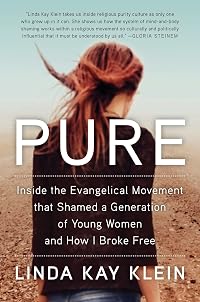
Pure: Inside the Evangelical Movement That Shamed a Generation of Young Women and How I Broke Free
by Linda Kay Klein
On This Page
Description
From a woman who has been there and back, the first inside look at the devastating effects evangelical Christianity's purity culture has had on a generation of young women--in a potent combination of journalism, cultural commentary, and memoir. In the 1990s, a "purity industry" emerged out of the white evangelical Christian culture. Purity rings, purity pledges, and purity balls came with a dangerous message: girls are potential sexual "stumbling blocks" for boys and men, and any expression show more of a girl's sexuality could reflect the corruption of her character. This message traumatized many girls--resulting in anxiety, fear, and experiences that mimicked the symptoms of Post-Traumatic Stress Disorder--and trapped them in a cycle of shame. show lessTags
Recommendations
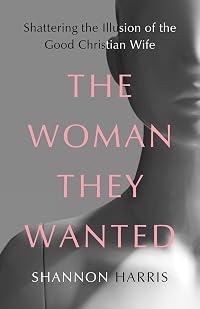
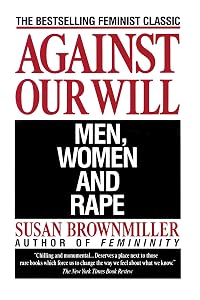
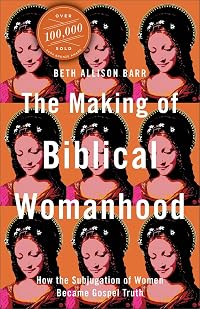
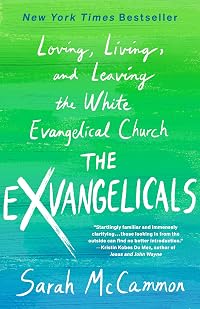






Member Reviews
This was amazing. Another reviewer referred to it as "pedestrian and hyperbolic" and explained they didn't read past the 34 page introduction; they went on to say that reading more of the "warmed-over social science thesis material would be foolish." Obviously I disagree entirely with that reviewer. I've always been very interested in other people's life experiences; this time, however, it was MY life experience.
And a very large number of my friends.
And my 2 sisters-in-law.
And then 4 of her sisters, of course, as well.
I agree with the other reviewer that the Intro wasn't great, with too many distracting endnotes; it was not a good preview of the rest of the book. After the Intro, however, I couldn't put it down, and resonated with show more everything I read. My mother tried to force-feed the purity-culture garbage down my throat (still to this day, and I'm in my 40s). I resisted and recognized it all as wrong, aggressively arguing against all of it from the moment it was presented. I resisted garbage ideas like women were responsible for their assaults based on how they dressed; that you had to be modest specifically so as not to be "stumbling blocks for men." Barf. Nearly everything she described in the book was explicitly expressed to me or my friends by representatives of the purity culture, whether that was parents or church figures. Even though I rejected so much of it, the dysfunctional crap still infiltrated my mind and affected me into adulthood and well into my marriage. I can't speak out enough against the purity culture (and American non-denominational Evangelicalism, which --IMO-- is basically a collective term for a bunch of cults). It did immeasurable damage to me and so many of my friends. I love this book, bought 3 copies to lend out and 2 more as gifts for my sisters-in-law. show less
And a very large number of my friends.
And my 2 sisters-in-law.
And then 4 of her sisters, of course, as well.
I agree with the other reviewer that the Intro wasn't great, with too many distracting endnotes; it was not a good preview of the rest of the book. After the Intro, however, I couldn't put it down, and resonated with show more everything I read. My mother tried to force-feed the purity-culture garbage down my throat (still to this day, and I'm in my 40s). I resisted and recognized it all as wrong, aggressively arguing against all of it from the moment it was presented. I resisted garbage ideas like women were responsible for their assaults based on how they dressed; that you had to be modest specifically so as not to be "stumbling blocks for men." Barf. Nearly everything she described in the book was explicitly expressed to me or my friends by representatives of the purity culture, whether that was parents or church figures. Even though I rejected so much of it, the dysfunctional crap still infiltrated my mind and affected me into adulthood and well into my marriage. I can't speak out enough against the purity culture (and American non-denominational Evangelicalism, which --IMO-- is basically a collective term for a bunch of cults). It did immeasurable damage to me and so many of my friends. I love this book, bought 3 copies to lend out and 2 more as gifts for my sisters-in-law. show less
"Purity culture" -- the brand of evangelical Christianity that includes a huge emphasis on abstinence before marriage -- has long-lasting negative effects for many women and some men. That is the thesis of Klein's book and she sets about explaining it through exploring her own past, interviewing other evangelical and ex-evangelical women, and providing statistics and figures.
This book was more than I was expecting it to be. For whatever reason, I expected it to be mostly a memoir, but Klein's own story is actually a relatively small part of this. While I agree with her general thesis, I was wondering how she was going to make a whole book out of 'abstinence education only isn't enough or particularly helpful.' But the stories she dived show more into also touched on additional topics like the church's teachings of women needing to be submissive to men and how things like this lead to a culture in which rape is excused or refused to be acknowledged. The victim-blaming episodes are the most upsetting but sadly not surprising. Other interviewees discuss coming out as LGBT in a setting that isn't welcoming, getting married too young because of the 'sex-is-only-for-marriage' mantra, and just generally dealing with not being allowed to have a voice as a woman. Shockingly a great number of the interviewees still believe in God and/or some other form of religion that isn't fundamental Christianity; I give them credit for being more forgiving than I could be.
The audiobook is read by the author and she is surprisingly adept at making the whole book seem conversational and engaging. (I was burned by my most recent 'read by the author' audiobook and wasn't expecting much here.) She acknowledges that the book is specifically about white women on the whole because she didn't want to complicate the issue by adding in other factors like racial injustice; however, she does briefly touch on one group that is primarily Black women raised as evangelicals who are now pushing back on the purity myth due to the shaming effect it had. So it is not a super intersectional book, but at least this is explained rather than pretending like other races/ethnicities don't exist. show less
This book was more than I was expecting it to be. For whatever reason, I expected it to be mostly a memoir, but Klein's own story is actually a relatively small part of this. While I agree with her general thesis, I was wondering how she was going to make a whole book out of 'abstinence education only isn't enough or particularly helpful.' But the stories she dived show more into also touched on additional topics like the church's teachings of women needing to be submissive to men and how things like this lead to a culture in which rape is excused or refused to be acknowledged. The victim-blaming episodes are the most upsetting but sadly not surprising. Other interviewees discuss coming out as LGBT in a setting that isn't welcoming, getting married too young because of the 'sex-is-only-for-marriage' mantra, and just generally dealing with not being allowed to have a voice as a woman. Shockingly a great number of the interviewees still believe in God and/or some other form of religion that isn't fundamental Christianity; I give them credit for being more forgiving than I could be.
The audiobook is read by the author and she is surprisingly adept at making the whole book seem conversational and engaging. (I was burned by my most recent 'read by the author' audiobook and wasn't expecting much here.) She acknowledges that the book is specifically about white women on the whole because she didn't want to complicate the issue by adding in other factors like racial injustice; however, she does briefly touch on one group that is primarily Black women raised as evangelicals who are now pushing back on the purity myth due to the shaming effect it had. So it is not a super intersectional book, but at least this is explained rather than pretending like other races/ethnicities don't exist. show less
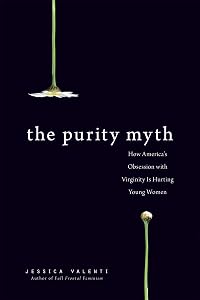
This book is along the lines of The Purity Myth, but from more of a religious perspective. I picked this book up because I will frequently seek out interesting looking books in subjects I haven't read before (going by Library of Congress call number classifications).
As an atheist, I have no idea what women who were raised in a conservative, fundamental religion go through. But as somebody raised in a small town who went to a public school, I understand completely what it's like to receive zero sex ed in the days before the world wide web existed. My heart breaks for women who think of themselves as broken, damaged and worthless because of the patriarchal leanings of church (and state).
It was interesting for me to read that probably show more about as many women interviewed in this book remained with their fundamental faiths as those who turned away from church in general.
I think the quote that really resonated the most with me was the following, which an interviewee stated in regard to the crap he experienced in regard to his sexuality:
'This community's ideology is more important to them than anything else. It's more important than people. It's more important than keeping their relationships with each other intact. The ideology is the only thing that matters here.'
I think that quote sums up why I have so much distaste for church and very religious folks sticking their hand into government policy and trying to prevent humans that don't act the same exact way that they do from living their lives honestly and openly. But that's not really the purpose of this book. I'm glad that progressive women and men are having more influence in their religions, and I hope that winds up having positive effects for everybody. show less
As an atheist, I have no idea what women who were raised in a conservative, fundamental religion go through. But as somebody raised in a small town who went to a public school, I understand completely what it's like to receive zero sex ed in the days before the world wide web existed. My heart breaks for women who think of themselves as broken, damaged and worthless because of the patriarchal leanings of church (and state).
It was interesting for me to read that probably show more about as many women interviewed in this book remained with their fundamental faiths as those who turned away from church in general.
I think the quote that really resonated the most with me was the following, which an interviewee stated in regard to the crap he experienced in regard to his sexuality:
'This community's ideology is more important to them than anything else. It's more important than people. It's more important than keeping their relationships with each other intact. The ideology is the only thing that matters here.'
I think that quote sums up why I have so much distaste for church and very religious folks sticking their hand into government policy and trying to prevent humans that don't act the same exact way that they do from living their lives honestly and openly. But that's not really the purpose of this book. I'm glad that progressive women and men are having more influence in their religions, and I hope that winds up having positive effects for everybody. show less
I've been thinking about this book a lot since I finished reading it on Tuesday.
I won't say I enjoyed it, because I didn't. It was painful and valuable and thought provoking. And given what the culture looks like today, it was very timely.
Linda Kay Klein writes in such a way that she is engaging and honest, and she states what she sees in a factual and fair way, even as she deals with difficult interviews and struggles.
I gave Pure 5/5 stars and I definitely recommend reading it.
I won't say I enjoyed it, because I didn't. It was painful and valuable and thought provoking. And given what the culture looks like today, it was very timely.
Linda Kay Klein writes in such a way that she is engaging and honest, and she states what she sees in a factual and fair way, even as she deals with difficult interviews and struggles.
I gave Pure 5/5 stars and I definitely recommend reading it.
If it wasn't for the fact that I live in the Buckle of the Bible Belt and know some of these people, I would have said that this book was not non-fiction, but delusional fantasy. However, I have heard way too many people espouse the tenets of the so-called Purity Movement, to dismiss it as a joke.
Unfortunately, the power of the author's message gets mired in her writing style and her decision to tell this story as a series of anecdotal interviews instead of a straight forward narrative.
Unfortunately, the power of the author's message gets mired in her writing style and her decision to tell this story as a series of anecdotal interviews instead of a straight forward narrative.
This isn't quite a memoir. There's a lot of elements of that in here for sure, but it's more of an expose. Linda has spent over a decade interviewing evangelical woman like herself who have been severely burned by the church's culture of judging women for the sins of others. It's deep, and it's emotional.
Listened thru the first part of the book, and I was done. It’s not that I can’t sympathize or understand where the author is coming from. I grew up in a charismatic evangelical church and heard plenty of the purity business, but was able to grow into adulthood without an incredible burden of shame as a result. That being said, I can easily see how her experience turned out differently, and I think it’s despicable. I’ve seen so many darker things about the evangelical church and was interested to learn more about it, since it was contrary to my own experience and understanding.
If the writing were better, I might continue trying to learn the author’s story and the others she is trying to tell. Maybe it’s the audio format that show more makes it difficult to separate the statements of different women, but from just the introduction I found it hard to follow and maintain interest in what she was saying. If the topic comes up in the future as one I want to learn more about in depth, I don’t think this would be a book I would come back to.
Honestly, at this point, I’m more interested in making sure that my 3 daughters don’t grow up under this type of programming, and I feel like I can say, without too much hubris, that I could identify warning signs and would be able to take action against them, for the sake of my girls and any others in the church. show less
If the writing were better, I might continue trying to learn the author’s story and the others she is trying to tell. Maybe it’s the audio format that show more makes it difficult to separate the statements of different women, but from just the introduction I found it hard to follow and maintain interest in what she was saying. If the topic comes up in the future as one I want to learn more about in depth, I don’t think this would be a book I would come back to.
Honestly, at this point, I’m more interested in making sure that my 3 daughters don’t grow up under this type of programming, and I feel like I can say, without too much hubris, that I could identify warning signs and would be able to take action against them, for the sake of my girls and any others in the church. show less
Members
- Recently Added By
Lists

Simon & Schuster
136 works; 4 members
Author Information

2 Works 252 Members
Linda Kay Klein has spent over a decade working at the intersection of faith, gender, sexuality, and social change. She earned an interdisciplinary master's degree from New York University focusing on American evangelical Christian gender and sexuality messaging for girls. Linda lives in New York City with her family.
Classifications
- Genres
- Religion & Spirituality, Nonfiction, General Nonfiction, Biography & Memoir, Sexuality and Gender Studies
- DDC/MDS
- 261.8 — Religion Christian organization, social work & worship Social theology and interreligious relations and attitudes Christianity and socioeconomic problems
- LCC
- BV639 .W7 .K556 — Philosophy, Psychology and Religion Practical Theology Practical Theology Ecclesiastical theology
- BISAC
Statistics
- Members
- 242
- Popularity
- 134,472
- Reviews
- 9
- Rating
- (3.96)
- Languages
- English
- Media
- Paper, Audiobook, Ebook
- ISBNs
- 8
- ASINs
- 2