On This Page
Description
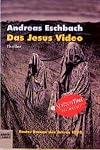
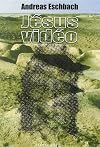
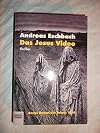
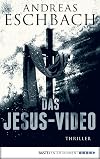
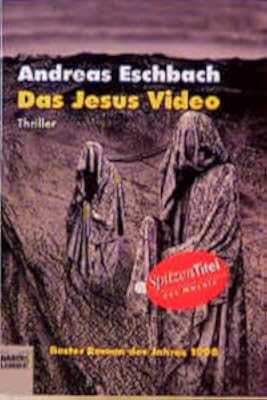
Bij archeologische opgravingen in Israël doet vrijwilliger Stephen Foxx, twintiger en miljonair, een ongelooflijke ontdekking. In een meer dan tweeduizend jaar oud graf vindt hij naast het lijk een oud linnen zakje. Daarin zit de Amerikaanse gebruiksaanwijzing voor een nog niet in omloop zijnde Sony videocamera. Een test wijst uit dat het papier daadwerkelijk tweeduizend jaar oud is. Foxx ziet maar één verklaring: iemand moet terug in de tijd zijn gereisd om video-opnames te maken, show more waarschijnlijk van Jezus. show lessTags
Recommendations




























Member Reviews
Cosa si può scrivere ancora sul tema "viaggi e paradossi temporali" che non sia già stato detto e ripetuto fino alla nausea? La risposta è " Lo specchio di Dio" di Andreas Eschbach, che riesce a coniugare in modo originale queste tematiche con una sana dose di thriller fanta-religioso (niente a che vedere con il Codice Da Vinci, comunque). Il mix è veramente piacevole, nonostante un'eccessiva lentezza iniziale e un protagonista troppo antipatico!!
This was a very gripping listening. There is an archaeological dig around Jerusalem where a two thousand year old artefact was found, packed in as old linen which turns out to be a object of the future. The object are instructions for a video camera which will be developed three years later. Everybody is now looking for the video camera which is believed to be from a time traveller and contains a video about Jesus. There are a lot of parties involved such as the church, sponsor and archaeologists. Everybody has another agenda for the use of this video.
Nice idea! Archaeologists on a dig in Palestine unearth the users’ manual of a SONY Video Camera that is still only in design and due for production in three years time! They postulate that in the near future, a time traveller will head back 2000 years to capture Jesus Christ on video. Knowing that he cannot return to the modern age, he will hide the video to be picked up by his friends and he will remain to live out his life in ancient Palestine. Now the hunt is on for the scoop of the century!
TimeTravelThis is an interesting take on the time travel paradox and it set me thinking. If it were possible for the archaeologists to find the camera … before [?] the leap back in time … then surely the time traveller’s friends, once show more they plan for him to travel in time, could immediately go and collect the hidden video he will [?] leave for them 2000 years ago, before he even travels? Just try writing that last sentence using the correct tenses. 🙂 And once they have the video, why does he have to bother travelling; on the other hand, if he changes his travel plans, how could they have found a video he never left for them! If time travel is possible, it implies it may be sufficient Schrodinger’s Catto possess time travel technology to be deemed to have travelled … a ludicrous idea as imponderable as Schrödinger’s Cat. This is my cue to offer you this poetic summary of another paradox.
Alternatively, maybe the video only appears at the agreed place after the time traveller makes his journey and is then deemed to have been there for 2000 years. That is, history is rewritten, though the books are not changed.
So I speculate (tongue firmly in cheek) that time travel can change history, but only with effect from the moment when the traveller sets out! An interesting idea, but clearly it doesn’t explain more dramatic changes to history. For example, if he saved Jesus from crucifixion, history would record the crucifixion up until the moment he travels and would then promptly refute it, despite all the records!
What’s really cool about The Jesus Video is the way that Eschbach (the author) gives a glimpse inside his own thought processes. A key character is a science fiction writer who is supposed to do the detective work of figuring out where the camera is so he has to imagine how time travel might be achieved, how the traveller might behave, etc. He builds countless scenarios and tears them down and you get the real impression that Eschbach himself might use a similar approach in constructing his own plots.
Towards the end, the plot wobbles a bit with some unlikely coincidences which could have been easily handled more convincingly. The time traveller turns out not to be the obvious candidate but it would have been delicious if he had! show less
TimeTravelThis is an interesting take on the time travel paradox and it set me thinking. If it were possible for the archaeologists to find the camera … before [?] the leap back in time … then surely the time traveller’s friends, once show more they plan for him to travel in time, could immediately go and collect the hidden video he will [?] leave for them 2000 years ago, before he even travels? Just try writing that last sentence using the correct tenses. 🙂 And once they have the video, why does he have to bother travelling; on the other hand, if he changes his travel plans, how could they have found a video he never left for them! If time travel is possible, it implies it may be sufficient Schrodinger’s Catto possess time travel technology to be deemed to have travelled … a ludicrous idea as imponderable as Schrödinger’s Cat. This is my cue to offer you this poetic summary of another paradox.
Alternatively, maybe the video only appears at the agreed place after the time traveller makes his journey and is then deemed to have been there for 2000 years. That is, history is rewritten, though the books are not changed.
So I speculate (tongue firmly in cheek) that time travel can change history, but only with effect from the moment when the traveller sets out! An interesting idea, but clearly it doesn’t explain more dramatic changes to history. For example, if he saved Jesus from crucifixion, history would record the crucifixion up until the moment he travels and would then promptly refute it, despite all the records!
What’s really cool about The Jesus Video is the way that Eschbach (the author) gives a glimpse inside his own thought processes. A key character is a science fiction writer who is supposed to do the detective work of figuring out where the camera is so he has to imagine how time travel might be achieved, how the traveller might behave, etc. He builds countless scenarios and tears them down and you get the real impression that Eschbach himself might use a similar approach in constructing his own plots.
Towards the end, the plot wobbles a bit with some unlikely coincidences which could have been easily handled more convincingly. The time traveller turns out not to be the obvious candidate but it would have been delicious if he had! show less
Ce roman d'Andreas Eschbach part d'une superbe idée, bien amenée, avec des personnages attachants, à la psychologie bien développée. Néanmoins, il manque une certaine fluidité au déroulé de l'intrigue, l'auteur semblant au final délayer en six cents pages une histoire qui n'en aurait mérité que la moitié. Ou qui aurait mérité beaucoup plus de développements temporels. On ressort de cette lecture un peu frustré, surtout lorsqu'on compare ce roman avec le chef d'œuvre de l'auteur, Des milliards de tapis de cheveux, dans lequel Andreas Eschbach parvenait à nous surprendre sans cesse, tout en faisant preuve de poésie, grâce à une superbe écriture. Il reste à espérer que l'auteur a retrouvé cet état de grâce dans show more une ou plusieurs autres de ces œuvres. show less
Jul 11, 2020French
Se durante degli scavi archeologici in Israele si trova uno scheletro che ha presso di sé il manuale di una videocamera, si può magari pensare a uno scherzo di cattivo gusto. Ma quando si scopre che lo scheletro presenta delle otturazioni dentarie, la carta è vecchia di duemila anni, e soprattutto è di un modello che uscirà solo fra tre anni, le cose cambiano e di molto. Ecco l'ambientazione di questo libro: come si può immaginare, tutti pensano subito che il proprietario della telecamera sia stato un viaggiatore nel tempo che sia andato a filmare Gesù Cristo per confermare o negare la sua esistenza: soprattutto il magnate delle telecomunicazioni che ha finanziato gli scavi e pensa a quanto ci potrebbe guadagnare. A questo punto show more entra in gioco il Vaticano, e un inquisitore proveniente dall'Onorata Famiglia...
Il maggior problema del libro è superare le prime 150 pagine che sono inutilmente pesanti, come se Eschbach volesse farci vedere quanto ha studiato per creare uno scenario - israeliano e religioso - verosimile. Se si supera questo scoglio, la storia poi scorre bene fino alla fine, più o meno intuibile (io non c'ero arrivato, ma al solito non faccio testo). Peccato anche per varie sviste di traduzione, tipo la datazione presunta della chiesa del Seminatore, un probabile "doch" che è diventato "Certo, ovviamente" a pagina 181, e un Josephus Flavius che non è stato chiamato Giuseppe Flavio. Il titolo però è molto bello, e meglio sicuramente dell'originale tedesco. show less
Il maggior problema del libro è superare le prime 150 pagine che sono inutilmente pesanti, come se Eschbach volesse farci vedere quanto ha studiato per creare uno scenario - israeliano e religioso - verosimile. Se si supera questo scoglio, la storia poi scorre bene fino alla fine, più o meno intuibile (io non c'ero arrivato, ma al solito non faccio testo). Peccato anche per varie sviste di traduzione, tipo la datazione presunta della chiesa del Seminatore, un probabile "doch" che è diventato "Certo, ovviamente" a pagina 181, e un Josephus Flavius che non è stato chiamato Giuseppe Flavio. Il titolo però è molto bello, e meglio sicuramente dell'originale tedesco. show less
Oct 10, 2017Italian
Bij archeologische opgravingen in Israël doet Stephen Foxx, lid van de New Yorkse Explorer's Society, een sensationele ontdekking. In een graf van tweeduizend jaar oud vindt hij documenten die blijkens de datering even oud zijn als het skelet in het graf, maar waarop teksten staan die uit de moderne tijd komen... Hoe is het mogelijk dat er berichten uit het heden op een plek uit de tijd van onze Messias terecht zijn gekomen? Hebben we hier te maken met een of andere vorm van tijdreizen, of is het allemaal één grote oplichterij? Hoe dan ook, als Stephens opdrachtgever, de mediamagnaat John Kaun, erachter komt dat Foxx belangrijk bewijsmateriaal voor hem heeft achtergehouden, treft hij direct drastische maatregelen. Een turbulente show more achtervolging begint. Een jacht tussen de archeoloog, het Vaticaan, diverse geheime diensten en een van de grootste mediaconcerns ter wereld. Een jacht vol verrassende wendingen die in daverende vaart leidt naar een explosieve climax...
De vondst van raadselachtige documenten in een eeuwenoud graf; dubieuze bemoeienissen van het Vaticaan; de onthulling van een sensationele waarheid: Eschbachs Het Messias-mysterie heeft alle elementen in zich waarvoor de liefhebbers van boeken als De Da Vinci Code zich naar de winkel spoeden. Niet voor niets staat dit briljante boek van Andreas Eschbach sinds het verschijnen bekend als een van de beste Duitse spannende romans. show less
De vondst van raadselachtige documenten in een eeuwenoud graf; dubieuze bemoeienissen van het Vaticaan; de onthulling van een sensationele waarheid: Eschbachs Het Messias-mysterie heeft alle elementen in zich waarvoor de liefhebbers van boeken als De Da Vinci Code zich naar de winkel spoeden. Niet voor niets staat dit briljante boek van Andreas Eschbach sinds het verschijnen bekend als een van de beste Duitse spannende romans. show less
Apr 8, 2007Dutch
Members
- Recently Added By
Lists

Best Science Fiction Novels
816 works; 430 members

Best Science Fiction Originally Published in a Language Other Than English
449 works; 34 members

Books Read in 2023
5,638 works; 147 members
Author Information

109+ Works 5,526 Members
Awards and Honors
Series

Belongs to Publisher Series
Work Relationships
Common Knowledge
- Canonical title*
- Das Jesus Video
- Original title
- Das Jesus Video
- Original publication date
- 2000
- People/Characters
- Jesus Christ
- Important places*
- Tempelberg, Jerusalem, Israel
- First words*
- Seit er wusste, dass er berühmt werden würde, wartete er auf sie.
- Last words*
- (Click to show. Warning: May contain spoilers.)"Ja", nickte er. "Die Geschichte beginnt."
- Original language
- German
*Some information comes from Common Knowledge in other languages. Click "Edit" for more information.
Classifications
- Genres
- Fiction and Literature, Science Fiction, Suspense & Thriller
- DDC/MDS
- 830 — Literature & rhetoric German & related literatures German literature and literatures of related languages
- LCC
- PT2665 .S34 — Language and Literature German, Dutch and Scandinavian literatures German literature Individual authors or works 1961-2000
Statistics
- Members
- 621
- Popularity
- 47,123
- Reviews
- 15
- Rating
- (3.87)
- Languages
- 11 — Czech, Dutch, English, French, German, Hungarian, Italian, Japanese, Polish, Russian, Spanish
- Media
- Paper, Audiobook, Ebook
- ISBNs
- 33
- ASINs
- 8